The demand for high-quality, gluten-free baking alternatives has surged in recent years, driven by a growing segment of consumers diagnosed with celiac disease, non-celiac gluten sensitivity, and those adopting grain-free dietary patterns. As culinary professionals strive to replicate the texture and mouthfeel of traditional wheat-based pastries without relying on processed starches or gums, almond flour has emerged as a primary solution. Recent developments in kitchen testing, specifically regarding the reformulation of classic blueberry muffins, highlight the technical challenges and nutritional benefits inherent in transitioning to nut-based flours.
The Technical Evolution of Gluten-Free Baking
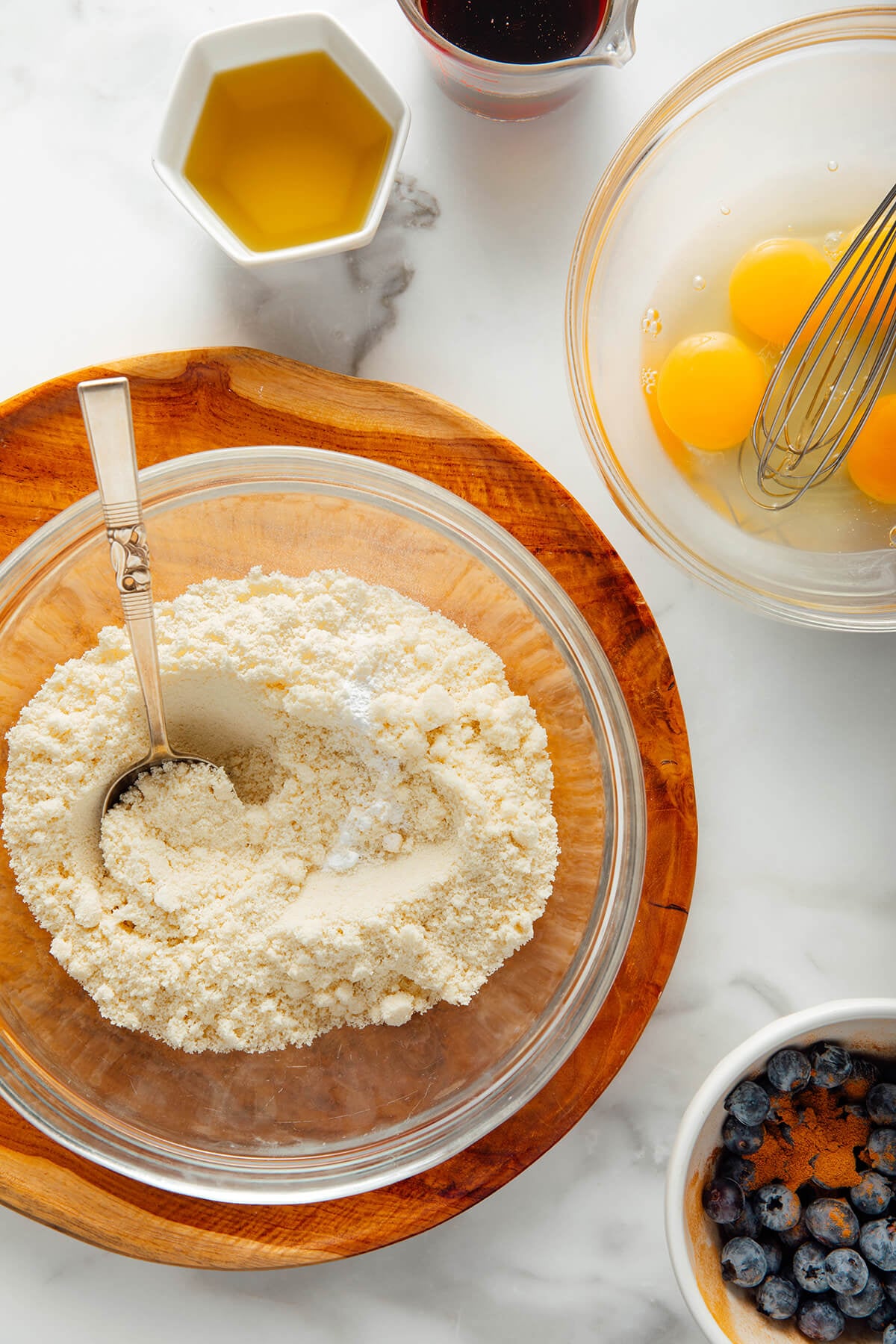
The transition from conventional wheat flour to almond flour represents a significant departure in baking science. Unlike wheat flour, which contains proteins that form a gluten matrix when hydrated, almond flour consists primarily of healthy fats and fiber. This fundamental difference necessitates a total rebalancing of chemical leavening, fat content, and moisture retention.
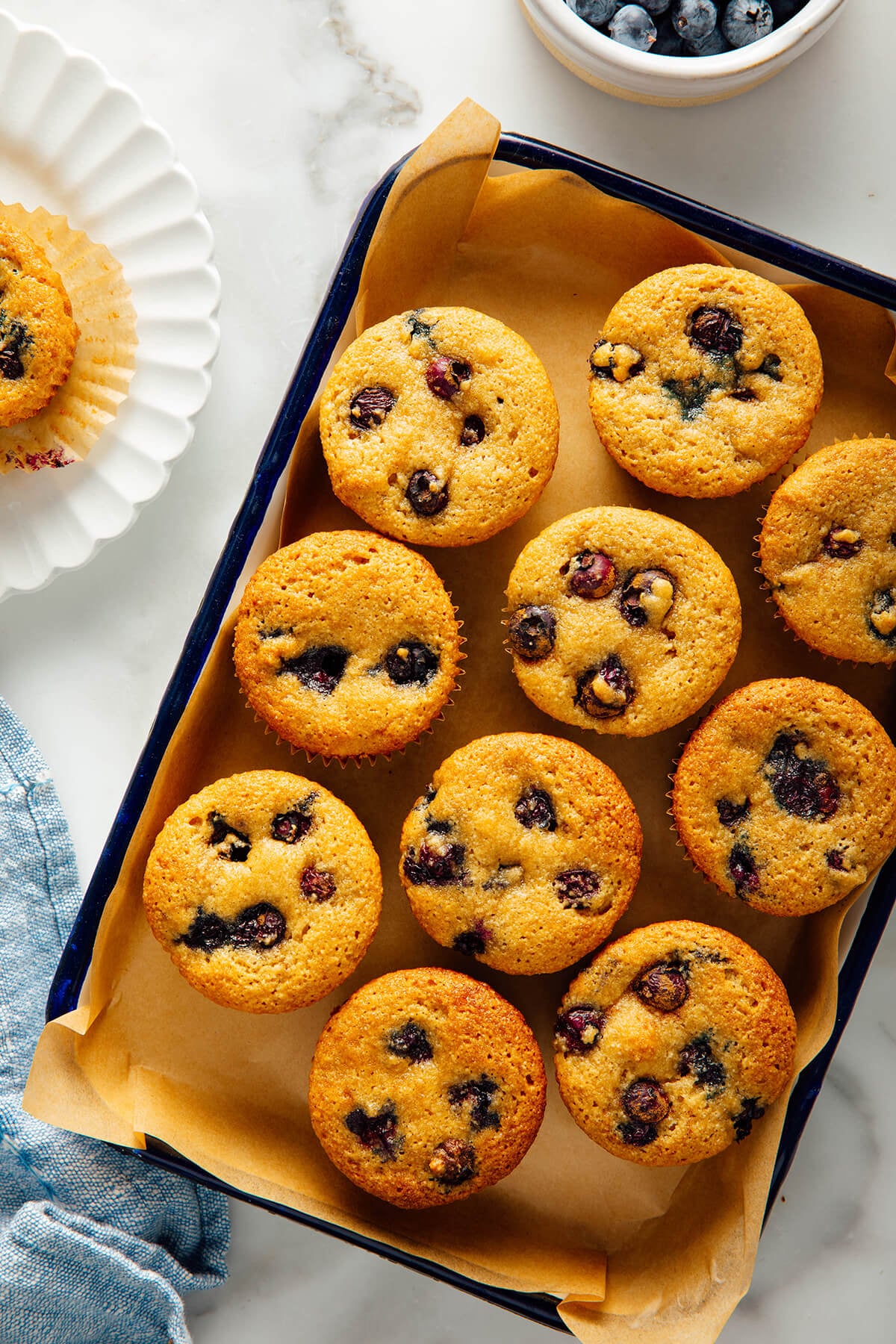
Culinary experts have noted that almond flour is notably less absorbent than wheat-based counterparts. To prevent a dense or greasy product, recipes must be recalibrated with precise liquid-to-fat ratios. In recent test kitchen trials, it was observed that over ten iterations were required to achieve an ideal crumb structure that remains golden on the exterior and fluffy on the interior. These findings underscore that successful gluten-free baking is less about simple substitution and more about complex chemistry.
Nutritional Profile and Dietary Implications
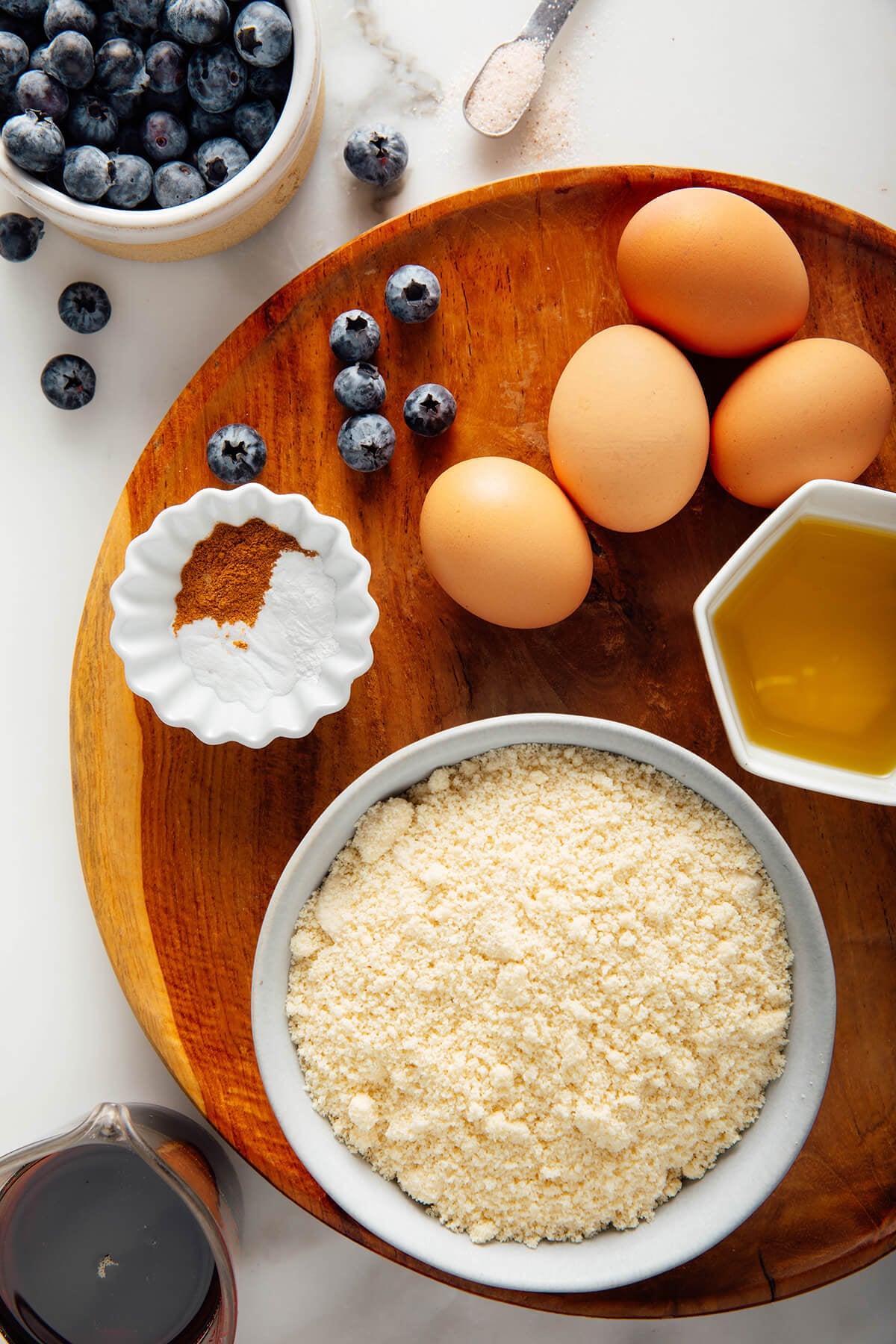
From a nutritional standpoint, the shift toward almond-based baking offers distinct advantages over standard gluten-free "all-purpose" blends. Many commercial gluten-free flour mixes rely heavily on starches—such as potato, tapioca, or corn starch—which are designed to mimic the structural integrity of gluten but often lack fiber and protein. In contrast, almond flour is essentially finely ground blanched almonds, providing a denser profile of Vitamin E, magnesium, and monounsaturated fats.
Data from nutritionists suggest that because almond flour possesses a distinct, mild nutty flavor profile, it allows for a reduction in total added sugars. In traditional wheat baking, high sugar levels are often required to balance the neutrality of the flour. With almond flour, the natural sweetness of the nut enhances the fruit components—such as blueberries—without the need for excessive caloric sweeteners like processed white sugar.
The Challenge of Ingredient Stability
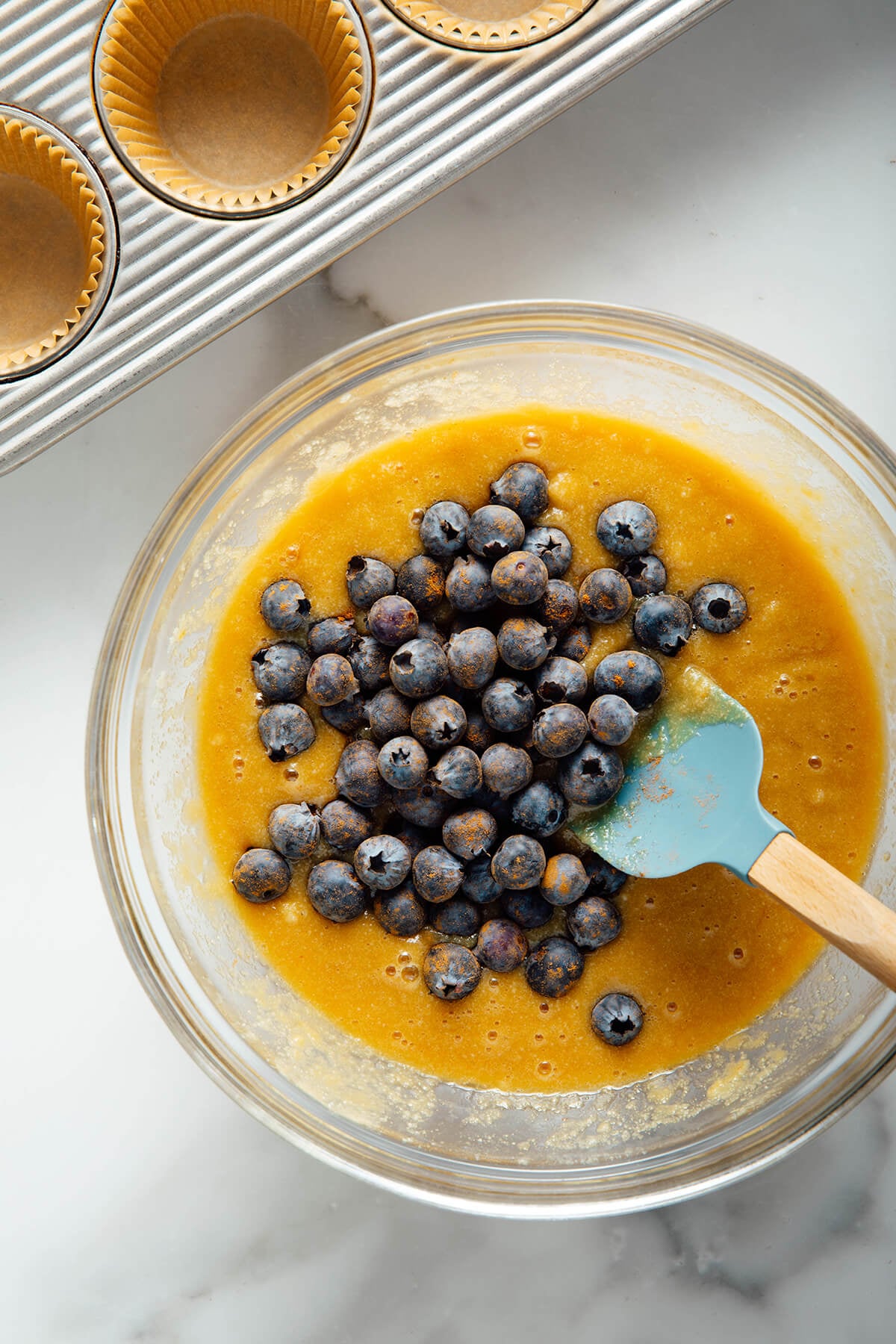
One of the most persistent issues in home and professional gluten-free baking is the tendency for inclusions, such as fresh or frozen berries, to sink to the bottom of the batter during the leavening process. This not only results in an uneven distribution of flavor but can also lead to soggy, unappetizing textures at the base of the muffin.
Recent testing has introduced a novel technique to mitigate this issue: coating berries in ground spices, such as cinnamon, rather than the traditional method of dusting them with flour. This approach not only provides the necessary friction to suspend the berries within the batter but also integrates a secondary flavor profile that complements the acidity of the blueberries. Furthermore, the inclusion of lemon juice serves a dual purpose: it provides a bright, acidic counterpoint to the sweetness of the fruit and acts as a necessary reactant to neutralize the baking soda. Without this acidic intervention, the natural anthocyanins in blueberries can react with the alkalinity of the baking soda, resulting in a greenish discoloration within the baked good.
Structural Integrity and the Role of Eggs
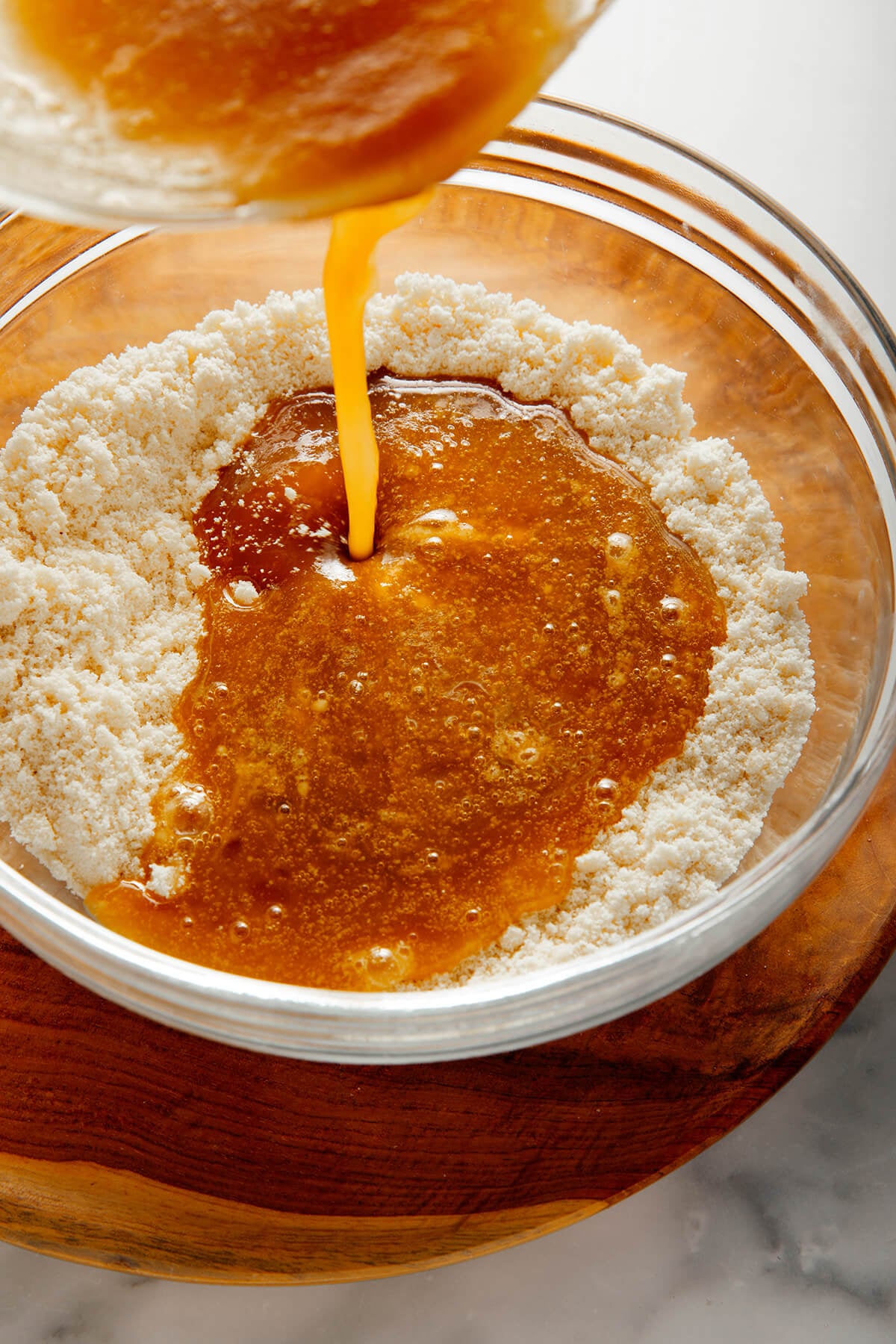
In the absence of gluten, the structural integrity of a muffin relies almost entirely on the coagulation of proteins. In this specific recipe, the requirement for four eggs is significantly higher than that of standard wheat-based muffins. This increased ratio is essential to create a robust structure that holds the weight of the fruit. While some consumers may express concern regarding the "eggy" profile of such a recipe, the natural richness of the almond flour effectively masks the flavor, resulting in a balanced, neutral finish.
Industry Trends in Specialty Flours
The global gluten-free products market is projected to continue its upward trajectory, with almond flour serving as a cornerstone of the premium, health-conscious segment. As manufacturers refine the milling process to produce "super-fine" blanched almond flour, the consistency of baked goods has improved, leading to higher consumer satisfaction.
However, industry experts advise that standardization remains a challenge. The variation in oil content and grind consistency across different brands can lead to disparate results. Professional advice suggests that for consistent outcomes, bakers should prioritize reputable suppliers such as Bob’s Red Mill or specific food-grade blanched varieties. Furthermore, the industry move toward using digital scales—measuring by weight rather than volume—has become the gold standard, as the density of almond flour can fluctuate significantly depending on how tightly it is packed into a measuring cup.
Culinary Best Practices for Home Bakers
For those looking to adopt these methods, the following guidelines represent the consensus among modern test kitchens:

- Precision Measurement: Avoid "scooping" flour directly from the bag, as this can result in an over-measurement of up to 20%. Instead, use the "spoon and level" method or, preferably, a digital scale.
- Temperature Control: When using frozen blueberries, they should never be defrosted. Incorporating them directly from the freezer prevents the juice from bleeding into the batter, which would otherwise dye the entire muffin blue and alter the final texture.
- Leavening Reaction: Ensure the oven is fully preheated before the muffins are placed inside. The rapid activation of the baking soda and the acidic component (lemon juice) is crucial for the initial lift.
- Handling: Unlike wheat-based batters, which can become tough if over-mixed due to gluten development, almond flour batters are relatively forgiving. This makes them an accessible entry point for novice bakers or those cooking with children.
Broader Economic and Health Impact
The rise of almond-flour-based recipes is indicative of a broader shift in public health, where consumers are increasingly prioritizing whole-food ingredients over highly processed gluten-free substitutes. While almond flour carries a higher price point per ounce than wheat flour, the trade-off is often viewed as a value-add for those seeking to reduce their glycemic load and improve their overall nutrient intake.
The long-term implications of this shift are significant. As more home cooks become proficient in working with nut-based flours, the market for gluten-free goods is likely to see a decline in the dominance of starch-heavy, low-nutrient alternatives. This transition not only benefits those with medical necessity but also elevates the quality of baked goods for the general population.

Conclusion
The development of a reliable, high-performing gluten-free blueberry muffin represents a milestone in the ongoing refinement of modern baking. By balancing the specific properties of almond flour with the correct acidity, egg protein ratios, and clever physical stabilization techniques for fruit inclusions, it is possible to achieve a product that satisfies both the dietary requirements of the gluten-intolerant and the high expectations of the culinary enthusiast. As research into alternative flours continues to evolve, the ability to produce nutritious, delicious, and structurally sound baked goods without traditional grains will likely become a permanent fixture in the modern kitchen.