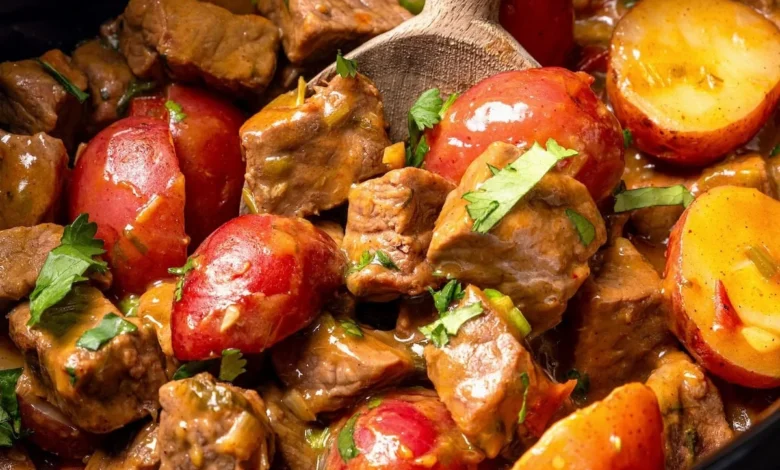
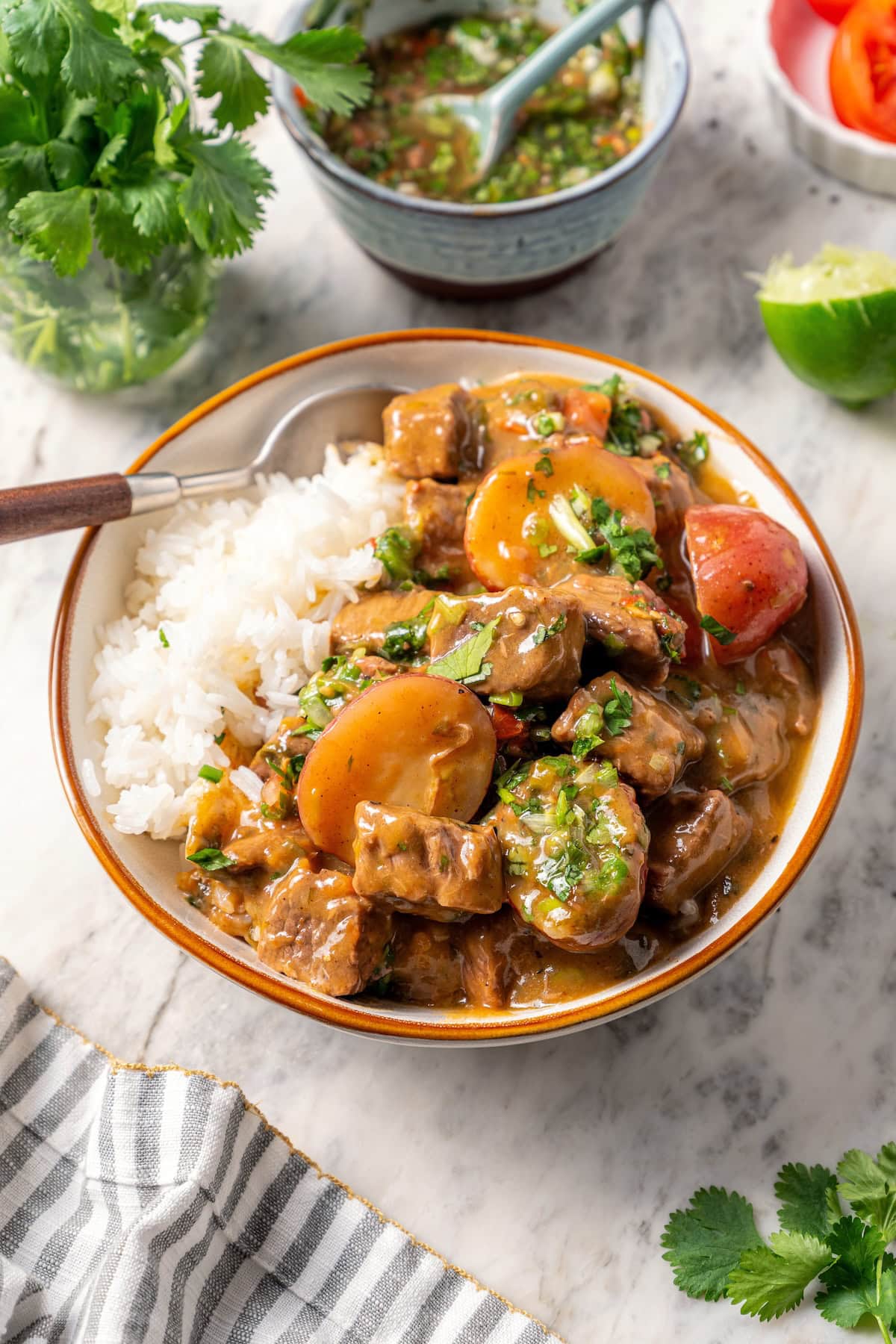
The culinary landscape of traditional comfort food continues to evolve as home cooks increasingly seek out ways to balance rich, heritage-inspired flavors with modern, time-saving kitchen appliances. Among the latest recipe adaptations gaining traction in home kitchens is a slow-cooker adaptation of carne guisada, a classic Colombian beef stew traditionally prepared on the stovetop. This hearty dish, which combines tender cuts of beef, baby potatoes, ripe tomatoes, and a robust blend of Latin seasonings, offers a solution for consumers looking for substantial, protein-dense meals without the active supervision typically required for braised dishes. Developed by recipe creator Gina of Skinnytaste, the slow-cooker variant bridges the gap between authentic Latin American home cooking and the demands of contemporary, fast-paced lifestyles.
Background and Cultural Context of Carne Guisada
Carne guisada, which broadly translates to "stewed meat" in Spanish, holds a significant place in the culinary traditions of many Latin American countries, including Colombia, Puerto Rico, and the Dominican Republic. While regional variations abound—some incorporating olives and capers, others relying heavily on sofrito—the fundamental goal remains consistent: transforming tougher, budget-friendly cuts of beef into a melt-in-your-mouth delicacy through a long, slow cooking process.

In Colombian households, the dish is typically built upon a foundation of fresh aromatics, including onions, garlic, and ripe tomatoes, simmered alongside root vegetables or potatoes. Traditionally, this process takes place in a heavy-bottomed Dutch oven or pot over a domestic stovetop, requiring the cook to monitor heat levels and liquid reduction over several hours. The adaptation of this recipe for a slow cooker, or crock pot, reflects a broader shift in culinary practices where traditional heritage recipes are modified to fit contemporary schedules. Culinary historians note that while purists sometimes debate the merits of appliance-based cooking versus traditional methods, the core flavor profiles—achieved through meticulous seasoning and proper searing—can be successfully translated across cooking vessels with minor technique adjustments.
Step-by-Step Methodology and Preparation Chronology
Creating this slow-cooker carne guisada involves a hybrid cooking method designed to maximize flavor development. Culinary experts emphasize that while slow cookers excel at retaining moisture and breaking down connective tissues in meat, they often lack the high heat necessary to initiate the Maillard reaction—the chemical reaction between amino acids and reducing sugars that gives browned food its distinctive flavor.
To overcome this limitation, the preparation process begins on the stovetop. The chronology of the recipe is structured as follows:
-
Preparation and Searing (10–15 Minutes): The process commences with the preparation of the beef. Lean cuts, typically chuck roast trimmed of excess fat, are cut into uniform pieces and seasoned with a bold mix of Latin spices, salt, and pepper. Before entering the slow cooker, the meat is quickly seared in a skillet with a small amount of oil to develop a rich, caramelized crust. This initial step is critical for building the foundational depth of the stew’s sauce.
-
Aromatics and Deglazing: Following the searing of the beef, diced onions, garlic, and fresh tomatoes are sautéed briefly in the same pan. This step often incorporates scraping up the browned bits stuck to the bottom of the pan—a process known as deglazing—which introduces complex savory notes into the eventual stew base.
-
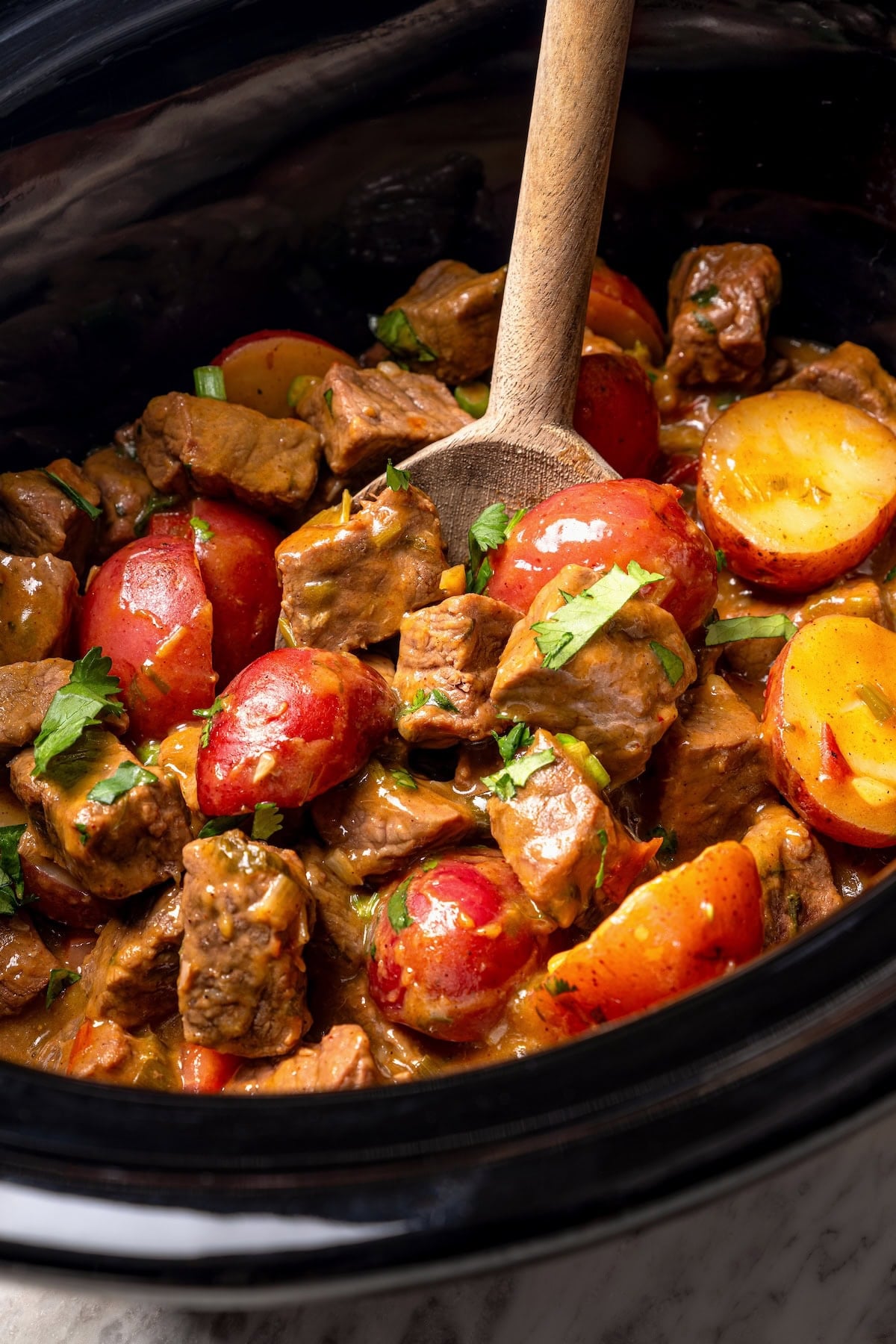
Slow Cooking Phase (6 Hours): The seared beef, sautéed aromatics, and liquids are transferred to the slow cooker alongside whole or halved baby potatoes. The unit is covered and set to cook on low heat for approximately six hours. During this extensive cooking window, the collagen within the beef slowly breaks down into gelatin, yielding exceptionally tender meat while allowing the starches from the potatoes to naturally thicken the surrounding broth.
-
Final Resting and Service (15 Minutes): Once the cooking cycle concludes, the stew is allowed to rest briefly before serving. This resting period permits the internal temperatures to stabilize and the flavors to coalesce. The final dish is typically served warm, accompanied by a side of white rice to absorb the rich, savory sauce.

Nutritional Profile and Dietary Analysis
From a nutritional standpoint, the slow-cooker carne guisada aligns with current consumer trends favoring high-protein, balanced meals. According to nutritional data provided by the recipe’s developers, a single generous one-cup serving of the finished stew contains approximately 346 calories, 38 grams of protein, 19.5 grams of carbohydrates, and 12.5 grams of fat (with 5 grams coming from saturated fat).
Dietary analysts point out several notable health markers within this profile:
- High Protein Content: Providing 38 grams of protein per serving, the dish is well-suited for individuals prioritizing muscle recovery, satiety, and active lifestyle nutrition.
- Controlled Sodium and Fat: By utilizing lean cuts of beef and managing added salts in favor of herbs and spices, the sodium content is kept to a moderate 340 milligrams per serving, making it more heart-healthy than many commercial canned soups or restaurant-style stews.
- Dietary Fiber: The inclusion of baby potatoes and whole tomatoes contributes 4 grams of dietary fiber per serving, supporting digestive health alongside the meal’s complex carbohydrates.
- Micronutrient Density: Beef serves as an essential source of bioavailable iron, zinc, and B-complex vitamins, while tomatoes supply lycopene and vitamin C, enhancing the nutritional value of the overall dish.
Storage, Food Safety, and Meal Prep Implications

As consumer interest in meal prepping and batch cooking continues to rise, recipes capable of prolonged refrigeration and freezing become increasingly valuable. Food safety experts note that beef stews like carne guisada often improve in flavor after a day in storage, as the aromatics have more time to penetrate the meat fibers.
Proper storage guidelines for the prepared stew include:
- Refrigeration: Once cooled to room temperature within two hours of cooking, the stew should be transferred to airtight containers and stored in a refrigerator maintained at or below 40°F (4°C). When properly stored, it remains safe for consumption for up to four days.
- Freezing: For longer-term preservation, the stew can be frozen in heavy-duty freezer bags or containers for up to three months. Experts recommend omitting or reducing potatoes if intentional long-term freezing is planned, as thawed potatoes can sometimes develop a grainy texture.
- Reheating: When reheating, the stew should be brought to an internal temperature of 165°F (74°C) throughout, whether heated on a stovetop over medium heat or in a microwave, stirring periodically to ensure even warmth.
Broader Culinary Trends and Industry Impact
The popularity of slow-cooker adaptations of international comfort foods underscores a broader shift in the culinary publishing and food manufacturing sectors. As home cooks increasingly balance busy work schedules with a desire for authentic, scratch-made meals, recipe developers and cookbook authors are pivoting toward appliance-friendly formats.
Industry observers note that the demand for slow cooker and multi-cooker recipes has driven a resurgence in sales of kitchen appliances designed to automate or simplify long-simmering cooking techniques. Furthermore, the incorporation of global flavor profiles into convenient cooking methods reflects an increasingly diverse consumer palate. Dishes that once required hours of attentive stovetop monitoring are now accessible on weeknights, democratizing traditional ethnic cuisines and integrating them into everyday domestic routines.
As home cooking communities continue to share adaptations, peer-reviewed recipes, and personal modifications online, traditional dishes like carne guisada demonstrate remarkable adaptability. By bridging heritage flavors with modern kitchen technology, these culinary creations ensure that classic comfort foods remain relevant, accessible, and vibrant for new generations of cooks.