Unlocking the Power of the Deficit Deadlift: A Comprehensive Analysis of Its Risks, Rewards, and Strategic Application for Strength Athletes


The deadlift stands as a quintessential movement in strength training, revered for its ability to build raw power, develop the posterior chain, and fortify the entire body. It is, by its very nature, a demanding exercise. Yet, within the diverse landscape of strength modalities, there exists a variation designed to amplify this challenge: the deficit deadlift. This exercise intentionally increases the range of motion (ROM) by elevating the lifter on a platform, forcing the barbell to travel further from the floor. This seemingly simple modification introduces greater fatigue, intensifies muscular demands, and undeniably elevates the complexity, leading to a long-standing debate within the strength community regarding its efficacy and safety.
Many lifters and coaches initially view the deficit deadlift with skepticism. If the conventional deadlift is already a formidable test of strength, why deliberately make it harder? The added ROM translates to more work, longer time under tension, and an increased margin for error. Critics often highlight the potential for injury, particularly to the lower back, and question whether the heightened difficulty serves a genuinely productive purpose or merely satisfies a desire for an extreme challenge. However, when executed with precision and integrated thoughtfully into a well-structured training program, the narrative surrounding the deficit deadlift shifts dramatically. The crucial question then becomes not about its inherent difficulty – which is undeniable – but whether that difficulty is purposeful, contributing to specific adaptations that enhance overall strength and athletic performance. This exploration delves into the biomechanics, benefits, risks, and strategic programming of the deficit deadlift, drawing on expert perspectives to provide a holistic understanding for lifters contemplating its inclusion in their regimen.
The Biomechanics of the Deficit: A Deeper Dive
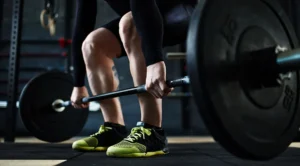
At its core, the deficit deadlift is a conventional deadlift performed while standing on an elevated surface, typically a plate or a low box ranging from 1 to 4 inches in height. This elevation lowers the starting position of the barbell relative to the lifter’s feet, thereby extending the distance the bar must travel to reach lockout. From a biomechanical standpoint, this increased ROM necessitates greater hip flexion, ankle dorsiflexion, and thoracic extension at the start of the lift. The lifter must descend further to grip the bar, which places a more significant stretch on the hamstrings and glutes, and demands a more acute knee angle, increasing quadriceps involvement.
The initial pull from the floor becomes considerably more challenging. The muscles responsible for initiating the lift—primarily the quads, glutes, and hamstrings—must generate greater force from a disadvantaged position. The lower back and core musculature are also under increased stress to maintain a neutral spine and prevent rounding as the lifter endeavors to break the bar from the ground. This extended lever arm at the bottom of the lift puts the spinal erectors and upper back under greater isometric tension for a longer duration. Understanding these biomechanical shifts is fundamental to appreciating both the potential advantages and inherent risks of this advanced deadlift variation.
Unpacking the Criticisms: Why Some Lifters Remain Skeptical
The primary criticism leveled against the deficit deadlift is that it makes an already effective exercise unnecessarily difficult. The argument posits that while some exercises benefit from an extended range of motion for enhanced effectiveness, the conventional deadlift, when performed correctly, already provides sufficient stimulus. From this viewpoint, the deficit deadlift appears to be an arbitrary intensification without clear justification.
A significant concern revolves around improper execution. Observers often witness lifters attempting deficit deadlifts with excessive deficits, using weights too heavy for their current strength and mobility, or forcing a range of motion their body cannot safely control. This often results in severe spinal rounding, particularly in the lumbar region, transforming the exercise into what critics describe as a "lower-back meltdown disguised as a strength tool." This poor form not only negates potential benefits but also significantly elevates injury risk.
However, many experts argue that such criticisms are often misdirected. Matt Wenning of Wenning Strength emphasizes, "The criticism comes from coaches who see them prescribed universally. Like any special exercise, they’re only as good as the reason they were selected. There’s no good or bad exercise; it either solves a specific weakness or it doesn’t." This perspective underscores the importance of specificity in exercise selection, suggesting that the deficit deadlift’s negative reputation often stems from its misapplication rather than inherent flaws.
Furthermore, the increased physical demand contributes to significant fatigue. The extended time under tension and greater muscular involvement across the upper back, lower back, glutes, hamstrings, and quads can be taxing. Lifters may perceive these "costs" in terms of recovery demands without recognizing the potential "benefits," especially if they are already engaging in heavy conventional deadlift training. Tasha "Iron Wolf" Whelan of Ideal Strength echoes this sentiment, stating, "I don’t think they’re controversial because of the exercise itself. They’re controversial because they’re often prescribed without a clear purpose. The question shouldn’t be ‘Do deficits work?’ It should be: What adaptation am I trying to create? Am I trying to improve positional strength?" This highlights the necessity of a clear objective when incorporating such a demanding variation.
Finally, the existence of simpler, less taxing alternatives to improve deadlift performance often leads to the dismissal of deficit deadlifts. Variations like paused deadlifts, tempo deadlifts, speed deadlifts, or simply refining one’s conventional deadlift setup can offer significant improvements with lower complexity and recovery costs. When an exercise demands a high level of technical proficiency and physical resilience, it tends to be overlooked if easier paths to progress are available.
Understanding the Risks: Navigating the Challenges
While no exercise is entirely without risk, the deficit deadlift, by its very design, introduces specific challenges that lifters must acknowledge and manage.
Heightened Lower Back Risk
The most prominent risk associated with deficit deadlifts is the potential for lower back injury. By increasing the range of motion, the lift demands superior hip mobility, robust torso control, and exceptional lower back strength to maintain a neutral spinal alignment from a significantly deeper starting position. As Matt Wenning explains, "Mobility is the deciding factor. If a lifter cannot reach the bar with a neutral spine from the floor, elevating them onto a deficit simply magnifies the compensation." This means that any existing limitations in hip or ankle mobility, or weaknesses in core bracing, will be exacerbated. Lifters who round their lower back during a conventional deadlift are at an even greater risk of doing so during a deficit deadlift, potentially leading to disc injuries or severe muscle strains. This added demand, while productive for the right individual, significantly narrows the margin for error, making it unsuitable for those with pre-existing low back pain or limited spinal mobility.
The Fatigue Factor and Recovery Deficits
The extended time under tension and the activation of a wider array of muscle groups (upper back, lower back, glutes, hamstrings, and quadriceps) inherent in the deficit deadlift contribute to a substantial fatigue load. While this can be beneficial for targeted muscle development and strength adaptations, it can also create a significant recovery deficit if not carefully managed. Integrating a demanding exercise like the deficit deadlift into an already intensive pulling program without proper adjustment to overall volume and intensity can lead to overtraining, stalled progress, and increased injury susceptibility. Critics are correct in pointing out that for some lifters, the recovery costs may indeed outweigh the benefits, particularly if their training program is not adequately periodized.
Complexity and Individual Suitability
The deficit deadlift demands a higher degree of technical proficiency, body awareness, and pre-existing physical capabilities than many other deadlift variations. It can quickly expose weaknesses in mobility, leverages, and bracing mechanics, making it potentially more confusing or frustrating than helpful for certain individuals. As Tasha Whelan notes, "When it matches the lifter’s needs — mobility, leverages, and training phase — it is an exceptional tool. When those factors are ignored, they’re often just adding range of motion without adding value." For lifters who lack the foundational strength, mobility, or technical mastery of the conventional deadlift, the added complexity of a deficit can hinder progress rather than accelerate it. The existence of simpler, safer, and more easily mastered alternatives further reinforces that the deficit deadlift is an optional, specialized tool, not a universal requirement.
Deficit Deadlift Benefits: Strategic Advantages for Strength and Muscle Growth
Despite the criticisms and risks, the deficit deadlift offers compelling advantages for lifters who are well-prepared and strategically integrate it into their training. These benefits are precisely why it remains a valuable tool for many advanced strength athletes.
Building Strength Off the Floor
One of the most significant benefits of the deficit deadlift is its ability to build immense strength in the initial phase of the pull – often referred to as "off the floor" strength. This variation directly targets the sticking point where many lifters struggle: the moment the bar breaks contact with the ground. If a lifter experiences the bar feeling "glued" to the floor, or if their positional integrity collapses before the bar even clears their knees, the deficit deadlift can be a powerful corrective. Matt Wenning confirms, "For lifters who have adequate hip, ankle, and thoracic mobility, deficits can improve starting strength, positional awareness, and force production off the floor." The extended range of motion forces the lifter to generate maximal tension and power from a mechanically disadvantaged position, directly addressing and fortifying this crucial phase of the deadlift. This leads to a more explosive and confident start in the conventional deadlift.
Increased Time Under Tension and Hypertrophy
The longer pull path inherent in the deficit deadlift naturally increases the time the muscles are under tension. This extended duration of muscular engagement is a potent stimulus for both strength and muscle growth (hypertrophy). The upper back, lower back, glutes, and hamstrings are forced to maintain isometric contraction and generate force for a longer period, leading to greater mechanical tension and metabolic stress. These are key drivers of muscle adaptation and growth. By prolonging the effort, the deficit deadlift can contribute to building thicker, stronger musculature in the entire posterior chain and core, areas critical for supporting heavier deadlifts.
A Powerful Quad Strengthener
The deeper starting position of the deficit deadlift necessitates a more pronounced knee bend compared to a conventional deadlift. This increased knee flexion translates directly to greater involvement and activation of the quadriceps muscles. While the conventional deadlift is often seen as primarily a posterior chain exercise, the deficit variation significantly recruits the quads to initiate the push off the floor. This makes it an excellent accessory exercise for lifters looking to bolster their quad strength, which can have significant carryover to other lifts like sumo deadlifts (which also feature a greater knee bend at the start) and squats. It provides a unique stimulus to the quads that isn’t as pronounced in standard deadlift variations.
Exposing and Addressing Weak Links
For the disciplined lifter, the deficit deadlift acts as an unsparing diagnostic tool, brutally exposing weaknesses that might be masked or less apparent in a conventional deadlift. As Whelan articulates, "If there’s a weak link anywhere in that chain, a deficit exposes it quickly. Often, what appears to be a mobility limitation is actually a positioning or bracing issue." This can reveal deficiencies in hip mobility, ankle dorsiflexion, thoracic extension, core bracing, or specific muscle group weaknesses. While this exposure can be uncomfortable, it is profoundly useful. By identifying where the chain breaks down under increased demand, lifters and coaches can then implement targeted corrective exercises and adjust training strategies to fortify these areas. Sometimes, the most beneficial exercise is not the one that allows for the heaviest load, but the one that illuminates the path to stronger, more resilient movement.
Who Should Consider Incorporating Deficit Deadlifts?
Given its unique demands and benefits, the deficit deadlift is not a universal exercise but rather a specialized tool best suited for specific lifters and training objectives.
- Experienced Lifters with Solid Foundation: Individuals who have mastered the conventional deadlift form, possess strong bracing mechanics, and consistently maintain a neutral spine throughout the lift.
- Athletes with Adequate Mobility: Those who exhibit good hip, ankle, and thoracic mobility, allowing them to achieve the deeper starting position without compromising spinal integrity.
- Lifters Struggling with Off-the-Floor Strength: Individuals whose primary deadlift weakness is breaking the bar from the ground, experiencing slow starts, or losing position early in the pull.
- Powerlifters in Specific Training Phases: Competitors looking to address specific sticking points in their deadlift cycle, often during accumulation or foundational strength blocks, away from peak competition.
- Individuals Targeting Quad and Posterior Chain Hypertrophy: Lifters aiming for increased muscle growth in the glutes, hamstrings, lower back, and quadriceps through extended time under tension and greater range of motion.
- Athletes Seeking Diagnostic Feedback: Those willing to use the exercise to identify and address subtle weaknesses in their deadlift mechanics or overall strength profile.
Who Should Exercise Caution or Avoid Deficit Deadlifts?
Conversely, several groups of lifters should approach the deficit deadlift with extreme caution or avoid it altogether.
- Beginners or Those New to Deadlifting: Individuals still learning the fundamental hip hinge pattern and proper deadlift mechanics should prioritize mastering the conventional deadlift from the floor before introducing added complexity.
- Lifters with Current or History of Lower Back Pain: Anyone experiencing low back discomfort or with a history of spinal injuries should opt for less demanding variations to protect their spine. The increased spinal flexion demand of a deficit deadlift can exacerbate existing issues.
- Individuals with Limited Mobility: Lifters lacking sufficient hip flexion, ankle dorsiflexion, or thoracic extension will likely compensate by rounding their lower back, significantly increasing injury risk.
- Those with Poor Bracing or Core Control: Without a strong, stable core to maintain spinal rigidity, the deficit deadlift can quickly lead to dangerous form breakdown.
- Lifters in a High-Volume or Peak Strength Phase: Due to its high fatigue cost, integrating deficit deadlifts during periods of maximal effort or high training volume may hinder recovery and overall performance.
- Individuals Whose Primary Goal is Simply to Lift the Most Weight: For those solely focused on immediate 1RM improvement without addressing specific weaknesses, other deadlift variations or simply consistent conventional deadlift training might be more efficient.
The Risk vs. Reward: A Balanced Perspective
The deficit deadlift definitively falls into the moderate-to-high-risk, high-reward category within the spectrum of strength exercises. Its demands on hip mobility, upper back strength, lower back resilience, and the ability to maintain a rock-solid core from a deeper starting position are substantial. The extended range of motion offers both pronounced benefits and clear drawbacks.
The inherent risk is amplified by a smaller margin for error. Any pre-existing limitations—be it in hip mobility, upper back engagement, or the tendency for lower back rounding under load—will be immediately and sometimes brutally exposed. This makes the exercise unsuitable for novices and those with compromised spinal health or inadequate foundational strength.
However, for the appropriately prepared lifter, the potential rewards are equally significant. The deficit deadlift can be a powerful catalyst for building unparalleled bottom-position strength, dramatically improving speed off the floor, increasing beneficial time under tension for hypertrophy, and meticulously training lifters to maintain superior tightness and positional integrity through the most challenging segment of the deadlift. For individuals whose conventional deadlift is hampered by a slow start or early positional breakdown, this upside is immense and transformative.
Ultimately, the decision to incorporate deficit deadlifts hinges on a careful assessment of individual capabilities and training objectives. If a lifter possesses the requisite mobility, technical discipline, and a robust deadlift foundation to control the bottom position effectively, the substantial rewards can unequivocally justify the inherent risks. Conversely, for those lacking these prerequisites, the risks will manifest long before any discernible benefits, potentially leading to injury and training setbacks.
Programming Deficit Deadlifts for Maximum Strength Gains
Effective programming is paramount to harnessing the benefits of the deficit deadlift while mitigating its risks. This is not an exercise to be approached haphazardly.
The first and arguably most crucial rule for programming the deficit deadlift is to maintain a modest deficit. As Matt Wenning advises, "I keep the deficit small, 1–2 inches, and program them in accumulation phases rather than near maximal testing." This modest elevation is typically sufficient to increase the ROM, make the initial pull more challenging, and expose weak positions without transforming the lift into a precarious circus act.
However, there is no universal "hard-and-fast" rule for deficit height, as individual anthropometry plays a significant role. Tasha Whelan emphasizes this point: "A 2-inch deficit isn’t the same exercise for everyone. Lifters with long femurs and short arms face a much greater positional challenge than those with more favorable deadlift levers. Because of that, I rarely prescribe a ‘standard’ deficit." Coaches and lifters must therefore personalize the deficit height based on individual limb lengths, mobility, and biomechanics, prioritizing perfect form over arbitrary depth.
Here are further programming suggestions to optimize deficit deadlifts:
- Weight Selection: Due to the increased difficulty and ROM, expect to lift significantly less weight than your conventional deadlift. A good starting point is 10 to 25 percent less than your conventional deadlift 1RM, or approximately 60 to 80 percent of your deadlift 1RM for working sets. The focus should be on perfect form and control, not maximal load.
- Sets & Reps for Strength: For developing raw strength and improving the initial pull, 3 to 4 sets of 3 to 6 repetitions work exceptionally well. This rep range allows for heavy enough loads to stimulate strength adaptations while maintaining technical precision.
- Sets & Reps for Muscle Growth (Hypertrophy) and Technical Practice: For building muscle mass and refining technique under fatigue, 3 sets of 8-10 repetitions can be effective. This increases time under tension and provides more opportunities to practice the movement pattern.
- Rest Intervals: For strength-focused training, allow for ample recovery between sets, typically 2-3 minutes. This ensures that bar speed, muscular tension, and positional integrity can be maintained throughout the workout. For accessory or hypertrophy work, slightly shorter rest periods of 90-120 seconds may be appropriate.
- Training Block Duration: The smartest approach is to incorporate deficit deadlifts in structured training blocks lasting four to six weeks. This provides sufficient time to build the desired qualities and achieve adaptation before the accumulating wear and tear necessitates a deload or a shift to a different deadlift variation. Integrating it as a primary deadlift variation for an entire year is rarely advisable due to its high recovery demands.
Are the Benefits of Including Deficit Deadlifts in Your Workout Worth It?
The deficit deadlift, far from being hard for hard’s sake, is a highly specialized and potent tool within the strength athlete’s arsenal. Its often-controversial reputation largely stems from its misuse. When lifters stand on excessively high deficits, overload the bar, and force positions their bodies cannot safely or effectively control, the exercise indeed embodies the criticisms leveled against it—becoming a recipe for injury and frustration.
However, when performed with precision, purpose, and a deep understanding of its biomechanical demands, the deficit deadlift transforms into an invaluable asset. A modest, individually appropriate deficit becomes a targeted strength builder, capable of dramatically improving speed off the floor, forging superior bottom-position strength, and meticulously exposing technical weak links that a conventional deadlift might otherwise obscure.
In the realm of strength training, "harder" does not inherently equate to "better." Yet, when the added difficulty serves a clear, strategic purpose, and when the lifter is adequately prepared to meet its demands, the deficit deadlift can be precisely the catalyst needed to overcome plateaus, fortify weak points, and elevate overall deadlift performance to new heights. For the right athlete, with the right approach, the rewards are undeniably worth the effort.