Novel Chemical Strategy Revitalizes Vancomycin Against Superbugs, Offering New Hope in the Fight Against Antibiotic Resistance

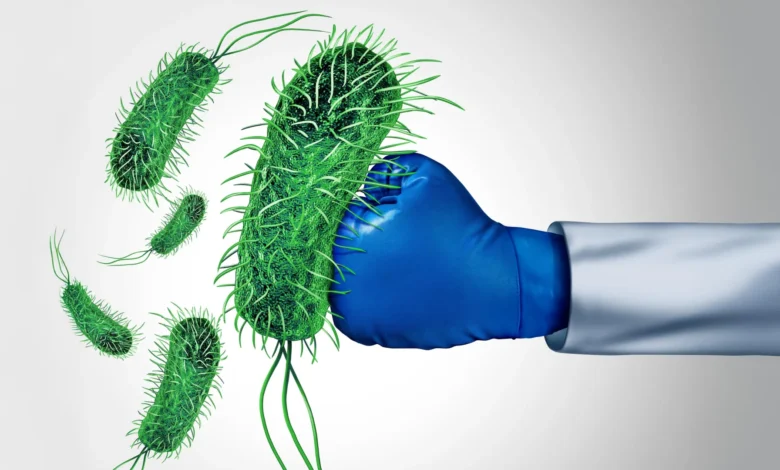
The escalating crisis of antibiotic resistance stands as one of the gravest threats confronting modern medicine, imperiling decades of medical progress and posing a formidable challenge to global public health. As bacterial pathogens relentlessly evolve, the arsenal of drugs that once reliably combated infections steadily loses its efficacy. This alarming trend renders once-common infections increasingly difficult, if not impossible, to treat, simultaneously amplifying the inherent risks associated with routine surgical procedures, essential cancer therapies, and a myriad of other critical medical interventions. In response to this existential challenge, researchers worldwide are engaged in an urgent quest to devise innovative strategies that can outmaneuver these rapidly adapting microbes. A particularly promising avenue of investigation, gaining significant traction, involves not the arduous and often protracted development of entirely novel antibiotics, but rather the ingenious approach of helping existing, venerable drugs regain their lost potency. This paradigm shift underpins the concept of antibiotic adjuvants: companion molecules that, instead of directly eradicating bacteria, work synergistically to restore and amplify the power of established antibiotics.
The Alarming Reality of Antimicrobial Resistance
The World Health Organization (WHO) and the U.S. Centers for Disease Control and Prevention (CDC) have consistently identified antimicrobial resistance (AMR) as a top 10 global public health threat. Projections indicate that if current trends continue unchecked, AMR could lead to 10 million deaths annually by 2050, surpassing even cancer as a leading cause of mortality. Beyond the staggering human cost, AMR imposes an immense economic burden, costing healthcare systems billions of dollars annually through extended hospital stays, more intensive care, and the use of expensive alternative treatments. The problem is exacerbated by the declining rate of new antibiotic discovery, with pharmaceutical companies often finding it less profitable to invest in new antibiotics compared to other drug classes. This creates a critical gap, leaving medicine vulnerable as existing drugs falter.
The mechanisms driving resistance are complex and varied, encompassing everything from genetic mutations that alter drug targets or enhance efflux pumps (which expel drugs from bacterial cells) to the acquisition of resistance genes via horizontal gene transfer between bacteria. The misuse and overuse of antibiotics in both human and animal health settings have accelerated this evolutionary pressure, inadvertently selecting for and propagating resistant strains. From community-acquired infections to life-threatening hospital-acquired superbugs, the specter of untreatable disease looms large.
Building New Molecular Libraries to Accelerate Drug Discovery
At the forefront of this innovative approach is the work of Professor John Moses and his dedicated team at Cold Spring Harbor Laboratory (CSHL). For years, their research has focused on the fundamental development of novel chemical reactions designed to streamline and enhance the efficiency of the drug discovery process. Their methodology hinges on a sophisticated technique known as diversity-oriented clicking (DOC), an advanced chemical synthesis strategy pioneered within the Moses laboratory itself. This powerful method enables researchers to rapidly construct a vast and diverse library of compounds, which currently boasts over 150 distinct molecular entities. The compounds generated through DOC are not merely academic curiosities; molecules from this meticulously curated collection have already demonstrated their utility, contributing significantly to research efforts in both the complex arena of antibiotic resistance and the challenging field of cancer therapeutics.
The principle behind DOC leverages "click chemistry," a concept recognized with the Nobel Prize, which involves highly efficient, reliable, and robust chemical reactions that quickly "click" molecular building blocks together. This precision and speed are crucial for generating large libraries of diverse molecules in a fraction of the time required by traditional synthetic methods, thereby dramatically accelerating the initial phases of drug discovery and screening.
A Collaborative Breakthrough: Restoring Vancomycin’s Efficacy
The latest and perhaps most impactful application of this molecular library has emerged through a pivotal collaboration with Scripps Research. This partnership has yielded a significant breakthrough: the successful restoration of the effectiveness of vancomycin, a potent and historically critical antibiotic. Vancomycin is a glycopeptide antibiotic, frequently deployed as a drug of last resort against severe infections caused by Gram-positive bacteria, most notably Methicillin-resistant Staphylococcus aureus (MRSA) and Clostridium difficile (C. diff). Both MRSA and C. diff have earned their notorious "superbug" status due to their formidable ability to develop resistance, effectively evading frontline drugs such as vancomycin. These resistant pathogens pose an immense threat, spreading insidiously through hospitals, nursing homes, and broader communities, leading to prolonged illness, increased mortality, and substantial healthcare costs.
Timeline of Innovation: From Fundamental Chemistry to Targeted Intervention
The journey to this discovery is a testament to the long-term vision of fundamental chemical research.
- Early 2000s: The foundation for Diversity-Oriented Clicking (DOC) chemistry begins to take shape in the Moses laboratory, focusing on developing efficient and robust chemical reactions.
- Mid-2200s – Present: Continuous refinement and expansion of DOC methods, leading to the creation of a diverse molecular library. These compounds are made available for various research collaborations.
- 2020: A small molecule, subsequently named pghi-4, is first discovered in the Moses laboratory, identified as an inhibitor, though its specific target and full potential in antibiotic resistance were yet to be fully elucidated. This discovery was a direct outcome of the fundamental chemical research and the DOC library.
- Recent Past: The collaboration between Professor Moses’s team at CSHL and Professor Howard Hang’s team at Scripps Research is established, bringing together expertise in chemical synthesis and microbiology.
- Current Study: The collaborative effort targets a specific bacterial enzyme, secreted antigen A (SagA), which plays a crucial role in bacterial survival or virulence. Researchers leverage the Moses laboratory’s molecular library, identifying pghi-4 as a potent blocker of SagA.
- Experimental Validation: In critical laboratory experiments, drug-resistant Enterococcus faecium (a common multidrug-resistant pathogen often associated with hospital-acquired infections) was treated with a combination of vancomycin and pghi-4. The results were conclusive: the antibiotic vancomycin, previously ineffective against this resistant strain, dramatically regained its ability to kill the bacteria when paired with pghi-4.
Restoring Vancomycin Against Resistant Bacteria: A Deeper Look
The collaborative study between the Moses laboratory at CSHL and Professor Howard Hang’s team at Scripps Research focused on a critical bacterial vulnerability. They identified and targeted a bacterial enzyme known as secreted antigen A (SagA). While the precise role of SagA can vary across different bacterial species, in many Gram-positive bacteria, it is implicated in processes vital for bacterial growth, cell wall integrity, or immune evasion. By disrupting such an enzyme, the researchers hypothesized they could weaken the bacterium’s defenses, making it more susceptible to existing antibiotics.
The key to this disruption was the small molecule pghi-4, which had been initially discovered within the Moses laboratory in 2020 as part of their extensive screening efforts. When drug-resistant Enterococcus faecium, a significant pathogen known for its formidable resistance to multiple antibiotics including vancomycin, was subjected to a combined treatment of vancomycin and pghi-4, the results were unequivocal. Vancomycin, which alone had been powerless against this resistant strain, regained its full bactericidal activity. This finding underscores the power of the adjuvant approach: pghi-4 doesn’t kill the bacteria itself, but rather disarms a key resistance mechanism or bolsters the antibiotic’s target, allowing vancomycin to perform its intended function.
Expert Insights and the Philosophy of Chemical Innovation
For Professor Moses, the profound significance of this discovery extends beyond its immediate clinical implications. He emphasizes that the breakthrough did not originate from a direct, focused search for a new antibiotic but rather from foundational chemical research. "This discovery came from fundamental chemical research," Professor Moses explains. "Reaction development led to the discovery of the first inhibitor of an important enzyme involved in antibiotic resistance. This is a process we’re constantly refining to both keep our library of molecules up to date and add more for collaborators to take advantage of in their research." This statement highlights a crucial aspect of scientific progress: often, the most transformative discoveries emerge from curiosity-driven basic science, which then finds unexpected and impactful applications.
His philosophy of chemistry is central to the lab’s success and future potential. "This work reflects a philosophy of chemistry that’s designed to accelerate drug discovery in its purest form," Moses asserts. "By using reliable, robust, and intelligent chemical reactions, we can build new molecules more efficiently. That’s exactly the approach we used here." This strategic approach – prioritizing the development of powerful synthetic tools – allows researchers to cast a wider net in the molecular landscape, dramatically increasing the chances of identifying compounds with therapeutic potential across various disease areas.
Broader Implications and a Future Strategy Against Superbugs
The implications of this research extend far beyond the specific case of vancomycin and E. faecium. By making their extensive molecular library and the principles of Diversity-Oriented Clicking available to other researchers, Professor Moses and his team envision a future where similar adjuvant-based approaches could lead to effective treatments for a wide array of additional drug-resistant infections. This includes some of the most challenging pathogens, such as multi-drug resistant forms of tuberculosis (MDR-TB and XDR-TB), which remain a global health emergency, as well as other Gram-negative bacteria that pose increasing threats due to pan-drug resistance.
The adjuvant strategy offers several compelling advantages:
- Extended Lifespan of Existing Drugs: It allows valuable antibiotics, whose development involved significant investment and whose mechanisms are well-understood, to remain effective for longer. This is particularly critical given the dwindling pipeline of new antibiotics.
- Overcoming Resistance Mechanisms: Adjuvants can target bacterial resistance mechanisms (like efflux pumps, drug-modifying enzymes, or altered drug targets) directly, or they can disrupt bacterial virulence factors, making the bacteria less pathogenic and easier for the immune system or antibiotics to clear.
- Reduced Pressure for De Novo Drug Discovery: While new antibiotics are still desperately needed, adjuvants offer a faster, potentially less costly path to new therapies by building on existing successes.
- Combination Therapy: The use of an adjuvant alongside an antibiotic represents a form of combination therapy, a strategy often employed in medicine to reduce the likelihood of resistance development and enhance therapeutic outcomes.
As the global challenge of antibiotic resistance continues its relentless march, these findings underscore a vital paradigm shift in medical research: significant advancements may not always stem from the invention of entirely new drugs, but from a profound rethinking of the chemistry of drugs that already exist. A future where untreatable infections become manageable may well begin not with a never-before-seen antibiotic, but with a meticulously designed companion molecule that empowers an old one to reclaim its healing potential. This approach promises to be a cornerstone in safeguarding the efficacy of our antimicrobial arsenal for generations to come, ensuring that routine medical procedures and critical care remain safe and effective.
Funding and Collaborative Support
The groundbreaking research described in this article was made possible through the generous and sustained support of several key funding organizations, underscoring the broad recognition of the importance of this work. These include the National Institutes of Health, the National Cancer Institute, the Australian Research Council, the New York State Biodefense Commercialization Fund, the F.M. Kirby Foundation, and the Starr Foundation. Such diverse funding mechanisms are crucial for fostering the fundamental scientific inquiry that ultimately translates into tangible solutions for pressing global health crises.
Related posts: