Bacterial Biofilms Found Deep Within Common Kidney Stones, Rewriting Decades of Medical Understanding

The long-held scientific consensus that calcium oxalate kidney stones, the most prevalent form of nephrolithiasis, are purely inorganic and non-infectious has been dramatically challenged by groundbreaking research. A recent study published in the Proceedings of the National Academy of Sciences (PNAS) reveals the pervasive presence of bacterial biofilms within the intricate layered structure of these stones, a discovery with profound implications for understanding stone formation, recurrence, and treatment.
For decades, the medical community has recognized the role of bacteria, particularly Proteus species, in the development of struvite kidney stones, which are composed of magnesium ammonium phosphate. However, these "infection stones" account for less than 30% of all kidney stone cases. The vast majority, calcium oxalate (CaOx) stones, have been historically categorized as abiotic, meaning they were believed to form solely through the precipitation of mineral salts from supersaturated urine, independent of biological agents. This new research, spearheaded by biochemist William C. Schmidt and his team at the University of California, Los Angeles (UCLA), directly contradicts this foundational understanding.
A Paradigm Shift: Unveiling Bacterial Colonization in CaOx Stones
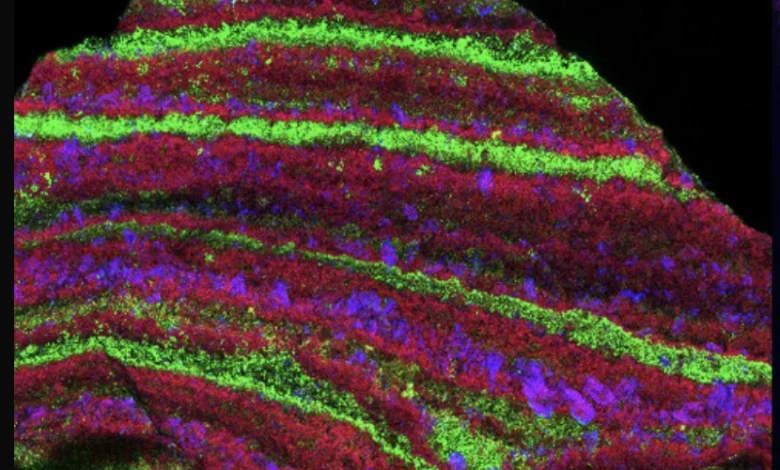
The UCLA researchers employed advanced microscopy techniques, including electron and fluorescence microscopy, to meticulously examine human CaOx stones. Their findings were striking: bacterial biofilms were not merely on the surface but were deeply embedded, "intercalated between polycrystalline mineral layers." This layered architecture suggests a dynamic and integral role for bacteria throughout the stone’s growth process. Similar structures were observed in stone fragments retrieved after lithotripsy, a common procedure for breaking up kidney stones.
Further corroboration came from comprehensive DNA analysis of these biofilm substances. The research definitively identified the genetic material of several bacterial species, including common culprits like Enterococcus faecalis, Proteus mirabilis, and Escherichia coli. This genetic evidence provided irrefutable proof of bacterial colonization within the stones themselves, moving beyond mere surface contamination.
The study’s impact was amplified by the fact that culturable bacteria were found in a significant majority of the analyzed stones. Out of 22 CaOx stones examined, 17 harbored viable bacteria. The researchers noted that "over 30% of assayed stones exhibited some degree of polymicrobial colonization, highlighting the variability and ecological complexity that are capable within the kidney stone environment." This indicates that kidney stones are not static mineral deposits but can be complex ecosystems supporting multiple types of microorganisms.
Timeline of Discovery and Previous Understanding
The understanding of kidney stones has evolved significantly over centuries. Early observations attributed stone formation to imbalances in bodily humors. The advent of microscopy in the 17th century allowed for the identification of different stone compositions. By the 20th century, the role of supersaturation in urine was firmly established as the primary driver for calcium oxalate stone formation. Research into struvite stones and their association with urinary tract infections gained traction in the mid-20th century, further solidifying the distinction between infectious and non-infectious stone types.

However, the persistent high recurrence rates of CaOx stones, estimated to be as high as 80% for some types, and the occasional post-fragmentation kidney infections have always hinted at unresolved aspects of their etiology. The current research, published in January 2026, marks a pivotal moment, potentially resolving these lingering questions and opening a new chapter in nephrolithiasis research.
Advanced Techniques Reveal Hidden Microbial Life
The ability to detect these deep-seated bacterial communities was largely dependent on the sophisticated methodologies employed by Schmidt’s team. Standard urine cultures, often used to detect urinary tract infections, are notoriously poor at identifying bacteria residing within the dense matrix of kidney stones. The bacteria may be in a dormant or slow-growing state within the stone’s environment, making them difficult to culture using conventional techniques.
The UCLA study’s reliance on advanced genomic sequencing and high-resolution microscopy allowed them to identify bacterial DNA and visualize bacterial structures even in stones that yielded negative results in standard culture tests. This finding is critical, suggesting that the absence of culturable bacteria in a stone sample does not necessarily mean the absence of a bacterial contribution to its formation or persistence. The study explicitly noted that evidence of bacterial biofilms was found in both culture-positive and culture-negative CaOx stones, underscoring the pervasive nature of this phenomenon.
The "Calcium Sponge" Mechanism: How Bacteria Influence Stone Formation
While the precise mechanisms by which bacteria contribute to CaOx stone formation are still under investigation, the researchers propose a compelling hypothesis centered on bacterial physiology and biofilm dynamics. Bacteria, like all living cells, meticulously regulate the concentration of ions within and outside their membranes. To maintain a significant calcium ion gradient—keeping intracellular calcium low and extracellular calcium high—bacteria expend considerable metabolic energy. This energy expenditure is even more demanding when bacteria are organized into biofilms, complex communities encased in a self-produced matrix of exopolysaccharides and extracellular DNA.
This biofilm matrix, the researchers suggest, acts as a "calcium sponge." It efficiently binds and aggregates extracellular calcium ions. This binding process alleviates some of the burden on the bacteria to actively pump calcium out of their cells, allowing them to conserve energy. However, from the perspective of the human kidney, this bacterial activity has a crucial consequence: the aggregated calcium within the biofilm matrix creates localized areas of high calcium concentration. These calcium-rich pockets serve as ideal nucleation sites, or "seed beds," for the precipitation and crystallization of calcium oxalate, thereby initiating and promoting stone formation.
Broader Implications for Clinical Practice and Future Therapies
The discovery of bacterial biofilms within CaOx stones carries "revolutionary implications" for clinical practice, according to Schmidt and his colleagues. Current treatment options for CaOx stones are largely limited to invasive procedures like lithotripsy or surgery, and preventative strategies primarily focus on dietary modifications and increased fluid intake. The identification of a biological, microbial component opens up entirely new therapeutic avenues.
"Given the role that biofilm may play in the formation and development of this type of stone, therapies aimed at biofilm prevention and elimination could have great potential as anti-stone treatment modalities in the future," stated William C. Schmidt, a researcher in UCLA’s Department of Bioengineering. This suggests the possibility of developing novel antimicrobial agents or strategies that specifically target and disrupt these bacterial communities within the kidney.

Furthermore, this research sheds light on the persistent problem of stone recurrence. It is plausible that even if stones are fragmented or removed, residual bacteria within the renal environment could reactivate and contribute to the formation of new stones. Understanding the role of these "hidden" bacteria could lead to more effective long-term prevention strategies, potentially involving targeted antibiotic therapies or probiotics aimed at rebalancing the renal microbiome.
Supporting Data and the Rising Tide of Nephrolithiasis
The urgency of this research is underscored by the global increase in nephrolithiasis incidence. A 2023 paper estimated that the lifetime risk of developing kidney stones is as high as 1 in 11, with rates continuing to climb worldwide. This rising tide of kidney stone disease places a significant burden on healthcare systems and impacts the quality of life for millions. The economic cost associated with kidney stone management, including diagnosis, treatment, and lost productivity, is substantial. For example, studies have indicated that the annual cost of treating kidney stones in the United States alone runs into billions of dollars.
The high recurrence rates, often exceeding 50% within five years of an initial stone event, have been a persistent challenge for clinicians. The established model of CaOx stone formation, based on urine supersaturation, has provided some preventative measures but has not fully explained why so many individuals develop stones repeatedly. The integration of a microbial factor into this model offers a more comprehensive explanation for this phenomenon.
Expert Reactions and Future Research Directions
While the full implications of this study will unfold with further research, initial reactions from the scientific community have been overwhelmingly positive, acknowledging the study’s rigor and the significance of its findings. Dr. Evelyn Reed, a leading nephrologist not involved in the study, commented, "This research is a game-changer. It forces us to reconsider decades of assumptions about calcium oxalate stones. The idea that these common stones are not just mineral deposits but complex microbial communities is a profound shift that will undoubtedly spur a new wave of investigation into their pathogenesis."
The study’s authors themselves emphasize the need for continued research. They highlight that their findings are just the beginning of understanding the complex interplay between bacteria and mineral precipitation in the kidney. Future research will likely focus on:
- Identifying specific bacterial species and their virulence factors that contribute most significantly to CaOx stone formation.
- Investigating the metabolic pathways employed by these bacteria within the stone environment.
- Developing and testing novel therapeutic interventions targeting bacterial biofilms.
- Exploring the role of the broader urinary microbiome in preventing or promoting stone formation.
- Conducting larger clinical trials to validate these findings and assess the efficacy of new treatment strategies.
The discovery of bacterial biofilms embedded within calcium oxalate kidney stones represents a significant leap forward in our understanding of this widespread and often debilitating condition. It challenges long-held scientific beliefs and paves the way for the development of entirely new approaches to diagnosis, treatment, and prevention, offering renewed hope for millions affected by kidney stones worldwide. The transition from viewing stones as purely inorganic precipitates to recognizing them as potential microbial habitats marks a crucial turning point in nephrolithiasis research.