The DoYou Global Yoga Survey 2021 Reveals a Significant Shift Towards Home Practice

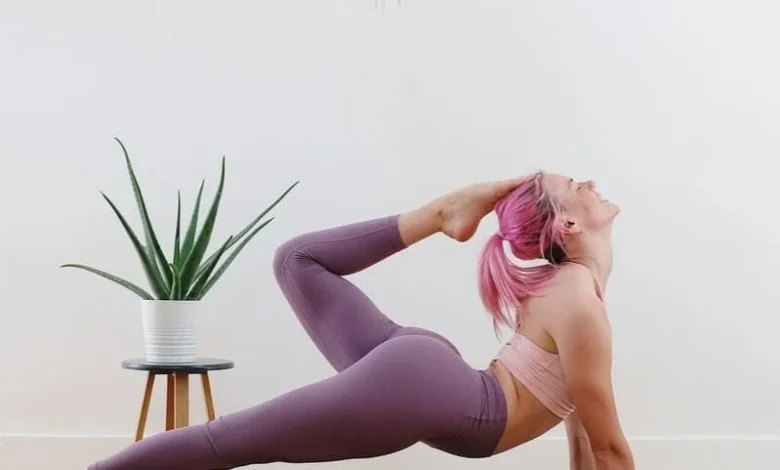
The landscape of yoga practice has undergone a profound transformation, with a substantial majority of global practitioners now opting for the convenience and accessibility of their own homes. A comprehensive DoYou Global Yoga Survey 2021, which garnered responses from over 10,000 individuals across 124 countries, has illuminated this growing trend, revealing that 85% of respondents now prefer practicing yoga in a domestic setting. This significant shift, attributed to a confluence of factors, points towards a fundamental reimagining of how individuals integrate well-being practices into their daily lives.
The survey, conducted during a period marked by global health concerns and altered social norms, provides a unique snapshot of evolving consumer behavior in the wellness sector. While the precise timing of the survey’s deployment during the COVID-19 pandemic is acknowledged as a potential influence on the reported figures, the underlying drivers of home practice are likely to have enduring implications for the future of yoga instruction and accessibility.
Key Drivers of the Home Yoga Revolution
The survey identified four primary motivations behind the burgeoning popularity of at-home yoga: convenience, affordability, privacy, and control. These factors, when examined individually and collectively, paint a compelling picture of why individuals are increasingly choosing to unroll their mats in the comfort of their own living spaces.
1. Unparalleled Convenience: For a striking 71% of at-home practitioners, the primary allure is convenience. The prospect of commuting to a studio, navigating traffic, and adhering to a fixed schedule often presents a significant barrier. The survey respondents expressed a clear preference for a practice that can be seamlessly integrated into their day, regardless of energy levels or external commitments. The ability to practice at any time, in any attire – from pajamas to more casual wear – eliminates the logistical hurdles associated with studio attendance. This flexibility allows individuals to prioritize their well-being without the added stress of travel and scheduling conflicts.
2. Economic Accessibility: Financial considerations play a crucial role for a significant portion of the yoga community. The survey found that 46% of those practicing at home do so due to its affordability. While studio memberships and class drop-in fees can represent a substantial investment, home practice offers a more budget-friendly alternative. The proliferation of free online resources, such as YouTube yoga channels, coupled with the availability of relatively inexpensive yoga mats and accessories, makes establishing a home practice financially accessible to a wider demographic. This democratizes yoga, making it a viable option for individuals who might otherwise be priced out of traditional studio settings.
3. The Sanctuary of Privacy: For many, the perceived pressure or potential for judgment in a public setting can be a deterrent to engaging in yoga. Thirty-three percent of survey respondents cited privacy as a key reason for practicing at home. The intimate environment of one’s own home offers a safe and secure space for individuals to explore their practice without the self-consciousness that can arise from being in front of others. This is particularly beneficial for beginners who are still developing their confidence or for those who prefer to focus on their internal experience without external distractions or comparisons. The ability to move, breathe, and explore poses at one’s own pace, without the feeling of being observed, fosters a deeper and more personal connection with the practice.
4. Empowering Control Over the Practice: The survey also highlighted that practitioners value the autonomy they gain when practicing at home. Over 60% of all respondents across the entire survey emphasized the importance of the instructor and atmosphere in their overall enjoyment of a yoga class. When practicing at home, individuals have the power to select their preferred instructors, whether it be a familiar online personality or a specific style of teaching they resonate with. This control extends to the ambiance of the practice space, allowing individuals to curate an environment that best supports their focus and relaxation. The ability to choose the duration, intensity, and specific focus of each session empowers practitioners to tailor their yoga experience to their evolving needs and preferences, ensuring a consistently satisfying outcome.
The Broader Context: Evolution of Wellness Practices
The DoYou Global Yoga Survey 2021 is not an isolated indicator of a broader shift in how people approach health and wellness. The past decade has witnessed a significant rise in the adoption of digital technologies for fitness and well-being. The COVID-19 pandemic acted as a powerful accelerant, forcing many businesses and individuals to pivot to online alternatives. This period of forced adaptation, however, revealed the inherent advantages of digital solutions for many, including greater flexibility, accessibility, and cost-effectiveness.
The survey’s findings can be contextualized within this larger trend. As individuals increasingly seek holistic approaches to well-being that encompass physical, mental, and emotional health, practices like yoga have gained prominence. The ability to integrate these practices into busy modern lifestyles without significant disruption has become a paramount consideration. The survey data suggests that home-based yoga practice is not merely a temporary response to external circumstances but a sustainable and preferred model for a significant segment of the global population.
Potential Drawbacks of Exclusive Home Practice
While the advantages of practicing yoga at home are compelling, the survey also acknowledges potential limitations. The absence of a qualified instructor’s direct observation can pose challenges. For instance, incorrect form in a pose could lead to discomfort or even injury, as individuals may not have the real-time feedback necessary to make immediate adjustments. This is particularly relevant for those with pre-existing injuries or specific physical conditions. A trained instructor can provide personalized guidance, modifications, and ensure a safe and effective practice, especially in cases requiring specialized attention.
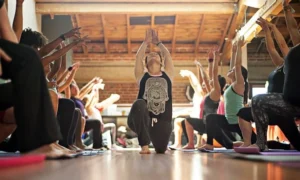
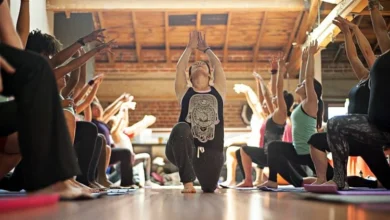
Furthermore, the communal aspect of yoga, often experienced in a studio setting, offers unique benefits. The shared energy of a group class can be a powerful motivator and foster a sense of community and belonging. The camaraderie and supportive atmosphere of a studio can contribute to an enhanced mood and a more fulfilling practice. When practicing exclusively at home, individuals may miss out on these collective experiences and the synergistic energy that can arise from practicing alongside others.
The Hybrid Model: Embracing the Best of Both Worlds
The survey’s findings also suggest that the rise of home practice does not necessarily signal the demise of studio-based yoga. Instead, it points towards the increasing prevalence of a hybrid approach, where individuals seamlessly integrate both home and studio sessions into their routines. This flexible model allows practitioners to leverage the convenience and cost-effectiveness of home practice while still benefiting from the personalized guidance and community aspects of studio classes.
The article emphasizes that yoga studios should strive to be welcoming and non-judgmental spaces. It encourages individuals to explore different studios, instructors, and class formats to find environments that resonate with their personal preferences. The notion that one negative experience should deter someone from seeking out a suitable yoga community is highlighted as a misconception.
The survey’s disclaimer, acknowledging the impact of the COVID-19 pandemic on the data, is a crucial piece of context. The restrictions and altered circumstances during the pandemic undoubtedly influenced people’s choices and access to various activities. However, the enduring appeal of home practice suggests that many of the drivers identified are likely to persist even as societal norms evolve.
Implications for the Future of Yoga
The significant shift towards home-based yoga practice has several implications for the broader yoga industry. Yoga studios may need to adapt their business models to accommodate this trend, perhaps by offering more hybrid class options, online-only subscriptions, or specialized workshops that cater to home practitioners. The development of innovative digital tools and platforms that can offer personalized feedback and support for at-home practitioners could also become increasingly important.
For instructors, this trend presents an opportunity to expand their reach through online platforms. However, it also underscores the continued value of in-person instruction for those who seek it. The emphasis on control and personalization in home practice suggests that instructors who can offer unique and engaging online content will be well-positioned for success.
Ultimately, the DoYou Global Yoga Survey 2021 provides valuable insights into the evolving preferences of yoga practitioners worldwide. As individuals continue to prioritize well-being and seek accessible, flexible, and personalized ways to integrate yoga into their lives, the trend towards home practice is likely to remain a dominant force in the years to come. The survey serves as a testament to the adaptability and resilience of the yoga community, demonstrating its capacity to evolve and embrace new modalities of practice in response to changing global dynamics. The future of yoga appears to be one that embraces both the quiet solitude of the home sanctuary and the vibrant energy of shared practice, offering a rich tapestry of options for individuals on their wellness journeys.
Related posts: