Unlocking the Hepatic Gatekeeper: How Rejuvenating Aging Liver Cells Could Transform Alzheimer’s and Cardiovascular Therapeutics

In the complex landscape of biomedical research, breakthroughs often emerge from unexpected intersections. For decades, scientists investigating neurodegenerative disorders like Alzheimer’s disease and vascular conditions such as atherosclerosis have focused their primary attention on the brain and the cardiovascular system. However, a groundbreaking study conducted by researchers at the Keck School of Medicine of the University of Southern California (USC) has redirected the scientific gaze toward a surprisingly distant organ: the liver. By demonstrating that the functional restoration of aging liver cells can dramatically purge harmful substances from the bloodstream, this research opens an entirely new therapeutic frontier in the ongoing global fight against age-related pathologies.
The experimental study, recently published in the prestigious Journal of Biological Chemistry, centers on the administration of an existing compound, cinaciguat, to older animal models. The results were remarkably swift and potent. After a mere two-week treatment period, researchers observed a fifty percent reduction in circulating amyloid beta—a protein hallmark closely tied to the pathogenesis of Alzheimer’s disease—alongside a normalization of low-density lipoprotein (LDL) cholesterol levels down to those typically found in young, healthy subjects. This pivotal discovery challenges traditional paradigms of organ-specific disease management and introduces a compelling hypothesis: that safeguarding and restoring hepatic function could serve as a systemic shield against systemic deterioration far beyond the boundaries of the liver itself.
The Chronology of Discovery: From Cellular Aging to Systemic Rejuvenation
To fully appreciate the significance of the USC team’s findings, it is essential to examine the physiological trajectory of hepatic aging. For years, the scientific community has recognized that the liver’s capacity to filter blood diminishes over time, yet the precise cellular mechanisms driving this decline remained poorly understood. The research team, led by corresponding author Dr. Laurie DeLeve, professor and vice chair for scientific affairs in the USC Department of Medicine, and first author Sam de Leve, chose to focus their investigation on a specialized, yet historically understudied, population of cells known as liver sinusoidal endothelial cells (LSECs).
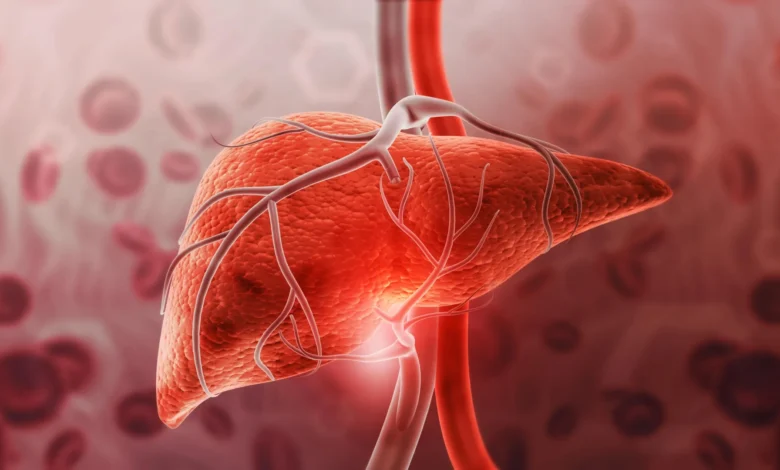
LSECs form the intricate lining of the microscopic blood vessels threading through the liver. Unlike standard endothelial cells that create tight, impermeable barriers throughout the human vascular network, LSECs are characterized by numerous microscopic pores, functioning much like a molecular sieve. These fenestrations are critical because they permit larger molecules circulating within the bloodstream to pass through and reach neighboring hepatocytes—the primary metabolic workhorses of the liver responsible for breaking down, processing, and clearing systemic waste products.
As biological aging progresses, these vital openings in the LSECs undergo a degenerative process, gradually shrinking in size or closing entirely. This structural degradation creates a biochemical bottleneck. Large molecules, including amyloid beta, are increasingly blocked from reaching the hepatocytes responsible for their clearance, causing these toxic compounds to accumulate and linger indefinitely in the circulatory system.
Recognizing this structural bottleneck, the USC researchers hypothesized that reversing this age-related cellular constriction might restore the liver’s natural clearing house. To test this theory, the team designed an in vivo experiment utilizing aged rats. The experimental cohort received daily doses of cinaciguat—a soluble guanylate cyclase activator historically investigated for cardiovascular applications—over a rigorous two-week timeline. Control groups comprised untreated older rats and baseline younger rats for comparative metrics.
At the conclusion of the two-week administration period, the physiological transformation was striking. High-resolution cellular analysis confirmed that cinaciguat had structurally rehabilitated the aging LSECs, effectively reopening their microscopic pores and re-establishing optimal permeability. Correlating directly with this structural rescue, biochemical assays revealed that circulating concentrations of amyloid beta had plummeted by approximately 50%, matching the baseline levels observed in the young control group. Conversely, untreated older cohorts showed no spontaneous reduction in these toxic protein aggregates, confirming the direct efficacy of the pharmacological intervention.
Unraveling the Biochemical Signaling Cascade
While the structural reopening of the LSEC fenestrations initially appeared to explain the clearance of large molecules like amyloid beta, the study yielded a secondary, entirely unexpected finding that forced researchers to look deeper into inter-cellular communication pathways.
The research team had included low-density lipoproteins (LDL)—commonly characterized as "bad" cholesterol—as a secondary comparison measure. Because LDL particles are physically smaller than the macro-molecules requiring LSEC sieve-pores to transit into hepatocytes, the scientists initially anticipated that cinaciguat would exert little to no influence on LDL concentrations. Instead, the post-treatment blood panels revealed that LDL levels in the treated older rats had also dropped precipitously, returning to youthful physiological baselines.
Faced with this anomalous data, the investigators realized that cinaciguat was triggering a more complex, systemic regulatory mechanism than mere mechanical filtration. Because prior literature established that hepatocytes operate with heightened efficiency when in dynamic communication with healthy LSECs, the team initiated a targeted investigation into the biochemical signaling dialogue passing between these two distinct cellular populations.
The resulting breakthrough mapped a previously unknown molecular communication axis within the hepatic microenvironment. The researchers discovered that cinaciguat successfully activates the enzyme soluble guanylate cyclase specifically within the LSECs. This activation prompts the endothelial cells to synthesize and release a crucial growth factor known as heparin-binding EGF-like growth factor (HB-EGF).
Once secreted, HB-EGF acts as an intercellular messenger, transmitting a biochemical signal across the microenvironment to neighboring hepatocytes. In response to this molecular prompt, the hepatocytes alter their cellular surfaces, significantly upregulating their capacity to capture and internalize both LDL and amyloid beta directly from the passing bloodstream. This newly mapped signaling pathway elucidated why cinaciguat successfully reduced two disparate disease-associated substances that do not rely on identical physical transport mechanisms: the drug was simultaneously repairing the physical filters and restarting the chemical communication network that directs hepatic metabolic clearance.
Overcoming the Blood-Brain Barrier Obstacle
The implications of this discovery are particularly profound when evaluated against the historical backdrop of Alzheimer’s disease therapeutics. For decades, the pharmaceutical industry has poured billions of dollars into developing neurotherapeutic agents designed to target pathology directly within the central nervous system. However, these brain-centric approaches have faced a staggering clinical failure rate estimated at approximately 98%.
A primary culprit behind this abysmal success rate is the blood-brain barrier (BBB). This highly selective, semi-permeable cellular border protects the central nervous system from circulating pathogens and toxins, but it simultaneously acts as an impenetrable fortress against therapeutic agents. Delivering complex drug molecules across the BBB in clinically effective concentrations remains one of the most formidable challenges in modern pharmacology.
The USC study proposes a radical paradigm shift: bypassing the blood-brain barrier entirely by outsourcing neuro-associated waste clearance to the peripheral circulation.
"If we’re right that the liver is impactful, what do we do about that?" remarked first author Sam de Leve, reflecting on the therapeutic potential of the findings. "Rather than trying to get a drug through the blood-brain barrier, which is obnoxiously difficult, we could direct drugs to the liver, an organ where there might be more therapeutic impact and certainly an easier job of drug delivery."
By targeting the liver—an organ explicitly designed for high-volume filtration, easily accessible via systemic circulation, and possessing robust drug-uptake mechanisms—pharmacologists could potentially develop an entirely new class of preventative interventions. Instead of engineering drugs to breach the brain, future therapies could focus on optimizing hepatic clearance systems to continuously scrub Alzheimer’s-associated proteins from the blood before they can interact deleteriously with cerebral tissues.
Broader Implications for Cardiology and Aging Research
Beyond neurodegeneration, the unexpected reduction in LDL cholesterol opens immediate avenues for cardiovascular medicine, specifically in the prevention and management of atherosclerosis. Atherosclerosis is a chronic inflammatory condition characterized by the accumulation of plaques—composed largely of cholesterol, fatty substances, and cellular waste—along the inner walls of arteries. Over time, these plaques harden and narrow the vascular lumen, drastically restricting blood flow and escalating the risk of myocardial infarctions and cerebrovascular accidents.
By demonstrating that a single pharmacological intervention can concurrently normalize biomarkers associated with both Alzheimer’s disease and cardiovascular decline, the USC study underscores the interconnected systemic nature of aging. Epidemiological data has long established a clear statistical correlation: advanced age is a primary shared risk factor for both neurodegenerative and atherosclerotic diseases, while chronic liver dysfunction frequently co-occurs with accelerated cognitive decline and vascular complications.
This research provides a mechanistic bridge linking hepatic senescence to multi-organ pathology. As liver function deteriorates, the systemic accumulation of circulating atherogenic lipids and neurotoxic proteins accelerates systemic inflammation and oxidative stress, thereby predisposing the brain and arterial tree to disease. Rejuvenating the liver effectively attacks these dual pathologies at their shared upstream source.
The Path Ahead: Translation, Challenges, and Future Directions
Despite the profound promise of these preclinical findings, the research team is careful to emphasize that the work remains in its early stages. All data gathered thus far has been successfully demonstrated exclusively in rodent models. Translating these biological observations into viable human therapies requires a cautious, methodical progression through rigorous clinical trials.
Furthermore, scientists note a critical distinction between lowering circulating biomarker levels and reversing established organ pathology. While cinaciguat successfully halved amyloid beta concentrations in the bloodstream of older rats, further longitudinal studies are required to determine whether sustained systemic clearance actually translates into a measurable reduction of amyloid plaques within the brain parenchyma, or whether it visibly halts the progression of cognitive impairment. Similarly, researchers must evaluate whether the observed drop in LDL translates into stabilized atherosclerotic plaques in human cardiovascular systems.
To accelerate this vital transition, the USC authors have adopted an open-science philosophy, actively encouraging the broader academic community to build upon their foundational discoveries. Given the vast scope of the implications—spanning hepatology, neurology, and cardiology—the research team recognizes that no single laboratory can pursue every possible avenue opened by the study.
"We hope that people who are in fields like atherosclerosis research read this, and want to grab the idea for themselves," Sam de Leve noted. "There are six different ways someone could go with this, and we can’t do them all. So please, scoop us. We’d love it."
As the scientific community digests these findings, the study—co-authored by Xiangdong Wang, Helia Alavifard, and Lily Dara of the Keck School of Medicine, and supported by substantial federal funding from the National Institutes of Health under grant numbers R56AG071480 and 5R01DK100580—stands as a testament to the power of cross-disciplinary inquiry. By looking away from the brain and toward the humble, hardworking liver, researchers may have unlocked a master switch for healthy aging, offering a renewed sense of optimism for millions burdened by the twin threats of cognitive and cardiovascular decline.