ProSomnus Receives FDA Clearance for RPMO2 OSA Device Integrating Continuous Physiological Monitoring with Oral Appliance Therapy

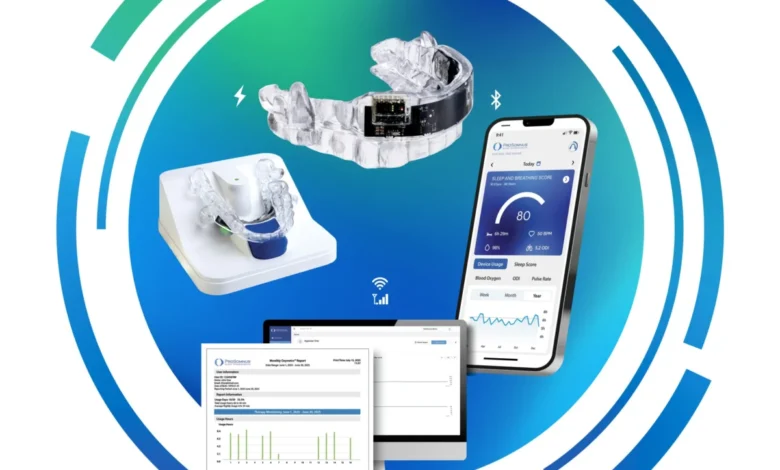
The United States Food and Drug Administration (FDA) has officially granted Class II 510(k) clearance for the RPMO2 OSA Device, a pioneering medical technology developed by ProSomnus Sleep Technologies. This regulatory milestone marks a transformative shift in the treatment of Obstructive Sleep Apnea (OSA), as the device represents the first integrated platform to combine precision oral appliance therapy (OAT) with continuous, multi-night physiologic monitoring. By embedding medical-grade oximetry sensors directly into a therapeutic oral appliance, the RPMO2 OSA Device addresses long-standing challenges in sleep medicine, including the limitations of single-night diagnostic snapshots and the historical inaccuracies of pulse oximetry in diverse patient populations.
The FDA’s 510(k) clearance (K252765) confirms that the RPMO2 OSA Device meets rigorous federal standards for safety and effectiveness in measuring arterial oxygen saturation (SpO2) and pulse rate. Unlike traditional pulse oximeters that rely on fingertip sensors, the ProSomnus device utilizes a miniaturized oximeter encapsulated within an overlay of the maxillary dentition. This sensor leverages the buccal mucosa—the tissue inside the cheek behind the upper lip—as a reflective medium to capture physiological data. This information is then transmitted via a dedicated smartphone application to a secure provider portal, allowing clinicians to review longitudinal data and make informed adjustments to a patient’s treatment plan.
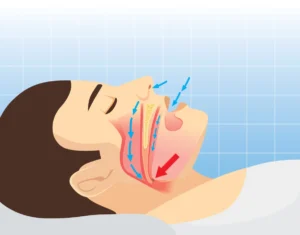
The development of the RPMO2 OSA Device comes at a critical juncture for sleep medicine. Obstructive Sleep Apnea is a chronic condition characterized by repeated interruptions in breathing during sleep, leading to intermittent hypoxia and fragmented rest. If left untreated, OSA is linked to severe systemic health issues, including hypertension, cardiovascular disease, stroke, and type 2 diabetes. While Continuous Positive Airway Pressure (CPAP) has long been the primary treatment modality, patient adherence remains a significant hurdle. Oral appliance therapy has emerged as a preferred alternative for many patients due to its comfort and portability; however, clinicians have historically lacked a reliable way to monitor the physiological efficacy of these devices on a nightly basis. The RPMO2 OSA Device fills this diagnostic gap, positioning sleep apnea care within the modern paradigm of chronic disease management, similar to how continuous glucose monitors have revolutionized diabetes care.
Scientific validation for the device was provided by a comprehensive clinical study conducted at the University of Calgary, recently published by Snow et al. in 2025. The study sought to evaluate the accuracy of the intraoral buccal mucosal oximeter against the "gold standard" of arterial oxyhemoglobin saturation measured via CO-oximetry. The research cohort included 12 healthy adults representing a broad spectrum of skin pigmentation to ensure the device’s efficacy across different demographics. Participants underwent six controlled hypoxic plateaus, with oxygen saturation levels ranging from 97% down to 72%.
The results of the validation study demonstrated exceptional clinical accuracy. Across the full range of 70% to 100% SaO2, the device recorded a Root Mean Square Error (Arms) of just 1.34% and a mean bias of -0.12%. These figures fall well within the stringent requirements set by the FDA for medical-grade oximeters. Furthermore, the device’s pulse rate measurement performance was equally robust, showing an Arms of 2.14 beats per minute (bpm) and a mean bias of 0.35 bpm across a range of 40 to 125 bpm.
One of the most significant findings of the Calgary study was the absence of systematic bias across different skin pigmentation groups. Traditional fingertip pulse oximeters have come under intense scrutiny in recent years due to evidence that they may overestimate oxygen saturation in individuals with darker skin. This discrepancy occurs because melanin in the epidermis can interfere with the light signals used by conventional sensors. Because the buccal mucosa contains significantly less melanin than the skin, the RPMO2 OSA Device bypasses this physiological barrier, offering a more equitable diagnostic tool that reduces racial disparities in sleep apnea care.
The intraoral design of the RPMO2 also addresses several mechanical and behavioral limitations of conventional oximetry. Fingertip sensors are often prone to displacement during sleep, leading to "data dropouts" or false alarms. They can also be affected by poor peripheral circulation (low perfusion) or the presence of nail polish. By moving the sensor to the stable environment of the oral cavity, ProSomnus has created a device that is less susceptible to motion artifacts and environmental interference, ensuring a more consistent stream of high-quality data.
The implications for clinical practice are profound. Dr. Erin Mosca, Director of Scientific and Medical Affairs at ProSomnus, noted that the device simplifies the titration process—the method by which a dentist adjusts the position of the jaw to maximize airway patency. Historically, titration has relied heavily on subjective patient feedback regarding snoring or daytime sleepiness. With the RPMO2, clinicians now have access to objective, longitudinal SpO2 data to guide these adjustments. This data-driven approach allows for a faster and more precise path to an effective therapeutic setting.
The leadership team at ProSomnus emphasized the years of engineering and human-centric design required to bring this device to market. CEO Len Liptak described the FDA clearance as a "significant milestone," while Chief Technology Officer Sung Kim highlighted the challenge of creating a miniature oximeter capable of maintaining high accuracy within the unique environment of the mouth. The resulting device provides dental and medical providers with a powerful new tool to track how patients respond to therapy night after night, rather than relying on a single-night "snapshot" from a sleep lab or home sleep test.
Medical professionals across the sleep medicine spectrum have reacted positively to the clearance. Dr. Adrian Williams, a prominent physician in the field, remarked that the ability to continuously monitor treatment without additional diagnostic tools has "self-evident" implications for managing the large global population of OSA patients. Dr. Edward Sall, Medical Director for ProSomnus, added that the device allows for the mitigation of single-night testing limitations, which can often fail to capture the night-to-night variability inherent in sleep disorders.
Furthermore, the RPMO2 OSA Device addresses the critical issue of hypoxic burden. Dr. Amir Sharafkhaneh pointed out that intermittent hypoxia is the underlying cause of many OSA-related comorbidities. By providing a pathophysiologically derived measure of efficacy alongside a measure of adherence, the RPMO2 provides a holistic view of disease control. This dual-monitoring capability—knowing both that the patient is wearing the device and that the device is successfully preventing oxygen desaturation—is a first for the oral appliance industry.
From a provider’s perspective, the integration of real-world data enhances the relationship between the dentist, the sleep physician, and the patient. Dr. Stacey Layman, a specialist in dental sleep medicine, explained that tracking trends over time allows for the identification of issues earlier and reduces the need for unnecessary repeat testing. This sentiment was echoed by Dr. Michael J. Murray, who noted that physician colleagues are often impressed by the rigor of the validation and the quality of the data, which fosters greater confidence in referring patients for oral appliance therapy.
The commercial and clinical rollout of the RPMO2 OSA Device is expected to influence the broader medical device market by setting a new standard for "smart" therapeutics. As healthcare moves toward value-based care models, the ability to prove treatment efficacy through objective data becomes increasingly important for reimbursement and patient outcomes. ProSomnus has positioned itself at the forefront of this movement, transitioning the oral appliance from a passive mechanical tool to an active, intelligent medical device.
In summary, the FDA clearance of the ProSomnus RPMO2 OSA Device represents a convergence of precision engineering, clinical validation, and a commitment to health equity. By utilizing the buccal mucosa for oximetry, the device provides accurate, melanin-independent physiological data that empowers clinicians to optimize sleep apnea treatment. As the medical community continues to seek more effective and patient-friendly ways to manage chronic sleep disorders, the introduction of multi-night, integrated monitoring marks a pivotal step forward in improving the long-term health and quality of life for millions of individuals living with Obstructive Sleep Apnea.