Matcha Gains Use as Coffee Alternative; Dietitians Say Quality and Preparation Matter

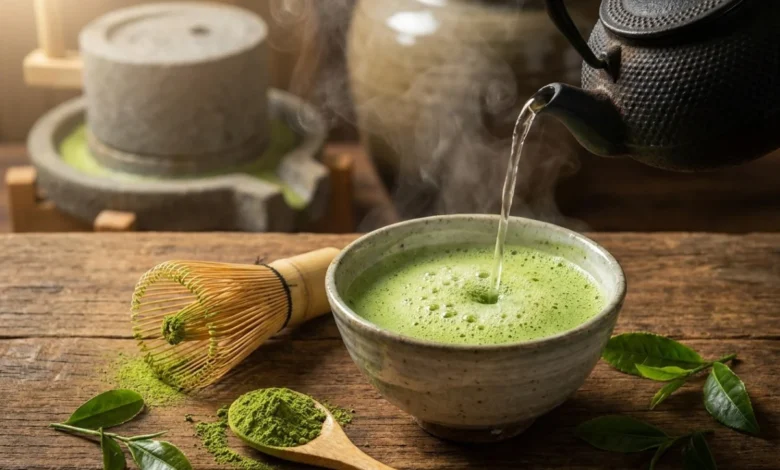
As consumers increasingly seek functional alternatives to traditional coffee, the ancient Japanese tradition of matcha has transitioned from a niche cultural practice to a mainstream wellness staple. Matcha, which consists of finely milled, shade-grown green tea leaves whisked into a suspension, is gaining significant traction in the global beverage market. Unlike traditional steeped green tea, where leaves are infused and then discarded, matcha involves the consumption of the entire leaf, providing a more concentrated dose of nutrients, including the potent antioxidant epigallocatechin gallate (EGCG) and the amino acid L-theanine. However, as the market expands, experts warn that the health benefits and flavor profile of the drink are heavily dependent on sourcing, processing, and preparation techniques.
A Historical and Cultural Foundation
The integration of matcha into contemporary Western diets is the latest chapter in a history spanning over eight centuries. The consumption of powdered tea was introduced to Japan in 1191 by the Buddhist monk Eisai, who returned from China with tea seeds and a practice that would eventually become synonymous with Zen Buddhism. For centuries, the preparation of matcha was an elite, highly structured ritual intended to foster mindfulness, gratitude, and social harmony.
Japanese tea ritual master Yoshitsugu Nagano notes that the traditional tea ceremony serves as a "training ground for real social interaction." While modern consumers may not be familiar with the complex etiquette of the Chanoyu (tea ceremony), the practice remains rooted in a philosophy of intentionality. Nagano emphasizes that while technical proficiency is a secondary concern, the core of the experience lies in the appreciation of the drink and the gratitude for the labor that produced it. This historical context underscores why matcha is viewed not merely as a caffeine delivery system, but as a holistic ritual that stands in stark contrast to the often rushed consumption patterns associated with commercial coffee culture.
The Science of the "Matcha Boost"
The physiological effects of matcha are distinct from those of coffee, largely due to the unique interplay between caffeine and L-theanine. While coffee provides a rapid spike in alertness followed by a potential "crash," matcha offers a more modulated energy experience.
Caffeine functions by blocking adenosine receptors in the brain, the chemical responsible for signaling sleepiness. However, the presence of L-theanine in matcha—a non-protein amino acid—is believed to influence brain chemistry by promoting the production of alpha brain waves, which are associated with a state of "relaxed alertness." Research published in 2025 suggests that the synergistic effect of these two compounds may enhance performance in attention-based tasks and mood regulation more effectively than caffeine alone.
Furthermore, the nutritional profile of matcha is significantly denser than that of steeped tea. Because the entire leaf is ingested, drinkers receive a full spectrum of polyphenols, most notably EGCG. Registered dietitian Asako Miyashita highlights that the bioavailability of these compounds is maximized when the tea is consumed as a whole-leaf suspension, providing a significantly higher antioxidant load than the diluted liquid produced by traditional steeping methods.
Navigating the Marketplace: Quality and Sourcing
As global demand for matcha has surged, the lack of standardized terminology has created a minefield for consumers. Terms such as "ceremonial grade" are not regulated by any official governing body, meaning they are frequently used as marketing tools rather than indicators of genuine quality. This lack of oversight has led to a proliferation of inferior products, often characterized by a dull, olive-green hue and a bitter, astringent flavor profile.
High-quality matcha is the result of a rigorous production cycle. Leaves are shaded for several weeks before harvest to boost chlorophyll production, then steamed to prevent oxidation, dried, and stripped of all stems and veins before being stone-ground. Traditional granite-stone mills are capable of producing only about 40 grams of fine powder per hour. This labor-intensive process is a primary driver of the high cost associated with premium matcha.
Miyashita advises consumers to look past labels and evaluate the product through sensory cues. "A dull green color is often an indicator of oxidation and declining freshness," she explains. Fresh, high-quality matcha should possess a vibrant, almost neon green color and a distinctly grassy or marine scent. Furthermore, because tea plants can absorb minerals from the soil, including heavy metals, experts recommend that consumers prioritize brands that provide third-party testing data regarding contaminants and pesticide residues.
Managing Caffeine Intake
Despite its health-conscious image, matcha is a potent source of caffeine, and its consumption should be monitored, particularly by those with pre-existing health conditions. According to a 2020 review, the caffeine content in matcha ranges from 19 to 44 milligrams per gram. A standard serving using two grams of powder thus contains between 38 and 89 milligrams of caffeine—a range comparable to a standard cup of brewed coffee.
The consensus among health professionals is that most healthy adults can safely consume up to 400 milligrams of caffeine daily. However, individual tolerance varies widely. For pregnant individuals, the recommended limit is halved to 200 milligrams. Miyashita recommends a cautious approach for those transitioning from coffee to matcha, suggesting an initial serving of a quarter to a half teaspoon to gauge sensitivity. Those with anxiety, cardiovascular conditions, or who are currently taking medication should consult with a healthcare provider before making matcha a daily habit, as the metabolic processing of caffeine can interfere with various medical treatments.
Best Practices for Preparation
The flavor and nutritional integrity of matcha are highly sensitive to preparation methods. The most common error, according to Miyashita, is the use of boiling water. Water temperatures exceeding 170°F (77°C) can cause the catechins in the tea to degrade and significantly increase the bitterness of the drink.
Preparation varies based on the desired consistency:
- Usucha (Thin Tea): The most common method, involving two grams of matcha whisked with approximately two ounces of hot water. This creates a light, frothy consistency.
- Koicha (Thick Tea): A traditional preparation using four grams of matcha with only one ounce of water, resulting in a syrup-like, intense tea.
- Matcha Latte: To ensure a smooth texture, the powder must be sifted to remove clumps and whisked into a small amount of warm water to form a smooth paste before milk—dairy or plant-based—is added. Adding milk directly to the powder often results in a grainy, unpalatable texture.
Regardless of the method, proper storage is essential to maintain freshness. Matcha is highly susceptible to degradation when exposed to light, heat, moisture, and oxygen. Once opened, the powder should be stored in an airtight, opaque container and kept in a cool, dark environment.
Implications for the Future
The shift toward matcha represents a broader trend in the beverage industry: the prioritization of functional, nutrient-dense ingredients over mere stimulants. As the market matures, the demand for transparency in the supply chain will likely increase. Consumers are becoming more sophisticated, moving away from generic, mass-market powders and toward single-origin, shade-grown varieties that offer a more complex flavor and superior nutritional value.
While the rise of matcha as a coffee alternative provides a healthier, more nuanced option for many, it also serves as a reminder of the importance of consumer education. The benefits of matcha are not guaranteed; they are contingent upon the quality of the product and the care taken during preparation. As the industry continues to evolve, the distinction between high-quality, artisan-produced matcha and mass-produced substitutes will remain the primary factor determining the long-term viability and health impact of this ancient beverage in the modern world. Through mindful selection and proper technique, matcha offers a sustainable, intentional alternative that bridges the gap between ancient tradition and modern wellness needs.
Related posts: