The Best Protein Powders for Weight Loss, According to a Certified Nutrition Coach

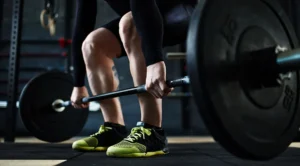
When individuals embark on a journey to lose weight, their primary biological objective is almost universally the reduction of excess adipose tissue, commonly known as body fat. However, without a meticulously structured nutritional and physical regimen, the creation of a daily caloric deficit frequently triggers the catabolic breakdown of both fat stores and vital skeletal muscle tissue. To mitigate this unintended muscle wasting, sports science literature emphasizes a triad of foundational requirements: progressive resistance training, consistent high-quality sleep, and a dietary matrix rich in protein.
Protein functions as a cornerstone in modern weight management protocols, exerting direct influence over homeostatic hunger signaling, resting metabolic rate, and the structural preservation of lean muscle tissue. While heavy resistance training provides the mechanical stimulus that signals the body to retain existing muscle architecture, an elevated protein intake guarantees a continuous, bioavailable supply of amino acids in the bloodstream. This physiological abundance prevents the body from catabolizing its own musculature to meet energy demands during periods of energy restriction.
In response to the growing demand for convenient dietary solutions, fitness and nutrition experts continually evaluate commercial supplements to identify products that optimize macronutrient efficiency. After rigorous laboratory evaluations, nutritional analyses, and taste-testing trials involving more than 100 commercial protein supplements, industry experts have curated a definitive list of the top protein powders formulated to support fat loss goals while maintaining lean body mass.
The Physiological Mechanisms of Protein in Weight Management
The role of dietary protein in fat reduction extends far beyond simple muscle protection. Nutritional science recognizes that protein possesses a significantly higher thermic effect of food (TEF) compared to carbohydrates and dietary fats. This means the human body expends a larger percentage of total calories—approximately 20 to 30 percent—merely digesting, absorbing, and processing protein molecules, as opposed to only 5 to 15 percent for carbohydrates and 0 to 3 percent for fats.
Furthermore, protein ingestion stimulates the secretion of satiety hormones, including peptide YY (PYY) and glucagon-like peptide-1 (GLP-1), while simultaneously suppressing ghrelin, the primary hormone responsible for stimulating appetite. By stabilizing blood glucose levels and blunting postprandial glycemic spikes, high-protein formulations help prevent the erratic hunger pangs that frequently derail caloric restriction efforts.
When integrated into a shake or smoothie, protein powders offer an exceptionally streamlined method for achieving daily macronutrient targets without overloading the body with surplus carbohydrates and lipids. High-quality protein isolates, in particular, maximize the protein-to-calorie ratio, ensuring that individuals consuming a strict caloric deficit do not waste valuable caloric allotments on unnecessary macronutrients.
Rigorous Testing Protocols and Selection Criteria
To determine the most effective protein powders for weight reduction, testing panels establish strict evaluation metrics. Products are not merely judged on flavor profile; instead, they undergo comprehensive scrutiny based on nutritional density, ingredient transparency, and manufacturing standards.
The primary evaluation criteria include:
- Protein-to-Calorie Efficiency: Assessing the concentration of pure protein relative to total caloric content per serving.
- Macronutrient Profile: Prioritizing formulations with minimal residual carbohydrates, sugars, and fats.
- Ingredient Purity and Safety: Favoring products free from unnecessary fillers, artificial additives, and undisclosed proprietary blends.
- Third-Party Testing: Emphasizing supplements verified by independent laboratories for heavy metals, microbial contaminants, and label accuracy.
- Mixability and Palatability: Evaluating how well the powder dissolves in both water and milk, alongside subjective taste profiles across various flavor variations.
Top Product Selections for 2025
Transparent Labs 100% Grass-Fed Whey: Best Overall Protein Powder for Weight Loss
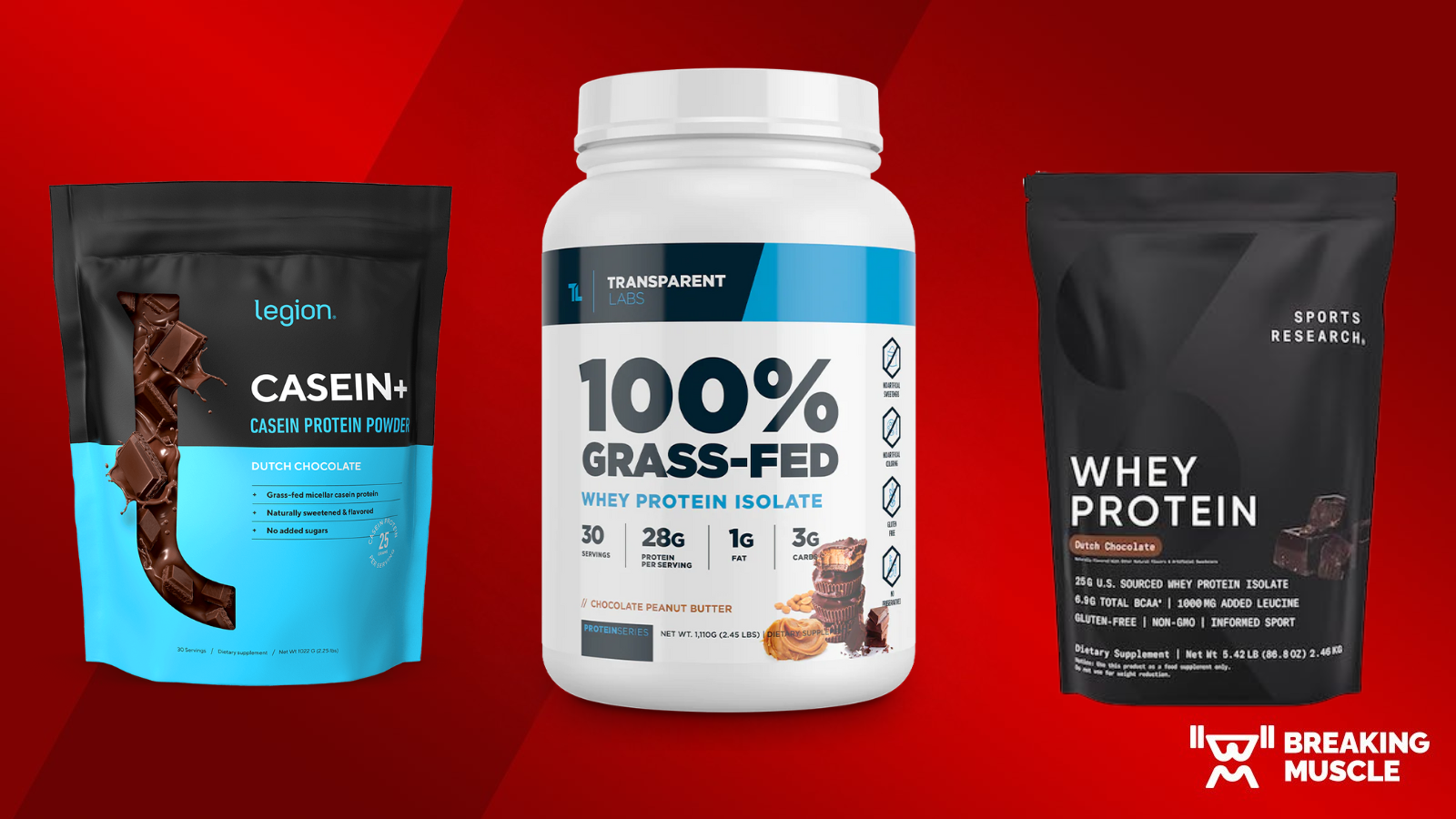
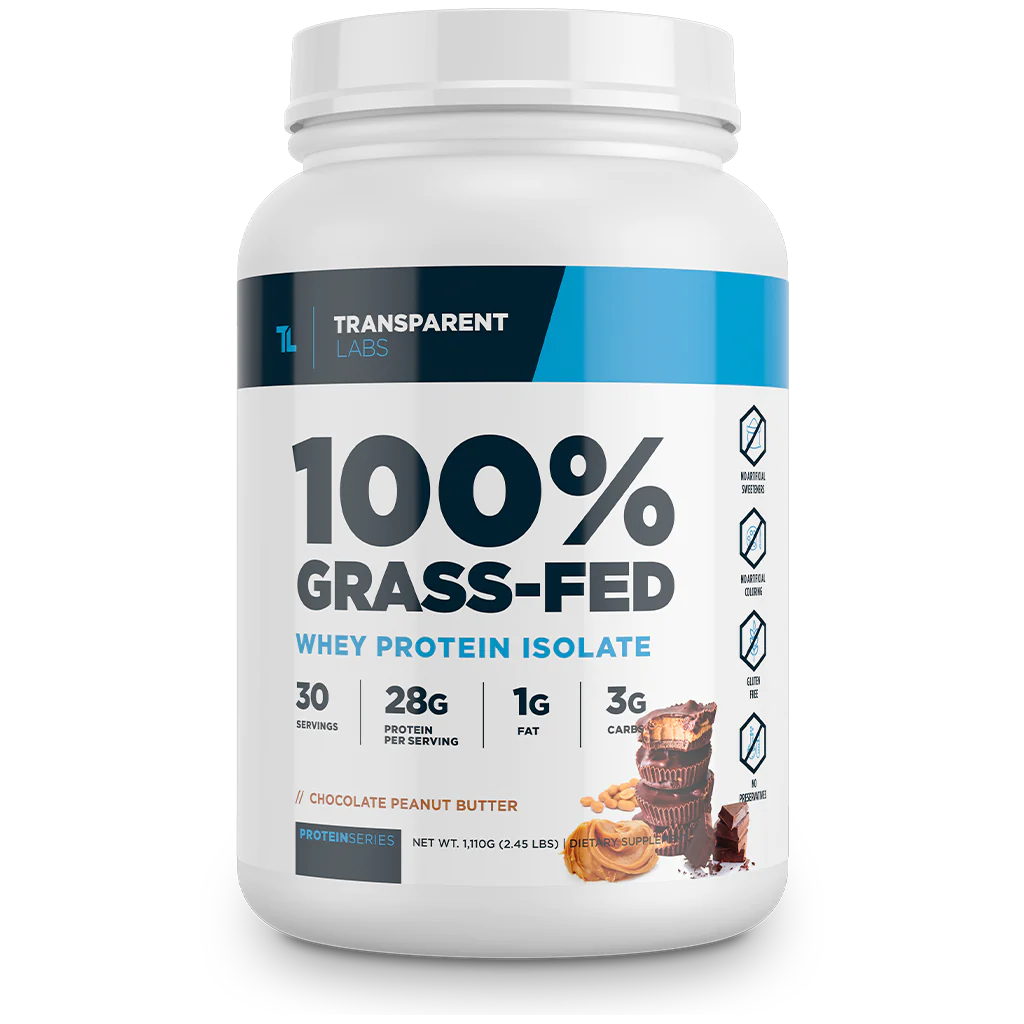
Standing out as the preeminent choice for overall weight management, Transparent Labs 100% Grass-Fed Whey delivers an exceptional ratio of 28 grams of protein to just 130 calories per serving. Sourced from pasture-raised dairy cattle, this whey protein isolate undergoes advanced filtration to remove virtually all fats and lactose. The product is Informed Choice certified, completely devoid of artificial sweeteners, food dyes, and chemical preservatives, and is available in roughly 15 distinct flavors. Testers frequently cite Chocolate Peanut Butter and Mocha as standout options that mix effortlessly in standard shaker bottles while effectively curbing sweet cravings during caloric deficits.
Jacked Factory Authentic ISO: Best Affordable Protein Powder for Weight Loss
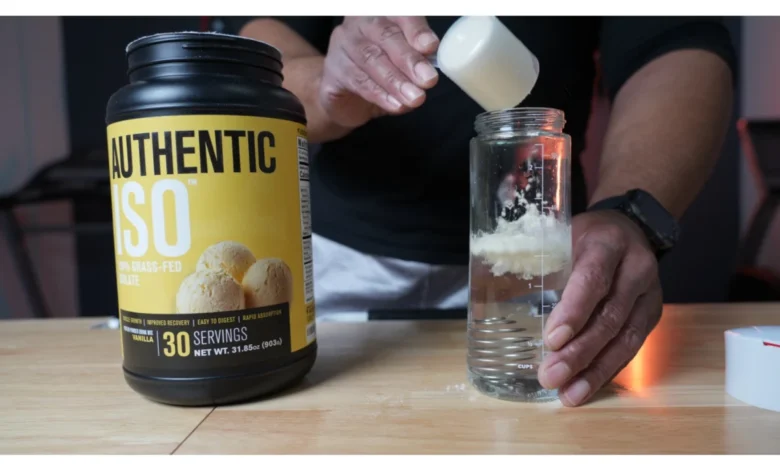
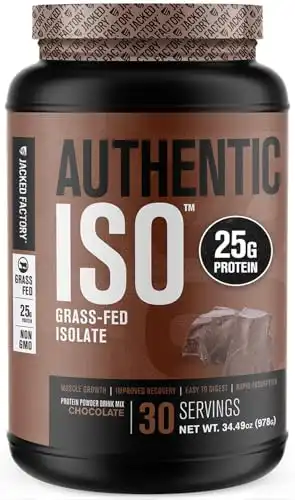
For budget-conscious consumers seeking high-grade isolation technology, Jacked Factory Authentic Iso offers an economical pathway to meeting daily protein targets. Retailing at an accessible price point per serving for flavors like Cookies & Cream and Peanut Butter, this formulation yields 25 grams of protein, a mere 2 grams of carbohydrates, and an ultra-low 0.5 grams of fat per serving. While highly praised for its dessert-like flavor profile and complete lack of residual clumping, consumers should note that it relies on sucralose for sweetening and lacks independent third-party sport certification.
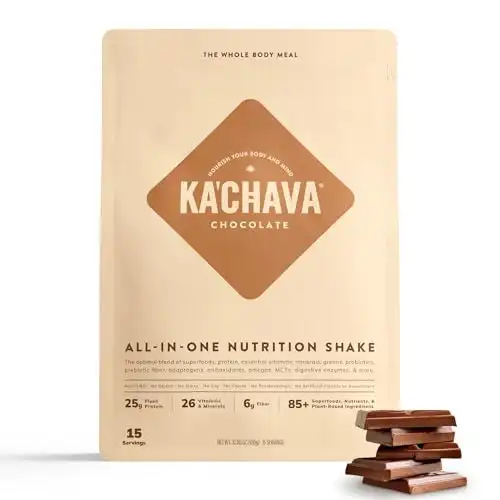
Ka’Chava: Best Plant-Based Protein Powder for Weight Loss
Positioned as a comprehensive, whole-body meal replacement rather than a supplemental shake, Ka’Chava caters to individuals following plant-based lifestyles. Derived from an intricate blend of yellow pea, organic brown rice, and ancient grains, a standard serving provides 25 grams of plant protein alongside adaptogens, probiotics, greens, and digestive enzymes. Because it functions as a complete meal replacement, its caloric (240), carbohydrate (25g), and fat (7g) counts are substantially higher than standard whey isolates. While testers praise its rich texture and overall wellness benefits, its premium price point requires a notable financial investment.
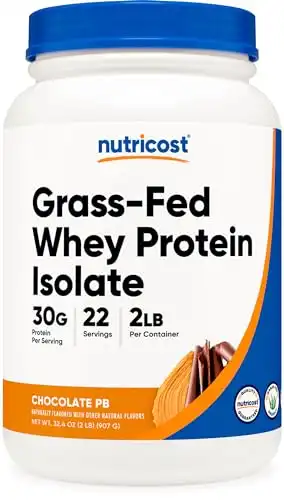
Nutricost Grass-Fed Whey Protein Isolate: Best Protein Powder on Amazon
Securing the top spot for online retail availability, Nutricost Grass-Fed Whey Protein Isolate provides an optimal macronutrient breakdown for individuals prioritizing efficient fat loss. Featuring a high protein yield per serving with negligible fat and carbohydrate contents, it allows users to maximize amino acid intake within strict energetic boundaries. While it utilizes artificial sweeteners to achieve its flavor profile—making it less ideal for consumers seeking strictly all-natural ingredient lists—its seamless mixability and authentic taste profiles make it a reliable staple for Amazon shoppers.
Huel Black Edition: Best Meal Replacement Protein Powder for Weight Loss
Engineered specifically for individuals seeking sustained satiety through complete nutritional replacement, Huel Black Edition delivers an impressive 40 grams of protein alongside 24 grams of complex carbohydrates per serving. Utilizing real cocoa powder in its chocolate iteration rather than synthetic flavorings, it provides an authentic taste while supporting higher daily caloric requirements for active individuals. Clinical nutrition guidelines indicate that carbohydrate intakes between 100 and 150 grams daily remain fully compatible with steady weight loss, provided overall energy balance remains negative.
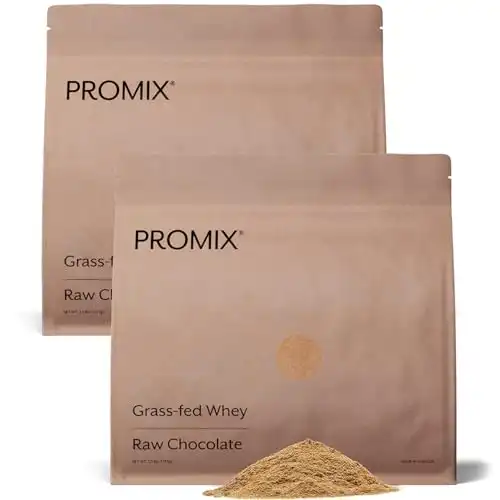
Promix Grass-Fed Whey: Best Clean Protein Powder for Weight Loss
Promix earns recognition for its minimalist ingredient philosophy, utilizing as few as four total ingredients in its flavored formulations. Third-party testing results for heavy metals and gluten verification are publicly accessible on the manufacturer’s website, ensuring total supply chain transparency. With a robust 25-gram protein to 7-gram carbohydrate ratio, it supports fat loss mechanics effectively, though consumers with competitive athletic obligations should note that it lacks NSF Certified for Sport or Informed Sport credentials.
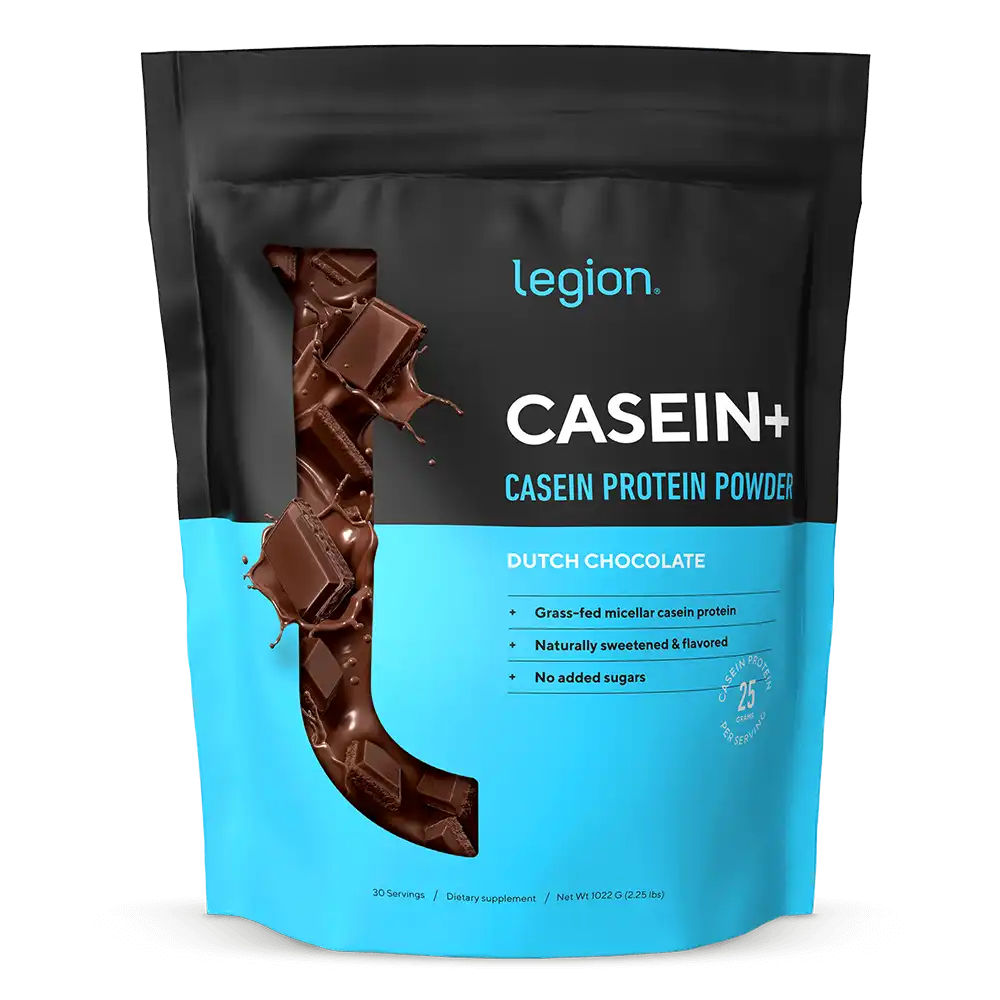
Legion Athletics Casein+: Best Casein Protein Powder for Weight Loss
Unlike rapidly absorbed whey proteins, Legion Athletics Casein+ utilizes milk-derived casein protein, which forms a gel-like consistency in the stomach, leading to extended gastric emptying and a prolonged release of amino acids into the bloodstream over several hours. Providing 25 grams of protein and only 110 calories per serving, this all-natural, Labdoor-tested powder is uniquely suited for evening consumption or extended periods between meals, safeguarding lean muscle mass against catabolic breakdown during sleep.
Naked Grass-Fed Whey: Best Unflavored Protein Powder for Weight Loss
Emphasizing absolute purity, Naked Nutrition offers a single-ingredient, unflavored whey protein concentrate sourced exclusively from grass-fed dairy cattle. Free from artificial sweeteners, colors, and chemical additives, its neutral profile allows for seamless integration into diverse culinary recipes and smoothies. For consumers preferring sweetness, the brand offers flavored alternatives sweetened exclusively with unrefined coconut sugar rather than high-intensity artificial sweeteners.
Sports Research Whey Protein: Best Protein Powder for Weight Loss and Muscle Gain
Balancing muscle hypertrophy objectives with fat loss constraints, Sports Research Whey Protein provides 25 grams of protein, 140 calories, and 2 grams of carbohydrates per serving, supplemented by vitamin D to support overall musculoskeletal health. Informed Sport Certified and competitively priced, it delivers an ice-cream-like consistency when blended with milk, though testers note that liquid choice significantly influences flavor concentration.
Strategic Guidelines for Consumer Selection
Navigating the crowded supplement market requires a disciplined approach focused on individual physiological needs, budgetary constraints, and long-term dietary adherence. Nutrition professionals advise consumers to evaluate ingredient panels meticulously, ensuring that products chosen align with personal tolerances regarding artificial sweeteners, dairy derivatives, and plant-based allergens.
Furthermore, the integration of third-party testing remains a critical safety parameter. Certifications from organizations such as NSF International, Informed Choice, and Labdoor offer consumers empirical verification that product contents match label claims and remain free from dangerous heavy metal contaminants or banned substances.
Ultimately, protein powders should be viewed as dietary tools rather than mandatory elixirs. While they provide exceptional convenience and macronutrient precision, sustainable weight loss remains fundamentally anchored in consistent caloric deficits, structured resistance training, adequate restorative sleep, and wholesome nutritional habits. Consumers are consistently advised to consult with qualified healthcare providers or registered dietitians prior to initiating any new dietary supplement or rigorous physical fitness regimen.