Navigating the Olive Oil Aisle: A Consumer’s Guide to Quality and Value

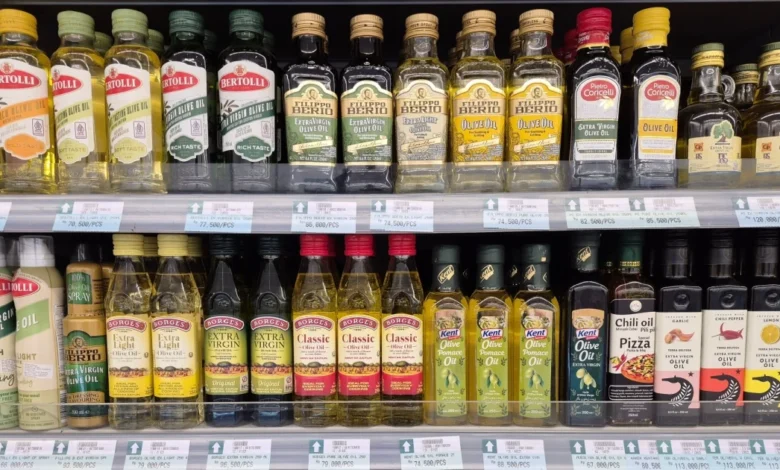
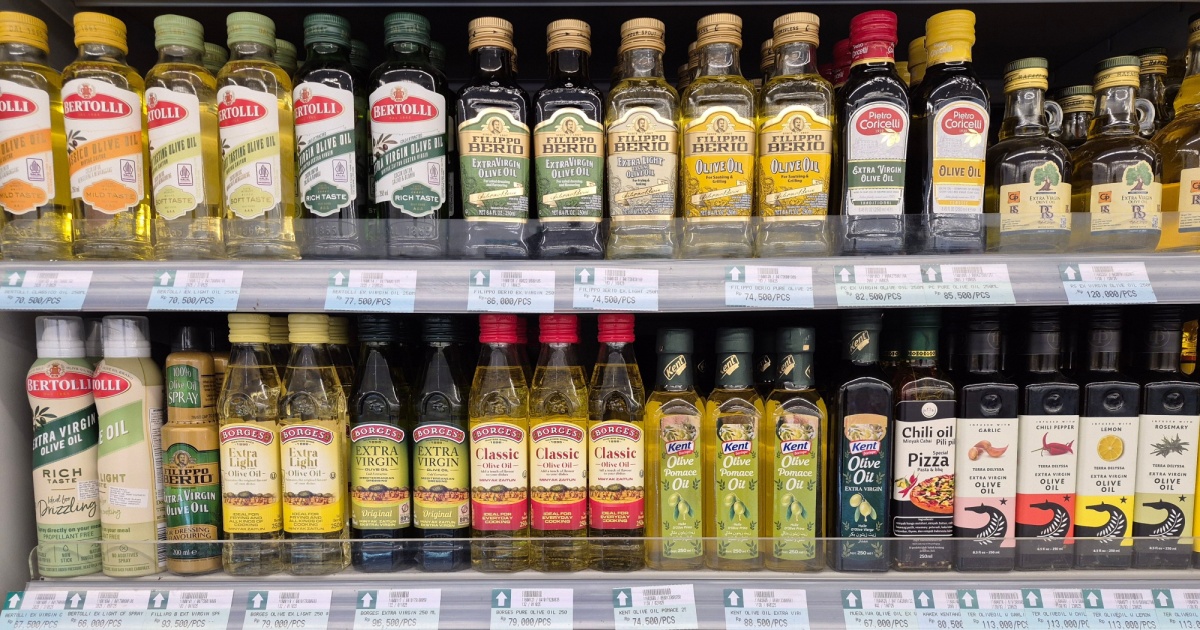
The grocery store aisle dedicated to olive oil can be an overwhelming landscape. A dizzying array of bottles, ranging from rustic to sleekly modern, promises a spectrum of flavors and price points. For the discerning shopper aiming for both taste and health without overspending on marketing hype, the selection process can feel like a gamble. Many consumers, like the author of the original piece, have experienced the disappointment of purchasing expensive, yet ultimately lackluster, olive oils that ranged from flavorless to unpleasantly off-putting, all in an effort not to waste a costly purchase. This common frustration highlights a pervasive issue: the prevalence of mediocre olive oil, often masked by appealing labels and misleading marketing.
However, beneath the surface of generic "light" or "pure" blends lie genuine gems. Through extensive personal experience and a growing understanding of olive oil production, a clearer picture emerges of what constitutes truly exceptional extra virgin olive oil (EVOO). This guide aims to demystify the process and identify brands that consistently deliver quality, making informed choices easier for the average consumer.
From Grove to Grocery: The Art and Science of Olive Oil Production
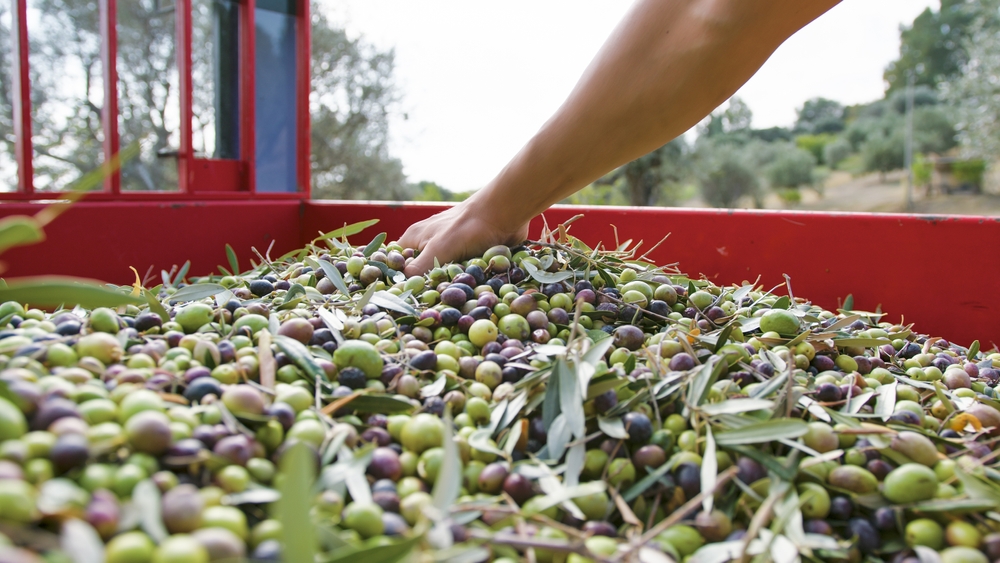
The journey of olive oil from tree to table is deceptively simple in its core process: olives are crushed into a paste, and the oil is then separated from the solid pulp and water. However, the nuances of how and when these steps are executed profoundly impact the final product’s quality, flavor, and health benefits.
The Harvest: A Foundation of Flavor
The quality of olive oil begins with the olives themselves. The timing of the harvest plays a crucial role in determining the oil’s characteristics. Young, green olives, harvested earlier in the season, yield an oil that is typically more pungent, peppery, and robust. As olives ripen and turn black, they produce oil that is generally milder, with a buttery and mellow profile. Historically, olives were crushed using massive stone wheels, a labor-intensive but effective method. Today, modern olive oil production largely relies on sophisticated machinery, including stainless steel rollers for crushing and high-speed centrifuges for separation.
The "Extra Virgin" Standard: Defining Excellence
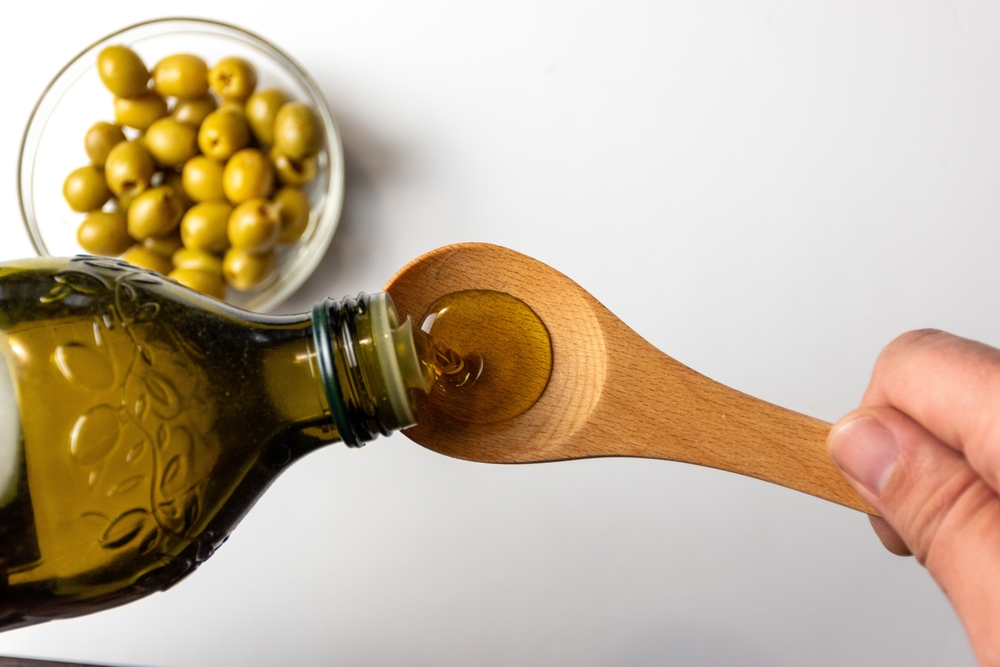
Extra Virgin Olive Oil (EVOO) represents the highest grade of olive oil and is considered the gold standard by connoisseurs and health professionals alike. To earn this prestigious label, olive oil must adhere to stringent criteria:
- Mechanical Extraction: The oil must be extracted solely through mechanical means. This prohibits the use of high heat or chemical solvents, which can degrade the oil’s delicate compounds and nutritional value.
- Low Acidity: EVOO must pass a chemical test, demonstrating a low level of free fatty acids. This indicates the oil has been produced from healthy olives and processed carefully. Typically, the acidity level for EVOO must be below 0.8%.
- Sensory Evaluation: Beyond chemical analysis, EVOO must undergo a sensory evaluation. This involves trained tasters assessing the oil for defects. Oils exhibiting off-flavors such as mustiness, rancidity, or a fermented taste are disqualified from being labeled as extra virgin.
These standards ensure that consumers receive an oil that is not only flavorful but also rich in beneficial antioxidants and healthy monounsaturated fats.
What Separates the Good from the Bad? Key Indicators of Quality
Identifying superior olive oil amidst the market’s vast offerings requires an understanding of several key indicators. These characteristics, observable on the bottle and through a bit of detective work, can significantly increase the likelihood of purchasing a high-quality product:
- Freshness is Paramount: Unlike wine, olive oil does not improve with age. In fact, its quality begins to decline the moment it is pressed. Look for a "packaged-on" date or a harvest date on the bottle. While an expiration date can be a guideline, a packaged-on date provides a more direct measure of freshness. It is advisable to avoid bottles that are nearing their expiration date or have a very distant harvest/packaging date. Olive oil is best consumed within 18-24 months of its harvest.
- Protective Packaging: Light and heat are the primary enemies of olive oil, accelerating its degradation. High-quality olive oil producers understand this and invariably use dark glass bottles (often green or brown) or opaque tins to shield the oil from light exposure. If an olive oil is presented in a clear bottle, particularly under harsh fluorescent grocery store lighting, it is a strong indicator that the product may not be of the highest quality or is being compromised.
- Origin Transparency: While regional prestige can play a role, the mere mention of a country of origin, such as "Product of Italy," can be misleading. This often signifies only that the oil was bottled in that country, potentially using a blend of olives from various Mediterranean regions. Reputable producers will go further, specifying the exact region, estate, or even grove where the olives were grown. This level of detail signifies a commitment to traceability and quality control. For instance, a label stating "Tuscany, Italy" or "California’s Central Valley" offers more assurance than a generic "Product of Europe."
Recognizing these indicators empowers consumers to make more informed decisions, moving beyond superficial marketing to identify oils that genuinely offer superior flavor and health benefits.
Top Olive Oil Brands Available in American Grocery Stores
Navigating the American grocery store landscape for exceptional olive oil can be a rewarding experience when armed with knowledge. While personal preference plays a role, several brands consistently stand out for their commitment to quality, transparency, and flavor.
-
California Olive Ranch (100% California)
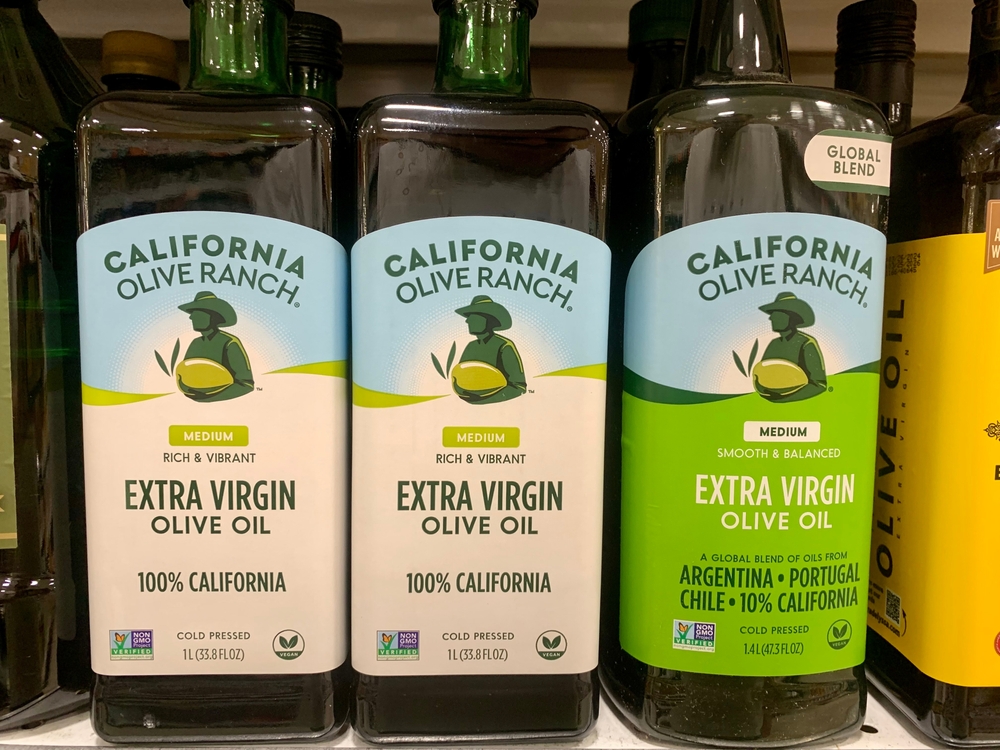
California Olive Ranch has emerged as a benchmark for high-quality, domestically produced extra virgin olive oil. Their commitment to controlling the entire production process, from cultivation in California’s Central Valley to bottling, ensures a consistent and superior product.
- Why It Excels: This olive oil is celebrated for its remarkable consistency. Consumers can rely on a bright, grassy flavor profile accompanied by a distinctive peppery finish at the back of the throat. This peppery sensation is a direct indicator of polyphenols, potent antioxidants beneficial for health. The oil’s versatility makes it suitable for a wide range of culinary applications, from roasting vegetables to finishing soups and stews. Its approachable yet complex flavor profile has made it a favorite for many.
-
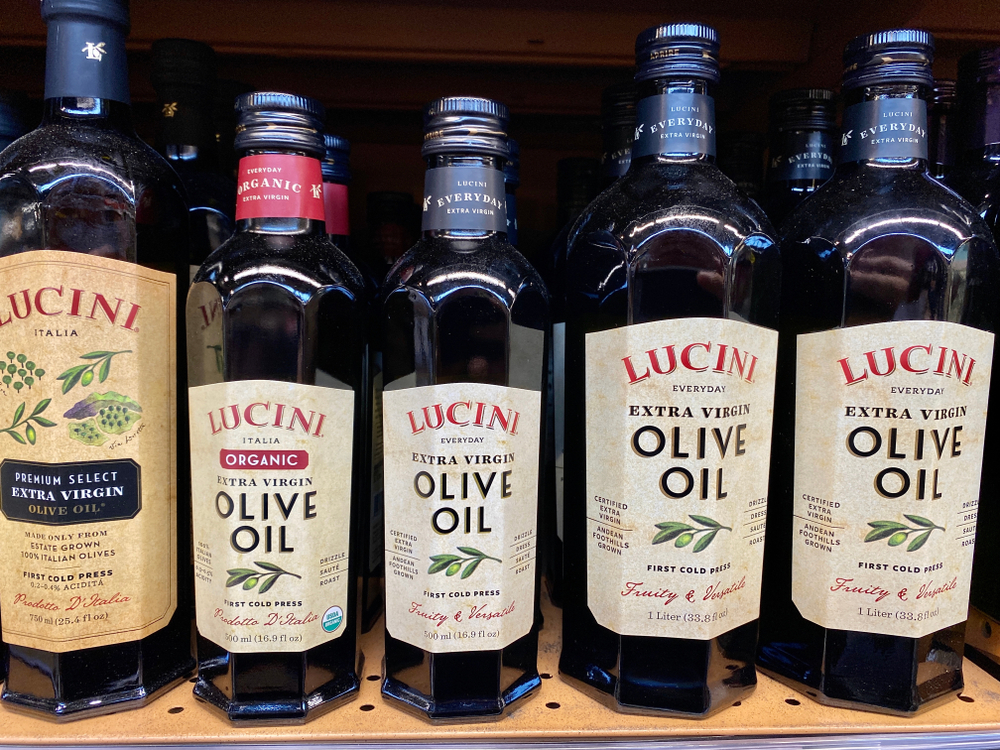
Lucini Italia (Everyday Extra Virgin)
While often carrying a slightly higher price tag than budget options, Lucini’s "Everyday" Extra Virgin olive oil is a testament to its value. This brand offers a classic Italian profile that appeals to a broad palate.
- Why It Excels: Lucini’s EVOO is characterized by its mellow, nutty, and slightly buttery notes. It avoids the intense, sometimes overwhelming pungency found in some artisanal oils, making it an excellent choice for those who find certain EVOOs too bitter or aggressive. Its smooth, rich texture provides a superb base for homemade vinaigrettes, allowing other ingredients like balsamic vinegar or lemon juice to shine without being overshadowed. While perhaps not the first choice for simple bread dipping, it is an indispensable workhorse for everyday cooking.
-
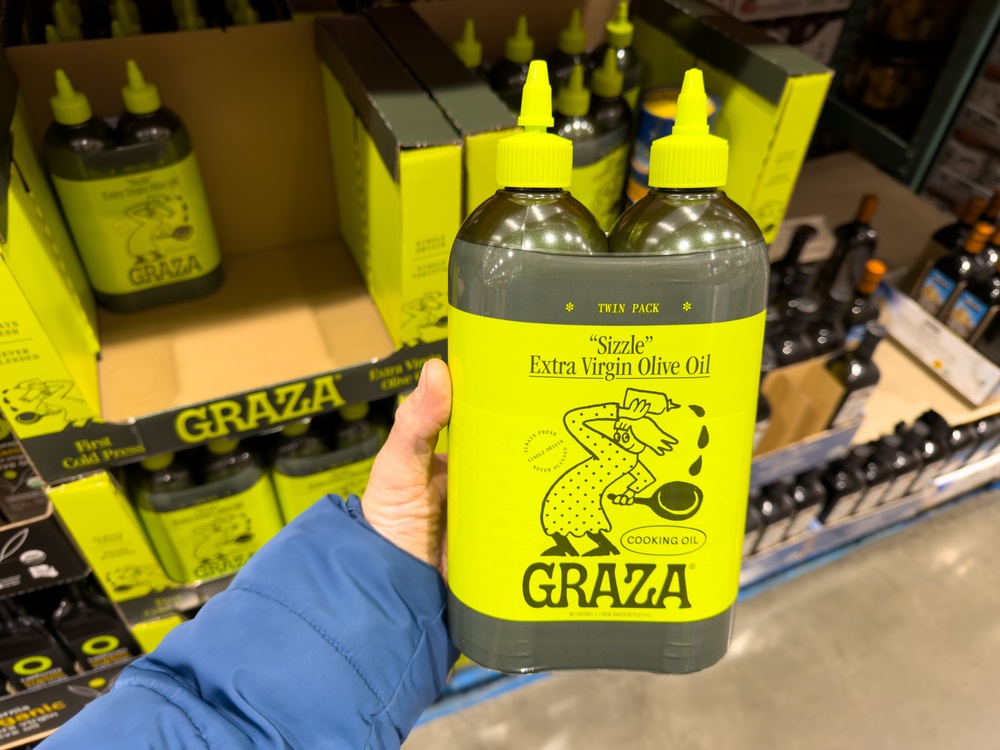
Graza (Sizzle and Drizzle)
Graza has gained significant traction, largely due to its distinctive forest-green squeeze bottles and viral presence on social media. However, the brand’s appeal extends far beyond its packaging, offering a thoughtful approach to olive oil categorization.
- Why It Excels: Graza addresses the "one-size-fits-all" dilemma by offering two distinct olive oil options. "Sizzle" is formulated from mid-season olives, making it ideal for high-heat cooking applications such as searing and roasting. "Drizzle," derived from early-harvest olives, is designed for finishing dishes, providing a fresh and vibrant flavor. The innovative squeeze bottle design not only protects the oil from oxygen more effectively than traditional screw-tops but also allows for precise application. The flavor profiles of both "Sizzle" and "Drizzle" are genuinely fresh and vibrant, reflecting their careful production.
-
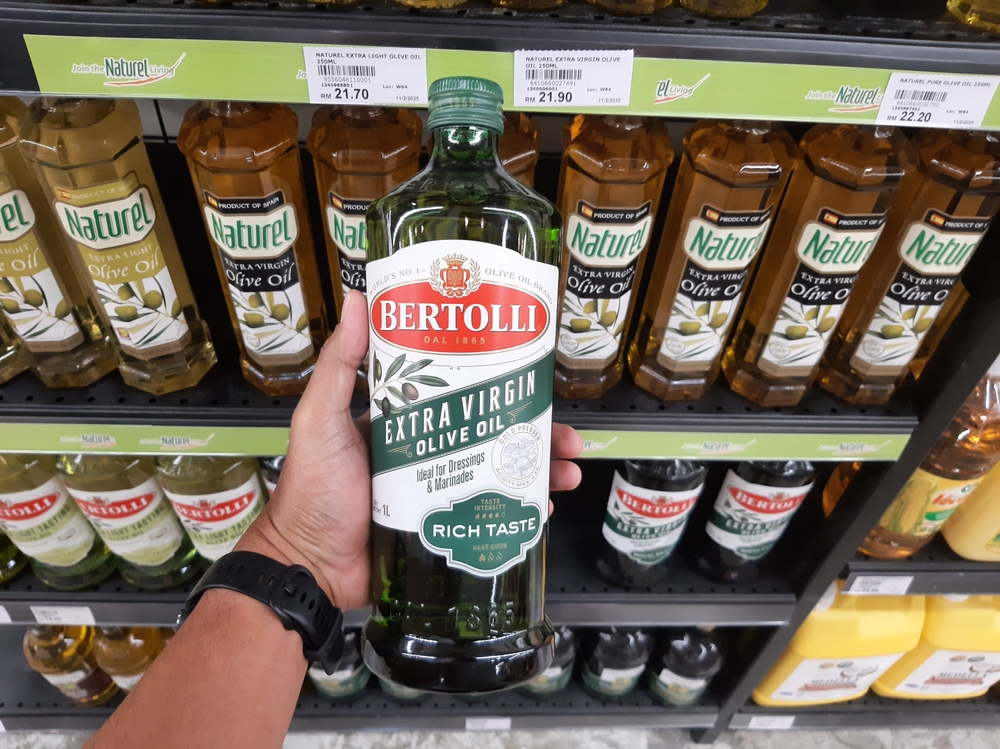
Bertolli (Extra Virgin Olive Oil)
Bertolli is a ubiquitous brand found in virtually every supermarket, and while not all of its olive oil products are top-tier, its Extra Virgin offering stands out as a surprisingly sophisticated and budget-friendly option.
- Why It Excels: Bertolli Extra Virgin Olive Oil strikes an impressive balance between accessibility and quality. It is widely available, frequently on sale, and consistently receives positive marks in various taste tests. The oil offers a well-rounded flavor profile, featuring a pleasant fruitiness, a subtle hint of spice, and no off-putting aftertaste. For consumers seeking good quality olive oil without a significant financial outlay, Bertolli’s EVOO serves as a reliable and accessible choice.
-
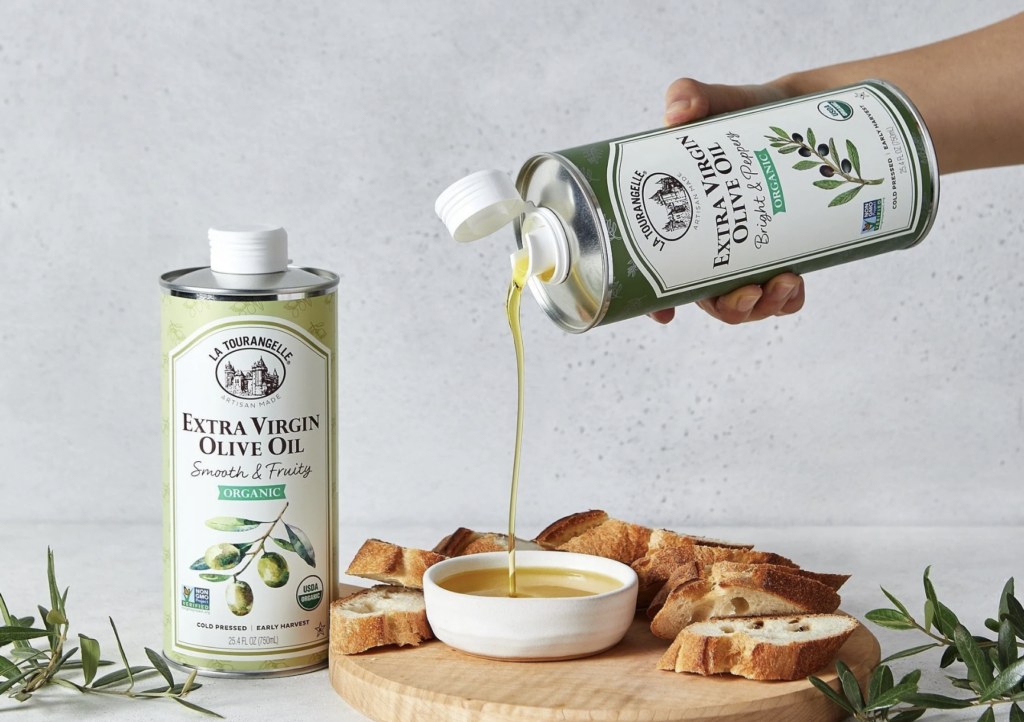
La Tourangelle (Extra Virgin Olive Oil)
While La Tourangelle is perhaps more widely recognized for its range of toasted nut oils, its extra virgin olive oil is a hidden gem. Often presented in its signature protective tin, this oil is a premium choice for those who appreciate bold flavors.
- Why It Excels: This is an intensely flavored oil, ideal for those who prefer their olive oil to possess a pronounced, authentic olive taste. It is herbaceous, complex, and robust. The tin packaging is a significant advantage, offering superior protection against light and preserving the oil’s freshness for longer periods compared to many glass-bottled alternatives. La Tourangelle EVOO is particularly recommended for dipping crusty bread, where its depth of flavor can be fully appreciated and savored, transforming a simple act into a notable culinary experience.
The Golden Rules: Optimal Use and Storage of Olive Oil
Once a quality bottle of olive oil has been selected, proper usage and storage are crucial to preserving its integrity and maximizing its value.
Can You Cook With It? Demystifying the Smoke Point
A common misconception is that Extra Virgin Olive Oil cannot be used for cooking due to its relatively low smoke point. This is largely a myth. High-quality EVOO typically possesses a smoke point ranging from 375°F to 405°F (190°C to 207°C). This temperature range is sufficient for most common cooking methods, including sautéing, roasting, and pan-searing. In fact, the natural antioxidants present in EVOO can help protect it from breaking down under moderate heat, making it a stable and healthy cooking fat for everyday use. Exceptions include deep-frying or high-heat wok cooking, where oils with higher smoke points might be more appropriate.
Storage: Battling the Three Enemies
To ensure olive oil retains its freshness and flavor, it must be protected from its three primary adversaries:
- Light: Exposure to light, especially ultraviolet (UV) light, can degrade the oil’s delicate compounds. This is why dark glass bottles or opaque tins are essential. Storing the bottle in a dark pantry or cupboard is recommended.
- Heat: Elevated temperatures accelerate the oxidation process, leading to rancidity. Olive oil should be stored in a cool environment, ideally between 60°F and 70°F (15°C and 21°C). Avoid storing it near heat sources like stoves or ovens.
- Air: Oxygen in the air also contributes to the degradation of olive oil. Once opened, it is best to consume the oil within a reasonable timeframe. Keeping the cap tightly sealed after each use helps minimize exposure to air.
The "Sniff Test": Detecting Rancidity
If there is any doubt about the freshness of your olive oil, a simple "sniff test" can provide clarity. Pour a small amount into a glass and inhale its aroma. Fresh olive oil should possess fragrant notes reminiscent of grass, tomatoes, or ripe fruit. Conversely, if the oil smells like crayons, stale nuts, or a dusty attic, it has likely become rancid and should be discarded.
The Bottom Line: Elevating Everyday Cooking
Olive oil serves as a foundational ingredient in countless culinary traditions, yet it is often relegated to an afterthought in purchasing decisions. The good news is that achieving a superior culinary experience does not necessitate exorbitant spending. By prioritizing brands that demonstrate a commitment to freshness, employ protective packaging, and offer transparent sourcing information, consumers can significantly enhance their meals. Brands like California Olive Ranch, Lucini, Graza, Bertolli, and La Tourangelle exemplify this dedication.
In the grocery aisle, resist the allure of marketing jargon such as "light" or vague origin claims like "bottled in Italy." Instead, seek out oils that authentically capture the essence of the fruit from which they were derived. By making informed choices, you can transform ordinary meals into something truly special, benefiting both your palate and your well-being.