Unwinding the Commute: How Five Targeted Yoga Poses Counteract the Physical Toll of Modern Transit

For millions of workers worldwide, the daily commute is an unavoidable ritual of modern life. Whether navigating bumper-to-bumper traffic in an automobile, enduring packed conditions on a commuter train, or sitting for hours on a long-distance bus, the physical reality of transit remains largely the same: prolonged sedentary positioning. While transportation infrastructure and remote work policies continue to evolve, the fundamental biomechanics of sitting for extended periods have proven detrimental to human health. Recent public health studies and ergonomic data increasingly highlight the toll that daily commuting takes on the musculoskeletal system, prompting wellness experts to recommend targeted movement practices—specifically, restorative yoga poses—to mitigate chronic stiffness and pain.
The Biomechanical Cost of the Daily Transit
Medical research consistently links prolonged sedentary commuting to a spectrum of musculoskeletal disorders. Studies published in public health and epidemiological journals indicate that individuals who spend upwards of an hour a day commuting experience significantly higher rates of localized discomfort, particularly in the lower back, cervical spine, and shoulder girdles. When a person sits for long durations, the hip flexors remain in a shortened state, the gluteal muscles become deactivated, and the natural lumbar curve of the spine tends to flatten or slump. This sustained postural burden places excessive pressure on the intervertebral discs and strains the supporting musculature of the back and neck.
Over time, this routine compression can manifest as chronic lower back pain, tension headaches, and postural fatigue. Public health analysts note that the physiological impact is compounded by psychological stress, which often manifests physically as elevated muscle tone and tightness in the shoulders and jaw. For those seeking non-pharmacological interventions, physical therapists and yoga instructors have long advocated for movement breaks immediately following periods of prolonged sitting. Reintroducing mobility to the spine and lower extremities soon after arriving at a destination can prevent acute stiffness from developing into chronic injury.
An Accessible Routine for Post-Commute Recovery
To combat the physical ramifications of modern commuting, fitness and wellness professionals recommend a simple, five-pose movement sequence. These postures are specifically selected to decompress the spine, open the chest, and release tension accumulated during transit. Crucially, these movements require minimal equipment and can be performed at home or in a quiet office space immediately following a commute. Practitioners are advised to utilize modifications, such as bending the knees generously or using props like blocks and bolsters, to ensure the body relaxes rather than strains into the stretches.
-
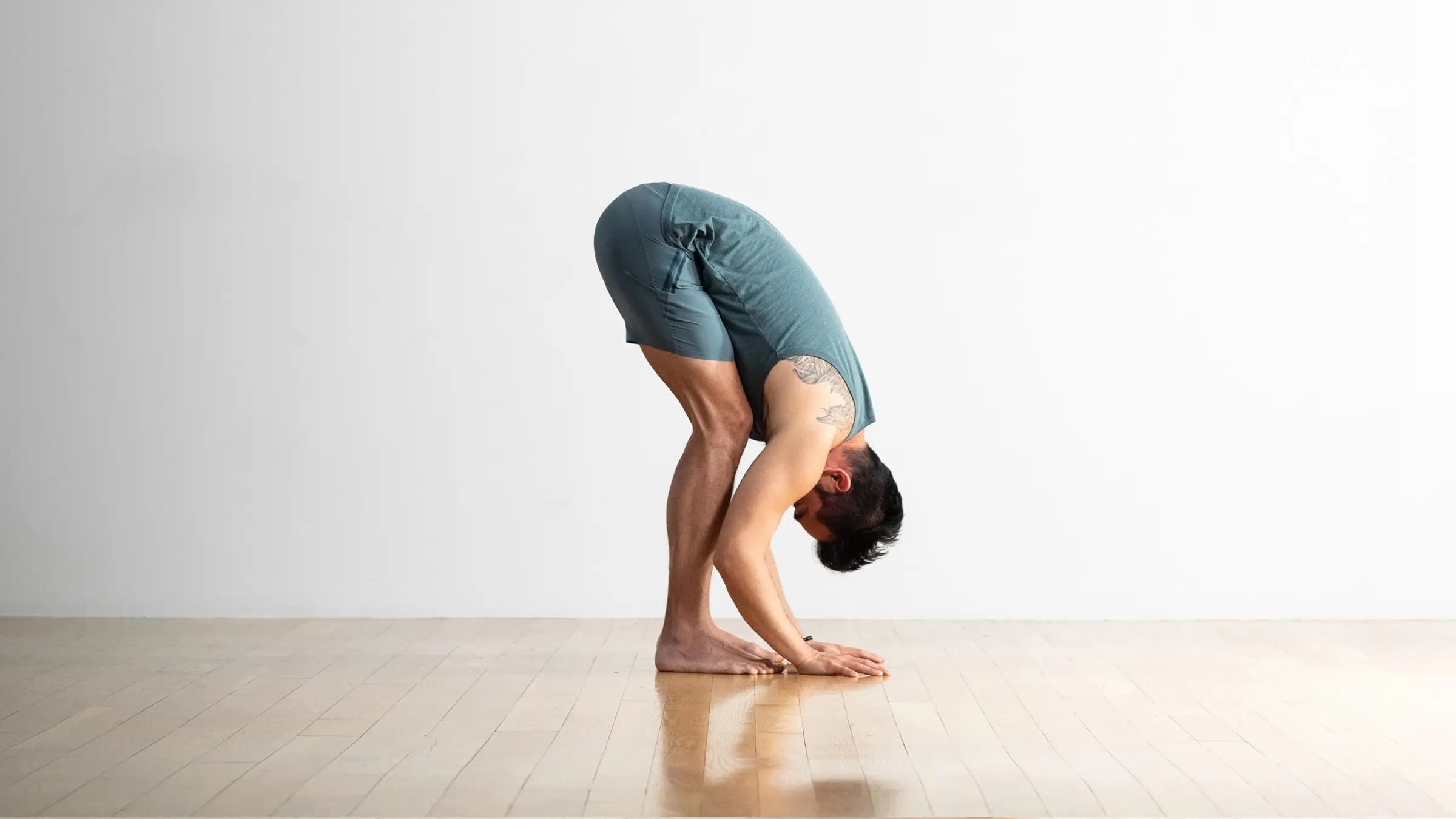
Standing Forward Bend (Rag Doll Variation)
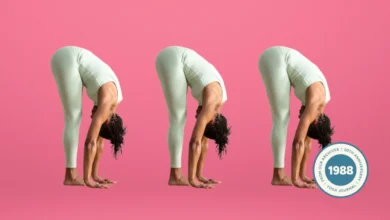
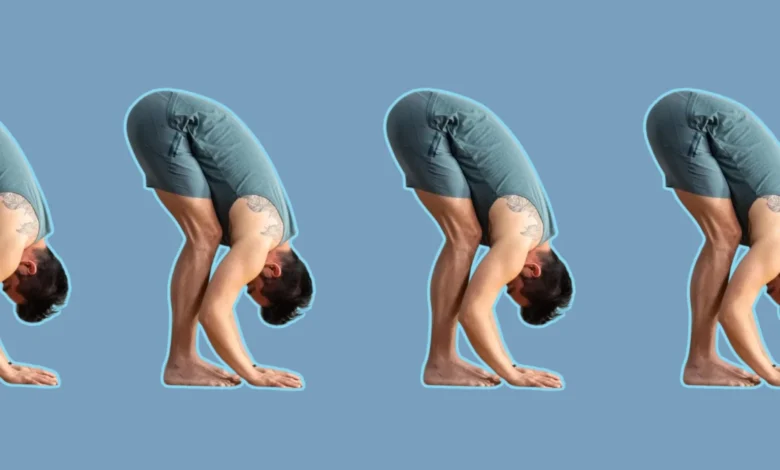
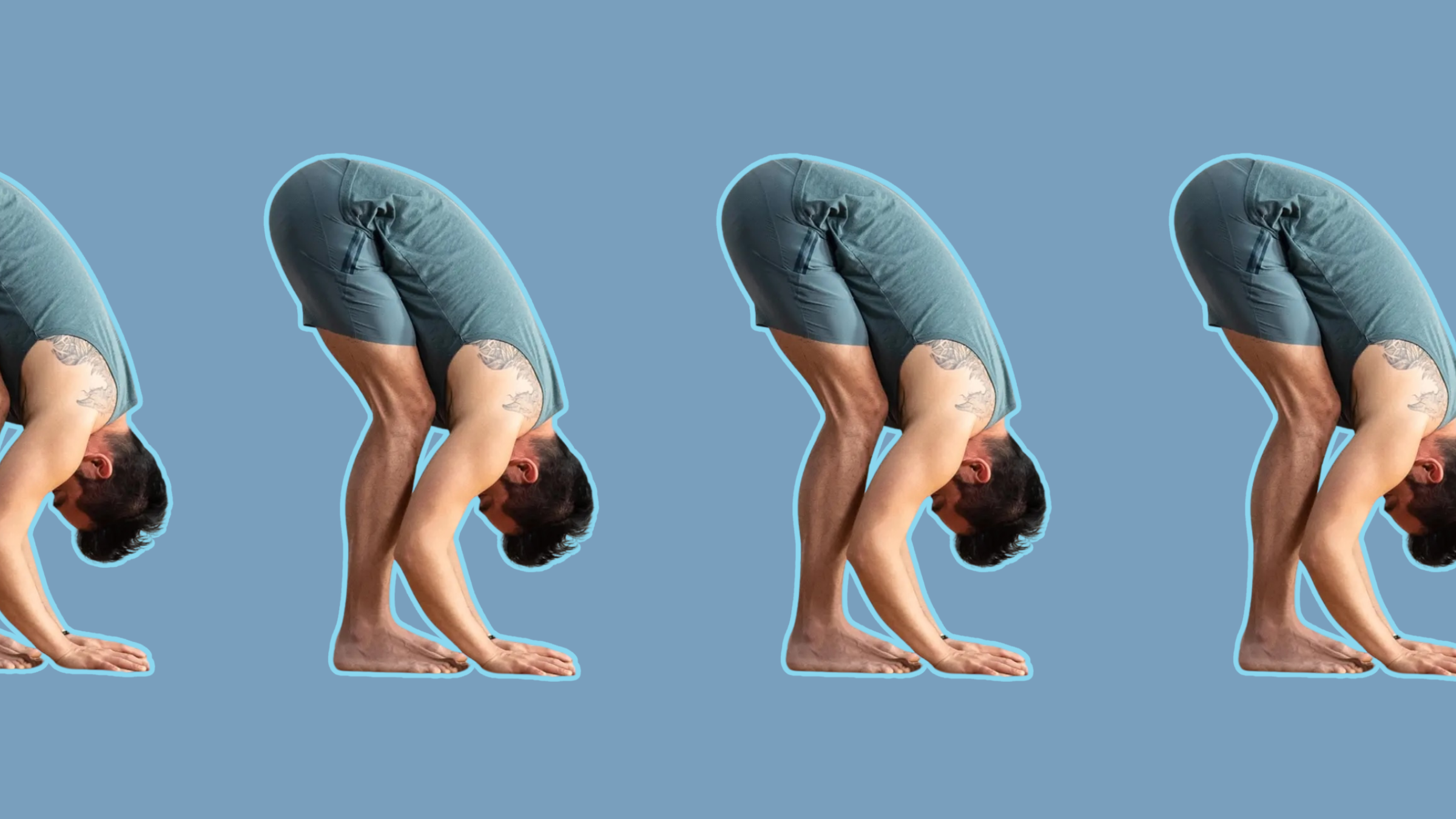
The Standing Forward Bend, known in Sanskrit as Uttanasana, serves as a primary tool for spinal decompression. Prolonged sitting forces the vertebrae into a compressed alignment; reversing this through a forward fold allows gravity to gently pull the spine open. By maintaining a generous bend in the knees and allowing the arms to hang loosely—either reaching toward the floor or grasping opposite elbows—the practitioner eliminates hamstring tension that might otherwise restrict the lower back. This posture facilitates the release of accumulated tension in the neck, shoulders, and upper back, offering immediate relief from upper-body rigidity.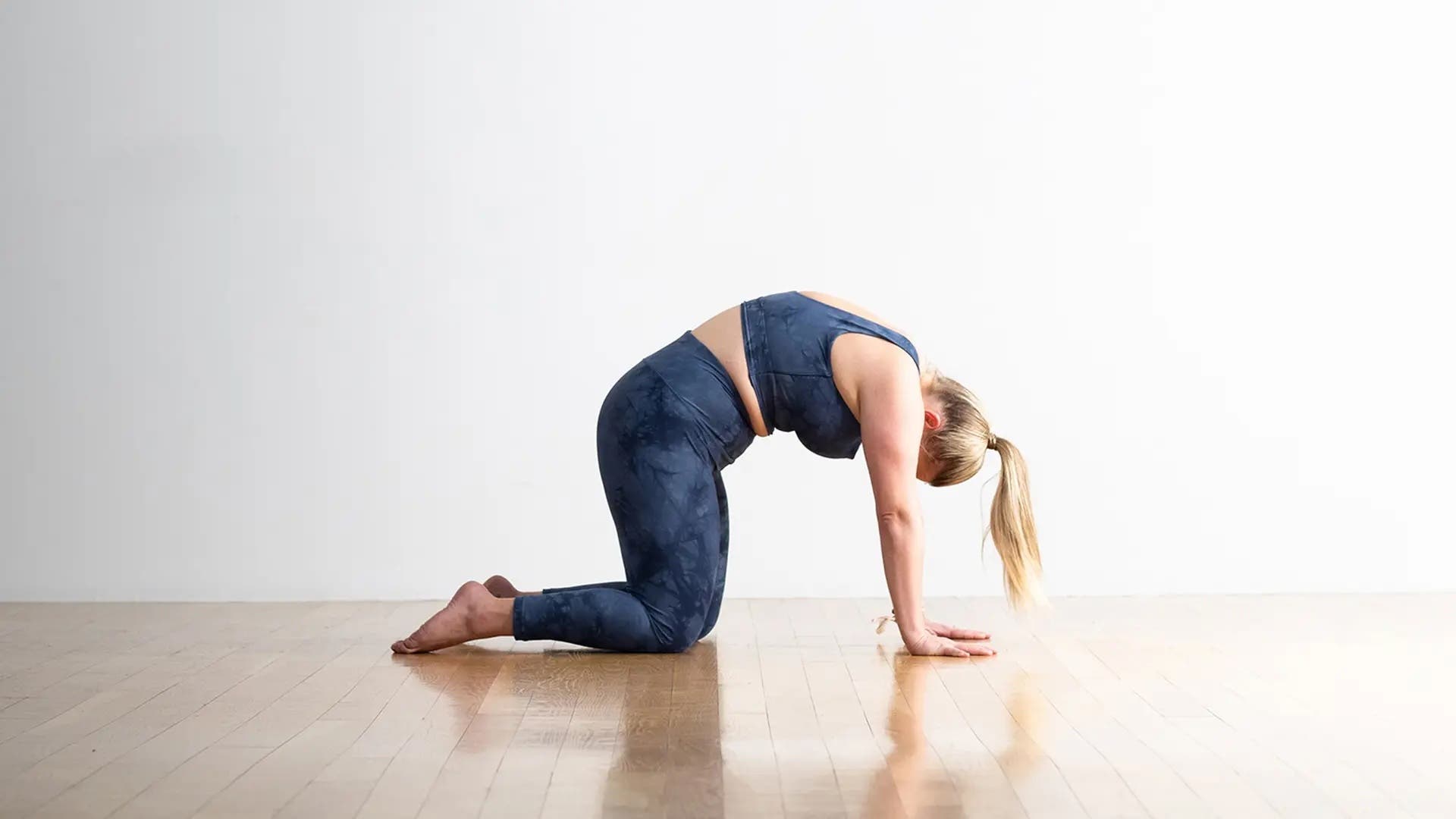
-
Cat and Cow Pose (Marjaryasana and Bitilasana)
Transitioning between Cat Pose and Cow Pose introduces dynamic mobility to the spine, directly countering the static posture of driving or riding public transit. This flowing sequence links breath with movement, offering a rhythmic release for the back, neck, and shoulders. During Cat Pose, the rounding of the spine and the tucking of the tailbone stretch the lumbar region, while dropping the chin decompresses the cervical spine. Conversely, Cow Pose involves lifting the chin and dipping the abdomen, opening the chest cavity and alleviating pressure on the anterior shoulder muscles. This continuous flexion and extension promotes synovial fluid circulation around the spinal joints, enhancing overall flexibility. -
Downward-Facing Dog (Adho Mukha Svanasana)
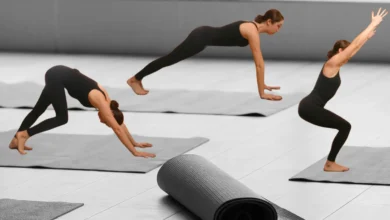
As a foundational yoga posture, Downward-Facing Dog delivers a comprehensive, full-body stretch that targets the posterior chain. Commuters often suffer from tightened calves, hamstrings, and shoulders due to the fixed positioning required by vehicle controls or cramped seating. By stepping back into this inversion and distributing more weight into the lower body, practitioners can open the shoulder joints while allowing the head to hang heavy, relieving cervical strain. Bending the knees slightly during the posture ensures that the lumbar spine lengthens fully, rather than being forced into an unnatural flat shape by tight hamstrings.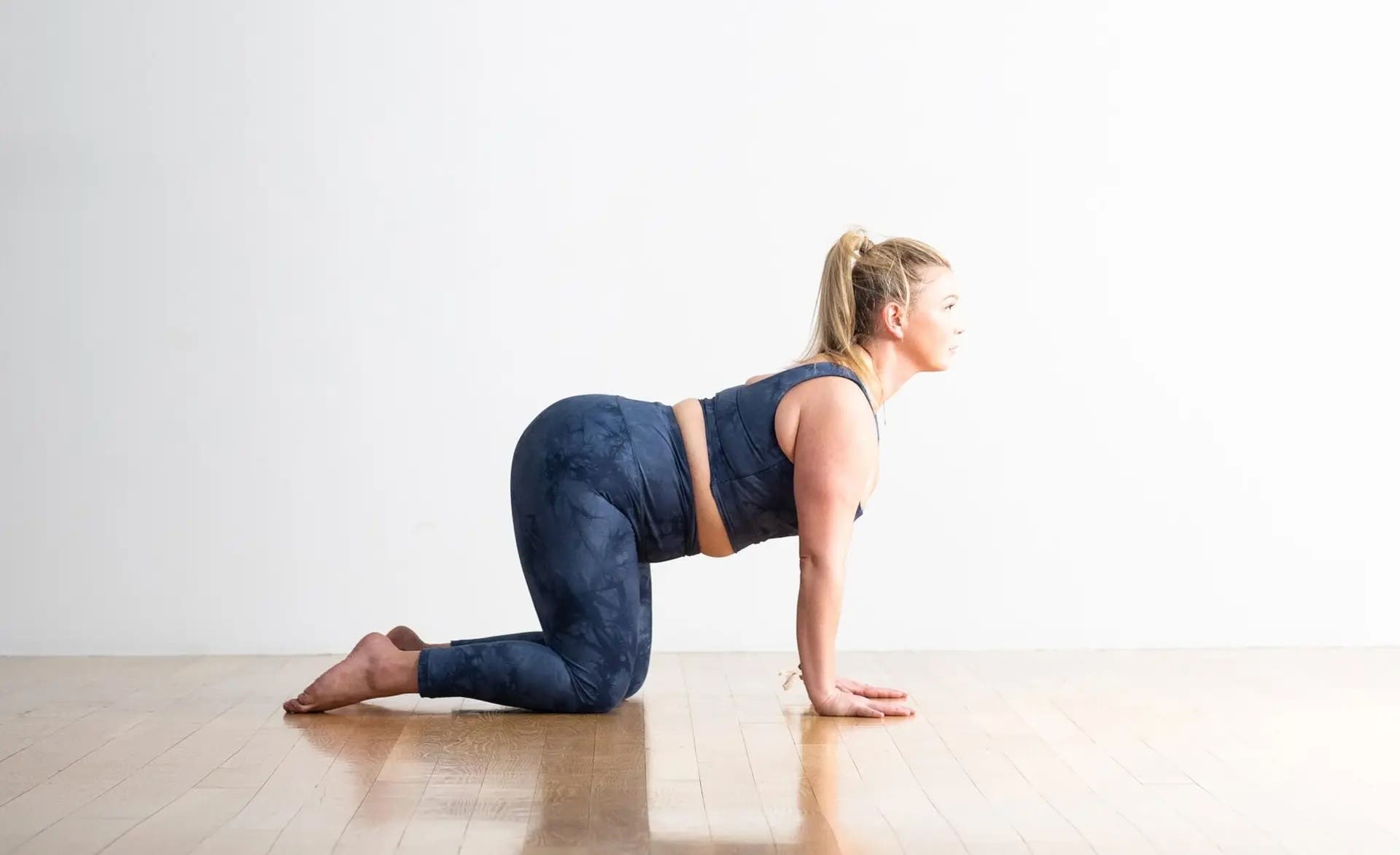
-
Sphinx Pose (Salamba Bhujangasana)
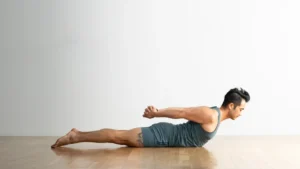
Postural collapse is a hallmark of sedentary commuting, often resulting in rounded shoulders and a forward head carriage. Sphinx Pose, frequently categorized under the broader umbrella of gentle spinal extensions or "adult tummy time," counteracts this tendency by promoting active lumbar extension and thoracic opening. Lying prone on the forearms, the practitioner draws the chest forward, engaging the upper back musculature and encouraging proper spinal alignment. This gentle backbend restores the natural inward curve of the lower back, which is frequently flattened during hours of seated transit. -
Bridge Pose (Setu Bandha Sarvangasana)
Bridge Pose offers a subtle inversion that engages the core, activates the dormant gluteal muscles, and opens the front body. Because sitting shuts down gluteal activation and compresses the lower spine, lifting the hips in Bridge Pose serves to recruit the posterior chain while providing structural relief to the lumbar region. For individuals experiencing severe fatigue after a long week behind the wheel, supporting the sacrum with a block, bolster, or folded blankets transforms the active posture into a restorative supported bridge. This variation calms the nervous system while allowing the lower back to rest in a neutral, decompressed state.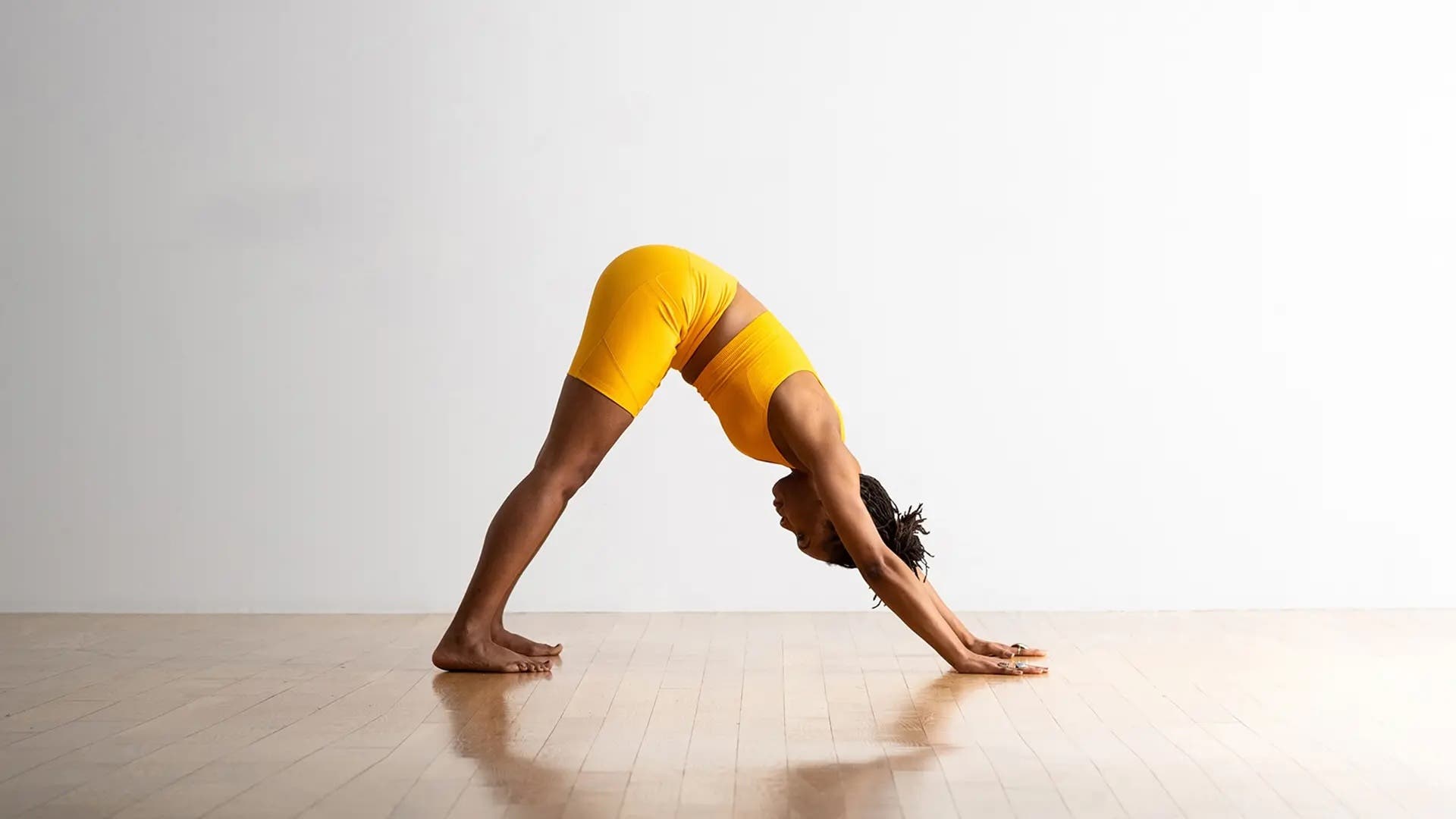
Broader Implications and Workplace Wellness
The integration of brief movement practices into the daily routine reflects a broader cultural shift toward proactive ergonomic care. As urban centers grow denser and average commute times continue to rise in many metropolitan areas, employers and public health advocates are placing greater emphasis on preventative wellness strategies. Addressing musculoskeletal discomfort at the end of a commute not only improves individual comfort and productivity but also reduces the long-term economic burden associated with chronic back pain and repetitive strain injuries.
Experts emphasize that consistency is key. Incorporating even a few minutes of spinal mobility work immediately after transit can break the cycle of physical stagnation. By recognizing the commute as a distinct physiological stressor, individuals can adopt targeted movement interventions to protect their long-term spinal health and maintain physical resilience in the face of modern logistical demands.