Understanding and Overcoming the Grazing Cycle: A Mindful Approach to Eating Habits


Many individuals find themselves caught in a pervasive cycle of constant snacking, frequently reaching for food throughout the day even when physical hunger is absent. This phenomenon, often referred to as "grazing," leaves many feeling a profound lack of control around food, perpetually unsatisfied, and burdened by guilt. Registered dietitians and nutrition specialists increasingly highlight that this ‘grazing’ phenomenon is not merely a failure of willpower but rather a complex interplay of physiological, psychological, and environmental factors. This article delves into the multifaceted causes behind persistent snacking and outlines a structured, mindful approach to re-establish a peaceful and intentional relationship with food, without resorting to restrictive dieting.
The Pervasive Nature of Unconscious Snacking in Modern Society
The habit of constant grazing has become increasingly common in contemporary lifestyles. Data from various nutritional surveys indicates a significant rise in snack consumption over the past few decades, with many adults deriving a substantial portion of their daily caloric intake from snacks rather than structured meals. This shift from traditional eating patterns, characterized by distinct mealtimes, to a more continuous consumption model, often has profound implications for both physical and mental well-being. The psychological impact can be particularly taxing, manifesting as feelings of guilt, frustration, and a diminished sense of enjoyment from food. Moreover, the pervasive influence of diet culture, which often promotes rigid restriction, can inadvertently exacerbate the grazing cycle. When individuals feel deprived by strict dietary rules, the body and mind may react by overcompensating, leading to episodes of uncontrolled eating or continuous grazing as a form of rebellion or an attempt to satisfy unmet needs. This creates a challenging paradox where the very attempts to control food intake can inadvertently fuel the problem.
Deconstructing the Root Causes of Constant Grazing: Beyond Willpower
Attributing constant grazing solely to a lack of willpower oversimplifies a complex issue. Expert analysis reveals that the compulsion to snack continuously stems from a combination of interconnected factors, making a holistic understanding crucial for effective intervention.
Nutritional Imbalance in Main Meals: One of the primary drivers of incessant snacking is often a fundamental imbalance within main meals. When breakfast, lunch, or dinner lack sufficient amounts of key macronutrients – protein, complex carbohydrates, and healthy fats – or adequate fiber, the body quickly signals hunger again. Protein, for instance, is crucial for satiety, slowing down digestion and promoting sustained feelings of fullness. Research consistently shows that meals rich in protein lead to greater satisfaction and reduced subsequent calorie intake. Similarly, complex carbohydrates, found in whole grains, vegetables, and legumes, provide sustained energy and prevent rapid blood sugar spikes and crashes that can trigger cravings for quick energy sources. Healthy fats, such as those found in avocados, nuts, and olive oil, further enhance satiety, contribute to flavor, and aid in the absorption of fat-soluble vitamins. Fiber, abundant in fruits, vegetables, and whole grains, adds bulk to meals, aids digestion, and helps regulate blood sugar, keeping hunger at bay for longer periods. When these essential components are missing or insufficient, the body unconsciously seeks to "fill the gaps," leading to a cycle of grazing on readily available, often less nutritious, snacks.
Emotional Triggers and Stress Eating: Emotions play a significant, often underestimated, role in grazing behavior. Feelings such as boredom, anxiety, stress, loneliness, or even excitement can trigger a desire to eat, independent of physical hunger. Food can become a coping mechanism, offering temporary comfort or distraction. The physiological response to stress, involving the release of hormones like cortisol, can particularly influence cravings for palatable, energy-dense foods (often high in sugar and fat), which are perceived as comforting. The rise of demanding work environments and the blurring lines between professional and personal life, especially with increased remote work, have contributed to a surge in stress-related eating as individuals seek solace or a break. Snacking becomes a readily accessible, albeit often unhelpful, strategy to manage emotional discomfort.
Disconnection from Internal Hunger and Fullness Cues: Many individuals lose touch with their body’s natural hunger and fullness signals, a phenomenon known as impaired interoception. This disconnection often develops after years of following external dietary rules, restrictive eating patterns, or simply due to a lack of awareness. When individuals consistently override their internal cues – eating when not hungry or stopping before feeling satisfied – the body’s natural regulatory system can become muddled. This can lead to eating out of habit, by the clock, or in response to external cues (like seeing food or social situations), rather than in tune with genuine physiological needs. The result is often overconsumption and a reduced ability to discern true hunger.
Lack of Structured Eating Patterns: In the absence of a clear rhythm or routine for meals, it becomes remarkably easy to snack mindlessly throughout the day. This is particularly prevalent in environments where schedules are flexible, such as working from home, where the boundaries between mealtimes and other activities can become blurred. Without designated eating periods, individuals may find themselves grazing continuously, making it difficult for the body to establish a predictable digestive rhythm and for the mind to register satisfaction. The lack of structure can foster a continuous "open kitchen" mentality, where food is always an option, regardless of actual need.
Environmental Accessibility and Food Cues: The immediate food environment exerts a powerful influence on eating behavior. The principle of "out of sight, out of mind" holds significant weight here. If snacks are constantly visible, easily accessible, and within arm’s reach – whether on a desk, kitchen counter, or in a readily opened pantry – individuals are far more likely to graze, often without conscious awareness. Visual cues and the mere presence of palatable foods can stimulate appetite and trigger a desire to eat, even in the absence of hunger. Research in behavioral economics and psychology consistently demonstrates how environmental nudges can significantly impact food choices and consumption patterns.
A Mindful Pathway to Sustainable Eating Habits: A Chronological Approach
Breaking free from the grazing cycle requires a structured yet compassionate approach that addresses these root causes systematically. This "chronology" of action emphasizes rebuilding foundational habits before tackling more complex psychological aspects.
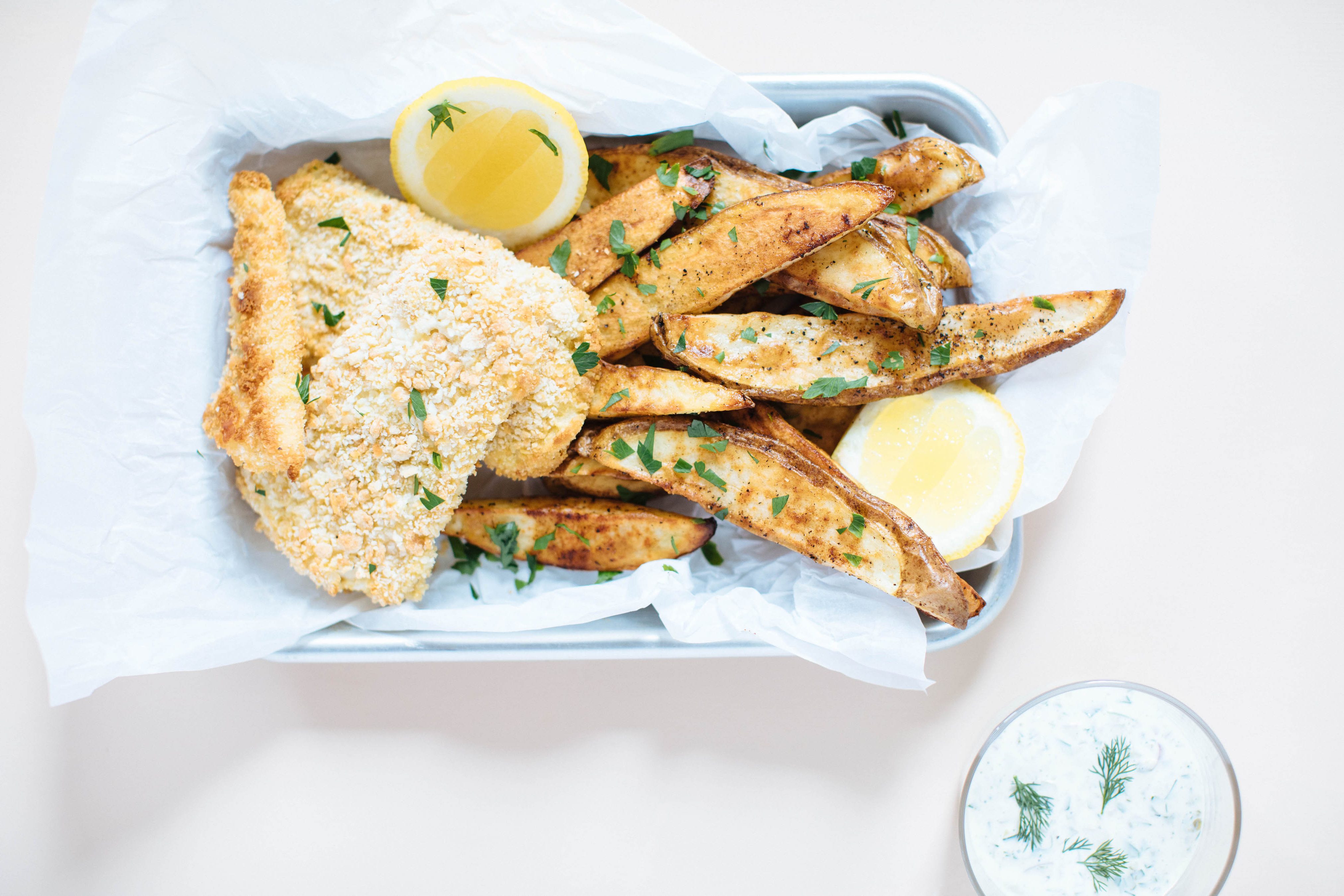
1. Rebuilding the Foundation: Balanced and Satisfying Meals: The critical first step in curbing constant grazing is to ensure that main meals are consistently balanced and truly satisfying. This involves incorporating a robust combination of protein, non-starchy vegetables, healthy fats, and complex carbohydrates. For example, a "Foundational Five Meal Formula," championed by many dietitians, suggests building meals around:
- Protein: Essential for satiety and muscle maintenance (e.g., lean meats, fish, legumes, tofu, eggs).
- Non-starchy Vegetables: Provide fiber, vitamins, and minerals with low caloric density (e.g., leafy greens, broccoli, bell peppers).
- Healthy Fats: Contribute to satiety, nutrient absorption, and flavor (e.g., avocado, nuts, seeds, olive oil).
- Starchy Carbohydrates: Offer sustained energy and fiber (e.g., quinoa, brown rice, sweet potatoes, whole-grain bread).
- Flavor Boosters: Herbs, spices, and healthy sauces to enhance enjoyment without excess calories.
By ensuring meals are nutritionally complete, the physiological drive to snack to "fill gaps" is significantly reduced, promoting sustained energy and genuine satiety.
2. Cultivating Awareness: Reconnecting with Hunger and Fullness: Once meals are balanced, the next crucial step is to re-establish a connection with the body’s internal signals. This involves a conscious practice of mindful eating. Before reaching for any food, especially a snack, individuals are encouraged to pause and ask: "Am I truly physically hungry?" and "What does my hunger feel like?" Tools like a hunger-fullness scale (from 1, ravenous, to 10, uncomfortably full) can help individuals calibrate their sensations. Differentiating between physical hunger (gradual onset, stomach rumbling, low energy) and emotional hunger (sudden, intense, craving specific foods, not in the stomach) is paramount. Eating slowly, savoring each bite, and paying attention to sensory experiences allows the body’s fullness signals to register, fostering intentional consumption rather than mindless eating.
3. Establishing Gentle Eating Rhythms: Rather than rigid schedules, the goal is to create "soft mealtime anchors" – predictable periods for main meals and, if needed, intentional snacks. This might involve aiming for three consistent meals a day, with a planned snack between lunch and dinner if there’s a long gap. This isn’t about strict adherence but about creating a sense of predictability that allows the body’s digestive system to regulate and the mind to relax around food. Regular meal patterns help stabilize blood sugar, prevent extreme hunger that can lead to overeating, and reduce the likelihood of impulsive grazing. This gentle structure offers a framework within which the body can thrive, promoting metabolic regularity and a sense of calm around food choices.
4. Optimizing Your Food Environment: Practical changes to the immediate food environment can significantly reduce unconscious grazing. The principle of "out of sight, out of mind" is a powerful tool. Strategies include:
- Storing tempting, easy-to-graze snacks in less accessible locations (e.g., high shelves, opaque containers).
- Keeping healthier, pre-portioned options readily visible and accessible (e.g., fruit bowl on the counter, cut vegetables in the fridge).
- Creating designated eating spaces free from distractions like screens.
- Portioning out snacks into individual servings to prevent mindless overconsumption directly from large bags or containers.
These environmental adjustments help to break the visual and convenience cues that often trigger unconscious eating.
5. Developing Non-Food Coping Mechanisms for Emotional Triggers: When emotional eating is identified as a significant driver of grazing, the next step involves developing a repertoire of non-food coping strategies. This requires identifying the specific emotions or situations that trigger eating (e.g., stress after a difficult meeting, boredom during an evening lull). Then, individuals can brainstorm and practice alternative activities to address those emotions:
- For stress: Deep breathing, meditation, a short walk, listening to calming music.
- For boredom: Engaging in a hobby, calling a friend, reading a book, organizing a small task.
- For fatigue: Taking a power nap, stretching, drinking a glass of water.
- For loneliness: Connecting with loved ones, engaging in community activities.
Recognizing that food often serves as a substitute for other unmet needs – be it rest, connection, or stress relief – is a crucial step towards sustainable emotional regulation.
6. Dismantling Perfectionism and All-or-Nothing Thinking: One of the most insidious grazing triggers is the "all-or-nothing" mentality often ingrained by diet culture. This manifests as thoughts like, "I already ate one cookie, so I might as well eat the whole box" or "I ‘ruined’ my healthy eating today, so I’ll just start fresh tomorrow." This rigid thinking often leads to cycles of restriction, followed by guilt-driven overeating and subsequent feelings of failure. The antidote is to cultivate self-compassion and release the need for perfection. Every moment offers a fresh opportunity to make an intentional choice, regardless of previous actions. Embracing imperfection, learning from eating experiences without judgment, and recognizing that progress is not linear are vital for fostering a peaceful and sustainable relationship with food.
The Role of Mindful Snacking in a Balanced Diet
It is crucial to differentiate between mindless grazing and intentional, mindful snacking. Snacking is not inherently "bad"; in fact, well-chosen snacks can play a valuable role in maintaining energy levels, managing hunger between meals, and ensuring adequate nutrient intake. When snacks are consumed with intention, they can support overall well-being. A mindful snack should be balanced, incorporating both protein and fiber to promote satiety and sustained energy. Examples include an apple with a handful of almonds, Greek yogurt with berries, or vegetable sticks with hummus. The key is to ask, "Why am I eating this snack?" and "What will it do for my body?" ensuring it serves a purpose beyond mere distraction or emotional comfort.
Broader Health Implications and Long-Term Well-being
Overcoming the cycle of constant grazing yields significant benefits that extend far beyond simply managing weight. Physiologically, establishing balanced eating patterns and reconnecting with hunger cues can lead to more stable blood sugar levels, improved digestion, and enhanced nutrient absorption. This contributes to sustained energy throughout the day and a reduced risk of developing chronic diseases associated with erratic eating habits and imbalanced diets, such as type 2 diabetes and certain cardiovascular conditions.
Mentally and emotionally, a mindful approach to eating fosters a healthier relationship with food. It alleviates the anxiety, guilt, and shame often associated with grazing, replacing them with a sense of calm, control, and self-efficacy. Individuals learn to trust their bodies, honor their internal signals, and make food choices that truly nourish them, both physically and psychologically. This holistic approach supports improved body image, reduced stress around food, and a greater overall sense of well-being, paving the way for a truly peaceful and intuitive eating experience.
Resources for Further Support
For individuals ready to reset their eating habits and cultivate a more peaceful relationship with food, practical resources are available. Many registered dietitians offer guides and programs designed to help individuals implement these mindful eating principles. For instance, a "Peaceful Eating Guide" can provide actionable steps for building feel-good meals and fostering a free mind around food within a few days. Such resources emphasize that lasting change is achievable without resorting to deprivation or harsh rules, offering a supportive framework for transformation.
Conclusion
The challenge of constant grazing is a widespread concern, but it is not an insurmountable one. It is not a reflection of a personal failing but rather a symptom of complex physiological, psychological, and environmental factors. By approaching eating with curiosity, self-compassion, and a commitment to mindful structure, individuals can naturally shift away from continuous, unconscious snacking. Embracing balanced meals, reconnecting with internal cues, structuring eating rhythms, optimizing the food environment, developing emotional coping strategies, and releasing perfectionism are all vital steps on the journey toward feeling calm, satisfied, and truly at ease with food. This mindful pathway offers a sustainable route to enhanced health, well-being, and a renewed sense of peace in one’s eating habits.