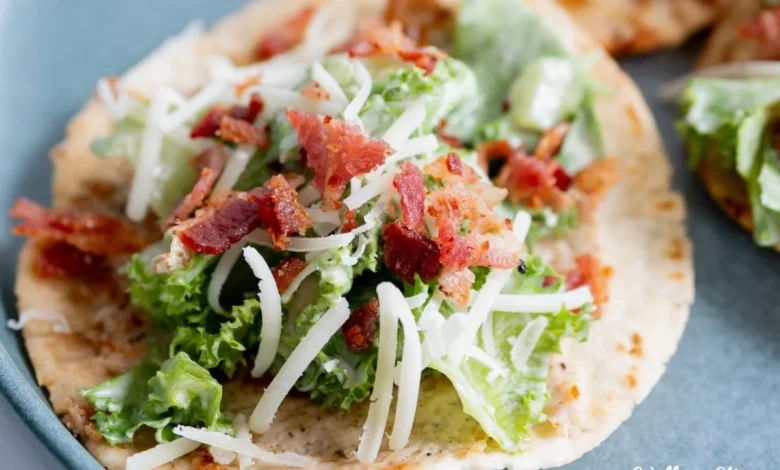
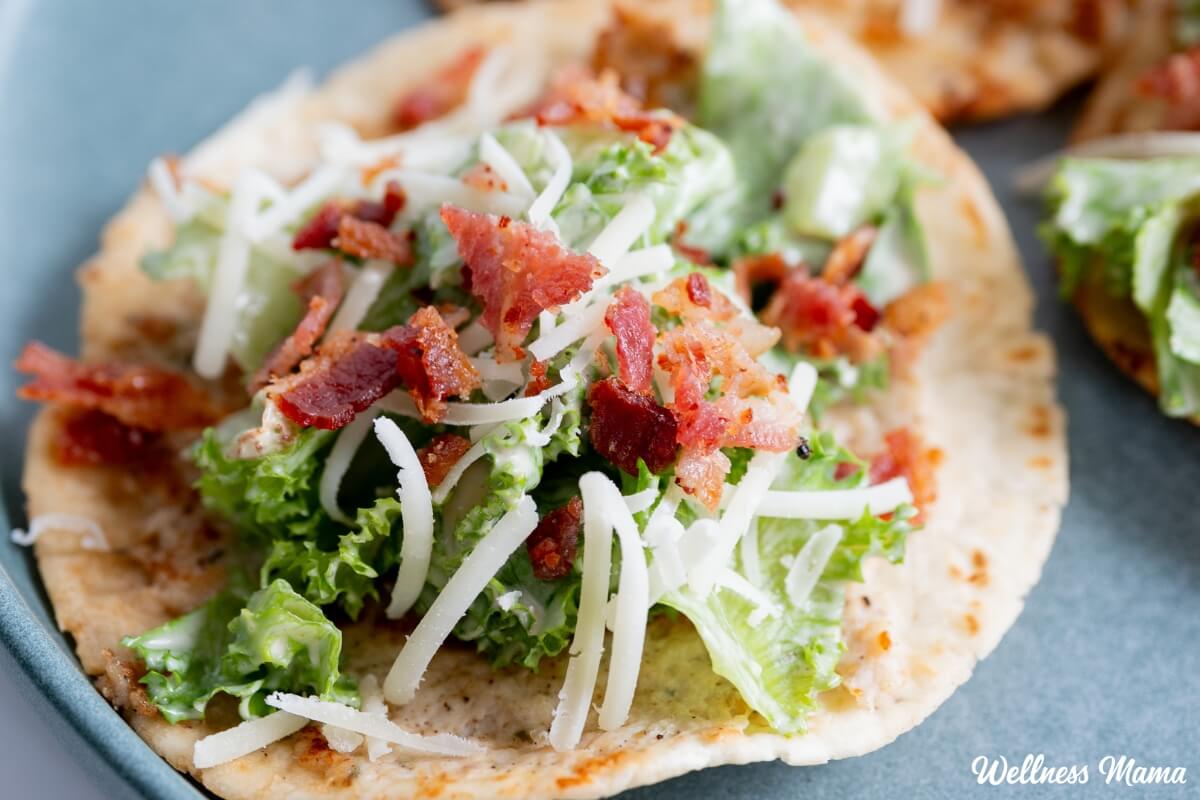
The culinary landscape is constantly evolving, with chefs and home cooks alike seeking novel ways to reimagine classic dishes, blending familiar flavors with innovative preparation methods. A recent notable entry into this exciting space is the "Smash Chicken Caesar Taco," a dish that ingeniously marries the beloved components of a traditional Caesar salad with the popular "smash" cooking technique and the versatile format of a taco. This unconventional yet undeniably delicious creation is gaining traction for its rich flavor profile, high protein content, inclusion of healthy fats, and integration of fresh vegetables, offering a balanced and satisfying meal that appeals to a wide demographic, including families seeking wholesome yet appealing options. The dish presents a crunchy, mouthwatering experience, leveraging a seasoned chicken mixture pressed onto a tortilla and cooked until golden and crispy, then topped with a creamy Caesar dressing and fresh accompaniments.
The Enduring Legacy of the Caesar Salad: A Foundation for Innovation
To fully appreciate the "Smash Chicken Caesar Taco," it is essential to understand the venerable origins and enduring appeal of the Caesar salad itself. Contrary to popular belief, the Caesar salad does not hail from ancient Rome but was invented in 1924 by Italian-American restaurateur Caesar Cardini in Tijuana, Mexico. Legend has it that Cardini, faced with a sudden rush of customers and limited ingredients, improvised a salad using what he had on hand: romaine lettuce, olive oil, raw egg, croutons, Parmesan cheese, Worcestershire sauce, and garlic. The result was an immediate sensation, known for its distinctive tangy, savory, and umami-rich flavor profile. Over the decades, the Caesar salad transcended its humble beginnings to become a global culinary icon, a staple on menus from casual diners to fine dining establishments.
The core elements of the Caesar salad—crisp romaine lettuce, crunchy croutons, sharp Parmesan, and its signature creamy dressing—have largely remained consistent, even as variations have emerged. Chicken Caesar salads became ubiquitous, adding a protein dimension, while countless adaptations of the dressing explored different levels of garlic, anchovy, and acidity. This adaptability is precisely what makes the Caesar salad a fertile ground for culinary innovation. Its familiar and widely adored flavor palate provides a comforting baseline upon which new textures, formats, and ingredient combinations can be built, much like the recent integration into a taco format.
The "Smash" Technique: A Trend Elevating Texture and Flavor
The "smash" cooking technique, prominently featured in the "Smash Chicken Caesar Taco," is a culinary trend that has captivated home cooks and professional chefs alike, largely popularized by the rise of gourmet smash burgers. This method involves pressing a ball of ground meat (or in this case, a seasoned chicken mixture) onto a hot cooking surface, typically a griddle or cast-iron pan, creating maximum surface contact. The result is a highly desirable crispy, caramelized crust, achieved through the Maillard reaction—a complex chemical process between amino acids and reducing sugars that gives browned food its distinctive flavor.
For the "Smash Chicken Caesar Taco," this technique is applied to a seasoned chicken mixture, transforming what might otherwise be a simple chicken filling into a textural marvel. By smashing the chicken directly onto the tortilla, it not only cooks efficiently but also fuses with the tortilla, creating a unified, crispy base. This method maximizes flavor development and provides a satisfying crunch that contrasts beautifully with the creamy dressing and fresh toppings. The use of ground chicken or finely chopped chicken, seasoned with ingredients like Italian seasoning, lemon pepper, garlic, and onion, ensures that the flavor permeates the entire patty, contributing significantly to the overall taste experience. The "smash" approach, while seemingly simple, is a strategic choice that elevates the dish beyond a mere combination of ingredients, turning it into a truly innovative culinary experience.
Dissecting the "Smash Chicken Caesar Taco": Components and Construction
The construction of the "Smash Chicken Caesar Taco" is a thoughtful orchestration of textures and flavors, each component playing a crucial role in the dish’s appeal.
-
The Tortilla Base: The foundation of any taco, the tortilla in this recipe serves not just as a vessel but as an integral part of the cooking process. While organic flour tortillas are a common choice, the recipe notes the versatility of options like almond flour or cassava flour tortillas, catering to various dietary preferences. The key consideration is size; smaller tortillas are recommended for ease of handling and flipping, ensuring the "smash" technique is executed effectively. The tortilla, once cooked with the smashed chicken, develops a slight crispness, adding another layer of texture.
-
The Seasoned Chicken Mixture: This is where the bulk of the protein and a significant portion of the savory flavor reside. A blend of ground chicken or finely minced chicken is seasoned generously with a mix of Italian seasoning, lemon pepper, garlic powder, and onion powder. These spices are carefully chosen to complement the robust flavors of the Caesar dressing, providing an aromatic and herbaceous backbone. The act of "smashing" this mixture onto the tortilla allows for uniform cooking and the development of that coveted golden, crispy exterior, which is a hallmark of the dish.
-
The Signature Caesar Dressing: Arguably the most critical element in any Caesar-inspired dish, the dressing for these tacos is designed to be both tangy and creamy, echoing the traditional profile while offering modern convenience. The recipe suggests a blend of mayonnaise and yogurt, which provides a rich, emulsified base with a pleasant tang. The depth of flavor comes from Worcestershire sauce and anchovy paste, ingredients known for their potent umami qualities, which are essential to authentic Caesar taste. Fresh lemon juice adds brightness and cuts through the richness, while herbs and Parmesan cheese contribute additional layers of savory, salty, and aromatic notes. The flexibility to use homemade mayonnaise, celebrated for its health benefits, or high-quality store-bought alternatives like avocado oil mayonnaise, highlights the recipe’s adaptability to varying lifestyles and time constraints. The advice to allow the dressing to rest in the refrigerator beforehand is a common culinary practice that allows flavors to meld and deepen, enhancing the overall taste experience.
-
Fresh Toppings: While not explicitly detailed in the provided text, the implied "veggies" and "crunchy" aspect of the Caesar salad would naturally extend to the toppings. Crisp romaine lettuce, echoing the traditional salad, would provide freshness and crunch. Perhaps additional Parmesan shavings, cherry tomatoes, or even a sprinkle of red onion could be incorporated to further enhance the texture and flavor profile, making each bite a multi-dimensional experience.
Nutritional Analysis and Health Implications
The "Smash Chicken Caesar Taco" is presented not only as a delicious meal but also as a nutritionally conscious option. The provided nutrition facts for one taco (based on a 7-serving recipe) offer insight into its macro and micronutrient composition:
- Calories: 475 per taco, with 324 calories from fat. This indicates a calorie-dense meal, typical of dishes rich in healthy fats from ingredients like mayonnaise, avocado oil, and the chicken itself.
- Fats: 36g total fat (55% Daily Value), including 9g saturated fat (56% DV), 0.2g trans fat, 16g polyunsaturated fat, and 9g monounsaturated fat. The emphasis on "healthy fats" in the original description is supported by the presence of polyunsaturated and monounsaturated fats, particularly if avocado oil mayonnaise is used. These fats are crucial for hormone production, nutrient absorption, and overall cellular function. However, the saturated fat content should be considered within the context of a daily diet.
- Cholesterol: 80mg (27% DV).
- Sodium: 914mg (40% DV). This is a significant amount and suggests mindful consumption, especially for individuals monitoring sodium intake. Ingredients like anchovy paste, Worcestershire sauce, Parmesan cheese, and seasoned chicken mixtures can contribute to higher sodium levels.
- Potassium: 665mg (19% DV).
- Carbohydrates: 20g (7% DV), with 3g fiber (13% DV) and 3g sugar (3% DV). The relatively low carbohydrate count, especially if using lower-carb tortillas, makes this dish potentially suitable for those managing carbohydrate intake. The fiber content, likely from the tortillas and any added vegetables, contributes to digestive health.
- Protein: 19g (38% DV). This is a substantial amount of protein per taco, making it a highly satiating meal that supports muscle repair and growth, aligning with modern dietary recommendations for protein intake.
- Vitamins and Minerals: Significant amounts of Vitamin A (7935IU, 159% DV) and Calcium (190mg, 19% DV) are present, likely from the romaine lettuce, cheese, and other components. Iron (3mg, 17% DV) and Vitamin C (5mg, 6% DV) also contribute to daily nutritional needs.
From a health perspective, the "Smash Chicken Caesar Taco" offers a nutrient-dense option. The high protein content makes it an excellent choice for individuals seeking to feel full and energized. The inclusion of healthy fats, particularly from sources like avocado oil, supports cardiovascular health and provides sustained energy. While the sodium content is notable, balancing it with other low-sodium meals throughout the day can maintain overall dietary health. The dish’s emphasis on fresh ingredients and customizable components allows individuals to tailor it to their specific dietary needs and preferences, positioning it as a potentially healthier alternative to many fast-food or processed meal options.
Culinary Innovation and Broader Impact
The emergence of dishes like the "Smash Chicken Caesar Taco" reflects several overarching trends in the contemporary culinary world:
- Fusion Cuisine and Reimagining Classics: Culinary experts frequently point to the increasing desire for novel interpretations of familiar flavors. As noted by a prominent food critic in a recent panel on culinary trends, "The true art of modern cooking lies not just in creating something entirely new, but in ingeniously deconstructing and reassembling beloved classics in unexpected ways. The Smash Chicken Caesar Taco exemplifies this playful yet sophisticated approach." This dish demonstrates how traditional comfort foods can be revitalized through innovative preparation methods and format changes.
- The Rise of DIY and Home Cooking: With growing interest in healthy eating and cost-effective meal solutions, there’s been a surge in home cooking. Recipes that offer creative yet achievable methods resonate deeply with this audience. The "smash" technique, while requiring a hot pan, is straightforward enough for most home cooks, making gourmet-level textures accessible in a home kitchen.
- Meal Prep and Convenience: The recipe’s emphasis on meal prep—allowing the chicken mixture and dressing to be prepared in advance—speaks directly to the needs of busy individuals and families. This flexibility allows for quick assembly on demand, providing a fresh, balanced meal without extensive last-minute cooking. "The demand for meals that can be partially prepped to save time during hectic weeknights is undeniable," states a spokesperson for a leading meal kit service, highlighting the practical appeal of such recipes.
- Social Media and Food Trends: Visually appealing and unique food concepts often gain significant traction on social media platforms. The "Smash Chicken Caesar Taco," with its crispy chicken, vibrant toppings, and unconventional presentation, is inherently shareable, contributing to its potential viral popularity and wider adoption.
- Addressing Dietary Needs: The versatility of tortilla choices (flour, almond flour, cassava flour) and dressing ingredients (homemade vs. store-bought mayo) allows for customization to accommodate various dietary restrictions and preferences, from gluten-free to those seeking specific fat profiles. This adaptability is key to a recipe’s broad appeal in today’s diverse culinary landscape.
In conclusion, the "Smash Chicken Caesar Taco" is more than just a recipe; it is a culinary statement. It represents the ongoing evolution of food, where creativity, health consciousness, and convenience converge. By taking the iconic flavors of the Caesar salad and reinterpreting them through the popular "smash" technique within a taco format, this dish offers a fresh, crunchy, and nutritionally balanced meal that resonates with contemporary tastes and lifestyles. Its widespread appeal, from busy parents to culinary adventurers, underscores its position as a significant and delicious innovation in the world of modern gastronomy.