Mediterranean Bean Salad: A Nutritional Analysis of Meal-Prep Efficiency and Dietary Trends

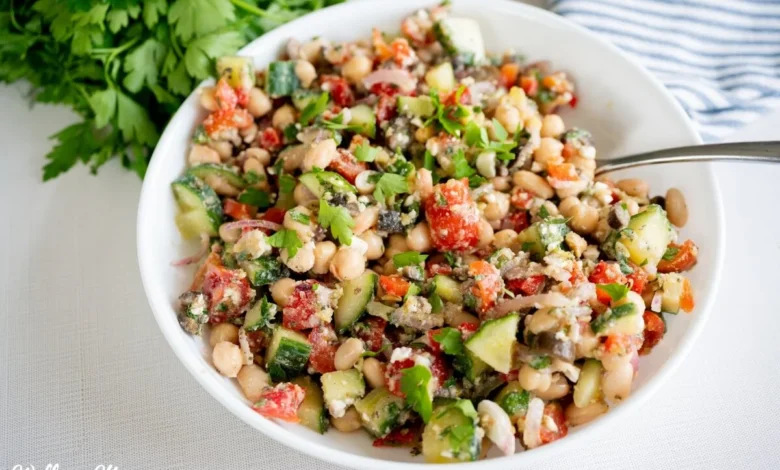
The Mediterranean diet has long been recognized by health organizations and medical researchers as one of the most effective nutritional frameworks for long-term health. At the heart of this dietary pattern lies a focus on whole, plant-based foods, including legumes, vegetables, healthy fats, and aromatic herbs. The Mediterranean bean salad has emerged as a cornerstone of this lifestyle, particularly among health-conscious demographics prioritizing time-efficient meal preparation. This dish combines chickpeas and cannellini beans with a variety of fresh produce, offering a nutrient-dense profile that serves as a practical solution for modern, busy households.
The Nutritional Foundation of the Mediterranean Diet
The Mediterranean diet is characterized by high consumption of monounsaturated fatty acids—predominantly from olive oil—and a significant intake of dietary fiber through legumes and vegetables. Research published in the New England Journal of Medicine indicates that adherence to this diet is associated with a reduced risk of major cardiovascular events.
The bean salad in question leverages this foundation by utilizing legumes as the primary source of protein and complex carbohydrates. Chickpeas and cannellini beans provide a sustained release of energy, contrasting with the glycemic spikes often associated with refined carbohydrates. Furthermore, the inclusion of fresh vegetables, such as bell peppers, cucumbers, and tomatoes, introduces essential micronutrients, including Vitamin C, Vitamin A, and potassium, which are critical for immune function and blood pressure regulation.
Chronology and Evolution of Meal-Prep Culture
The rise of the "meal-prep" movement—the practice of preparing multiple meals in advance—coincides with a broader cultural shift toward intentional eating. Over the past decade, data from consumer behavior studies suggest that households are increasingly moving away from processed convenience foods in favor of homemade, batch-cooked alternatives.
Historically, salad-based meal prep has been hindered by the tendency of leafy greens to oxidize and lose structural integrity when dressed ahead of time. The Mediterranean bean salad resolves this issue by replacing delicate greens with hearty legumes. This structural innovation allows the salad to remain palatable and firm for 72 to 96 hours when refrigerated. Culinary experts note that the marination process—whereby the acidity of the lemon juice and the lipids in the olive oil penetrate the bean skins—actually enhances the flavor profile over time, a phenomenon known as "flavor development through maceration."
Component Analysis: Ingredients and Their Functions
A systematic breakdown of the salad’s components reveals a balance of flavor and function:
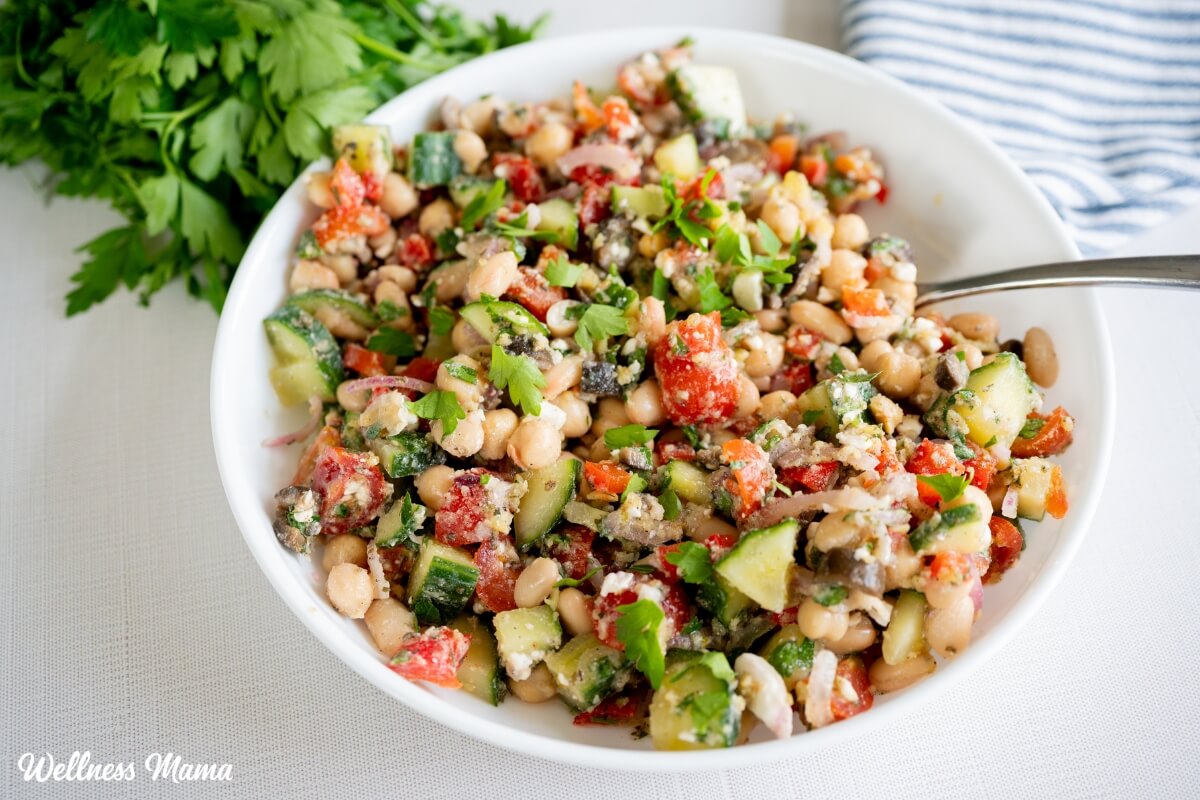
- Legumes (Chickpeas and Cannellini Beans): These provide the bulk of the caloric and fiber content. Fiber is essential for digestive health and the maintenance of a healthy gut microbiome, which recent studies suggest is linked to overall metabolic health.
- Lipids (Extra Virgin Olive Oil): Olive oil is the primary source of monounsaturated fats, specifically oleic acid, which has been shown to reduce markers of inflammation.
- Acidity (Fresh Lemon Juice): The citric acid acts as a natural preservative and flavor enhancer, providing a sharp contrast to the creaminess of the feta cheese.
- Aromatics (Garlic, Parsley, Mint, Oregano): Beyond their culinary contribution, these herbs contain phytochemicals and antioxidants. Garlic, for instance, contains allicin, a compound studied for its potential to support cardiovascular health.
- Proteins (Feta Cheese): Adding a moderate amount of feta provides calcium and high-quality protein, helping to round out the amino acid profile of the dish.
Analytical Perspectives on Food Preparation
From an analytical standpoint, the Mediterranean bean salad represents a shift in how nutritionists view "convenience." In previous years, convenience was often equated with pre-packaged, high-sodium, or ultra-processed meals. Today, the focus has shifted toward "efficient preparation," where the time investment is front-loaded to ensure better dietary choices throughout the week.
By utilizing a simple, repeatable process—such as whisking dressing ingredients in a sealed container and tossing them with pre-washed vegetables—individuals can reduce their reliance on external food sources. This approach not only provides greater control over sodium and caloric intake but also fosters a more sustainable relationship with food consumption. According to recent public health reports, home-prepared meals generally contain 20% to 30% less sodium than restaurant-prepared counterparts, a significant factor for those managing hypertension or cardiovascular risks.
Broader Impact and Industry Trends
The popularity of this specific salad reflects a wider trend in the food industry toward "flexitarian" eating. As more consumers express concerns over the environmental impact of animal-based protein, plant-forward options like bean-based salads are seeing increased demand.
Industry analysts observe that this recipe’s flexibility—allowing for substitutions like butter beans or Kalamata olives—aligns with the growing desire for personalized nutrition. The ability to customize a base recipe to accommodate individual dietary restrictions, such as gluten sensitivity or dairy-free requirements, makes it a resilient staple in modern kitchens. Furthermore, the absence of perishable leafy greens makes this dish an ideal candidate for "grab-and-go" environments, including office cafeterias and school lunch programs that prioritize health.
Implementation and Storage Best Practices
For those looking to integrate this dish into a weekly routine, food safety guidelines emphasize proper storage. To maximize the shelf life and quality of the salad:
- Temperature Control: The salad should be moved to a refrigerated environment at or below 40°F (4°C) as soon as possible after preparation to prevent bacterial growth.
- Container Choice: Glass containers, such as Mason jars, are preferred over plastic, as they are non-reactive and help maintain the integrity of the dressing’s flavor profile.
- The Marination Rule: Allowing the salad to rest for 15 to 30 minutes before initial consumption is critical. This interval allows the osmotic pressure to equalize, drawing the dressing into the denser fibers of the vegetables and beans.
- Batch Integrity: If the salad is intended to last for the full four-day window, adding highly perishable items like diced avocado should be reserved until the moment of serving to prevent browning and texture degradation.
Conclusion: A Sustainable Nutritional Strategy
The Mediterranean bean salad serves as a prime example of how traditional dietary wisdom can be adapted to meet the demands of a high-paced contemporary lifestyle. By focusing on shelf-stable, high-fiber, and nutrient-dense ingredients, this dish provides a scalable solution for individuals aiming to improve their dietary quality.
As public health officials continue to emphasize the importance of reducing intake of ultra-processed foods, the reliance on simple, whole-food recipes will likely continue to grow. Whether served as a standalone lunch or a side dish for grilled proteins, the Mediterranean bean salad remains a reliable, cost-effective, and nutritionally robust option for the modern consumer. Through the application of basic food science principles—such as the role of acidity in flavor enhancement and the strategic use of legumes for texture—this dish demonstrates that simplicity in the kitchen does not necessitate a sacrifice in nutritional quality or gastronomic satisfaction.