Why Your Daily Bread May Be A Hidden Contributor To High Blood Pressure

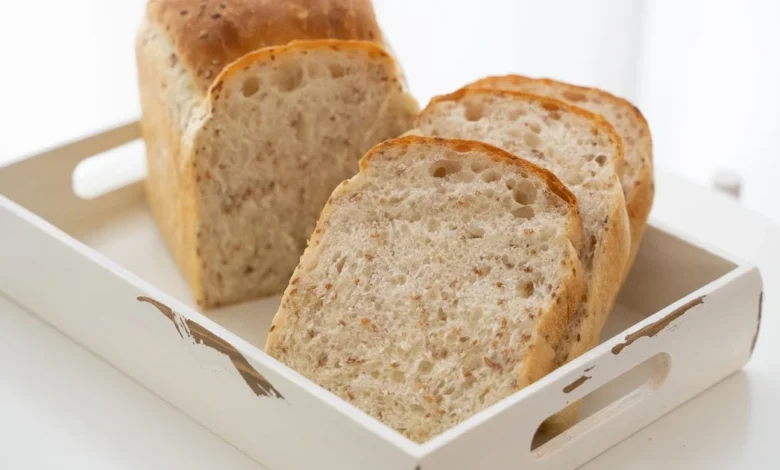
When most consumers evaluate their daily sodium intake, their focus typically gravitates toward processed meats, canned soups, frozen pizzas, and fast-food snacks. These foods are notorious for their intense, savory profiles and high salt content. However, a less conspicuous staple has emerged as a primary focus for cardiovascular researchers: bread. While bread rarely tastes inherently salty, its ubiquity in the modern diet makes it a significant, and often overlooked, source of sodium. Because it is consumed throughout the day—from breakfast toast to lunch sandwiches and dinner accompaniments—the cumulative effect of its sodium content can play a meaningful role in blood pressure management.
The Science of Salt in Baking
To understand why bread contains so much sodium, it is necessary to look beyond flavor. Salt is a functional powerhouse in the baking industry. It regulates yeast fermentation, ensuring the dough does not rise too quickly, which is critical for consistent texture. Furthermore, salt strengthens the gluten network, providing the structure necessary for bread to hold its shape. It also extends shelf life by managing water activity, which helps prevent spoilage.
Because these functions are chemical rather than flavor-based, a loaf of bread can be packed with sodium without tasting particularly savory. This technical necessity leads to wide variations in salt content between products. Data from the Center for Science in the Public Interest (CSPI) has highlighted that sodium levels can fluctuate by as much as 250% between two seemingly identical loaves from different manufacturers. Consequently, two consumers eating the exact same number of slices per day may be consuming vastly different amounts of sodium based solely on brand selection.
Clinical Evidence and Chronology of Research
The relationship between high sodium intake and hypertension is one of the most well-documented correlations in nutritional science. For years, public health organizations have urged the food industry to reformulate products to lower salt content. Recent clinical trials have sought to quantify the impact of such changes specifically regarding bread.
In 2019, a pivotal randomized crossover trial published in the journal Hypertension explored the impact of salt reduction in bread on adults with elevated blood pressure. The study involved 97 participants who were tasked with alternating between standard diets and diets incorporating reduced-sodium bread. The results were telling: participants reduced their overall salt intake by approximately 1.7 grams per day. During the reduced-sodium phase, average systolic blood pressure decreased by 3.3 mmHg. While the study did not suggest that bread was the sole culprit behind high blood pressure, it provided empirical evidence that targeting a staple food for reformulation could yield measurable health benefits.
The momentum of this research continued into 2024, when a randomized controlled pilot study focused on patients with diagnosed hypertension. Over a six-month period, those who switched to lower-sodium bread in conjunction with a controlled diet experienced a 9 mmHg reduction in diastolic blood pressure compared to the control group. These studies serve as a cornerstone for current dietary guidelines, reinforcing that bread is not an inert food item but a significant variable in the blood pressure equation.
Debunking the Whole Wheat Myth
A common misconception among health-conscious consumers is that purchasing whole-wheat or multigrain bread automatically mitigates health risks. While whole grains offer superior fiber content, antioxidants, and essential minerals compared to refined white flour, they are not inherently lower in sodium.
In fact, some highly processed whole-grain breads contain more salt than their white counterparts to compensate for the denser texture of the grain. This creates a "health halo" effect, where consumers assume a product is better for their heart because it is brown, even if the sodium content remains high. Nutritionists and public health advocates consistently emphasize that the color of the bread is a poor proxy for its nutritional profile. A more accurate assessment requires a side-by-side comparison of nutrition labels, specifically focusing on the sodium content per serving and the serving size itself.
Practical Steps for Consumers
The process of identifying lower-sodium bread does not require a degree in nutrition, but it does require attention to detail. The U.S. Food and Drug Administration (FDA) stipulates that products labeled "low sodium" must contain 140 milligrams or less of sodium per serving. However, because many breads are not marketed as such, shoppers must become adept at reading the "Nutrition Facts" panel.
- Verify Serving Size: Manufacturers often list serving sizes that do not match what the consumer actually eats. If one brand defines a serving as one slice and another as two, a direct comparison of the sodium milligrams will lead to a false conclusion. Always normalize the data to a single slice or a specific gram weight.
- Prioritize Fiber-to-Sodium Ratios: When evaluating bread, look for products that offer at least 2–3 grams of fiber per serving while keeping the sodium level as low as possible.
- Check the Ingredient List: Look for products where whole grains are the first ingredient and where sodium is not among the top few additives.
Broader Implications for Public Health
The trend toward "stealth health"—the process of gradually reducing sodium in widely consumed, staple foods—has become a major point of discussion within the food industry. Proponents argue that if manufacturers across the board slowly reduced salt levels in bread, the population-wide impact on blood pressure would be substantial, potentially preventing thousands of cardiovascular events annually.
Critics, however, raise concerns regarding consumer acceptance. If bread is perceived as "bland" due to reduced salt, consumers might simply add salt back at the table or switch to other, even less healthy, processed snacks. This is why researchers are currently looking into alternative ways to maintain texture and flavor, such as using potassium chloride or other salt substitutes, to achieve the same structural results without the high sodium concentration.
Conclusion
Bread remains a staple of the human diet, providing energy, comfort, and, in its whole-grain forms, essential nutrients. However, it is also a significant contributor to the "hidden" sodium in the modern diet. The clinical evidence is clear: the cumulative effect of eating salt-heavy bread multiple times a day creates a persistent, unnecessary load on the cardiovascular system.
For the average consumer, the path forward is not to eliminate bread entirely, but to become a more discerning shopper. By shifting focus away from marketing claims and toward the fine print of the nutrition label, individuals can exert control over a major, silent factor in their heart health. As researchers continue to study the impact of staple-food reformulation, the burden of choice remains with the consumer to prioritize health over convenience in the bread aisle.
Disclaimer: This information is not intended to be a substitute for professional medical advice, diagnosis, or treatment and is for information only. Always seek the advice of your physician or another qualified health provider with any questions about your medical condition and/or current medication. Do not disregard professional medical advice or delay seeking advice or treatment because of something you have read here.
AI Disclaimer: This article was created with the assistance of AI tools and reviewed by a human editor.