Some Blood Pressure Drugs May Quietly Drain Your Zinc — Here’s How To Tell If You’re At Risk

The Mechanism of Nutrient Depletion
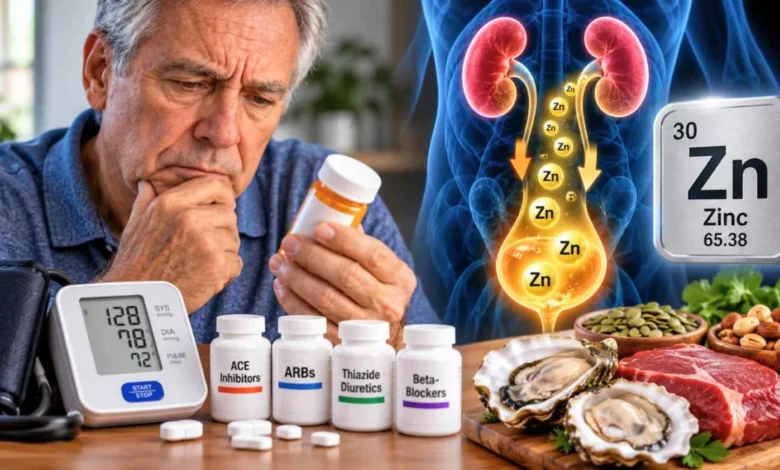
The relationship between antihypertensive therapy and zinc levels is rooted in the way certain classes of drugs interact with the body’s excretory systems. Pharmacological agents often alter how the kidneys process electrolytes and minerals. Research, including a notable 2013 systematic review published in the International Journal of Clinical Practice, has explored this interaction by analyzing data from eight distinct clinical studies.
The review identified that ACE inhibitors, such as captopril and enalapril, as well as angiotensin II receptor blockers (ARBs) like losartan and various thiazide diuretics, are frequently associated with increased urinary zinc excretion. When the kidneys are prompted by these medications to increase fluid output or alter blood vessel constriction, they may inadvertently facilitate the loss of essential minerals alongside the intended waste products. Consequently, some patients undergoing long-term treatment may experience a gradual decline in plasma zinc levels, potentially leading to a sub-clinical deficiency if not balanced by adequate dietary intake.
Chronology and Scientific Evolution
The investigation into this phenomenon is not new, though it remains a specialized area of study within clinical pharmacology. For decades, researchers have tracked how medications—ranging from antibiotics to diuretics—impact the bioavailability of micronutrients.
In the late 20th century, the focus was largely on the interaction between penicillamine and zinc, which set a precedent for understanding how prescription drugs can interfere with nutrient absorption. By the early 2010s, clinical attention shifted toward common cardiovascular drugs. The 2013 systematic review served as a pivotal moment, providing a synthesized look at how various drug classes affect zinc status differently. While ACE inhibitors and thiazide diuretics were flagged for their potential to drain zinc, the same review highlighted a critical distinction: beta-blockers did not demonstrate the same effect on plasma zinc levels. This finding underscored that hypertension management is not a monolith; different drug classes interact with the body’s biochemistry in fundamentally different ways.
Analyzing the Data and Risk Factors
To put the risk into perspective, it is necessary to look at the broader landscape of nutritional status among older adults. According to data provided by the National Institutes of Health (NIH), approximately 20% to 25% of older adults in the United States already suffer from inadequate zinc intake. This baseline vulnerability means that when a patient is prescribed a medication that further promotes zinc excretion, they are at a higher risk of developing a symptomatic deficiency.
However, clinical consensus emphasizes that this is not an immediate or universal crisis for every patient. The medications most strongly associated with zinc loss—captopril and enalapril—are older iterations of ACE inhibitors. Modern prescribing habits have shifted heavily toward drugs like lisinopril, which is currently among the most common blood pressure medications in the U.S. While current clinical references note that overt zinc depletion has not been widely reported with lisinopril, physicians often caution that, given the shared mechanism of action within the ACE inhibitor class, the theoretical possibility of nutrient interaction remains a valid consideration for long-term patients.
Clinical Signs and Symptom Identification
Zinc deficiency manifests in a variety of ways that are often attributed to other causes, making it difficult for patients to self-diagnose. Because zinc is essential for skin integrity and immune response, the most common indicators include:

- Delayed Wound Healing: Zinc is vital for collagen synthesis and tissue repair. If minor cuts or scrapes take an unusually long time to heal, it may be a sign of low zinc levels.
- Sensory Changes: A diminished sense of taste or smell is a classic indicator of zinc deficiency.
- Dermatological Issues: The development of unexplained skin lesions or chronic rashes can sometimes be linked to mineral imbalances.
- Immune Suppression: Frequent colds, infections, or a general feeling of being run-down can suggest that the body’s immune system is struggling due to inadequate mineral support.
While there is public concern regarding the link between zinc levels and cognitive function—specifically regarding Alzheimer’s disease and memory loss—current medical literature does not support a direct causal link between blood-pressure-drug-induced zinc loss and neurodegenerative decline. While zinc plays a fundamental role in brain health, attributing memory loss to medication-induced mineral depletion currently lacks the evidentiary backing required for clinical diagnosis.
Practical Implications for Patients
For patients currently managing hypertension, the goal is not to discontinue necessary medication, but to practice informed monitoring. The most effective approach to mitigating this risk is a collaborative dialogue with a primary care physician.
If a patient has been on an ACE inhibitor, ARB, or diuretic for a prolonged period and is experiencing symptoms such as poor wound healing or changes in sensory perception, requesting a blood test to check serum zinc levels is a straightforward and effective diagnostic step. This is significantly more reliable than assuming a deficiency based solely on a medication list.
Dietary intervention remains the primary recommendation for restoring zinc levels. The mineral is abundant in various nutrient-dense foods, including:
- Oysters and Shellfish: Among the most potent natural sources of zinc.
- Red Meat and Poultry: Provide highly bioavailable forms of the mineral.
- Legumes and Nuts: Essential options for those following plant-forward diets.
- Dairy Products: Offer a consistent, if smaller, source of daily zinc.
Patients should exercise caution regarding over-the-counter supplementation. High-dose zinc supplements can interfere with the absorption of copper and other essential minerals, potentially creating a new health imbalance while trying to fix an old one. Supplementation should only be pursued under the supervision of a healthcare professional who can determine the appropriate dosage based on blood work.
Broader Perspectives on Nutrient-Drug Interactions
The scientific community continues to study the nuances of drug-nutrient interactions, viewing them as a critical component of "depletion-repletion" therapy. This field of study suggests that as we enter an era of personalized medicine, a patient’s medication profile should be viewed in tandem with their nutritional profile.
While the NIH does not currently list most antihypertensive drugs as primary causes of major clinical zinc deficiency—prioritizing instead drugs like penicillamine or specific classes of antibiotics like quinolones—the inclusion of antihypertensives in the research literature serves as a reminder of the complexity of long-term pharmacology. For the millions of Americans managing chronic conditions, this highlights the necessity of a holistic view of health. Managing blood pressure is a long-term commitment that requires not only the regulation of cardiovascular strain but also the ongoing support of the body’s internal metabolic and mineral requirements. By staying informed and maintaining regular communication with medical providers, patients can successfully manage their hypertension while safeguarding their overall nutritional status.