New Texas A&M Research Reveals Creatine Benefits Muscle Mass and Cognitive Function Even Without Exercise

For decades, the prevailing dogma within sports medicine, nutritional science, and clinical practice maintained a strict conditional prerequisite: creatine monohydrate could preserve, support, or build skeletal muscle tissue, but only when paired directly with consistent, high-intensity resistance training. Medical professionals routinely advised older adults or sedentary individuals that taking the supplement without hitting the gym yielded little to no physiological return on investment.
A groundbreaking 12-week study conducted by researchers at the Exercise & Sport Nutrition Lab at Texas A&M University upends this long-standing assumption. Led by investigator Jisun Chun under the oversight of prominent creatine researcher Rick Kreider, the clinical trial evaluated 73 sedentary, middle-aged and older adults. The findings demonstrate that while combining a 10-gram daily dose of creatine with structured physical activity produces the most dramatic improvements in strength and lean body mass, creatine supplementation alone still yields significant muscular and metabolic advantages in the complete absence of exercise. Furthermore, the data highlights measurable cognitive enhancements across both active and sedentary cohorts, offering a promising therapeutic avenue for aging populations facing declining mobility and neurocognitive health.
Background Context and Scientific Evolution
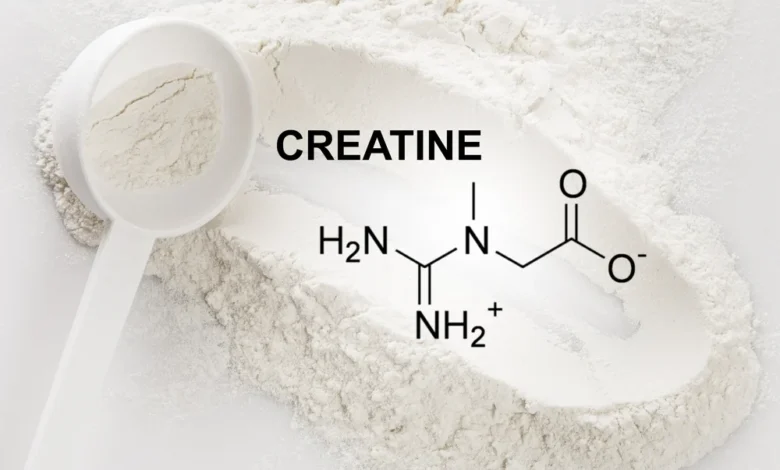
Creatine is an organic compound synthesized naturally in the human liver, kidneys, and pancreas from the amino acids arginine, glycine, and methionine, and it is also ingested through the consumption of red meat and seafood. Inside the body, it is primarily stored in skeletal muscle as phosphocreatine, acting as a rapid-fire energy reserve to regenerate adenosine triphosphate (ATP) during short bursts of high-intensity exertion.
Historically, researchers focused almost exclusively on its utility for elite athletes, bodybuilders, and younger demographics engaged in heavy weightlifting. However, as global populations age, scientists have increasingly turned their attention toward age-related muscle wasting, clinically known as sarcopenia, and neurodegenerative conditions. Sarcopenia typically begins to manifest subtly around the fourth decade of life, accelerating sharply after age 60 and leading to frailty, increased fall risks, loss of independence, and metabolic dysfunction.
Concurrently, researchers have explored creatine’s potential role in brain health. Because cerebral tissue has a high metabolic demand and relies heavily on phosphocreatine energy shuttling, adequate brain creatine levels are vital for optimal cognitive processing. Because only a fraction of ingested creatine crosses the blood-brain barrier—typically estimated at roughly 20% or less under standard 5-gram daily protocols—recent years have seen a scientific pivot toward evaluating higher dosages, such as the 10 grams per day utilized in the Chun study, to optimize cerebral saturation and neuroprotection.
Chronology and Experimental Design of the 12-Week Trial
The investigation was structured to examine the intersection of dietary restriction, physical activity, and targeted supplementation in a controlled clinical environment. Researchers recruited 73 generally healthy, untrained, but overweight or weight-conscious adults ranging in age from 45 to 65 years. Crucially, none of the participants had utilized weight-loss pharmacological agents, such as GLP-1 receptor agonists, or specialized performance supplements prior to enrollment.
Upon entering the trial, all participants were placed on a standardized weight-loss nutritional framework modeled directly after the American Heart Association’s dietary guidelines. This regimen consisted of 55% carbohydrates, 15% protein, and 30% fat, carefully calibrated to establish a mild daily caloric deficit of 300 to 500 kilocalories. Adherence to this nutritional blueprint was rigorously tracked using the MyFitnessPal smartphone application, ensuring dietary consistency across the study groups.

The participants were initially randomized in a double-blind fashion to receive either 10 grams per day of creatine monohydrate, administered as two daily 5-gram doses, or an equivalent maltodextrin placebo. Participants were then further stratified based on their own lifestyle preferences into structured exercise routines or sedentary control groups, ultimately creating a four-arm comparative trial design:
- Group A: Creatine monohydrate supplementation without structured exercise or training (N=15)
- Group B: Placebo without structured exercise or training (N=16)
- Group C: Structured exercise program plus creatine monohydrate supplementation (N=21)
- Group D: Structured exercise program plus placebo (N=21)
Of the original 73 recruits, 64 individuals—comprising 40 females and 24 males—successfully completed the full 12-week intervention. The active exercise protocol was multifaceted, incorporating thrice-weekly supervised resistance training utilizing free weights and body-weight movements, aerobic training on stationary bicycles, and mandatory daily walking goals of 10,000 steps on non-training days.
To map physiological and cognitive transformations, the investigative team deployed dual-energy X-ray absorptiometry (DXA) body composition scans, comprehensive fasting blood panels, and standardized cognitive function and memory assessments at baseline, week 6, and week 12.
Detailed Findings: Muscle, Metabolism, and Cognitive Performance
When the 12-week trial concluded, the data revealed clear distinctions between the intervention arms, alongside several paradigm-shifting surprises. As anticipated, participants in the exercise-plus-creatine groups achieved the most pronounced outcomes, displaying superior weight loss, greater fat mass reduction, and optimized overall body composition compared to the non-exercise groups. Furthermore, those who engaged in physical training—regardless of whether they took creatine or a placebo—exhibited statistically significant reductions in waist and hip circumferences, alongside lower systolic and diastolic blood pressure readings.
However, the primary revelation centered on the non-exercising group receiving creatine. Contrary to decades of clinical assumptions, participants taking 10 grams of creatine daily without engaging in any structured fitness regimen still experienced measurable increases in lean tissue mass, enhanced fat-free mass retention, and improvements in baseline muscle strength and endurance. Moreover, these individuals demonstrated favorable shifts in secondary health markers, including blood lipid profiles, glycated hemoglobin (HbA1c) levels, and specific cognitive testing parameters relating to executive function and memory retention.
These findings closely mirror a growing body of independent literature, including a prominent 2025 meta-analysis led by Ashtary-Larky and colleagues, which concluded that unexercised populations receiving creatine experienced dose-dependent increases in fat-free mass. The Texas A&M researchers noted that while exercise amplifies the anabolic signaling pathways required for maximum hypertrophy, creatine exerts independent cellular hydration, metabolic efficiency, and anti-catabolic effects that help preserve muscle tissue even during periods of caloric restriction and sedentary living.
Safety Profile, Dosing Considerations, and Renal Biomarkers
Because the research team utilized a 10-gram daily dose—double the conventional 5-gram standard typically recommended by fitness trainers—monitoring safety and systemic tolerance was a paramount priority.
The findings confirmed that the elevated dosage was remarkably well-tolerated by middle-aged and older adults, with zero reports of severe adverse events or systemic toxicity. Minor, predictable physiological shifts were observed: participants consuming creatine exhibited expected increases in urinary creatinine excretion, alongside slight upward adjustments in serum creatinine and correspondingly lower estimated glomerular filtration rate (eGFR) calculations. However, these shifts remained minor—with changes remaining under 0.15 mg/dL—and eGFR values stayed safely within normal clinical parameters throughout the 12-week duration. No clinical indicators of renal compromise or structural kidney damage were detected.

This aligns seamlessly with expansive safety data published by Kreider’s research group in 2025. That sweeping safety evaluation synthesized data from 685 clinical trials encompassing a total of 12,839 subjects, confirming that creatine supplementation presents an exceptionally low risk profile. While occasional, transient gastrointestinal distress or mild muscle cramping can occur in sensitive individuals, the compound does not elevate the risk of serious long-term renal or hepatic complications.
Broader Implications for Clinical Practice and Public Health
The implications of the Texas A&M study extend far beyond athletic performance, holding profound significance for public health, geriatric medicine, and preventative clinical care.
As healthcare systems grapple with the compounding societal costs of obesity, metabolic syndrome, age-related muscle atrophy, and cognitive decline, clinicians are actively searching for safe, accessible, and scalable interventions. Traditional weight-loss diets often precipitate dangerous losses of lean muscle mass and bone density, particularly in older demographics, accelerating the onset of sarcopenia. The integration of creatine monohydrate into weight management protocols offers a practical mechanism to protect lean tissue during caloric restriction.
Moreover, the revelation that creatine confers muscular and cognitive advantages independently of rigorous physical exercise opens new therapeutic horizons. Millions of elderly, mobility-impaired, or chronically ill individuals find structured resistance training physically impossible due to joint degradation, severe fatigue, or structural disabilities. Providing an evidence-based nutritional supplement that can partially mitigate muscle wasting and support neurocognitive function without demanding high-impact physical exertion represents a major leap forward in personalized geriatric care.
Limitations and Future Research Directions
While the study offers robust, highly encouraging signals, the investigators were transparent regarding its methodological limitations. The trial duration was relatively short at 12 weeks, the sample size was modest, and the participant demographic was restricted to relatively healthy, active middle-aged and younger-old adults (ages 45 to 65). Additionally, participation in the exercise arm was self-selected rather than randomly assigned, introducing potential baseline behavioral biases.
Looking ahead, researchers emphasize the necessity of long-term longitudinal trials to determine whether these physiological and cognitive improvements compound over years or decades. Future investigations must also evaluate whether creatine monohydrate can effectively prevent, halt, or reverse advanced sarcopenia in frail, elderly, and institutionalized populations.
Nevertheless, the Chun study provides compelling clinical validation for the routine incorporation of creatine monohydrate into nutritional strategies designed for weight management and healthy aging. By decoupling muscle preservation from the absolute requirement of strenuous exercise, this research broadens the therapeutic utility of one of the world’s most thoroughly researched and safest nutritional supplements.