New Clinical Trial Reveals THC-Based Medication Significantly Reduces Severe PTSD Nightmares and Restores Sleep for Trauma Survivors

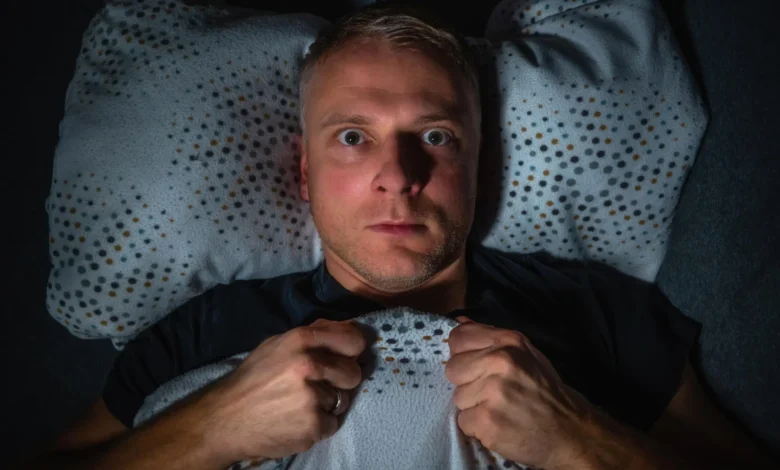
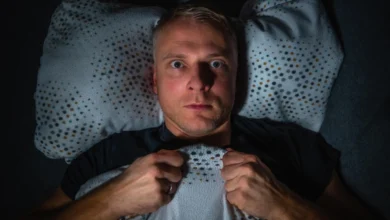
Post-traumatic stress disorder (PTSD) remains one of the most complex and debilitating psychiatric conditions confronting modern medicine. Triggered by severe trauma—ranging from military combat and violent assaults to catastrophic natural disasters and life-threatening accidents—the disorder fundamentally alters how the human brain processes and stores memory. Among the most harrowing and persistent symptoms experienced by those with PTSD are recurrent, highly vivid nightmares that effectively force individuals to relive their worst moments while asleep. These nocturnal episodes frequently induce profound sleep deprivation, severe anxiety, and a debilitating fear of going to bed. For decades, clinicians have struggled to find effective pharmaceutical interventions, as standard antidepressants and blood-pressure-lowering medications often yield limited results specifically tailored to trauma-related nightmares.
Addressing this critical therapeutic gap, a landmark clinical trial conducted by researchers at Charité – Universitätsmedizin Berlin, in collaboration with several prominent German medical institutions, has investigated the efficacy of Dronabinol—a prescription medication containing tetrahydrocannabinol (THC), the primary psychoactive compound derived from cannabis. Published in the peer-reviewed journal Nature Medicine, the study’s findings indicate that more than half of the participants receiving the THC-based treatment experienced a substantial clinical response, with over a third reporting that their distressing nightmares vanished entirely over the course of the ten-week trial.
The Anatomy of Trauma: Why PTSD Nightmares Defy Standard Care
To understand the significance of this breakthrough, one must examine the neurological mechanisms underlying PTSD. When an individual experiences overwhelming, life-threatening stress, the brain’s standard memory consolidation pathways can become impaired. Instead of being filed away as a past event with appropriate contextual framing, traumatic memories can remain encoded in a raw, hyper-aroused state. This dysfunction allows intrusive memories to break through into consciousness unbidden, manifesting as daytime flashbacks and terrifying nocturnal disturbances.
During rapid eye movement (REM) sleep, a healthy brain typically processes emotional experiences and regulates stress responses. For individuals grappling with PTSD, however, REM sleep often becomes a battleground where traumatic events replay with unrelenting vividness. Traditional pharmacological treatments, such as selective serotonin reuptake inhibitors (SSRIs) or prazosin (a hypertension medication sometimes prescribed off-label for nightmares), offer generalized relief for mood or autonomic arousal but frequently fail to quiet the nocturnal theatre of PTSD. Furthermore, regulatory frameworks in countries like Germany have historically lacked a specialized, approved medication dedicated strictly to neutralizing trauma-induced nightmares.
Recognizing this unmet need, a research team led by Prof. Stefan Röpke, who studies trauma-related disorders at the Department of Psychiatry and Neurosciences on the Benjamin Franklin Campus of Charité, turned their scientific focus toward the human endocannabinoid system.
The Endocannabinoid Connection and the Science of THC
The endocannabinoid system is an intricate cell-signaling network found throughout the human body, playing a pivotal role in regulating a vast array of physiological processes, including mood, appetite, pain sensation, stress adaptation, and sleep architecture. Endocannabinoids and their receptors are densely populated in brain regions responsible for emotional memory processing and fear extinction, such as the amygdala and the hippocampus.
THC interacts directly with these receptors, mimicking the body’s natural endocannabinoids. Prof. Röpke and his colleagues hypothesized that introducing exogenous THC could modulate this system to dampen the hyperactive emotional responses characteristic of PTSD during sleep. "There is evidence suggesting that during REM sleep—the intense dream phases in which the brain processes experiences and regulates emotions—THC reduces dream activity and thereby alleviates nocturnal stress responses," Röpke explained.
The regulatory environment for cannabis-based therapeutics in Europe has evolved significantly in recent years. In Germany, the landscape shifted notably following the enactment of the "Cannabis for medical purposes" legislation in 2017. This legal framework expanded the approved medical and scientific applications of cannabinoids derived from plants or produced synthetically, paving the way for rigorous, institutional clinical trials using standardized pharmaceutical preparations.
Methodology and Chronology of the Clinical Trial
To rigorously test whether Dronabinol could safely and effectively mitigate PTSD-related nightmares, the research consortium designed a gold-standard clinical evaluation. The study enlisted more than 170 adult participants who had been formally diagnosed with PTSD and who suffered from frequent, severe, and treatment-resistant nightmares.
The trial adhered to a rigorous double-blind, placebo-controlled protocol—the highest methodological standard in clinical research. Neither the patients nor the attending healthcare professionals and researchers knew who was receiving the active therapeutic compound versus the inactive substance.
Over a strict ten-week intervention period, participants were instructed to self-administer the assigned oral drops each evening prior to sleep. Half of the cohort received Dronabinol drops containing pharmaceutical-grade THC, while the control group received a specially formulated, cannabis-flavored placebo designed to be indistinguishable in taste, appearance, and packaging.
Throughout the ten-week chronology, researchers tracked symptom progression using standardized clinical scales designed to quantify nightmare frequency, intensity, and associated distress.
Quantitative Outcomes: Significant Reduction in Nightmare Burden
At the conclusion of the ten-week trial period, the data revealed a clear, statistically significant divergence between the treatment and control cohorts. Nightmare severity was measured using a standardized clinical scale ranging from zero to eight.
Participants in the Dronabinol group experienced an average reduction in their nightmare burden of 3.7 points. In stark contrast, the placebo group registered an average decrease of 2.2 points. While the placebo effect—often potent in psychiatric trials—accounted for some improvement, the additional reduction provided by the THC-based medication translated into a profound, noticeable difference in the daily lives of the patients.
The qualitative and clinical milestones achieved within the treatment arm were particularly striking:
- Complete Remission: More than one-third (over 33 percent) of the patients treated with Dronabinol reported that their nightmares ceased entirely by the end of the ten weeks.
- Substantial Reduction: An additional 21 percent of participants in the Dronabinol group noted that their overall nightmare burden had been reduced by at least half.
- General Well-Being: Approximately five out of six patients taking the active medication reported that their subjective health and quality of life had markedly improved over the course of the study.
Despite these dramatic improvements in sleep architecture and nocturnal trauma suppression, the researchers observed that Dronabinol acted selectively. The cannabinoid did not demonstrate a statistically significant reduction in the overarching, multi-faceted severity of daytime PTSD symptoms or co-occurring clinical depression. Nevertheless, by effectively breaking the cycle of nightly terror, the treatment provided the foundational rest necessary for patients to begin reclaiming their lives.
Safety Profile, Tolerability, and Absence of Dependence
A critical concern surrounding any cannabinoid-based therapy is its safety profile, potential for abuse, and the development of tolerance or withdrawal symptoms. The Charité-led trial monitored these parameters closely throughout the intervention and post-treatment phases.
The findings offered reassuring data regarding tolerability. No severe adverse events were reported among participants taking Dronabinol. Mild to moderate side effects—such as transient dizziness, mild headaches, and an increased appetite—did occur more frequently in the Dronabinol arm compared to the placebo group, but these effects were generally well-tolerated and did not prompt widespread discontinuation of the regimen.
Crucially, when the evening doses were abruptly stopped at the conclusion of the ten-week trial, researchers observed no physiological or psychological withdrawal symptoms, nor any immediate signs of compulsive drug-seeking behavior or chemical dependence. This finding challenges historical stigmas associated with cannabinoid use and underscores the viability of controlled medical applications under clinical supervision.
Broader Implications, Limitations, and Future Research Directions
The implications of this study extend far beyond the immediate findings, offering a promising new avenue for psychopharmacology. For populations with high rates of trauma exposure—including military veterans, emergency first responders, and survivors of systemic violence or abuse—treatment-resistant nightmares represent a major barrier to recovery. By isolating sleep disruption as a specific target for cannabinoid intervention, medicine may soon possess a targeted tool to interrupt one of the most agonizing cycles of PTSD.
However, researchers and medical experts emphasize the need for cautious optimism. The current study was limited to a ten-week duration, leaving open questions regarding the long-term efficacy of Dronabinol. Future clinical investigations must determine whether patients gradually develop a pharmacological tolerance to THC over extended periods, which could potentially diminish its therapeutic impact over months or years of continuous use. Furthermore, researchers plan to explore combinatorial therapies, investigating how cannabinoid interventions can be integrated alongside established trauma-focused psychotherapies like Cognitive Processing Therapy (CPT) or Prolonged Exposure (PE) therapy.
The collaborative research effort was spearheaded by Charité – Universitätsmedizin Berlin, with key contributions from the Psychiatric University Clinic of the Charité at St. Hedwig Hospital, the University Medical Center Hamburg-Eppendorf, and the Central Institute for Mental Health in Mannheim. Financial and logistical support for the scientific undertaking was provided in part by the pharmaceutical company Bionorica SE.
As clinical trials advance, the medical community moves closer to rewriting treatment guidelines for post-traumatic stress disorder, offering renewed hope to millions of trauma survivors worldwide who have long suffered in the silence of the night.