New Clinical Trial Reveals THC-Based Medication Significantly Reduces Severe PTSD Nightmares and Restores Sleep

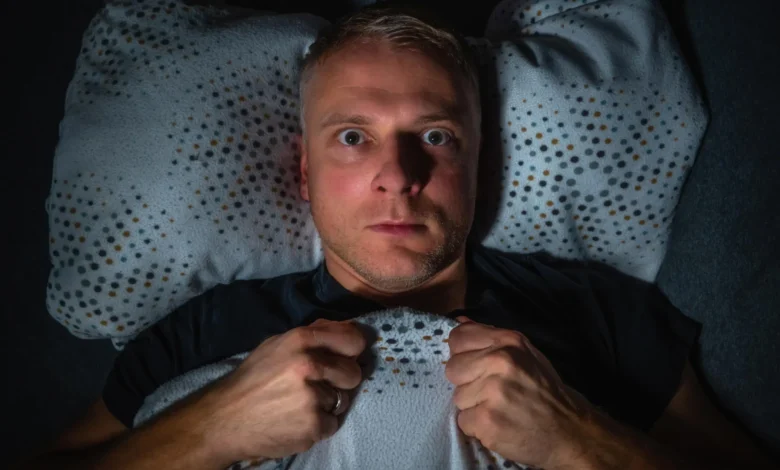
For millions of individuals living with post-traumatic stress disorder (PTSD), the nightmare does not end when the waking day concludes. Instead, the nocturnal hours often bring a terrifying resurgence of past trauma, plunging sufferers back into life-threatening events with agonizing clarity. These persistent, vivid nightmares are among the most debilitating symptoms of PTSD, frequently driving victims into chronic sleep deprivation, profound anxiety, and a pervasive dread of going to bed. Traditional pharmacological interventions—ranging from standard antidepressants to blood pressure-lowering medications—have historically yielded limited relief for these specific sleep disturbances, leaving clinicians with few reliable tools.
However, a landmark clinical study conducted by researchers at Charité – Universitätsmedizin Berlin, published in the prestigious journal Nature Medicine, offers a new avenue of hope. The investigation evaluated Dronabinol, a prescription medication containing tetrahydrocannabinol (THC)—the primary psychoactive compound derived from the cannabis plant—as a targeted treatment for trauma-induced nightmares. The findings demonstrate that a THC-based pharmaceutical intervention can substantially diminish nightmare severity, with more than half of the trial participants responding positively and over a third reporting the complete cessation of their nightmares altogether.
Understanding the Intractable Nature of Trauma-Related Nightmares
Post-traumatic stress disorder is a complex psychiatric condition that can manifest after an individual endures or witnesses severe trauma, such as natural disasters, violent assaults, combat exposure, or serious accidents. The core pathology of PTSD lies in the brain’s impaired capacity to process overwhelming, life-threatening experiences. Rather than being filed away as static historical memories, traumatic events remain improperly integrated, leaving neural pathways hyper-reactive. Consequently, fragments of the memory resurface involuntarily, breaching consciousness without warning during both waking hours and sleep.
During the REM (rapid eye movement) sleep cycle—the critical phase wherein the brain consolidates memories and regulates emotional processing—individuals with PTSD frequently experience intense, repetitive nightmares. These episodes trigger acute physiological stress responses, often waking the patient in a state of sheer panic. Over time, this chronic disruption architecture leads to severe sleep loss, exacerbating daytime anxiety, depression, and overall functional impairment.
Despite the high prevalence and severity of these symptoms, current therapeutic options remain inadequate. In many jurisdictions, including Germany, regulatory bodies have yet to approve a specialized medication explicitly indicated for trauma-induced nightmares. While off-label prescriptions of antidepressants and alpha-1 adrenergic blockers (such as prazosin) are common, their efficacy varies widely, and they rarely provide targeted relief for the nocturnal disruptions themselves. This therapeutic gap motivated Prof. Stefan Röpke and his investigative team at the Department of Psychiatry and Neurosciences on the Benjamin Franklin Campus of Charité to explore alternative neurobiological mechanisms, ultimately focusing on the human endocannabinoid system.
The Endocannabinoid System and the Rationale for THC
The endocannabinoid system is a vast network of endogenous cannabinoid receptors (primarily CB1 and CB2) and neurotransmitters that play a foundational role in modulating numerous physiological processes, including mood, appetite, pain sensation, memory consolidation, and sleep architecture. High concentrations of CB1 receptors are located in brain regions critical for emotional regulation and fear extinction, such as the amygdala, hippocampus, and prefrontal cortex—areas notoriously dysregulated in patients with PTSD.
THC functions as a partial agonist to these cannabinoid receptors, effectively mimicking the body’s natural endocannabinoids. Prof. Röpke and his colleagues hypothesized that introducing exogenous THC could help recalibrate this signaling pathway during sleep. "There is evidence suggesting that during REM sleep—the intense dream phases in which the brain processes experiences and regulates emotions—THC reduces dream activity and thereby alleviates nocturnal stress responses," Röpke explained. By dampening the hyperactive emotional processing that characterizes PTSD-related dreaming, THC theoretically interrupts the cycle of nocturnal retraumatization, allowing patients to achieve deeper, more restorative rest.
Methodology and Chronology of the Clinical Trial
The journey toward evaluating cannabis-based medicines for psychiatric applications has evolved significantly over the past decade, influenced by shifting legal and regulatory frameworks. In Germany, clinical exploration received a notable impetus following the enactment of the "Cannabis for medical purposes" law in 2017. This legislation significantly expanded the legal parameters for the prescription, research, and utilization of plant-derived and synthetic cannabinoids, facilitating rigorous academic investigation into substances like Dronabinol—a pure, synthetically produced or plant-extracted form of THC administered in precise liquid drop formulations.
To rigorously test the efficacy of Dronabinol against PTSD-related nightmares, Charité initiated a multi-center, gold-standard clinical trial. The study was structured as a double-blind, randomized, placebo-controlled trial—the undisputed benchmark in clinical research designed to eliminate subjective bias from both participants and healthcare providers.
The Chronology and Setup of the Study:
- Patient Recruitment: Researchers enrolled over 170 adult participants diagnosed with confirmed PTSD who suffered from frequent, severe, and clinically distressing nightmares.
- Intervention Phase: Spanning a duration of ten weeks, participants were randomly assigned to receive either daily evening doses of Dronabinol drops or an identical, cannabis-flavored placebo. Neither the patients nor the attending clinicians knew who was receiving the active medication.
- Monitoring and Evaluation: Throughout the ten-week period, patient symptom progression was systematically tracked using validated clinical scales measuring nightmare frequency, severity, and overall sleep quality.
- Post-Trial Evaluation: Upon conclusion of the active treatment phase, researchers evaluated therapeutic outcomes, monitored for potential withdrawal symptoms, and assessed adverse event profiles.
Measurable Outcomes: Significant Reductions in Nightmare Burden
At the conclusion of the ten-week trial, the data revealed a statistically significant divergence between the treatment group and the control cohort. Nightmare severity was quantified using a standardized scale ranging from zero to eight.
Participants in the Dronabinol group experienced an average reduction in their nightmare burden of 3.7 points. In contrast, the placebo group demonstrated an average decrease of 2.2 points. While a placebo effect is common in psychiatric trials due to the psychological benefit of receiving structured care, the margin of difference achieved by the active THC intervention was both clinically meaningful and immediately perceptible to the patients.
Furthermore, the qualitative outcomes reported by researchers highlighted the profound impact of the drug on a substantial subset of patients. "More than a third of the patients treated with Dronabinol reported that they no longer experienced any nightmares after ten weeks," noted Prof. Röpke. "Another 21 percent reported that their nightmare burden had been at least halved. And about five out of six patients in the dronabinol group felt their health had markedly improved."
Safety Profile, Side Effects, and Specificity of Action
A critical consideration in the pharmacological management of PTSD is the risk of adverse effects, substance dependence, and abuse potential, particularly when utilizing compounds structurally related to cannabis. The Charité trial paid meticulous attention to safety metrics, yielding reassuring results regarding the tolerability of Dronabinol.
The data indicated that Dronabinol acted with a notable degree of specificity. Rather than acting as a panacea that resolved all manifestations of post-traumatic stress disorder simultaneously, the cannabinoid primarily targeted sleep architecture and nocturnal disturbances. The research team was unable to definitively establish that the treatment significantly reduced overall daytime PTSD symptom severity or comorbid depressive disorders. Nevertheless, by effectively breaking the cycle of nightly trauma reliving, the intervention provided secondary psychological relief that substantially improved overall quality of life.
Regarding safety and tolerability:
- Side Effect Profile: No severe or life-threatening adverse events were reported during the trial. Mild to moderate side effects—such as transient dizziness, headaches, and increased appetite—occurred at a higher frequency among patients receiving Dronabinol compared to the placebo group, but these were generally well-tolerated.
- Dependency and Withdrawal: Crucially, researchers observed no signs of physical dependence or withdrawal symptoms when participants abruptly ceased their evening doses at the conclusion of the ten-week study period. This finding alleviates longstanding clinical concerns regarding the discontinuation challenges often associated with cannabinoid-based therapies.
Broader Implications and Future Research Directions
The publication of these findings in Nature Medicine marks a significant milestone in psychopharmacology, offering empirical validation for the therapeutic use of cannabinoids in specific psychiatric contexts. By demonstrating that targeted modulation of the endocannabinoid system can mitigate trauma-induced nightmares, the study opens new pathways for clinicians treating patient populations that have proven resistant to conventional therapies, such as military veterans, survivors of physical or sexual violence, and first responders.
However, researchers and institutional leaders emphasize that further investigation is warranted before broad clinical guidelines can be rewritten. Collaborative institutions involved in the research—including the Psychiatric University Clinic of Charité at St. Hedwig Hospital, the University Medical Center Hamburg-Eppendorf, and the Central Institute for Mental Health in Mannheim, with support from pharmaceutical partner Bionorica SE—are already planning subsequent phases of study.
Future clinical trials will seek to address several remaining questions:
- Long-Term Efficacy and Safety: Determining whether the therapeutic benefits of Dronabinol are sustained over extended periods exceeding ten weeks.
- Pharmacological Tolerance: Assessing whether patients develop a physiological tolerance to THC over prolonged use, which could potentially diminish its effectiveness over time.
- Combination Therapies: Exploring how cannabinoid interventions can be optimally integrated with established trauma-focused psychotherapies, such as Cognitive Processing Therapy (CPT) and Prolonged Exposure (PE) therapy.
As medical science continues to untangle the complex neurobiology of trauma, these findings represent a vital step forward. For individuals whose nights have long been defined by the inescapable replay of their darkest moments, the integration of targeted cannabinoid therapy offers a scientifically grounded pathway toward uninterrupted sleep and psychological recovery.