A landmark study led by researchers at the University of Southern California (USC) Leonard Davis School of Gerontology has identified a previously unknown biological pathway that may explain how the Mediterranean diet promotes longevity and protects against age-related diseases. The research, published in the journal Frontiers in Nutrition, suggests that the benefits of this traditional eating pattern are mediated by tiny, potent proteins produced within the mitochondria—the energy-producing powerhouses of human cells. These microproteins, specifically Humanin and SHMOOSE, appear to act as molecular messengers that translate dietary intake into cellular health, offering a new frontier in the understanding of precision nutrition and geriatric medicine.
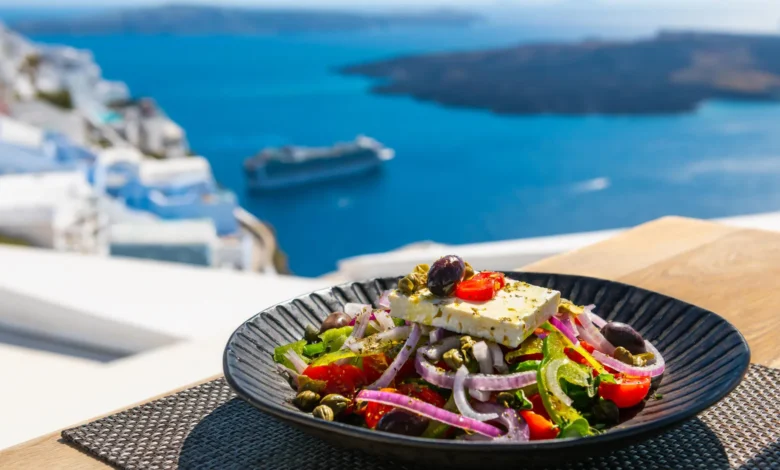
For decades, the Mediterranean diet—characterized by a high intake of olive oil, legumes, fruits, vegetables, and fish, and a low intake of refined sugars and processed meats—has been hailed as the gold standard for healthy aging. While its associations with reduced risks of cardiovascular disease, type 2 diabetes, and cognitive decline are well-documented, the exact cellular mechanisms have remained elusive. This new study provides a significant piece of the puzzle by shifting the focus from broad metabolic markers to the inner workings of mitochondrial DNA.
The Role of Mitochondrial Microproteins in Aging
Mitochondria are best known for their role in generating adenosine triphosphate (ATP), the primary energy currency of the cell. However, modern biology has revealed that mitochondria are far more than just "power plants." They function as sophisticated signaling hubs that communicate with the rest of the cell to regulate metabolism, inflammation, and stress responses.
The USC study focused on two specific mitochondrial-derived peptides (MDPs): Humanin and SHMOOSE. Unlike most proteins, which are encoded by DNA in the cell’s nucleus, these microproteins are encoded by the mitochondria’s own unique genetic material. Humanin was the first MDP discovered, identified by Dr. Pinchas Cohen and his colleagues in 2003. Since its discovery, it has been linked to various protective effects, including improved insulin sensitivity, neuroprotection, and the prevention of cell death.
SHMOOSE, a more recent discovery by the Cohen laboratory, is a tiny protein that appears to play a critical role in brain health. A specific genetic variant of SHMOOSE has been associated with an increased risk of Alzheimer’s disease, while the standard form of the protein is thought to help shield neurons from the toxic effects of amyloid-beta plaques. The finding that a specific diet can elevate these protective proteins represents a major shift in how scientists view the interaction between lifestyle and genetics.
Dietary Patterns and Molecular Signaling
The research team analyzed blood samples from a cohort of older adults, assessing their adherence to the Mediterranean diet through standardized nutritional scoring. The results were striking: participants who followed the diet most closely exhibited significantly higher circulating levels of both Humanin and SHMOOSE.
The study further dissected the diet to identify which components had the strongest impact on these microproteins. High consumption of olive oil, fish, and legumes was specifically correlated with increased levels of Humanin. Meanwhile, SHMOOSE levels were most strongly associated with olive oil intake and a significant reduction in refined carbohydrates.
Refined carbohydrates, such as white bread, pastries, and sugary snacks, are known to cause rapid spikes in blood glucose and insulin. The study suggests that these dietary stressors may suppress the production of beneficial mitochondrial signals. Conversely, the healthy fats found in olive oil and the complex nutrients in legumes appear to create an internal environment that encourages mitochondrial "communication," effectively telling the body’s cells to remain in a state of repair and resilience rather than aging and decay.
A New Mechanism for Cardioprotection
One of the most significant findings of the study involves the relationship between Humanin and an enzyme known as Nox2 (NADPH oxidase 2). Nox2 is a major source of reactive oxygen species (ROS) in the cardiovascular system. While ROS are necessary in small amounts for signaling, an excess leads to oxidative stress, which damages blood vessels and contributes to atherosclerosis and heart failure.
The researchers discovered that higher levels of Humanin were associated with lower activity of Nox2. This suggests a dual-action mechanism for the Mediterranean diet: it provides direct antioxidants through food sources while simultaneously triggering the production of Humanin, which then works internally to suppress the enzymes that create oxidative damage.
"This could represent a new cardioprotective mechanism of the Mediterranean diet," noted Roberto Vicinanza, an instructional associate professor of gerontology at the USC Leonard Davis School and the study’s lead author. By restraining damaging cellular pathways, these microproteins act as a biological shield for the heart and blood vessels.
The Evolution of Mitochondrial Research
The study is the culmination of over 20 years of research led by Pinchas Cohen, Dean of the USC Leonard Davis School and a pioneer in mitochondrial biology. For a long time, the regions of the mitochondrial genome that produce these microproteins were dismissed as "junk DNA" or non-functional sequences. Cohen’s work has overturned this assumption, proving that these "small open reading frames" (sORFs) produce biologically active molecules that are essential for human health.
From an evolutionary perspective, mitochondria are thought to have originated from ancient bacteria that entered into a symbiotic relationship with early eukaryotic cells over a billion years ago. This "endosymbiotic theory" explains why mitochondria have their own DNA. Vicinanza suggests that the Mediterranean diet, which emphasizes whole, minimally processed foods, may be the dietary pattern to which our ancient mitochondrial organelles are best adapted. In contrast, the modern Western diet, high in ultra-processed foods, may be a biological mismatch that disrupts these ancient signaling pathways.
Global Implications and the International Day of the Mediterranean Diet
The implications of this research extend beyond the laboratory and into the realm of global public health. Roberto Vicinanza has been a vocal advocate for the Mediterranean diet not just as a nutritional choice, but as a cultural and environmental asset. He has collaborated with the Municipality of Pollica in Italy—a community recognized by UNESCO as an "emblematic" home of the Mediterranean diet—to advocate for its global preservation.
These efforts contributed to the establishment of the International Day of the Mediterranean Diet, to be observed annually on November 16. This United Nations-supported initiative aims to raise awareness about the diet’s role in promoting sustainable food systems and human health. The USC study provides the scientific "teeth" for such global initiatives, proving that traditional wisdom is backed by cutting-edge molecular evidence.
Toward Precision Nutrition
The study also marks a significant step toward "precision nutrition"—a burgeoning field that aims to move away from one-size-fits-all dietary advice. By identifying Humanin and SHMOOSE as biomarkers for dietary adherence, researchers may eventually be able to use blood tests to determine how well an individual is responding to a specific diet.
"Humanin and SHMOOSE could serve as biomarkers for adherence to the Mediterranean diet and have clinical significance," said Dean Pinchas Cohen. In the future, a clinician might be able to measure these microproteins to assess a patient’s risk for Alzheimer’s or heart disease and prescribe specific dietary adjustments to boost their internal "molecular messengers."
Limitations and Future Directions
Despite the promising results, the researchers cautioned that the study was observational in nature. While it showed a strong association between the Mediterranean diet and microprotein levels, it does not definitively prove that the diet caused the increase. Other lifestyle factors common among those who eat well—such as regular physical activity, higher socioeconomic status, or lower smoking rates—could also play a role.
The study cohort was also relatively small, consisting primarily of older adults. Future research will need to determine if these dietary effects are seen in younger populations and across different ethnic groups. The next phase of research will likely involve clinical trials where participants’ diets are strictly controlled to see if shifting to a Mediterranean pattern can directly "turn on" the production of Humanin and SHMOOSE in real-time.
Conclusion
The USC Leonard Davis School study represents a convergence of ancient tradition and 21st-century science. By linking the Mediterranean diet to the production of mitochondrial microproteins, the research offers a compelling explanation for why certain foods have such a profound impact on the human lifespan. As scientists continue to map the "mitochondrial signalome," the humble ingredients of the Mediterranean table—olive oil, fish, and greens—appear more than ever to be the keys to unlocking a healthier, longer life at the cellular level.
As the world prepares for the inaugural International Day of the Mediterranean Diet on November 16, this study serves as a reminder that the most effective medicines for aging might not come from a pharmacy, but from a deep understanding of how our cells communicate with the food we eat.
Related posts: