Unseen Cellular Toll: How Excess RNA Disrupts Mitochondria and Threatens Cell Energy

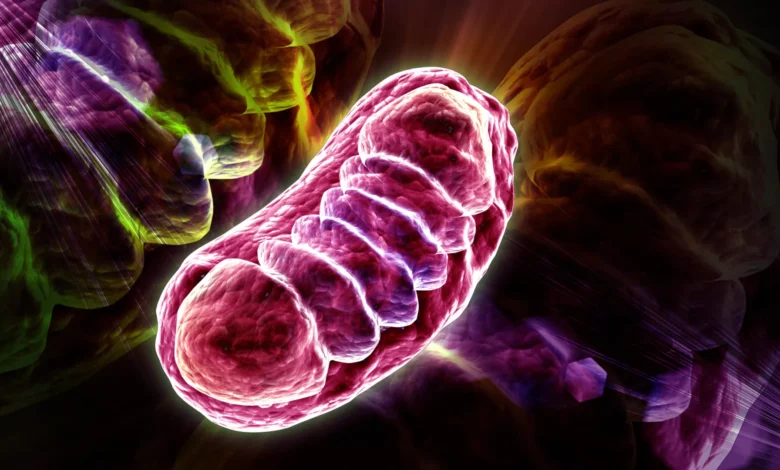
In the complex ecosystem of the human body, cells operate as microscopic power plants, continuously synthesizing molecules, fighting infections, and generating the energy required to sustain life. However, a groundbreaking new study has revealed a hidden vulnerability in this cellular machinery. Researchers at the Texas A&M College of Veterinary Medicine and Biomedical Sciences (VMBS) have discovered that an accumulation of excess ribonucleic acid (RNA) can directly impair mitochondria—the tiny organelles responsible for producing the vast majority of a cell’s chemical energy.
Published in the Proceedings of the National Academy of Sciences (PNAS), the findings shatter long-held assumptions about how RNA overload damages cells. While scientists have historically blamed aggressive immune responses for the cellular distress caused by viral infections and high molecular loads, this new research demonstrates that RNA molecules themselves can inflict direct structural and functional damage to cellular energy production units.
The implications of this discovery stretch far beyond basic virology. By illuminating a previously unrecognized mechanism of cellular stress, the research opens new avenues for exploring the root causes of aging-related disorders, neurodegenerative diseases, and the optimization of cutting-edge RNA-based therapeutics, including mRNA vaccines.
The Balancing Act of Cellular RNA Dynamics
To understand the magnitude of the Texas A&M team’s discovery, one must first examine the normal lifecycle of RNA within a healthy cell. Ribonucleic acid is indispensable to biological function. Messenger RNA (mRNA), for instance, acts as the molecular blueprint, carrying genetic instructions from the nucleus to the cellular ribosomes, which translate those instructions into the proteins required for structural integrity, enzymatic activity, and metabolic regulation.
Simultaneously, cells must constantly regulate the volume of RNA they produce. This is achieved through a meticulous housekeeping process known as RNA degradation. When a cell creates mRNA or encounters foreign genetic material—such as double-stranded RNA (dsRNA) frequently introduced during viral infections—it relies on specific degradation pathways to break down and clear out redundant or obsolete molecules.
Historically, scientists understood that RNA degradation served primarily two purposes: modulating protein synthesis and preventing the rogue accumulation of faulty transcripts that could lead to erratic cellular behavior. Furthermore, researchers knew that foreign dsRNA acts as a molecular tripwire, alerting the innate immune system to the presence of pathogens.
However, the VMBS research team, spearheaded by senior author Dr. Zhilong Yang, a professor in the Department of Veterinary Pathobiology, suspected that RNA degradation played an even more fundamental role: protecting the cell’s energy supply. When viruses hijack a host cell to replicate, they frequently flood the cytoplasm with massive quantities of viral RNA. Under normal circumstances, the cell’s cleanup crews manage this surge. Yet, when the rate of RNA production outpaces the cell’s degradation capacity, the resulting backlog triggers catastrophic consequences for mitochondrial function.
A Surprising Culprit: The Danger of Too Much mRNA
For decades, the scientific consensus held that the primary cellular damage resulting from viral RNA accumulation was indirect, mediated primarily by inflammatory immune cascades. When pattern-recognition receptors inside a cell detect viral dsRNA, they initiate robust defensive signaling pathways. While these responses are vital for fighting off infections, they also place immense metabolic strain on the host cell, often leading to cellular exhaustion or programmed cell death (apoptosis).
The research team set out to investigate these immune-mediated pathways in the context of poxviruses—a genus of complex double-stranded DNA viruses that includes the causative agents of smallpox and mpox. Yet, as the experiments progressed, the investigators noticed anomalies that did not fit the established immunological model.
Crucially, the team discovered that mitochondrial dysfunction occurred long before any substantial immune activation could be detected. Even more astonishing was the realization that the damage was not limited to viral dsRNA. Ordinary messenger RNA—a molecule so essential that human cells manufacture it millions of times every second—could also induce severe mitochondrial impairment if allowed to accumulate in excessive quantities.
"Scientists have long known that RNA degradation helps control protein production and remove defective RNA," Dr. Yang noted. "Our study reveals another important role: it helps cells maintain the energy they need to function properly. Scientists already knew that too much double-stranded RNA can be harmful. What surprised us was finding out that too much mRNA—something cells normally need every day—can also damage the mitochondria and interfere with the cell’s ability to produce energy."
To confirm whether this phenomenon required immune system intervention, the researchers conducted a series of isolated biochemical assays. Led by the study’s first author, Dr. Djamal Brahim Belhaouari, the team extracted pristine mitochondria from cells and exposed them directly to purified RNA in a controlled laboratory environment.
The results were unequivocal. Even in total isolation, free from the signaling networks of the immune system, the mitochondria exhibited clear signs of structural and functional failure upon exposure to excess RNA. "When we isolated only the mitochondria and added RNA, we still saw mitochondrial damage," Dr. Brahim Belhaouari said. "That was the moment we realized this could be a previously unknown cellular response to RNA."
Unraveling the Mechanism: Electrical and Chemical Disruption
Having established that excess RNA can independently sabotage mitochondria, the research team turned their attention to the exact physical mechanism driving the destruction. While the precise biochemical pathways are still being mapped, the scientists have formulated a compelling working hypothesis rooted in basic biophysics.
Mitochondria function as biological batteries. They generate adenosine triphosphate (ATP)—the primary energy currency of the cell—by maintaining a precise electrical and chemical gradient across their inner membranes. This delicate electrochemical balance relies on the controlled movement of protons and ions.
RNA molecules, by their chemical nature, carry a distinct negative electrical charge. When unprecedentedly large concentrations of RNA accumulate within the restricted cytoplasmic spaces surrounding the mitochondria, they create an abnormal electrostatic field. The research team suspects that this dense cloud of negatively charged RNA interferes with the membrane potential required for efficient ATP synthesis, effectively short-circuiting the cell’s power plants.
"We think the negatively charged RNA may accumulate around mitochondria and disrupt the electrical balance needed for energy production, although how it happens is unknown," Dr. Yang explained. "This is a new concept that we are continuing to explore."
This biochemical reality introduces a fascinating evolutionary paradox for viruses. Because viruses are obligate intracellular parasites, they possess no metabolic machinery of their own; they rely entirely on the host cell’s mitochondria for the energy and resources required to replicate. Consequently, if a virus produces so much RNA that it destroys the host cell’s energy supply, it effectively sabotages its own survival.
To overcome this hurdle, sophisticated pathogens like poxviruses have evolved specialized mechanisms to hijack or enhance the host’s RNA cleanup systems. By keeping RNA accumulation strictly regulated, these viruses ensure that infected cells remain metabolically viable just long enough to complete the replication cycle. "If the cell is not healthy, the virus would not replicate well," Dr. Yang observed. "The virus needs to keep RNA levels balanced inside the cell."
Chronology and Research Context
The findings published in the Proceedings of the National Academy of Sciences represent the culmination of years of rigorous investigation into host-pathogen interactions at Texas A&M University. The project, supported in part by major grants from the National Institute of Allergy and Infectious Diseases (under award R01AI143709) and institutional backing from Texas A&M, bridges the fields of virology, cell biology, and biochemistry.
The timeline of discovery moved from classical infection models to reductionist biochemistry:
- Initial Observation: Researchers studying poxvirus infections noted that cellular energy output plummeted during periods of high viral replication, far earlier than standard immune-mediated exhaustion models could explain.
- Hypothesis Formation: The team initially suspected that the accumulation of double-stranded viral RNA was triggering hyper-inflammatory stress pathways within the host cells.
- In Vitro Isolation: To isolate variables, the team extracted mitochondria from cellular matrices and directly introduced various forms of RNA, including standard messenger RNA.
- The Breakthrough: Direct mitochondrial damage was observed in the absence of any cellular immune signaling, proving that RNA acts as a direct mitochondrial toxin when present in supraphysiological concentrations.
- Biophysical Modeling: Researchers identified the likely culprit as electrostatic interference, driven by the negative charge of the RNA backbone disrupting mitochondrial membrane potentials.
Broader Implications for Aging and Neurodegenerative Disease
While the primary experiments conducted by the Texas A&M team focused on viral pathogenesis, the physiological consequences of RNA accumulation extend deeply into non-infectious human pathology.
Abnormal RNA buildup is a well-documented pathological hallmark of numerous chronic human conditions, particularly neurodegenerative diseases such as Alzheimer’s disease, Parkinson’s disease, and amyotrophic lateral sclerosis (ALS). In these conditions, neurons suffer from progressive, irreversible functional decline, frequently accompanied by severe mitochondrial dysfunction and impaired RNA processing pathways.
As human cells age, their efficiency in executing protein homeostasis and RNA degradation naturally declines. The new VMBS study raises a provocative question: could the chronic, age-related accumulation of cellular RNA be an unrecognized driver of mitochondrial decay in the aging brain?
If excess RNA chronically stresses and damages mitochondria in non-dividing cells like neurons, it could explain a foundational piece of the puzzle regarding how cellular senescence takes root. "We think this has quite broad translational implications," Dr. Brahim Belhaouari stated. "Too much double-stranded RNA or mRNA that cannot be degraded effectively may contribute to disease processes in some contexts."
While further empirical studies are required to determine the exact threshold at which physiological RNA becomes pathological in neurodegenerative disorders, the discovery provides a novel therapeutic target. Future pharmacological interventions designed to enhance RNA clearance mechanisms could potentially protect mitochondrial health and slow the progression of age-related cellular decline.
Impact on mRNA Therapeutics and Future Medicine
Beyond chronic disease and viral infection, the Texas A&M findings carry critical implications for the burgeoning field of RNA-based medicine.
In recent years, mRNA technology has revolutionized pharmacology, most notably through the rapid deployment of life-saving mRNA vaccines during the global pandemic. These medical treatments rely on introducing synthetic mRNA sequences into host cells, instructing ribosomes to manufacture specific, harmless viral proteins that subsequently train the adaptive immune system.
Designing safe and effective RNA therapeutics requires an exhaustive understanding of pharmacokinetics—specifically, how human cells process, translate, tolerate, and eventually degrade foreign or synthetic genetic transcripts. While the VMBS study explicitly evaluated endogenous and viral RNA dynamics rather than commercial vaccines, understanding the fundamental physiological boundaries of cellular RNA tolerance is invaluable.
By identifying the specific tipping point where normal mRNA turns from a helpful blueprint into a mitochondrial stressor, the research provides a foundational framework for bioengineers. Future iterations of RNA therapeutics and delivery platforms can be optimized to ensure that intracellular concentrations remain well within safe, manageable limits for host mitochondria.
"Understanding this mechanism could help researchers design and optimize future RNA-based therapeutics and vaccines by better understanding how cells respond to large amounts of RNA," Dr. Yang concluded.
As the scientific community continues to digest these findings, the research serves as a humbling reminder of the delicate equilibrium required to sustain life. Even the most essential biological building blocks—molecules required every second of every day to sustain human existence—harbor the potential for destruction if allowed to break free from the body’s strict regulatory controls. Through continued investigation, the researchers at Texas A&M have unlocked a new chapter in molecular biology, one that redefines our understanding of cellular energy, disease, and the hidden power of RNA.