The global shift toward home-prepared meals has prompted a significant culinary evolution in how consumers replicate traditional international dishes while adhering to modern dietary standards. Among the most popular transformations is the reimagining of classic Asian comfort foods—specifically dumplings and pot stickers—into nutrient-dense, vegetable-forward alternatives. One such innovation, the sesame ginger cabbage roll, has emerged as a preferred solution for home cooks seeking to mitigate the reliance on processed, Americanized takeout while maintaining the savory flavor profiles traditionally associated with East Asian cuisine.
The Evolution of Modern Asian-Inspired Home Cooking
For decades, the American perception of Chinese cuisine was heavily shaped by high-sodium, ultra-processed, and refined-carbohydrate-heavy options often found in fast-casual chains. These establishments, which gained prominence in the late 20th century, typically utilized thick, flour-based wonton wrappers and sauces laden with monosodium glutamate (MSG) and excessive refined sugars. As public health awareness regarding metabolic health and clean-label eating has surged over the last decade, culinary professionals and home enthusiasts have pivoted toward ingredients that prioritize whole foods.
The sesame ginger cabbage roll represents this shift. By substituting the traditional wheat-based wrapper with blanched Napa cabbage, cooks can reduce the carbohydrate load of the dish while increasing fiber and micronutrient intake. This transition is not merely a dietary choice but a structural one, as Napa cabbage provides a delicate, flexible, and tender vessel that mimics the mouthfeel of steamed dough without the necessity of intensive labor or industrial additives.
Culinary Methodology and Structural Integrity
The process of constructing a cabbage roll relies on precise culinary technique to ensure both structural integrity and flavor absorption. The methodology involves a brief blanching process—a technique used to soften the fibrous leaves of the Napa cabbage. Blanching serves two critical purposes: it renders the cabbage leaves pliable for rolling and reduces the raw, pungent bitterness of the vegetable, allowing it to act as a neutral canvas for the aromatic filling.
The filling composition is equally vital. Ground poultry, particularly chicken or turkey, is frequently selected due to its lean protein content and its ability to absorb aromatic compounds. According to nutritional analysis, a standard serving of these rolls provides approximately 9 grams of protein, a significant value for a vegetable-based dish. The inclusion of shiitake mushrooms acts as a functional ingredient; beyond their umami-rich profile, the high moisture content of the mushrooms ensures that the lean ground meat does not become dehydrated during the steaming process.
Nutritional Implications and Data Analysis
From a nutritional perspective, the departure from standard takeout dumplings to cabbage-wrapped alternatives yields measurable health benefits. Standard restaurant-style pork dumplings often contain significant amounts of sodium—frequently exceeding 500mg per piece—and high levels of saturated fats from processed fillings. In contrast, the sesame ginger cabbage roll, when prepared with coconut aminos as a soy-free, lower-sodium alternative, offers a more balanced profile.
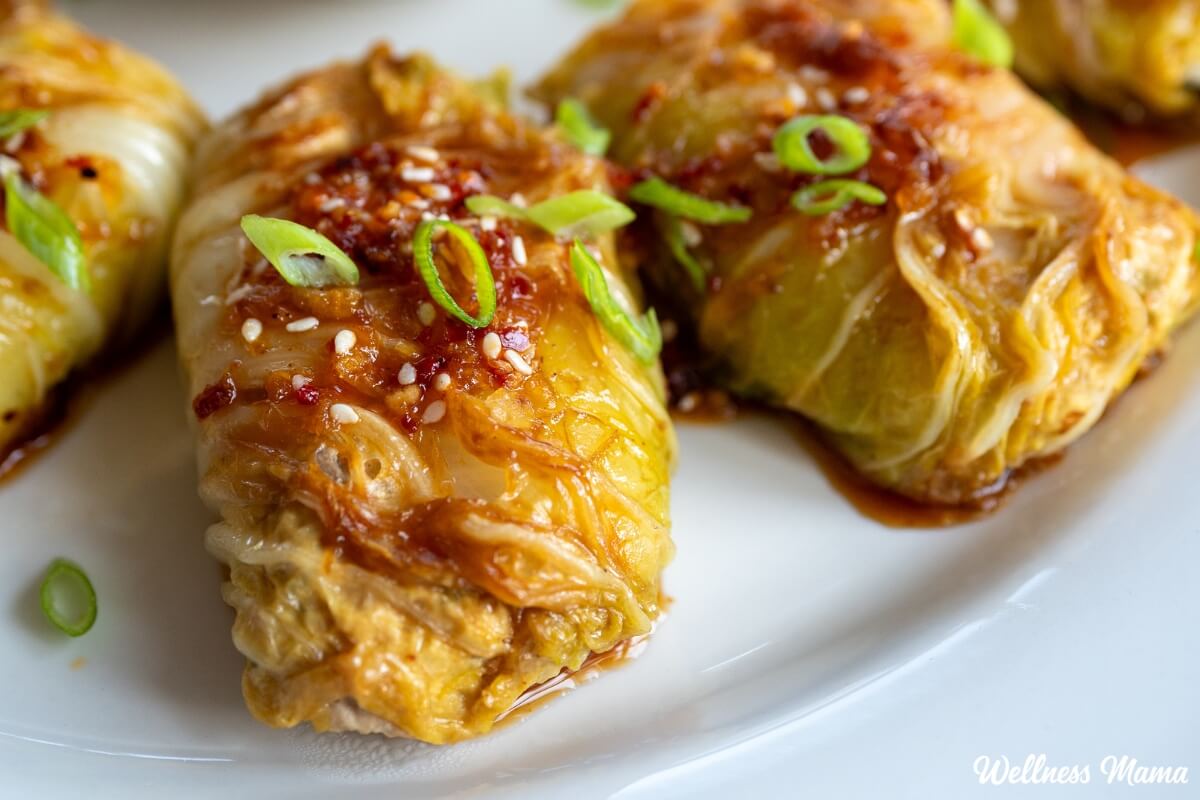
Data indicates that the primary nutrient density in these rolls comes from the synergy between the fiber-rich cabbage and the selenium and B-vitamin content provided by shiitake mushrooms. Furthermore, the use of fresh ginger and garlic—ingredients prized in both traditional medicine and contemporary nutrition—provides antioxidant benefits that are frequently lost in the high-heat, industrial processing of commercial takeout sauces. The total carbohydrate count of a typical roll remains low, typically around 5 grams, making it an appropriate inclusion for individuals managing blood glucose levels or adhering to low-glycemic dietary protocols.
Chronology of Preparation and Implementation
The implementation of this dish in a home environment typically follows a streamlined, four-phase sequence:
- Preparation and Blanching: The Napa cabbage leaves are separated and submerged in boiling water for approximately 60 to 90 seconds. This step is critical; if over-blanched, the leaves lose their structural integrity and become prone to tearing.
- Filling Synthesis: The protein base is combined with finely diced aromatics and mushrooms. The use of toasted sesame oil is prioritized here, as it provides a distinct, nutty aroma that defines the flavor profile of the dish.
- Assembly and Encapsulation: The filling is portioned—typically at one-third cup per leaf—to prevent overstuffing. The leaves are rolled tightly, with the stems trimmed to ensure a smooth finish.
- Thermic Processing: The rolls are first seared to create a textural contrast on the bottom, followed by a steam-finishing phase. The addition of a small amount of liquid to the pan, followed by covering, creates an internal environment that allows the meat to reach a safe internal temperature while the cabbage steams.
Broader Impact on Meal Prep Culture
The rise of the "meal prep" phenomenon has further solidified the popularity of cabbage-based rolls. In a modern work-life balance context, the ability to batch-prepare food that retains its texture upon reheating is highly valued. Cabbage rolls possess a unique advantage in this regard; unlike pasta-based dishes, which can become mushy, or fried items, which lose their crispness, the steamed cabbage structure remains stable in refrigerated storage for up to 72 hours.
The economic implications are also significant. By moving away from pre-packaged, convenience-focused foods, households can significantly reduce their food expenditure while simultaneously controlling the quality of inputs. The reliance on staple items such as ground chicken, cabbage, and shelf-stable aromatics allows for a cost-effective weekly menu that does not sacrifice culinary variety.
Expert Reactions and Culinary Future
Culinary experts note that the success of these recipes signals a broader trend in home cooking: the "deconstruction" of favorite takeout meals. By isolating the components of a dish—the savory filling, the aromatic sauce, and the functional wrapper—home cooks are increasingly empowered to replicate restaurant experiences using whole-food ingredients.
Furthermore, the adaptability of the sesame ginger cabbage roll allows for rapid innovation. For instance, the addition of water chestnuts can introduce a textural element—a "crunch" factor—that mimics the experience of traditional dim sum. Similarly, substituting protein bases with plant-based alternatives like firm tofu or tempeh allows for further dietary customization without compromising the foundational flavor profile.
Conclusion
The transition toward preparing Asian-inspired dishes at home, such as sesame ginger cabbage rolls, represents a maturation of the modern consumer’s approach to nutrition and culinary craft. By prioritizing fresh, whole ingredients and utilizing traditional cooking methods like steaming and blanching, home cooks are successfully bridging the gap between convenience and health. As these recipes continue to circulate through culinary platforms and health-conscious communities, they serve as a testament to the fact that complex, satisfying, and flavorful meals do not require industrial intervention. The combination of protein-rich fillings, nutrient-dense vegetables, and time-tested aromatic combinations ensures that this particular preparation will likely remain a staple in the repertoire of those seeking to optimize their diet without abandoning the bold, savory flavors of global cuisine.
Related posts: