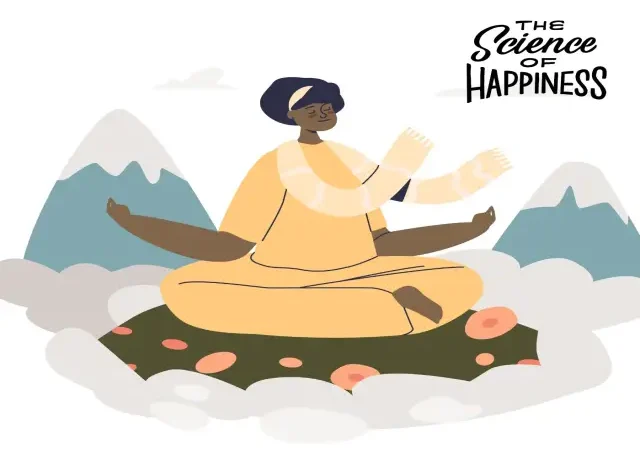
The Greater Good Science Center (GGSC) at the University of California, Berkeley, has released a new episode in its popular "Happiness Break" podcast series, titled "Holding Truth With Compassion." This latest installment features Lyla June Johnston, a distinguished Diné musician, scholar of Indigenous land management, and community organizer, guiding listeners through an embodiment practice designed to foster connection with one’s body and cultivate compassionate space for difficult emotions. The episode underscores the GGSC’s ongoing commitment to promoting well-being through evidence-based practices and diverse wisdom traditions, offering a timely resource for emotional resilience and mindful living.
The Essence of the Practice: Embodiment and Compassion
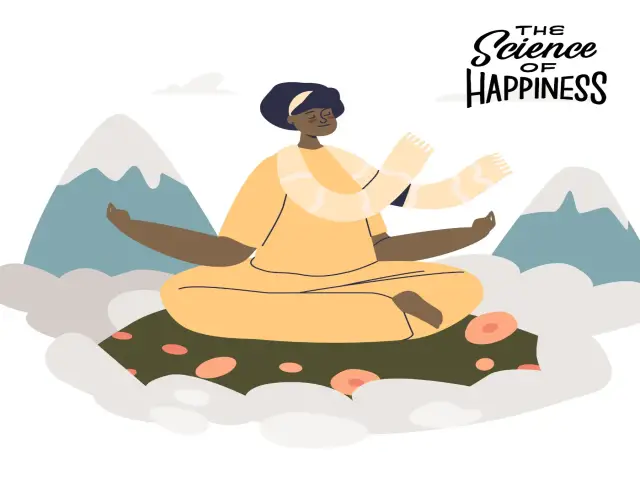
At the heart of "Holding Truth With Compassion" is an accessible embodiment practice, a technique that encourages individuals to consciously connect with their physical sensations, breath, and internal landscape. Unlike purely cognitive approaches, embodiment practices emphasize the inseparable link between mind and body, recognizing that emotions are not just mental phenomena but also have physical manifestations. Lyla June Johnston’s guidance invites participants to acknowledge these bodily sensations and the difficult emotions they might carry, not with judgment or suppression, but with an attitude of profound care and compassion. This approach is particularly salient in contemporary society, where the fast pace of life often leads to a disconnection from one’s inner experience, making it challenging to process complex feelings in a healthy manner. The practice aims to equip individuals with tools to navigate emotional turbulence by grounding themselves in their physical presence, thereby fostering a sense of internal safety and resilience.
Lyla June Johnston: A Beacon of Indigenous Wisdom in Modern Wellness
The choice of Lyla June Johnston as the guide for this "Happiness Break" episode is significant, reflecting the GGSC’s dedication to integrating diverse perspectives into the broader conversation on well-being. Johnston’s multifaceted background as a Diné (Navajo) musician, scholar, and activist brings a unique depth to the practice. Her academic work on Indigenous land management highlights a holistic worldview that inherently links human well-being with ecological health and ancestral wisdom. As the founder and Dean of Instruction at The Rehuman School, Johnston is dedicated to decolonizing education and fostering practices that reconnect individuals with their inherent humanity and the natural world. Her teachings often draw from Indigenous epistemologies, which traditionally emphasize interconnectedness, reciprocal relationships, and a deep respect for all life. In "Holding Truth With Compassion," this background informs a practice that transcends mere self-help, embedding it within a larger framework of cultural understanding and holistic healing. Her ability to bridge traditional knowledge with contemporary challenges makes her an invaluable voice in the wellness landscape, offering practices that are both ancient in their roots and acutely relevant to modern struggles.
The Greater Good Science Center: Pioneering the Science of Well-being
The "Happiness Break" series is an integral part of the Greater Good Science Center’s extensive portfolio. Based at the University of California, Berkeley, the GGSC is a leading research center dedicated to the scientific study of well-being, focusing on the roots of compassionate, resilient, and ethical behavior. For over two decades, the GGSC has translated scientific findings into practical applications, making research on topics like gratitude, mindfulness, empathy, and altruism accessible to a broad public. The "Happiness Break" podcast exemplifies this mission by offering short, guided practices derived from the latest scientific insights into positive psychology and contemplative traditions. These episodes serve as brief, actionable interventions designed to improve listeners’ emotional health and cultivate pro-social behaviors in their daily lives. The center’s commitment extends beyond individual practices, exploring how these principles can foster healthier communities and societies.
Chronology of Well-being Practices and Their Growing Recognition

The emergence of podcasts like "Happiness Break" and the increasing popularity of embodiment practices can be viewed within a broader chronology of wellness trends. While mindfulness and meditation have gained significant traction in Western societies over the last few decades, initially popularized in the 1970s and 80s through figures like Jon Kabat-Zinn, the focus has evolved. Early adaptations often centered on stress reduction and cognitive regulation. More recently, there has been a growing emphasis on "embodiment," recognizing that the body is not just a vessel for the mind but an active participant in emotional and psychological processing. This shift is partly driven by advancements in neuroscience, which increasingly highlight the vagus nerve’s role in emotional regulation and the physiological impacts of trauma and stress.
The inclusion of Indigenous voices like Lyla June Johnston also marks a significant step in this evolution. Historically, Western wellness movements have often overlooked or appropriated non-Western spiritual and healing traditions. However, there’s a growing recognition of the profound, sophisticated wisdom embedded in Indigenous cultures regarding holistic health, community connection, and ecological harmony. The GGSC’s collaboration with Johnston reflects a conscious effort to move towards a more inclusive and culturally informed approach to well-being, acknowledging the deep historical roots of many effective practices. This progression signifies a maturing understanding of human flourishing, moving beyond a purely individualistic or pathologizing framework towards one that embraces interconnectedness, cultural context, and the full spectrum of human experience.

Supporting Data: The Imperative for Emotional Regulation
The need for practices like "Holding Truth With Compassion" is underscored by a wealth of data regarding global mental health trends. Reports from organizations like the World Health Organization (WHO) consistently show a rising prevalence of anxiety disorders and depression worldwide. The COVID-19 pandemic further exacerbated these issues, with studies indicating significant increases in psychological distress. For instance, a 2020 study published in The Lancet estimated a 27.6% increase in cases of major depressive disorder and a 25.6% increase in anxiety disorders globally due to the pandemic. Chronic stress, burnout, and emotional dysregulation are widespread challenges in modern life, impacting productivity, relationships, and overall quality of life.
Research also strongly supports the efficacy of mindfulness and compassion-based interventions. Studies have demonstrated that practices cultivating self-compassion can reduce symptoms of depression and anxiety, improve body image, and enhance overall emotional well-being. Embodiment practices, by helping individuals tune into bodily sensations, can improve interoception—the sense of the physiological condition of the body—which is crucial for emotional intelligence and self-regulation. A meta-analysis published in Mindfulness journal, for example, highlighted the consistent positive effects of mindfulness-based interventions on reducing psychological distress and enhancing subjective well-being. By offering practical, guided exercises, "Happiness Break" contributes directly to addressing these pressing mental health needs, providing accessible tools for millions seeking to cultivate greater inner peace and resilience.
Statements and Reactions: The Broader Dialogue

While specific direct statements on this particular episode are not available outside of its promotional material, the underlying philosophy aligns with public statements and research from leading figures in the field of positive psychology and contemplative science. Experts consistently advocate for the integration of mind-body practices into daily routines. Dr. Kristin Neff, a prominent researcher in self-compassion, frequently emphasizes the importance of treating oneself with kindness and understanding, especially during moments of perceived failure or distress. This resonates directly with the compassionate approach promoted in Johnston’s practice. Similarly, the work of Dr. Richard Davidson at the Center for Healthy Minds highlights how practices like meditation can fundamentally alter brain structures associated with emotion regulation, attention, and empathy.
Lyla June Johnston’s own public discourse, through her music, lectures, and work with The Rehuman School, consistently advocates for a return to holistic ways of knowing and being. Her statements often critique the isolating effects of modern industrial society and call for a renewed connection to ancestral wisdom, community, and the natural world. Therefore, her guidance in "Holding Truth With Compassion" can be seen as a direct application of her broader vision: to help individuals heal and re-member themselves within a larger web of relations. The GGSC, by hosting such diverse voices, implicitly endorses the notion that true well-being requires a multi-faceted approach, drawing from scientific inquiry, psychological insights, and rich cultural traditions.
Broader Impact and Implications
The release of "Holding Truth With Compassion" carries significant implications for both individual well-being and the broader societal discourse on mental health. Individually, the practice offers a vital pathway for emotional processing. In a world often encouraging emotional suppression or impulsive reactions, learning to "hold truth with compassion" provides a constructive third way: acknowledging difficult realities and feelings without being overwhelmed by them, and responding from a place of kindness rather than fear or judgment. This can lead to reduced stress, improved emotional regulation, and enhanced self-awareness.

Societally, the episode’s prominence on a platform like the GGSC podcasts helps to normalize conversations around emotional vulnerability and the utility of contemplative practices. By featuring an Indigenous guide, it also contributes to the crucial work of decolonizing wellness spaces and amplifying voices that offer deeply rooted, holistic perspectives often marginalized in mainstream discourse. This fosters greater cultural humility and encourages a more inclusive understanding of what constitutes "well-being." Furthermore, the emphasis on compassion extends beyond self-compassion, implicitly nurturing empathy for others. When individuals are better able to hold their own difficult truths with kindness, they are often better equipped to engage with the suffering of others and contribute to more compassionate communities. In an era marked by division and rapid change, cultivating such inner resources becomes not just a personal benefit but a collective imperative for fostering a more resilient, understanding, and equitable world.
The "Happiness Break" series continues to serve as a valuable public resource, offering bite-sized yet profound tools for mental and emotional flourishing. Listeners are encouraged to engage with the practice and share their experiences, fostering a sense of community and collective learning around these vital topics. The episode is available on all major podcast platforms, including Apple Podcasts, and further resources from Lyla June Johnston and the Greater Good Science Center are accessible via their respective websites.