The United States Food and Drug Administration (FDA) has officially inaugurated its Reducing Readmissions through Device Innovation for the Home (READI-Home) Innovation Challenge, a strategic initiative designed to bridge the gap between hospital-based care and the home environment. By prioritizing the development and regulatory streamlining of medical devices that facilitate patient recovery outside of clinical settings, the FDA intends to address the persistent, costly, and resource-intensive issue of hospital readmissions. This program serves as a critical junction for medical technology developers, offering a direct pipeline to agency feedback during the early stages of device design and validation.
The Challenge of Readmissions in the Modern Healthcare Landscape
Hospital readmissions remain one of the most significant burdens on the United States healthcare system. According to data from the Centers for Medicare & Medicaid Services (CMS), millions of patients are readmitted to hospitals within 30 days of discharge every year, costing the healthcare system billions of dollars annually. These readmissions often stem from a lack of adequate monitoring, difficulties in managing chronic conditions in a home setting, and the rapid transition from highly supervised inpatient care to self-managed or caregiver-assisted recovery.
The READI-Home Innovation Challenge was conceived to mitigate these risks by shifting the focus toward technologies that empower patients and caregivers. By ensuring that medical devices are specifically engineered for the complexities of a home environment—where lighting, noise, physical space, and technical expertise differ drastically from clinical settings—the FDA hopes to minimize the rate of avoidable complications that lead to return hospitalizations.
Chronology and Program Development
The launch of the READI-Home program is the result of a multi-year shift in the FDA’s regulatory philosophy, which has increasingly moved toward decentralized clinical trials and digital health solutions.
- Initial Concept Phase: The FDA identified a gap in the market where high-acuity monitoring technologies were frequently failing to gain traction in home settings due to regulatory uncertainty and design limitations.
- Challenge Announcement: The agency formally announced the READI-Home Innovation Challenge to identify promising developers with technologies capable of monitoring post-acute patients.
- Submission and Selection: Developers submitted proposals for devices that could provide physiological data, therapeutic intervention, or diagnostic monitoring in the home.
- The Interaction Phase: The current stage involves the initial cohort of participants engaging directly with FDA reviewers. This phase is designed to expedite the regulatory path by providing early-stage guidance on clinical trial design, human factors engineering, and the specific data requirements necessary for home-use clearance.
Spotlight on Sleep-Centric Innovation
Among the diverse array of technologies selected for the inaugural cohort, sleep medicine has emerged as a focal point. Because sleep is a physiological state during which many patients are at their most vulnerable, the ability to monitor vital signs and neurological patterns at home is considered a "force multiplier" for recovery.
The Epitel REMI Neuro Monitoring System
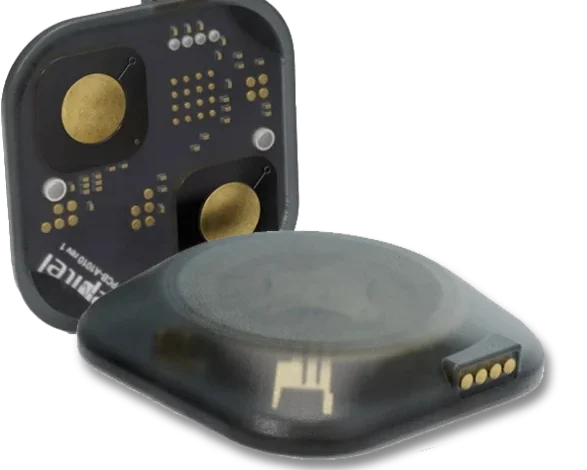
Epitel’s REMI system represents a significant advancement in neurological monitoring. Traditionally, electroencephalography (EEG) required clinical-grade equipment and specialized technicians, limiting its use to hospital neurology wards or sleep centers. The REMI is a wireless, wearable EEG device designed for extended-duration use. By allowing patients to be monitored for seizures or delirium while in the comfort of their own homes, the device significantly reduces the need for prolonged inpatient observation. This is particularly vital for post-operative patients who may be at risk of neurological complications but are otherwise stable enough to return home.
Prapela’s Therapeutic Vibrational Mattress
For the pediatric population, Prapela’s Therapeutic Vibrational Crib Mattress addresses a specific and life-altering condition: complications arising from single-ventricle heart disease. Infants with this condition are prone to hypoxemic and bradycardic episodes during sleep, which can be fatal if not detected and treated immediately. The mattress utilizes a miniaturized vibrating actuator to provide low-amplitude mechanical stimulation. This non-invasive therapy is designed to reduce the frequency and severity of these episodes, potentially preventing infants from requiring emergency readmission to a neonatal intensive care unit (NICU).
Official Perspectives and Industry Reactions
The selection process has been met with enthusiasm from the med-tech sector. Mark Lehmkuhle, chief technology officer at Epitel, emphasized that the FDA’s engagement is more than just a regulatory nod—it is a collaborative partnership. "Our mission has always been to make brain health monitoring more accessible and comfortable," Lehmkuhle stated. "Working directly with the FDA allows us to rapidly adapt neuro-monitoring for home environments, helping support post-discharge patients and easing pressure on overloaded health systems."
From the regulatory side, the FDA’s approach is a departure from traditional "siloed" interaction. By inviting developers into the interaction phase, the agency is attempting to prevent the "regulatory cliff," where a company spends years developing a product only to find it does not meet the necessary standards for home-use safety or usability.
Broader Implications for Healthcare Infrastructure
The READI-Home program carries significant implications for the future of healthcare delivery. By accelerating the integration of home-based monitoring, the FDA is essentially facilitating the expansion of the hospital’s reach into the home.
1. Financial Implications:
Reducing readmissions directly impacts the bottom line for health systems, particularly under value-based care models where hospitals are penalized for high readmission rates. Technologies like those selected in the READI-Home challenge could provide the data necessary to identify patient deterioration before it requires an ambulance trip, potentially saving the system billions.
2. Human Factors and Patient Experience:
The shift toward home-based care is increasingly preferred by patients. Hospitals are high-stress environments that can contribute to delirium and secondary infections. By enabling recovery at home, these technologies improve patient outcomes and overall quality of life. However, the success of these devices relies heavily on "human factors"—the ability of a non-expert caregiver to set up, maintain, and respond to the device’s feedback. The FDA’s emphasis on refining these design elements is a critical component of the program’s long-term success.
3. Data Integration and Interoperability:
A secondary implication of the program is the need for improved data integration. As these devices generate massive amounts of home-based data, health systems must develop the digital infrastructure to monitor, store, and act upon this information. The FDA’s involvement ensures that data security and interoperability are baked into the device design from the beginning.
Future Outlook and Next Steps
The FDA has identified three additional devices to join the cohort, though full details on these technologies remain under review as they proceed through the interaction phase. As these participants advance, the agency will likely publish updated guidance documents based on the lessons learned during this challenge. These documents will serve as a roadmap for other developers, potentially lowering the barrier to entry for innovative home-care technologies.
The success of the READI-Home Innovation Challenge will ultimately be measured by the reduction in 30-day readmission rates for the populations utilizing these devices. If the program proves successful, it may become a permanent fixture of the FDA’s regulatory strategy, permanently altering the relationship between medical device innovation and the home-based care environment. By fostering a collaborative regulatory environment, the FDA is positioning itself not just as a gatekeeper of safety, but as an active participant in the digital transformation of the American healthcare system.
As the program progresses, industry observers will be watching to see how the FDA balances the need for rapid deployment with the stringent safety requirements inherent in medical device regulation. For now, the integration of sleep-tracking and neurological-monitoring technologies serves as a robust pilot for what the future of home-centered, patient-first medicine may look like.