Magnetic Bacteria Show Potential to Extend Lifespan by Blocking Cell Death in New Study Led by Chinese Academy of Sciences

In a development that bridges microbiology, materials science, and biogerontology, researchers have unveiled a novel biological strategy for extending healthy lifespan using specialized microorganisms. A scientific team led by Professor An Xu at the Hefei Institutes of Physical Science, operating under the umbrella of the Chinese Academy of Sciences, has demonstrated that a specific strain of magnetotactic bacteria can significantly prolong the healthy lifespan of the nematode Caenorhabditis elegans. This breakthrough, which centers on the mitigation of a specific iron-dependent form of cellular degeneration known as ferroptosis, opens unprecedented pathways for exploring microbial interventions in human aging and age-related pathologies.
The findings of this pioneering study were officially detailed and published in the peer-reviewed scientific periodical Free Radical Biology and Medicine. By shedding light on the intersection between inorganic nanoparticle synthesis within living organisms and mammalian longevity pathways, the research offers a compelling foundation for future investigations into geriatric medicine and biotherapeutic applications.
The Biological Landscape of Aging and the Limitations of Current Interventions
Aging is universally characterized by the progressive, time-dependent decline of physiological functions across tissues and organ systems, leading to a heightened vulnerability to chronic maladies such as neurodegenerative conditions, cardiovascular disorders, and metabolic syndromes. Over the past several decades, the scientific community has aggressively pursued various pharmacological, dietary, and genetic strategies aimed at retarding this inevitable decline. Caloric restriction mimetics, senolytics, rapamycin analogues, and targeted genetic manipulations have all shown varying degrees of success in model organisms ranging from yeast and worms to mice.
However, translating these laboratory interventions into safe, clinically viable therapies for human populations remains fraught with challenges. Many pharmacological agents exhibit off-target toxicities, narrow therapeutic windows, or long-term safety concerns. Consequently, researchers have intensified the search for biocompatible, naturally occurring agents that can modulate fundamental cellular aging pathways without inducing systemic toxicity or adverse side effects.
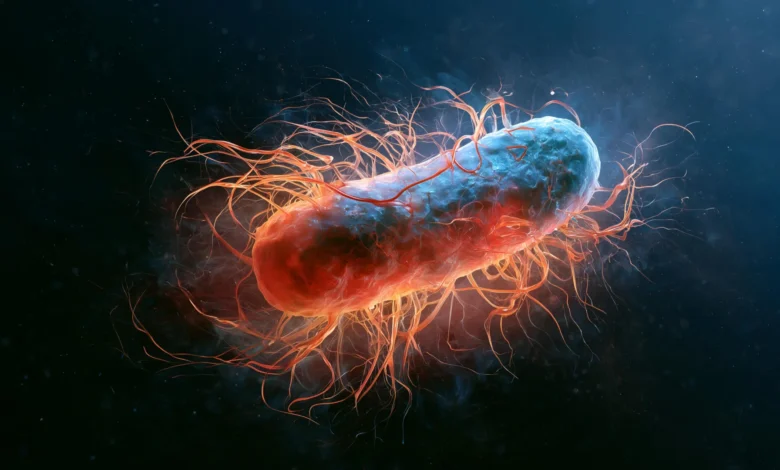
Enter magnetotactic bacteria (MTB)—a diverse group of aquatic microorganisms distinguished by their remarkable ability to navigate along geomagnetic field lines. This unique orientation capability is driven by intracellular, membrane-bound organelles known as magnetosomes, which typically consist of nanometer-sized crystals of magnetite ($textFe_3textO_4$) or greigite ($textFe_3textS_4$). Beyond their ecological roles, magnetosomes and the bacteria that produce them have garnered significant interest in recent years due to their exceptional biocompatibility, low intrinsic toxicity, and versatile physicochemical properties. While previous biomedical explorations of MTB have primarily focused on targeted drug delivery systems, hyperthermia cancer treatments, and magnetic resonance imaging contrast enhancement, their potential influence on systemic aging and longevity has remained largely uncharted territory until now.
Chronology of the Investigation and Experimental Design
To evaluate whether magnetotactic bacteria could influence longevity, Professor An Xu and his research team at the Hefei Institutes of Physical Science initiated a systematic, multi-phase investigation utilizing Caenorhabditis elegans as the primary biological model. C. elegans is a transparent, free-living soil nematode that has served as a cornerstone of aging research for over four decades, owing to its short life cycle, well-mapped genetic lineage, and high degree of homology with human biological pathways.
The chronological trajectory of the research began with the cultivation and isolation of Magnetospirillum magneticum AMB-1, commonly referred to as AMB-1. This particular strain is a well-characterized freshwater magnetotactic bacterium renowned for its capacity to synthesize uniform intracellular magnetosomes under controlled microaerophilic conditions.
In the initial experimental phase, synchronized populations of C. elegans were exposed to cultures of wild-type AMB-1 during their developmental and adult stages. The researchers closely monitored survival rates, behavioral phenotypes, and physiological integrity markers over time. As the study progressed into subsequent phases, the team introduced genetic variants of the bacteria to parse out the specific contribution of magnetosome biosynthesis. Specifically, they compared the longevity effects of the wild-type strain against a reversibly non-magnetotactic mutant (RNM-AMB-1) and a completely non-magnetotactic mutant (NM-AMB-1). This comparative approach allowed the investigators to determine whether the physical presence of magnetic nanoparticles or merely the ingestion of bacterial biomass was responsible for the observed biological outcomes.
Substantial Longevity Gains and Physiological Preservation
The empirical results yielded by the Hefei research team exceeded initial expectations, demonstrating robust health-span and lifespan extensions in the treated nematode populations. Worms fed on the wild-type Magnetospirillum magneticum AMB-1 exhibited a dramatic increase in longevity. Statistical analysis revealed that the average lifespan of the AMB-1-treated C. elegans was extended by an impressive 43.39% compared to control cohorts maintained under standard laboratory conditions.
Beyond mere numerical survival figures, the intervention yielded profound qualitative improvements in the physiological status of the aging nematodes. In advanced age, control worms typically suffer from severe sarcopenia, intestinal barrier breakdown, and profound declines in locomotory and neurological function. In contrast, the AMB-1-treated cohorts maintained superior intestinal integrity and robust neurological coordination well into their advanced chronological age. These observations confirmed that the treatment did not merely prolong the twilight phase of biological decay, but genuinely extended the health-span—the period of life spent in good health and functional independence.
Crucially, the comparative analysis involving mutant bacterial strains provided decisive insights into the mechanism of action. While the wild-type AMB-1 produced powerful longevity-promoting effects, the reversibly non-magnetotactic strain (RNM-AMB-1) elicited a markedly diminished response. Most tellingly, the entirely non-magnetotactic strain (NM-AMB-1) failed to extend the lifespan of the worms altogether. This striking divergence provided empirical proof that the bacteria’s ability to synthesize magnetosomes is not an incidental trait, but rather an absolute prerequisite for mediating the observed anti-aging benefits.
Deciphering the Cellular Mechanism: Suppressing Ferroptosis
To unravel the molecular pathways underlying the life-extending properties of AMB-1, the research team conducted comprehensive biochemical and genetic assays on the treated nematodes. The investigation unveiled a critical physiological alteration: treatment with the magnetotactic bacteria effectively mitigated age-associated iron accumulation and significantly reduced lipid peroxidation levels within the tissues of the worms.
This biochemical shift points directly to the suppression of ferroptosis—a distinct, recently characterized form of regulated cell death driven by iron-dependent lipid peroxidation and the catastrophic accumulation of reactive oxygen species (ROS). Unlike apoptosis or necrosis, ferroptosis is fundamentally tied to cellular iron metabolism and the exhaustion of endogenous antioxidant defense systems. In aging organisms, tissues frequently experience dysregulated iron homeostasis, leading to oxidative stress and cellular degeneration that accelerates functional decline.
By dampening this destructive cascade, AMB-1 protected cellular membranes from oxidative degradation. Further genetic profiling performed by the Hefei team confirmed that several key ferroptosis-related regulatory pathways and genes were actively modulated during AMB-1-mediated lifespan extension. Specifically, the nematode genes ftn-1 (implicated in iron storage and homeostasis), bli-3 (associated with dual oxidase activity and reactive oxygen species generation), and ads-1 (involved in lipid metabolism and stress resistance) were identified as core components of the regulatory network through which the bacteria exert their protective effects.
Scientific Implications and Future Directions in Geriatric Medicine
The publication of these findings in Free Radical Biology and Medicine marks a conceptual turning point in biogerontology, establishing a novel microbial intervention paradigm for anti-aging research. Historically, anti-aging interventions have been dominated by synthetic small-molecule drugs, dietary manipulations, and gene therapies. The introduction of magnetotactic bacteria as longevity-promoting agents broadens the horizon, suggesting that living prokaryotes engineered or selected for specific intracellular mineral accumulations could play therapeutic roles in complex eukaryotic systems.
From an analytical standpoint, the study bridges two previously disparate fields: inorganic nanoparticle biomineralization and mammalian longevity science. The fact that intracellularly synthesized magnetic structures can influence systemic redox balance and suppress a specific degenerative cell death pathway opens fertile ground for interdisciplinary exploration.
While these results in C. elegans represent a vital foundational step, researchers emphasize that clinical translation remains distant and contingent upon rigorous, stepwise validation. Future research trajectories will inevitably focus on scaling these experiments up to higher eukaryotic models, such as murine (mouse) systems, to determine whether the iron-modulating and ferroptosis-inhibiting properties of AMB-1 can be replicated in mammals with complex vascular and immune systems. Furthermore, investigators will need to thoroughly evaluate the pharmacokinetics, long-term colonization dynamics, and potential immune reactions associated with introducing magnetotactic bacteria into more complex biological hosts.
As the global scientific community continues to grapple with the socioeconomic and health burdens of an aging demographic, the pioneering work led by Professor An Xu and the Chinese Academy of Sciences provides a fresh lens through which to view microbial capabilities. By harnessing the unique properties of magnetic bacteria to intercept ferroptosis at the cellular level, science moves one step closer to unlocking sustainable, biologically harmonious methods for preserving human health across the lifespan.
Related posts: