Artemis II Astronauts’ Compensation Sparks Debate Amidst Historic Deep Space Mission

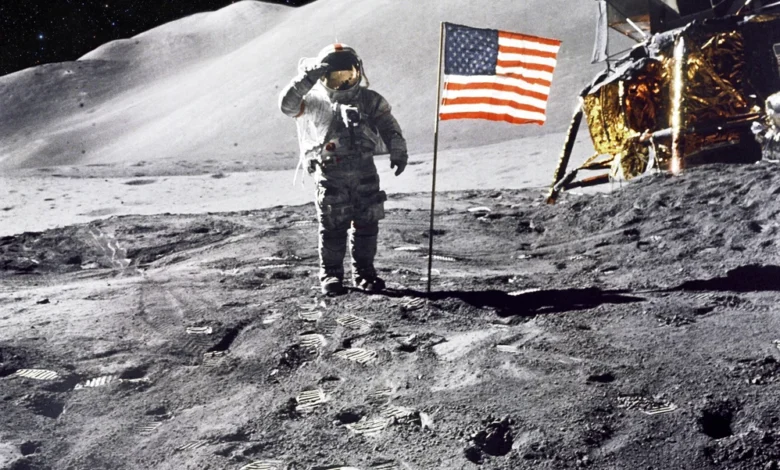
The Artemis II mission, a monumental leap for human space exploration, captured global attention as it successfully propelled astronauts farther into the cosmos than any humans in history. This groundbreaking endeavor, marking humanity’s return to deep space for the first time since the Apollo era, ignited widespread online discussions not only about the scientific achievements but also about the financial remuneration received by the crew. As the astronauts orbited the Moon, undertaking critical tests for future Martian voyages, the public grappled with the perceived disparity between the immense scale of their accomplishment and their reported salaries, prompting a deeper examination of how society values professions that push the very boundaries of human endeavor.
The Artemis II mission, launched on [Insert hypothetical launch date, e.g., November 16, 2024], was more than just a return to lunar proximity; it was a vital proving ground for NASA’s ambitious Artemis program. Unlike previous missions confined to Earth’s orbit or the relatively close proximity of the International Space Station, Artemis II ventured into the vastness of deep space, a region fraught with unique challenges and requiring advanced technological capabilities. The crew—Commander Reid Wiseman, Pilot Victor Glover, Mission Specialists Christina Koch and Jeremy Hansen—undertook a journey that pushed the limits of human endurance and technological reliability. Their objective was not merely exploration but a critical validation of the Orion spacecraft’s life support systems, propulsion capabilities, and the overall operational readiness for future lunar landings and extended deep space missions, including the ultimate goal of sending humans to Mars.
The astronauts’ compensation, however, presented a stark contrast to the extraordinary nature of their mission. Rather than receiving bonuses or significantly inflated salaries commensurate with the risks and historic significance of their flight, they were compensated according to NASA’s standard pay structure for federal employees. This structure is governed by the U.S. government’s General Schedule (GS) pay scale, a standardized system for setting the pay rates of federal civilian employees. Most astronauts fall within the GS-13 to GS-15 pay grades, with their annual salaries typically ranging from approximately $100,000 to $160,000, and potentially slightly higher depending on their experience, qualifications, and tenure within the astronaut corps. This salary range, while substantial and reflective of a highly skilled profession, does not deviate significantly for mission-specific assignments, regardless of their complexity or historical import.
The Artemis II Mission: A New Era of Deep Space Exploration
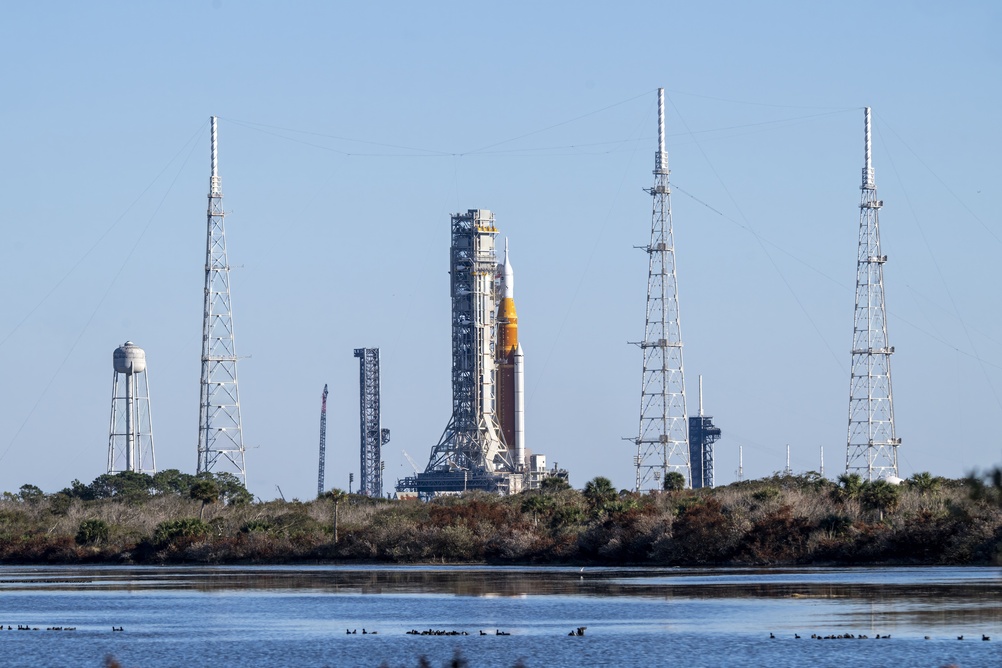
The significance of Artemis II cannot be overstated. It was the first crewed flight of the Space Launch System (SLS) rocket and the Orion spacecraft, designed to carry humans beyond low Earth orbit. The mission’s trajectory took the crew approximately 230,000 miles from Earth, a distance that exceeded the maximum reach of the International Space Station and even surpassed the distances covered by some of the Apollo missions in terms of their farthest point from Earth. This journey into the cislunar environment, the region between Earth and the Moon, served as a crucial test for technologies and procedures essential for sustained human presence beyond our planet.
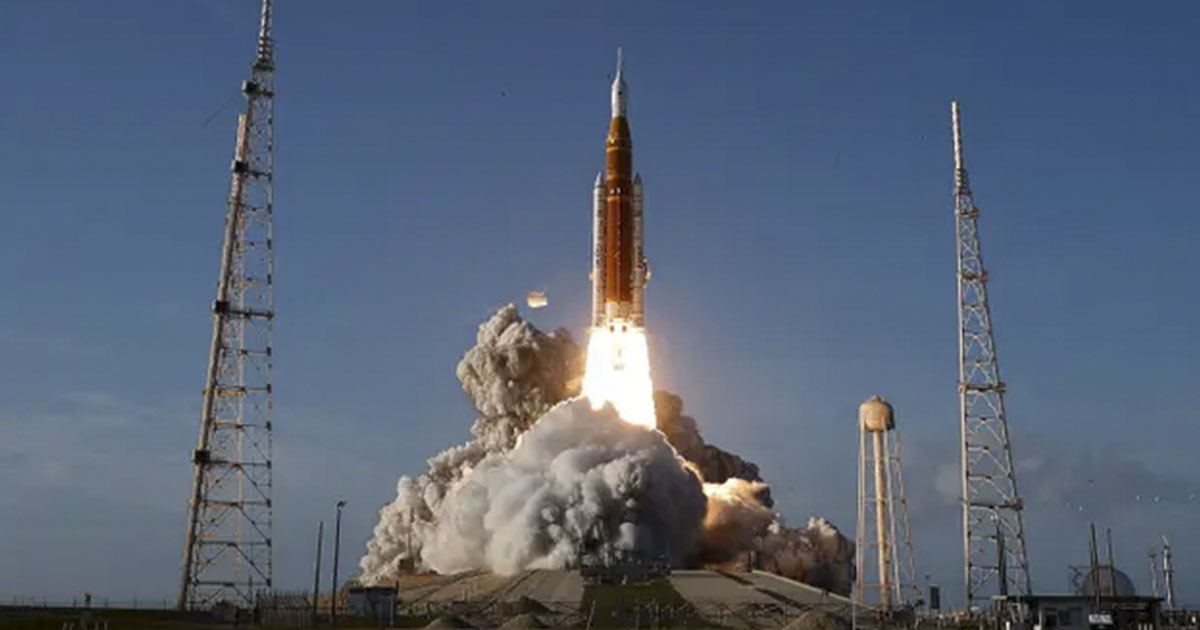
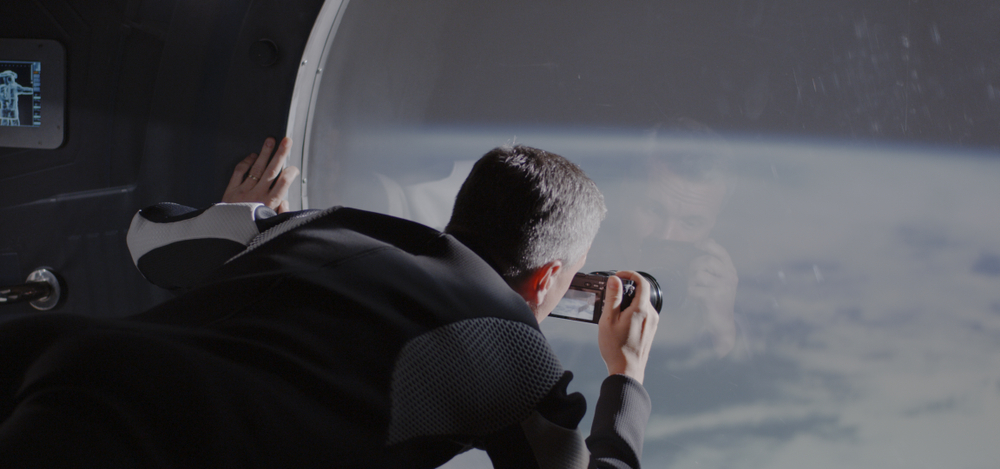
The astronauts aboard Artemis II faced a range of unprecedented challenges. Beyond the technical demands of operating the Orion spacecraft in a deep space environment, they were exposed to higher levels of cosmic radiation than those experienced in low Earth orbit. Earth’s magnetic field provides a significant degree of protection from these harmful particles, a shield that diminishes considerably as spacecraft venture farther away. The extended duration of the mission, coupled with the immense distances from Earth, also meant longer communication delays and a greater sense of isolation for the crew. Unlike missions to the International Space Station, where a relatively rapid return to Earth is possible in emergencies, deep space missions require a higher degree of self-sufficiency and resilience.
This inherent risk and the monumental responsibility placed upon the Artemis II crew led many to assume that their compensation would reflect these factors. However, the reality of NASA’s compensation system for its astronauts paints a different picture. Their salaries are fixed based on their grade and step within the GS system, and there are no additional bonuses, hazard pay, or overtime pay associated with specific missions, regardless of their historical significance or inherent danger. This approach is rooted in the long-standing ethos of public service that underpins NASA’s operations.
Breaking Down the Artemis II Astronauts’ Salary Structure
The compensation for NASA astronauts is fundamentally different from that found in many private sector industries, particularly those involving high-risk environments. As federal employees, their pay is dictated by a standardized government pay scale. This system prioritizes equity, consistency, and transparency across all government roles, rather than market-driven fluctuations or performance-based bonuses.
The General Schedule (GS) pay scale is structured into 15 grades, with each grade having 10 steps. Pay increases are typically awarded annually based on experience and tenure, up to the maximum step within a given grade. For astronauts, who generally possess advanced degrees and extensive professional experience, their placement within the GS-13 to GS-15 range is common. For instance, a GS-13 employee in Washington, D.C., in 2024 might earn an annual salary ranging from approximately $92,000 to $120,000, while a GS-15 employee could earn between $115,000 and $157,000. These figures represent base salaries, and the exact amounts can vary based on locality pay adjustments.
Crucially, this salary remains constant whether an astronaut is undergoing training on Earth, performing spacewalks at the International Space Station, or undertaking a historic deep space mission like Artemis II. There are no special mission stipends, hazard pay supplements, or bonus structures that would financially distinguish participants in more perilous or groundbreaking expeditions. This steadfast adherence to the GS scale means that the financial reward for an astronaut’s service is tied to their rank and tenure, not the specific challenges or achievements of a particular spaceflight.
Risk, Responsibility, and the Unseen Sacrifices
The inherent risks associated with space travel, particularly in deep space, are substantial and multifaceted. The Artemis II crew, like all astronauts, faced the cumulative effects of:
- Radiation Exposure: Beyond Earth’s protective magnetosphere, astronauts are exposed to higher doses of galactic cosmic rays (GCRs) and solar particle events (SPEs). Long-term exposure to such radiation is linked to an increased risk of cancer, cardiovascular disease, and potential cognitive impairment. NASA’s Human Research Program continuously researches countermeasures and monitoring protocols to mitigate these risks.
- Technological Vulnerability: While NASA employs rigorous design, testing, and redundancy protocols, spaceflight remains an endeavor where technological failure, however improbable, can have catastrophic consequences. The Orion spacecraft, a marvel of engineering, is still subject to the inherent complexities and potential vulnerabilities of any advanced technological system operating in an extreme environment.
- Psychological and Physiological Strain: The isolation of deep space, coupled with prolonged confinement in a spacecraft, can exert significant psychological pressure on astronauts. Furthermore, the microgravity environment, even for a limited duration, can lead to physiological changes such as bone density loss and muscle atrophy, requiring dedicated countermeasures. The communication delays inherent in deep space missions can also impact crew morale and operational responsiveness.
Despite these profound risks, the compensation framework does not include explicit financial incentives for undertaking them. Astronauts are understood to accept these challenges as an integral part of the role they have chosen, a commitment driven by factors beyond financial reward. This raises a critical question: why do highly skilled individuals dedicate their lives to such a demanding and perilous career without the typical financial incentives found in other high-risk professions?
Why Astronauts Pursue the Stars: Purpose Over Paycheck
The allure of becoming an astronaut extends far beyond the prospect of a substantial salary. For most, the motivation stems from a profound sense of purpose, a lifelong aspiration, and a deep-seated desire to contribute to human knowledge and progress. Many astronauts come from backgrounds steeped in science, engineering, and military aviation, fields where the pursuit of discovery, innovation, and service to a greater cause are often paramount.
The selection process for NASA astronauts is exceptionally competitive. Thousands of highly qualified individuals, possessing advanced degrees and extensive experience, vie for a limited number of coveted spots. The mere selection to the astronaut corps is, in itself, a profound achievement, often considered the pinnacle of a distinguished career. This accomplishment carries immense prestige and personal fulfillment, a reward that transcends monetary value.

The work itself offers a unique form of satisfaction. Astronauts are not merely employees executing tasks; they are explorers, scientists, and ambassadors for humanity’s innate curiosity. They contribute to groundbreaking scientific discoveries, test cutting-edge technologies, and help answer fundamental questions about our universe and our place within it. The opportunity to witness Earth from orbit, to walk on the Moon, or to contribute to missions that pave the way for humanity’s expansion into the solar system provides a level of fulfillment that few other professions can match.
Moreover, the career of an astronaut often lays the groundwork for future opportunities. Many former astronauts transition into leadership roles within NASA, government, or the private sector, becoming influential figures in aerospace, policy, public speaking, and academia. These subsequent career paths can offer significant financial rewards and continued opportunities for impact, suggesting that the initial NASA salary is but one component of a broader, long-term career trajectory.
Societal Value and the Paradox of Compensation
The contrast between the perceived risks and rewards of astronautic endeavors and the compensation received highlights a broader societal paradox: the most impactful and critical roles are not always the most financially lucrative. In many sectors, professions that carry immense societal importance, such as teaching, nursing, and scientific research, often operate within constrained salary structures, while roles in finance, executive management, or specialized technology can command significantly higher remuneration, even if their direct societal impact is less profound or their risks are comparatively lower.
This disparity raises questions about how society truly values different forms of contribution. While the market economy often dictates compensation based on demand and perceived profitability, the contributions of astronauts, educators, and healthcare professionals are fundamental to societal progress and well-being. Their work, driven by a commitment to public good and scientific advancement, often operates outside the purely commercial calculus.
The public perception of astronaut salaries is also shaped by the high-profile nature of space missions. The global fascination with space exploration generates immense public interest, leading many to assume that the individuals undertaking such perilous and historic journeys must be exceptionally well-compensated. This perception, while understandable, often clashes with the reality of a government-funded agency operating within a structured pay system.
The Debate: Should Astronauts Earn More?
The question of whether astronauts should receive higher compensation, particularly for missions as significant as Artemis II, is a recurring point of discussion. Arguments in favor often center on the unparalleled risks, the years of intensive training, and the immense responsibility undertaken by these individuals. Proponents suggest that a compensation model that includes hazard pay, mission bonuses, or performance-based incentives would better reflect the unique demands of their profession and align with compensation practices in other high-risk industries.
However, counterarguments emphasize the established principles of public service and the nature of NASA as a government agency. The current system ensures fairness, transparency, and prevents potential conflicts of interest that could arise from performance-based pay in a highly collaborative environment. Introducing variable pay could complicate team dynamics and create an uneven playing field within the astronaut corps. Furthermore, the argument is made that the intrinsic rewards of being an astronaut—the honor, the scientific contribution, and the legacy—are the primary motivators, and that the current salary, while not extravagant, is commensurate with a public service role.
The burgeoning private space sector, with companies like SpaceX and Blue Origin, introduces a new dimension to this debate. These commercial entities operate in a market-driven environment and may offer more flexible and potentially higher compensation packages. As the lines between government and private space exploration blur, it is possible that this could influence future compensation structures and public expectations regarding astronaut pay.
The Long Road to the Stars: Years of Dedication and Sacrifice
The journey to becoming an astronaut is an arduous one, often spanning decades and involving significant personal sacrifice. Most individuals selected for the astronaut corps possess advanced degrees in STEM fields (Science, Technology, Engineering, and Mathematics) and typically have extensive experience as pilots, engineers, or scientists. This foundational preparation alone represents a substantial investment of time and effort.
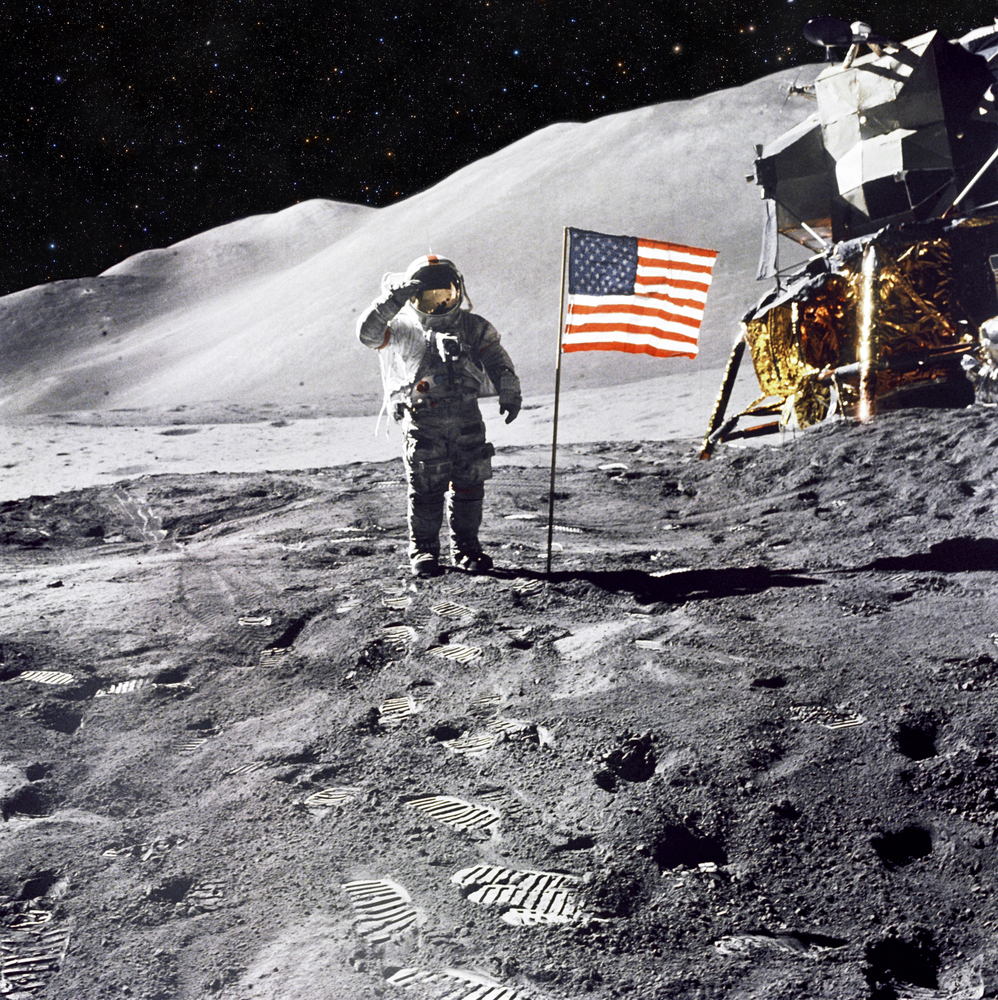
Upon selection as an astronaut candidate, the rigorous training regimen begins. This includes comprehensive technical instruction, extensive physical conditioning designed to withstand the rigors of spaceflight, and simulated mission training that prepares them for a vast array of potential scenarios, including emergencies. This period of intense training can last for several years before an astronaut is even assigned to a specific mission.
During this prolonged period of preparation, astronauts often make significant personal sacrifices. Long hours, extended absences from family, and the constant pressure to perform at the highest level become part of their daily lives. The commitment required is not merely professional but deeply personal, demanding unwavering dedication from both the astronaut and their families. The Artemis II mission, therefore, represents the culmination of a lifelong pursuit for its crew, a testament to their perseverance and dedication.
Artemis II: A Precedent for Future Exploration?
The Artemis II mission, while not altering the astronauts’ immediate compensation, may serve as a catalyst for future discussions about astronaut remuneration. As NASA continues its ambitious plans for lunar exploration and eventual crewed missions to Mars, the public’s engagement with these endeavors will likely grow. The increased visibility of space exploration, coupled with the involvement of private entities, could lead to evolving expectations regarding the financial recognition of astronauts’ contributions.
The comparison of astronaut salaries to other high-skill, high-risk professions further underscores the unique position of NASA’s astronauts. Experienced commercial airline pilots, for instance, often earn salaries exceeding those of astronauts, despite operating in an environment with comparatively lower risks and without the same level of historical significance. Similarly, highly specialized professionals in fields like cybersecurity or artificial intelligence can command lucrative compensation packages that dwarf government pay scales. This disparity highlights how compensation is often influenced by market forces and industry structures rather than solely by the inherent danger or societal importance of a role.
The sustained investment in training and preparation, coupled with the personal sacrifices made by astronauts, adds another layer to the discussion. The Artemis II crew, for example, had spent years preparing for this mission, undergoing extensive simulations and mastering complex spacecraft systems. This dedication, extending far beyond the mission itself, represents a profound commitment that is not fully captured by their base salary.

When Purpose Transcends Paycheck
Ultimately, the Artemis II mission and its astronauts’ compensation underscore a fundamental truth about human endeavor: not all achievements are measured by financial metrics. The mission itself represents a historic stride in humanity’s quest to explore the cosmos, a testament to innovation, courage, and collaboration. The astronauts who undertook this journey were driven by a profound purpose—to advance human knowledge, to inspire future generations, and to push the boundaries of what is possible.
While the debate surrounding astronaut salaries is valid and highlights important societal questions about the valuation of risk, expertise, and impact, it also serves as a reminder that some of the most significant milestones in human history are fueled by motivations that extend far beyond monetary gain. The Artemis II astronauts accepted the immense challenges and responsibilities of their mission with full awareness, driven by a passion for exploration and a desire to contribute to a legacy that will resonate for generations to come. Their mission, and the spirit it embodies, transcends the immediate financial considerations, reminding us that the true value of such endeavors lies in their contribution to the grand narrative of human progress and discovery.