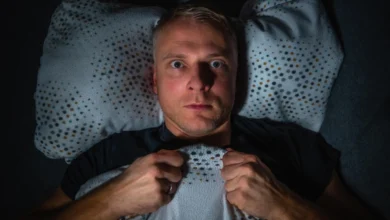
Unlocking Better Sleep: Yoga, Tai Chi, Walking, and Jogging Emerge as Leading Non-Pharmacological Treatments for Insomnia


Insomnia remains one of the most pervasive health complaints in the modern world, disrupting the lives of millions and carrying profound secondary risks for long-term physical and mental wellbeing. Characterized by persistent difficulties falling asleep, staying asleep throughout the night, and waking up too early in the morning, the condition affects an estimated 4% to 22% of the global population. While modern medicine has long relied on pharmaceutical interventions and cognitive behavioral therapy to manage these sleep disorders, a comprehensive new comparative data analysis published in the online journal BMJ Evidence-Based Medicine suggests that the path to a restful night may lie in targeted physical activities. Specifically, researchers have identified yoga, Tai Chi, walking, and jogging as premier front-line interventions capable of rivaling traditional medical treatments in improving sleep quality and alleviating the severity of insomnia.
The findings arrive at a critical juncture for public health. Chronic sleep deprivation is not merely an inconvenience; clinical data consistently link it to heightened vulnerabilities for serious medical conditions, including cardiovascular disease, metabolic disorders, and neurodegenerative illnesses such as dementia. As healthcare systems grapple with these rising comorbidities, the demand for accessible, scalable, and low-risk treatments has never been higher. Although prescription sleep aids are widely available, they frequently carry burdensome side effects, ranging from morning grogginess and dependency to cognitive impairment, particularly among older adults. Meanwhile, gold-standard psychological interventions such as cognitive behavioral therapy for insomnia (CBT-I) face severe systemic bottlenecks. Due to a persistent shortage of certified therapists, patients often endure lengthy waiting lists before receiving professional care.
To bridge this knowledge gap and provide actionable data for clinicians and patients alike, an international team of researchers undertook an exhaustive review of existing literature. Their goal was to evaluate and rank the relative effectiveness of various exercise regimens against traditional treatments, thereby offering a clearer blueprint for managing sleep disorders without relying exclusively on pharmaceuticals or scarce psychological resources.
Methodology and Scope of the Comprehensive Review
The research team initiated their investigation by scouring major scientific databases for randomized clinical trials evaluating interventions for insomnia, with a cutoff date of April 2025. Through rigorous screening, they selected 22 robust trials to include in a sophisticated network meta-analysis. This advanced statistical technique allows researchers to simultaneously compare multiple interventions—both direct and indirect—within a single analytical framework, yielding a hierarchical ranking of treatment efficacy.
The selected trials encompassed a diverse cohort of 1,348 participants and evaluated 13 distinct treatment approaches. Among these, seven were exercise-based interventions: yoga; Tai Chi; walking or jogging; combined aerobic and strength training; strength training alone; aerobic exercise paired with therapy; and mixed aerobic exercise routines. The duration of these physical programs ranged widely, spanning from 4 weeks to 26 weeks.
To provide a comprehensive comparative baseline, the analysis also evaluated non-exercise treatments, including cognitive behavioral therapy, basic sleep hygiene education, traditional Ayurveda practices, acupuncture and massage therapies, no intervention at all, and standard existing treatments such as routine medical care and general lifestyle modifications. The duration of these comparator arms similarly ranged from 6 to 26 weeks.
To measure outcomes objectively and subjectively, the trials utilized a battery of validated scoring systems, most notably the Pittsburgh Sleep Quality Index (PSQI) and the Insomnia Severity Index (ISI). Researchers also examined granular metrics, including total sleep time, sleep efficiency—defined as the percentage of time spent actually asleep while lying in bed—the frequency of nocturnal awakenings, and sleep latency, which measures the exact amount of time required to fall asleep after turning off the lights.
Comparative Efficacy: How Exercise Stacks Up Against Traditional Therapies
The meta-analysis confirmed that cognitive behavioral therapy remains a powerhouse for increasing total sleep time, particularly when evaluated through subjective sleep diaries. Patients undergoing CBT experienced substantial improvements in sleep efficiency, alongside notable reductions in both sleep latency and the duration of wakefulness after sleep onset, with benefits tending to endure over time.
However, the data revealed that several targeted exercise modalities performed remarkably well, often matching or exceeding the benefits of standard medical care and lifestyle changes. Yoga, for instance, demonstrated a profound impact on sleep architecture. According to the pooled data, practicing yoga can result in a dramatic increase in total sleep time—adding nearly two hours to a person’s nightly rest. Furthermore, it may enhance sleep efficiency by approximately 15%, reduce post-sleep onset wakefulness by nearly an hour, and shorten sleep latency by roughly thirty minutes.
For those struggling with the sheer severity of their sleep disturbances, aerobic pursuits proved particularly potent. Walking or jogging sessions were associated with a steep reduction in insomnia severity scores, dropping by nearly 10 points on standardized scales. Meanwhile, the ancient martial art of Tai Chi emerged as a particularly versatile intervention. The analysis showed that Tai Chi can reduce poor sleep quality scores by more than four points, extend total sleep time by over 50 minutes, curtail nighttime wakefulness by more than half an hour, and decrease sleep latency by approximately 25 minutes.
Most impressively, extended in-depth analyses revealed that Tai Chi outperformed standard existing treatments across virtually all subjectively and objectively measured sleep outcomes, with therapeutic benefits sustaining for up to two years post-intervention.
Biological Mechanisms: Why Movement Restores the Mind
The physiological pathways connecting physical activity to enhanced sleep quality are intricate and multifaceted, involving profound shifts in neurological, hormonal, and autonomic functions. The researchers highlighted distinct biological mechanisms for each of the top-performing exercise types, explaining why these activities succeed where others fall short.
Yoga, with its deliberate emphasis on body awareness, controlled breathwork (pranayama), and attentional training, acts directly on the central nervous system. By altering brain activity patterns, yoga helps alleviate underlying anxiety and depressive symptoms—common psychological co-factors that frequently fuel the racing thoughts and hyperarousal responsible for a poor night’s rest.
Tai Chi similarly leverages breath control and physical relaxation to reduce sympathetic nervous system activity. By dampening down the body’s acute stress response, Tai Chi helps counteract the hyperarousal state that keeps insomniacs trapped in cycles of fatigue and agitation. The unique combination of meditative movement and mindfulness promotes emotional regulation, effectively deactivating the "mental chatter" that prevents sleep onset. Furthermore, regular practice of Tai Chi appears to help curb the systemic production of inflammatory chemicals over extended periods, contributing to better long-term health and stability.
Walking and jogging operate through a combination of metabolic and neurochemical shifts. Engaging in regular cardiovascular exercise increases overall daily energy expenditure, helping to build a natural "sleep drive." Concurrently, it helps regulate the hypothalamic-pituitary-adrenal (HPA) axis, curbing the excessive production of cortisol—the body’s primary stress hormone. Beyond stress reduction, aerobic movement boosts the secretion of melatonin, the pivotal hormone governing circadian rhythms, and enhances the proportion of slow-wave, or deep, sleep necessary for cellular repair and cognitive restoration.
Methodological Limitations and Caveats
Despite the promising nature of the findings, the research team exercised appropriate caution when interpreting their data. They acknowledged that 68% of the clinical trials included in the review—totaling 15 studies—harbored noticeable design and methodological flaws. Common issues included small sample sizes, lack of blinding, and potential biases in self-reported sleep metrics.
Additionally, the reviewed studies suffered from a lack of standardized, quantifiable metrics regarding the precise frequency, intensity, and duration of the exercise interventions. Without a universal dose-response standard, determining the exact minutes per week or heart-rate zones required for optimal therapeutic effect remains a work in progress. Nevertheless, the statistical power of the network meta-analysis provides a high level of confidence in the relative ranking of these interventions, cementing their viability as clinical tools.
Clinical Implications and Future Directions
The implications of this comprehensive review extend far beyond academic journals, pointing toward a significant shift in how primary care physicians and public health officials approach the management of chronic sleep disorders. Traditionally, clinical guidelines have relegated exercise to the status of a secondary lifestyle recommendation, prioritizing pharmacological prescriptions or specialized therapy.
The authors of the study argue that the robust comparative evidence compiled in their research justifies elevating structured exercise into a primary, front-line treatment strategy. Given the distinct advantages of modalities such as yoga, Tai Chi, walking, and jogging—namely their exceptionally low cost, minimal side effects, high accessibility, and broad scalability—these activities are uniquely suited for seamless integration into primary care networks and community health initiatives.
As research continues, future investigations will likely focus on precision medicine approaches within sleep science. By identifying which specific exercise modalities best target individual symptoms—such as pairing walking with sleep onset latency or Tai Chi with nocturnal awakenings—clinicians may soon be able to prescribe tailored "exercise prescriptions" for insomnia. For millions of individuals tossing and turning in the dark, the solution may not be found in a medicine cabinet, but rather in a brisk morning jog, a mindful walk in the park, or a gentle evening session of yoga and Tai Chi.