Making Sense of Data From Wearable Health Trackers: The Evolution of Remote Monitoring, Regulatory Shifts, and Clinical Integration

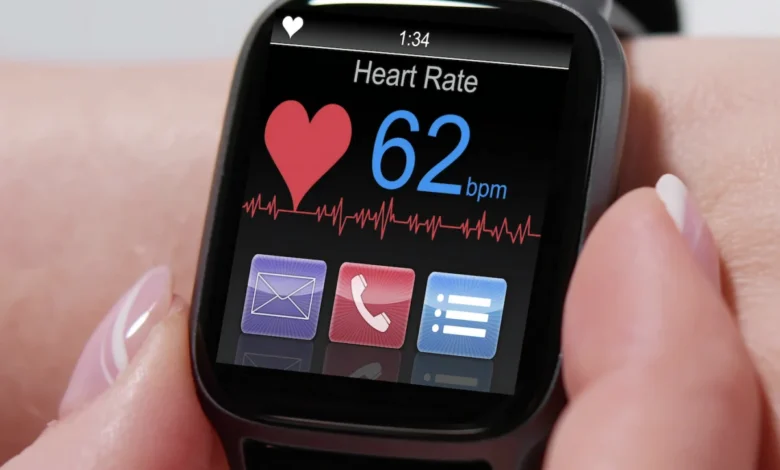
The modern healthcare landscape is undergoing a profound transformation driven by the proliferation of consumer wearable technology. Devices that were once confined to specialized hospital wards—such as portable electrocardiograms and continuous glucose monitors—are now routinely worn on the wrists and fingers of millions of everyday users. This shift has decentralized physiological monitoring, moving diagnostic capabilities out of traditional clinical environments and into daily life. However, as the line between general wellness gadgets and medical-grade diagnostics continues to blur, healthcare systems face unprecedented challenges regarding data validation, regulatory oversight, privacy protection, and the integration of artificial intelligence into clinical workflows.
Tracing the Roots of Ambulatory Monitoring
The origin of continuous ambulatory monitoring dates back to the 1960s, when biophysicist Norman J. “Jeff” Holter commercialized the portable electrocardiogram, subsequently named the Holter monitor. Before this invention, physicians relied heavily on standard electrocardiograms (ECGs) administered during brief clinic visits. This traditional approach suffered from severe sampling bias, often failing to capture cryptic cardiac arrhythmias or sporadic symptoms like syncope—the medical term for fainting—that only manifested outside the hospital.
Holter’s breakthrough established the foundational principle that a patient’s health cannot be accurately assessed from a single clinical snapshot. As Holter famously noted in a 1983 retrospective paper, evaluating a patient’s physiology from a solitary doctor’s visit is akin to a mining engineer attempting to assay an entire mountain of ore by testing just one rock. This realization set healthcare on a decades-long trajectory toward remote and continuous observation, designed to surface covert physiological anomalies before they escalated into acute medical emergencies.
The Convergence of Consumer Wellness and Clinical Medicine

In the 21st century, wearable technology initially fractured into two distinct pathways. The first comprised strictly regulated, medical-grade devices prescribed for specific clinical indications. The second encompassed consumer-facing wellness hardware produced by companies such as Fitbit, Garmin, Samsung, and Oura, designed to track general fitness metrics like step counts, sleep duration, and baseline heart rates.
In recent years, technological advancements and shifting consumer demands have steadily eroded the boundary separating these two categories. Products such as Dexcom’s Stelo have brought continuous glucose monitoring—traditionally restricted to prescription use for diabetes management—directly to over-the-counter consumer markets. Meanwhile, software ecosystems like Apple’s HealthKit now aggregate electronic health records, laboratory results, and third-party wearable metrics into centralized dashboards. Similarly, fitness brands like WHOOP have forged partnerships with clinical laboratories, such as Quest Diagnostics, to merge continuous wearable biometric tracking with routine blood testing.
This convergence means consumer-generated health data increasingly mirrors clinically measured biomarkers. Consequently, the medical community is tasked with establishing rigorous standards to determine when remote digital signals are sufficiently accurate, interpretable, and clinically actionable to guide patient care.
Evolving Regulatory Frameworks and Federal Initiatives
Recognizing the rapid pace of innovation in digital health, regulatory bodies are actively modernizing their oversight mechanisms. During the Consumer Technology Association’s CES showcase, federal health officials announced updates to regulatory guidance governing wearable technologies and artificial intelligence-enabled devices, aimed at accelerating safe pathways to market.
Simultaneously, federal agencies are piloting structured programs to integrate digital health solutions into formal healthcare reimbursement models. Programs introduced by the Centers for Medicare and Medicaid Services (CMS)—specifically the ACCESS and TEMPO pilots—are designed to facilitate insurance coverage for digital health devices that demonstrably improve outcomes for chronic conditions such as hypertension, diabetes, and depressive disorders. Under initiatives like the TEMPO pilot, select digital health devices can be distributed to patients while manufacturers gather real-world performance data, bypassing portions of the protracted clearance processes traditionally required for legacy medical hardware.

Concurrently, the federal government’s Advanced Research Projects Agency for Health (ARPA-H) launched a dedicated initiative known as Delphi. This program seeks to supercharge the development of low-cost wearable and ingestible biosensors capable of continuously tracking complex biological signals that have historically been difficult to measure remotely, including circulating hormones, immune system markers, and precise therapeutic drug levels.
Validation Standards and the Diagnostic Dilemma
Despite these encouraging regulatory tailwinds, a significant structural discrepancy remains between traditional diagnostics and consumer wearables. Hospital-based laboratories operate under strict validation frameworks mandated by federal statutes such as the Clinical Laboratory Improvement Amendments (CLIA) and accreditations from organizations like the College of American Pathologists. Laboratory-developed tests undergo rigorous, multi-stage in-house and clinical validation before being cleared to influence medical treatment.
Consumer wearables, by contrast, frequently rely on proprietary algorithms that generate composite wellness metrics—such as "readiness scores" or "sleep scores"—rather than raw clinical biomarker concentrations. While these scores incorporate physiological inputs like heart-rate variability (HRV), skin temperature, and motion, different manufacturers weigh these variables through proprietary formulas that are rarely tied to standardized pathological benchmarks.
Furthermore, validation studies reveal varying degrees of accuracy across different metrics. While modern sleep trackers generally prove reliable for identifying sleep onset and morning wake times, they remain less dependable when attempting to distinguish granular sleep stages. Similarly, heart-rate variability measurements often vary significantly across different hardware brands, and because universal diagnostic thresholds for HRV do not yet exist, clinicians struggle to utilize the metric for standalone diagnostic purposes.
Large-scale clinical evaluations further illustrate the operational complexities of consumer-scale screening. In a landmark study supported by Apple, researchers enrolled nearly 419,300 participants using a smartwatch application designed to detect irregular heart rhythms. During the evaluation period, more than 2,000 participants received notifications indicating an irregular pulse. However, subsequent clinical evaluation confirmed atrial fibrillation in only about one-third of those who sought follow-up care. While the study demonstrated the viability of population-scale screening, it simultaneously highlighted the substantial operational burden false positives place on clinical capacity.

The Amplifying Role of Artificial Intelligence
As the volume of generated biometric data expands, artificial intelligence has emerged as both a potential solution and a complicating factor. Healthcare providers are increasingly adopting generative AI tools for clinical documentation, preliminary diagnostic support, and workflow efficiency. Simultaneously, patients are turning to conversational AI chatbots to interpret personal health metrics.
In theory, large language models could serve as sophisticated filtering mechanisms, parsing through continuous streams of wearable data to highlight clinically meaningful trends. In practice, however, unconstrained AI tools risk misinterpreting poorly standardized physiological signals, amplifying false-positive alarms, and exacerbating strain on overburdened healthcare systems. Experts argue that if AI is to successfully bridge the gap between raw biometric data and clinical action, it must function transparently as a proactive patient assistant—flagging genuine adverse trajectories and ensuring vulnerable patients do not fall through the cracks of follow-up care.
Privacy Vulnerabilities and Legislative Gaps
Beyond clinical and operational challenges, the commercialization of wearable health data raises critical privacy concerns. The vast majority of health-related data collected by consumer devices falls outside the jurisdiction of the Health Insurance Portability and Accountability Act (HIPAA), which traditionally governs data protection within formal medical institutions.
Consequently, consumer sensor data can be acquired by commercial data brokers on open markets. This information can theoretically be analyzed by third parties, employers, or insurers to infer sensitive behavioral patterns, chronic stress levels, or detailed sleep and wake cycles. Lawmakers have proposed legislative remedies to address these vulnerabilities, including measures such as the SMARTWATCH Data Act and the Health Information Privacy Reform Act. These bills aim to restrict the unauthorized sale of consumer health data and extend federal privacy protections to digital metrics gathered outside traditional clinical settings.

The Future of Decentralized Healthcare
Despite valid concerns regarding data validation, false positives, and privacy, the consensus among medical professionals is that wearable technology holds transformative potential for preventative medicine. By granting individuals continuous insight into their own physiology, wearables foster patient agency and create early opportunities for lifestyle and medical interventions before silent pathologies manifest as acute clinical events.
For the decentralized laboratory of the future to succeed, it must be constructed with the same methodological rigor, transparency, and accountability that medicine has historically applied to diagnostic pathology. By aligning technological innovation with strict clinical validation and robust privacy safeguards, the healthcare industry can successfully honor Jeff Holter’s pioneering legacy—moving past the limitations of the single clinical snapshot and embracing a continuous, comprehensive understanding of human health.