Fasting Combined With a Specific Gut Microbe Accelerates Intestinal Repair Following Radiation Damage in Preclinical Study

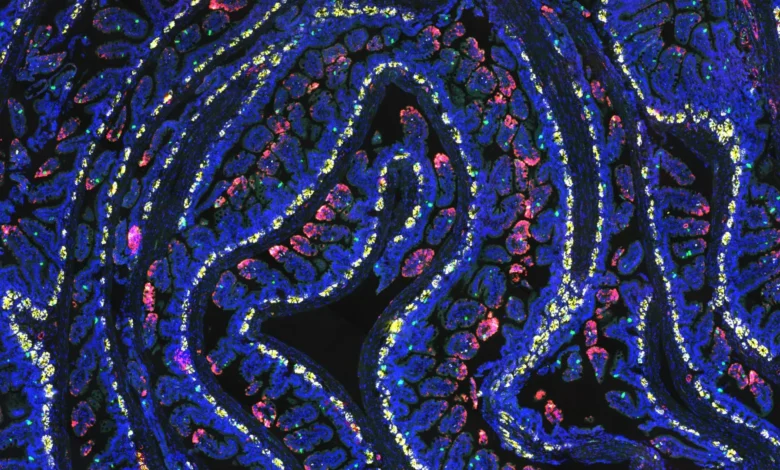
A targeted 24-hour dietary fast significantly bolsters the resilience of intestinal tissue against the ravages of radiation therapy, but this protective mechanism relies fundamentally on the presence of a specific, beneficial gut bacterium. Groundbreaking preclinical research conducted by investigators at The University of Texas MD Anderson Cancer Center has mapped out a complex biological network linking nutrition, the microbiome, and cellular epigenetics. The findings illustrate how a temporary lack of food acts in concert with resident microbes to pre-condition intestinal cells, effectively arming them with an emergency preparedness program before they encounter ionizing radiation.
Published in the Proceedings of the National Academy of Sciences, the multi-year study was co-led by Dr. Helen Piwnica-Worms, a professor of Experimental Radiation Oncology, and Dr. Kunal Rai, a professor of Genomic Medicine. While the research remains in the preclinical phase, the implications are profound. By illuminating how the body orchestrates natural tissue repair, the discovery points toward novel therapeutic strategies that could shield healthy organs during cancer treatment, potentially minimizing debilitating side effects and enabling physicians to administer more effective radiation doses.
The Vulnerability of the Gastrointestinal Tract in Cancer Care
Radiation therapy remains a cornerstone of modern oncology, utilized extensively to treat localized malignancies throughout the abdomen, including pancreatic, colorectal, and gynecologic cancers. By deploying high-energy x-rays or other particles, clinicians can systematically destroy cancer cells and shrink tumors. However, this therapeutic modality is inherently non-discriminatory; healthy tissue situated along the path of the radiation beam inevitably absorbs a dose of ionizing radiation.
The small intestine is exceptionally vulnerable to this collateral damage. Because the lining of the small intestine is characterized by a rapid and continuous rate of cellular turnover, it relies on a delicate balance of stem cells and rapidly dividing progenitor cells to maintain its structural integrity. When high-energy radiation disrupts this cellular ecosystem, the protective mucosal barrier degrades rapidly.
Patients suffering from radiation-induced intestinal damage frequently experience acute and debilitating side effects, ranging from severe nausea, cramping, and chronic diarrhea to dangerous systemic infections. In extreme cases, radiation enteritis can lead to life-threatening complications such as bowel perforation or severe dehydration. Consequently, the risk of profound intestinal toxicity often establishes a strict ceiling on the total amount of radiation doctors can safely deliver, potentially compromising the overall efficacy of the cancer treatment regimen.
Unraveling the Mysteries of Dietary Pre-Conditioning
The current study builds upon foundational investigations previously conducted by the Piwnica-Worms Laboratory. In earlier preclinical observations, researchers noted that subjecting animal models to a short-term fast prior to radiation exposure exerted a surprisingly protective effect on the gastrointestinal tract, enabling significantly faster and more robust tissue recovery afterward. Yet, the precise molecular drivers behind this phenomenon remained elusive. Investigators knew that caloric restriction triggered systemic metabolic shifts, but the exact chain of command linking an empty stomach to cellular survival in the gut was poorly understood.
To solve this biological puzzle, the MD Anderson team launched an exhaustive investigation tracking metabolic alterations, epigenetic shifts, and microbial populations within the gastrointestinal tract. Their latest findings provide a comprehensive explanation, revealing that fasting serves as an environmental cue that fundamentally rewires how intestinal cells respond to subsequent physical trauma.
The Role of Akkermansia Muciniphila and Metabolic Signaling
At the heart of this newly discovered survival pathway is a specific resident microbe known as Akkermansia muciniphila, frequently abbreviated in scientific literature as AKK. Researchers observed that a 24-hour period of fasting induced a dramatic, localized increase in the abundance of AKK within the small intestine.
As populations of Akkermansia muciniphila expanded, the microbe intensified its production of a vital short-chain fatty acid called propionate. This metabolic byproduct acts as a potent chemical signal, communicating directly with the epithelial cells lining the gut. Propionate works synergistically with broader systemic metabolic alterations induced by fasting to initiate modifications in histone proteins.
Histones are the specialized structural proteins around which chromosomal DNA is tightly wound within the nucleus. By adding small chemical tags to these histones—a process governed by epigenetic mechanisms—the cell can alter chromatin architecture without changing the underlying genetic code. The combination of fasting and AKK-derived propionate effectively uncoils specific regions of DNA, granting cellular machinery ready access to genes associated with tissue regeneration and cellular proliferation.
When these genes are unlocked, a distinct population of intestinal repair cells multiplies. Rather than scrambling to activate a defense after trauma occurs, the fasting protocol places these cells into a state of heightened readiness. When the tissue is subsequently battered by radiation, these pre-conditioned cells rapidly expand, orchestrating a streamlined and efficient reconstruction of the damaged mucosal lining.
Proving the Essential Role of the Microbe
To validate whether Akkermansia muciniphila was merely correlated with the healing process or fundamentally required for it, the researchers conducted targeted depletion experiments. By selectively removing AKK from the microbiome of the models, the protective benefits of the 24-hour fast completely vanished. Even though the subjects underwent caloric restriction, their intestines remained fully vulnerable to radiation injury, mirroring the baseline damage seen in non-fasting controls.
Crucially, when the researchers restored Akkermansia muciniphila to the depleted subjects alongside the fasting protocol, the protective response reappeared in full force. This pivotal control experiment demonstrated that neither component—fasting alone nor the presence of the bacterium alone—was sufficient to replicate the tissue-saving effects. Complete recovery required a precise biological partnership between nutritional deprivation and the metabolic activity of the targeted microbe.
The findings underscore a paradigm shift in how science views the gut microbiome: not merely as a passive community that aids digestion, but as an active regulatory organ capable of modulating systemic responses to severe physical stress and medical interventions.
Implications for Clinical Practice and Patient Care
While the implications of the MD Anderson study are inspiring for the future of oncology, investigators emphasize that the research remains firmly in the preclinical stage. Extensive further study will be required to confirm whether this exact metabolic and microbial pathway operates identically in human patients and whether it can be safely harnessed to improve clinical outcomes during active cancer therapy.
Nevertheless, the potential applications extend far beyond the gastrointestinal tract. Researchers are actively exploring whether this newly mapped tissue-repair axis could be deployed to protect other healthy, rapidly dividing tissues that suffer collateral damage during cancer treatments, such as the bone marrow cells responsible for blood cell production. If future clinical trials corroborate these findings, oncologists might one day utilize targeted interventions to shield patients from the most punishing side effects of systemic therapies.
Crucially, the practical challenges of enforcing a strict 24-hour fast on vulnerable, fatigued cancer patients undergoing aggressive treatment cannot be overstated. Recognizing this hurdle, the research team is already looking toward translational strategies that bypass the need for food restriction altogether.
"Fasting is not always practical for cancer patients, and this work supports several other potential ways to enhance recovery after treatment," noted Dr. Kunal Rai during a discussion of the study’s broader impacts. "Whether through dietary interventions, targeted microbes, or their metabolites, the goal is to help repair healthy tissue more effectively while patients receive the cancer therapies they need."
Instead of asking patients to fast, future therapies might involve administering precise prebiotics, probiotics featuring strains like Akkermansia muciniphila, or direct pharmaceutical formulations of microbial metabolites such as propionate. These targeted approaches could theoretically trick the body into activating the same epigenetic preparedness program, offering the tissue-protective benefits of fasting without the physiological stress of caloric deprivation.
Institutional Support and Future Directions
The translation of these preclinical discoveries into future clinical protocols will depend on continued empirical validation and funding. The published research at MD Anderson was made possible through competitive grants provided by the National Cancer Institute (NCI), a division of the National Institutes of Health (NIH), alongside critical support from the Cancer Prevention and Research Institute of Texas (CPRIT).
As the scientific community continues to map the intricate dialogues between human physiology and the trillions of microbes residing within us, studies like this one highlight a promising horizon for modern medicine. By learning how to work in concert with our natural microbial partners, future medical treatments may finally succeed in maximizing the destruction of cancer cells while keeping healthy human tissue safe from harm.