New Clinical Trial Reveals THC-Based Medication Significantly Reduces Severe Nightmares in PTSD Patients

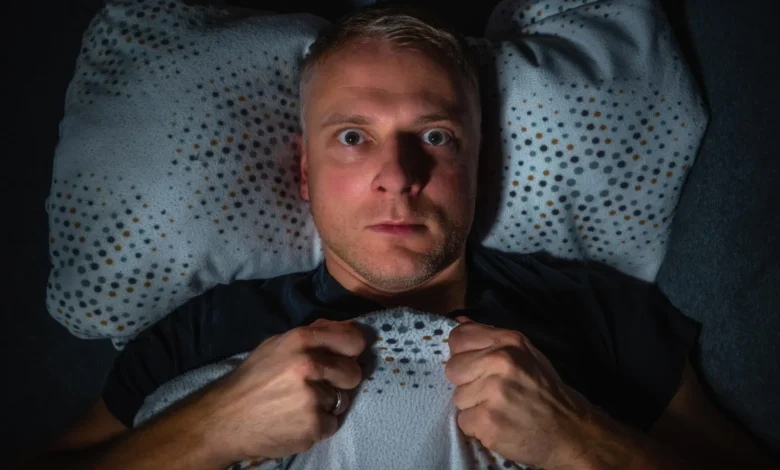
For millions of individuals living with post-traumatic stress disorder (PTSD), the descent into darkness brings no peace. Instead, nightfall often triggers a harrowing return to the worst moments of their lives. Whether stemming from combat exposure, violent assaults, severe accidents, or natural disasters, PTSD fundamentally alters how the human brain processes and stores traumatic memories. During the vulnerable hours of sleep, these unprocessed memories can breach consciousness in the form of hyper-vivid, terrifying nightmares, effectively forcing victims to relive their trauma repeatedly. This relentless nocturnal torment frequently culminates in chronic sleep deprivation, profound psychological exhaustion, and an acute dread of going to bed.
Conventional therapeutic interventions—including various classes of antidepressants and blood-pressure-lowering medications—have historically offered limited relief for these specific symptoms. While these standard treatments can help manage general daytime anxiety or mood disturbances, they rarely touch the frequency or intensity of trauma-induced nightmares. Furthermore, regulatory bodies in numerous jurisdictions, including Germany, have yet to approve a dedicated pharmaceutical agent specifically indicated for trauma-related nightmares.
Seeking to bridge this significant therapeutic gap, a team of researchers at Charité – Universitätsmedizin Berlin, in collaboration with several prominent scientific institutions, initiated a rigorous clinical investigation. Their objective was to determine whether a prescription drug containing tetrahydrocannabinol (THC)—the primary psychoactive compound derived from the cannabis plant—could safely and effectively alleviate the severe nightmares plaguing PTSD sufferers. The landmark findings, recently published in the esteemed scientific journal Nature Medicine, indicate that more than half of the clinical trial participants responded positively to the THC-based treatment, with over a third reporting that their debilitating nightmares vanished entirely.
The Neurological Burden of Trauma and the Limitations of Current Care
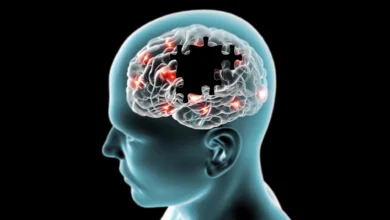
To understand the magnitude of this breakthrough, one must examine the complex neurobiology of post-traumatic stress disorder. When a person undergoes a catastrophic, life-threatening event, the brain’s normal mechanisms for encoding and integrating memories can become overwhelmed. Rather than being filed away as a past event with a beginning, middle, and end, the memory is often stored in a fragmented, highly emotional state.
This disruption manifests across the circadian cycle. During the day, triggers can provoke sudden flashbacks or severe anxiety. At night, the psychological barriers that keep these memories at bay erode further. Rapid Eye Movement (REM) sleep—the critical physiological phase during which the brain typically processes experiences, consolidates learning, and regulates emotions—becomes hijacked. For individuals with PTSD, REM sleep turns into a nightly theater of terror, causing them to wake repeatedly in blind panic, soaked in sweat, and hyperventilating.
Over time, this chronic sleep disruption cascades into a host of secondary health crises. Sleep deprivation impairs cognitive function, weakens the immune system, exacerbates depression, and amplifies the risk of suicidal ideation. Yet, despite the severity of these symptoms, physicians have had few reliable tools at their disposal. Standard psychiatric medications frequently fail to suppress the physiological arousal that drives trauma nightmares, leaving patients and clinicians searching for alternatives.
This clinical stalemate prompted Prof. Stefan Röpke, a leading researcher in trauma-related disorders at the Department of Psychiatry and Neurosciences on the Benjamin Franklin Campus of Charité, to look toward the human endocannabinoid system. This complex cell-signaling network plays a fundamental role in regulating a vast array of physiological and cognitive processes, including mood, appetite, pain sensation, sleep, and, crucially, emotional memory processing.
According to Prof. Röpke, THC interacts directly with this system, mimicking and augmenting the body’s natural endocannabinoids. "There is evidence suggesting that during REM sleep—the intense dream phases in which the brain processes experiences and regulates emotions—THC reduces dream activity and thereby alleviates nocturnal stress responses," Röpke explained. By dampening the hyperactive emotional signaling that occurs during these deep dream cycles, the compound effectively lowers the neurological volume on traumatic memories, allowing patients to achieve restorative sleep without reliving their worst moments.
Chronology of the Clinical Trial: A Rigorous Double-Blind Design
The path to this clinical trial was paved by shifting legal and medical frameworks regarding cannabinoid therapeutics. Medicinal cannabis and its derivatives have gained increasing acceptance across Europe, particularly for chronic pain management where conventional pharmaceuticals fall short or induce unacceptable side effects. In Germany, this shift accelerated significantly following the enactment of the "Cannabis for medical purposes" legislation in 2017. This landmark legal reform substantially expanded the authorized medical and scientific applications of plant-derived and synthetic cannabinoids, creating a regulated pathway for rigorous clinical research.
Capitalizing on this legislative framework, Charité initiated a multi-institutional study designed to evaluate Dronabinol—a prescription medication containing pure THC extracted from the cannabis plant and administered via oral drops. To ensure the highest standards of scientific validity, the research team structured the project as a randomized, double-blind, placebo-controlled trial, widely recognized by the global medical community as the gold standard for clinical testing.
The chronology and execution of the trial followed a strict protocol:
- Participant Recruitment: The study enrolled more than 170 adult patients diagnosed with post-established PTSD who reported frequent, severe, and disabling nightmares.
- Intervention Phase: Participants were randomly assigned to receive either active Dronabinol drops or an identical, cannabis-flavored placebo. Neither the patients nor the administering healthcare professionals knew who received the active medication.
- Administration: Participants self-administered the prescribed drops each evening approximately one hour before retiring to bed.
- Duration: The active treatment and observation period spanned ten consecutive weeks.
- Evaluation: Symptom severity was tracked continuously, with comprehensive assessments conducted at the conclusion of the ten-week period using standardized clinical rating scales.
By employing a placebo-controlled, double-blind methodology, the research team successfully eliminated potential confounding variables, such as the placebo effect or observer bias, ensuring that any recorded improvements could be directly attributed to the pharmacological action of the THC-based drops.
Quantitative Findings: Measurable Relief for Trauma Survivors
At the culmination of the ten-week trial, the data revealed a stark and statistically significant divergence between the treatment cohort and the control group. Nightmare severity was quantified using a standardized clinical scale ranging from zero to eight, where higher scores denote greater frequency and intensity of trauma-related dreams.
Among the participants who received Dronabinol, the average nightmare burden dropped by a striking 3.7 points. In contrast, the placebo group experienced an average decrease of 2.2 points. While a placebo effect is common in psychiatric trials due to the psychological benefit of receiving clinical attention, the additional 1.5-point reduction observed in the Dronabinol group translated into a profound, life-altering difference for the patients involved.
The qualitative metrics gathered by the researchers further underscored the efficacy of the intervention. Prof. Röpke highlighted the clinical milestones achieved during the trial: "More than a third of the patients treated with Dronabinol reported that they no longer experienced any nightmares after ten weeks. Another 21 percent reported that their nightmare burden had been at least halved. And about five out of six patients in the dronabinol group felt their health had markedly improved."
For individuals who had endured years or even decades of uninterrupted nocturnal terror, the cessation of nightmares represented a return to agency and physical health. The ability to sleep through the night without waking in terror allowed many participants to break the cycle of chronic exhaustion that fuels daytime PTSD symptoms.
Safety Profile, Limitations, and Side Effects
While the therapeutic efficacy regarding nightmares and sleep disruption was clear, the researchers noted important boundaries regarding the drug’s systemic impact. The trial data indicated that Dronabinol acted specifically on the neurological mechanisms governing sleep and dreaming rather than serving as a cure-all for every dimension of post-traumatic stress disorder.
Specifically, the scientific team could not conclusively demonstrate that the treatment significantly reduced the overall severity of broader PTSD symptoms, such as daytime hypervigilance, emotional numbing, or accompanying depressive disorders. Nevertheless, because sleep disruption acts as an accelerant for virtually all psychiatric symptoms, the localized relief provided by the medication created meaningful improvements in overall quality of life.
Safety and tolerability are paramount considerations in psychiatric pharmacology, particularly when dealing with cannabinoid compounds that possess psychoactive properties. The trial yielded highly reassuring results in this regard. No severe adverse events were reported among the participants taking Dronabinol.
The side effects that did emerge were predominantly mild to moderate in severity and aligned with the known pharmacological profile of THC. These included occasional dizziness, mild headaches, and an increased appetite. Crucially, the researchers monitored participants closely for signs of chemical dependency or withdrawal. Upon the conclusion of the ten-week study, when participants abruptly stopped taking their evening doses, the medical team observed no withdrawal symptoms, psychological cravings, or physiological rebound effects.
Broader Implications and Future Research Directions
The publication of these findings in Nature Medicine marks a critical turning point in the pharmacological management of PTSD-related sleep disturbances. By validating the therapeutic potential of cannabinoid-based interventions through rigorous scientific methodology, the Charité research team has opened a promising new avenue for clinicians who have long struggled to treat this specific patient population.
However, the medical community emphasizes that this trial represents an initial step rather than a final destination. Building upon these encouraging results, future clinical investigations are already being planned to address lingering questions regarding long-term application.
Key areas for upcoming research include:
- Long-Term Safety and Efficacy: Assessing whether the positive outcomes observed at ten weeks are sustained over a period of six months, one year, or longer.
- Pharmacological Tolerance: Investigating whether patients develop a physiological tolerance to Dronabinol over extended periods, which could potentially diminish its effectiveness and necessitate dosage adjustments.
- Broadened Demographics: Expanding trial cohorts to include more diverse populations, such as active-duty military personnel, first responders, and survivors of chronic childhood trauma, to determine if treatment efficacy varies across different types of traumatic experiences.
- Combination Therapies: Exploring how THC-based nocturnal treatments can be synergistically integrated with established trauma-focused psychotherapies, such as Cognitive Behavioral Therapy (CBT) or Eye Movement Desensitization and Reprocessing (EMDR).
The successful execution of this study was a collaborative endeavor. Charité initiated and led the research enterprise, with vital scientific contributions from the Psychiatric University Clinic of Charité at St. Hedwig Hospital, the University Medical Center Hamburg-Eppendorf, and the Central Institute for Mental Health in Mannheim. Financial and logistical support for the work was provided by Bionorica SE, a pharmaceutical company specializing in evidence-based phytopharmaceuticals.
As healthcare systems worldwide continue to grapple with the rising prevalence of post-traumatic stress disorder among veterans, refugees, and accident survivors, innovations in targeted pharmacotherapy are urgently required. By harnessing the modulatory power of the endocannabinoid system, medical science has taken a decisive stride toward silencing the nocturnal ghosts of trauma, offering renewed hope for restful sleep and lasting psychological recovery.
Related posts: