Skinnytaste Releases New Free 7-Day Weight Loss Meal Plan and Budget-Friendly Grocery Guide for November 2025

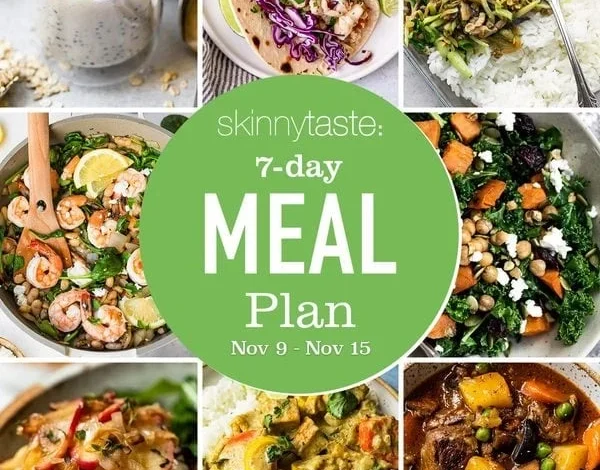
As autumn weather settles in and the holiday season rapidly approaches, maintaining balanced nutritional habits while managing household budgets becomes a significant challenge for many families. Responding to this seasonal demand, the popular healthy lifestyle and recipe platform Skinnytaste has officially published its latest resource: a comprehensive, free 7-day weight loss meal plan designed to streamline grocery shopping, minimize food waste, and provide structured nutritional guidance tailored for the week of November 9 through November 15.
Navigating Seasonal Nutrition and Economic Pressures
The release of the November meal plan arrives at a time when consumers across the nation are contending with persistent economic pressures, including fluctuating grocery prices and busy autumn schedules. According to retail food price indices and consumer spending data, households are increasingly seeking strategies to curb food inflation by dining out less frequently and maximizing efficiency at home. Meal planning has consistently emerged as a primary behavioral tool recommended by nutritionists and financial advisors alike to combat rising food costs while adhering to health goals.
Skinnytaste’s latest weekly guide aims to bridge the gap between healthy eating and financial pragmatism. By offering a meticulously curated schedule of breakfasts, lunches, and dinners—complete with an organized master shopping list—the platform provides a blueprint for individuals and families looking to maintain their wellness objectives without sacrificing flavor or breaking their weekly budgets.
Structure and Nutritional Philosophy of the Plan
Designed with flexibility in mind, the 7-day program avoids rigid, one-size-fits-all dietary restrictions. Instead, it operates on a baseline caloric target while deliberately leaving room for individual adjustments, such as morning coffee, afternoon snacks, additional fresh fruits, or occasional evening treats.
The nutritional framework of the plan typically targets a baseline intake of approximately 1,500 calories per day for women, though health experts emphasize that individual energy requirements vary significantly depending on factors such as age, baseline weight, daily activity levels, and personal health goals. To accommodate these variables, the platform provides clear macronutrient breakdowns and Weight Watchers points for recipes, ensuring that users tracking specific metrics can easily adapt the meals to their personal requirements.
The structural design of the weekly schedule also prioritizes kitchen efficiency. Weekday breakfasts and lunches are proportioned to serve a single individual, while dinners and all weekend meals are scaled to feed a family of four. Furthermore, strategic deployment of leftovers—such as utilizing portions of the mid-week Slow Cooker Beef Stew for subsequent lunches—reduces prep time and ensures that ingredients purchased at the grocery store are fully utilized before spoilage occurs.
Detailed Daily Chronology and Recipe Lineup
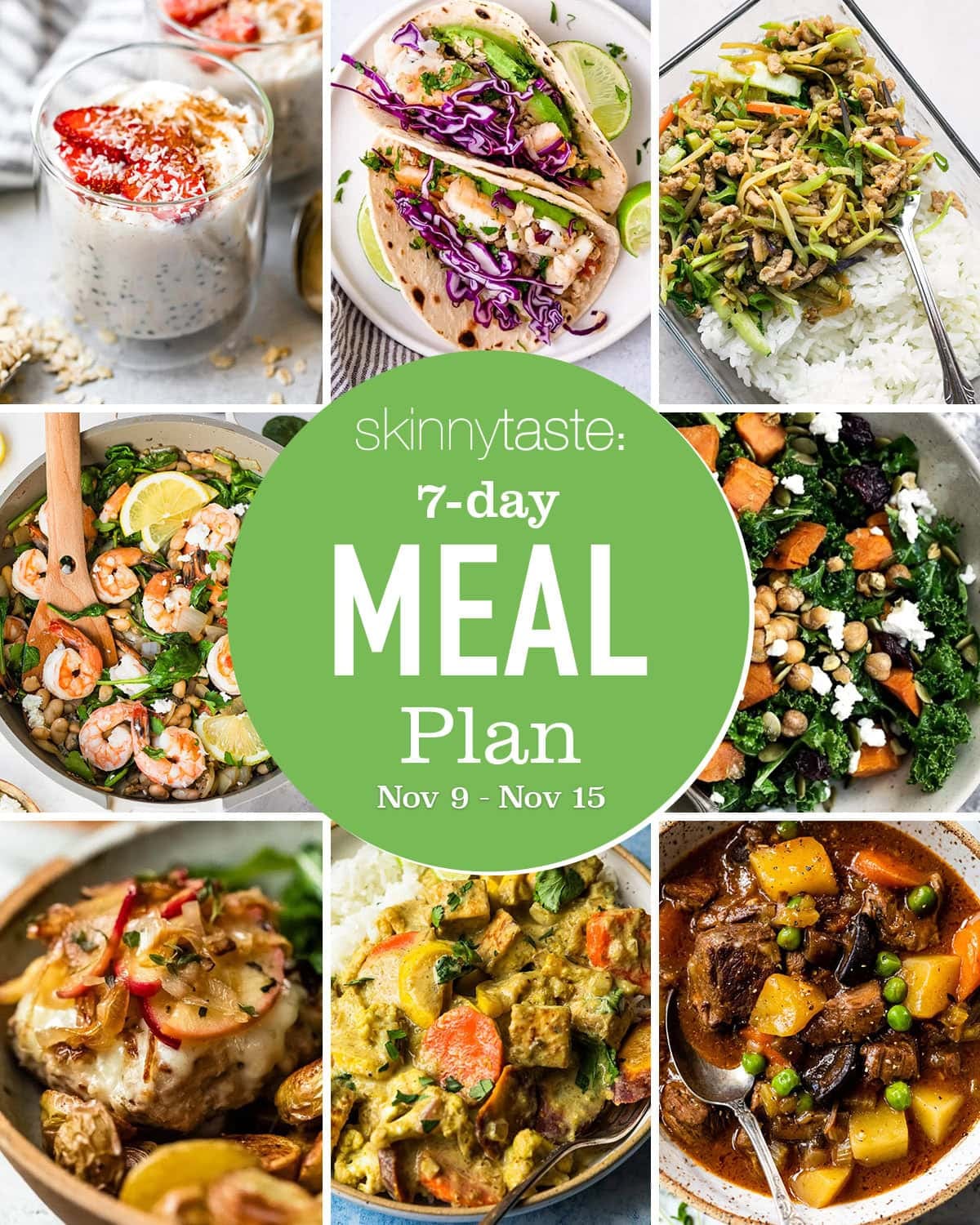
The November 9–15 meal plan incorporates seasonal ingredients, high-protein options, and comforting autumn flavors designed to satisfy hearty appetites while keeping caloric density manageable.
Monday, November 9
The week initiates with a protein-forward breakfast featuring high-protein scrambled eggs prepared with cottage cheese, accompanied by a single slice of whole grain toast and fresh kiwi. Lunch transitions to a light yet savory Chicken Egg Roll Bowl, while dinner offers a comforting plant-based option: Tofu Green Curry with Vegetables served alongside three-quarters of a cup of jasmine rice. Total estimated daily calories stand at approximately 1,277.
Tuesday, November 10
The routine continues with a repeat of the high-protein cottage cheese scramble and toast for breakfast, paired with leftover Chicken Egg Roll Bowl for midday sustenance. The evening meal shifts toward seafood, featuring Cilantro Lime Fish Tacos complemented by quick Cuban-style black beans, bringing the day’s total to roughly 1,191 calories.
Wednesday, November 11
Mid-week breakfast introduces Banana Nut Protein Oats, followed by another serving of the Chicken Egg Roll Bowl for lunch. Dinner highlights batch-cooking efficiency with a Slow Cooker Beef Stew paired with freshly baked cornbread muffins, totaling around 1,356 calories.

Thursday, November 12
Breakfast shifts to an Apple Chia Pudding infused with peanut butter. Lunch utilizes the previous night’s surplus of slow cooker beef stew and cornbread, while dinner introduces a sheet-pan preparation: Maple Dijon Sheet Pan Chicken, keeping the daily total near 1,260 calories.
Friday, November 13
The final workday mirrors Thursday morning with the apple chia pudding and beef stew leftovers at midday. Friday evening features a nutrient-dense seafood dinner of Shrimp and White Beans with Spinach and Feta, accompanied by a double batch of Roasted Cauliflower Rice with Garlic and Lemon, totaling approximately 1,296 calories.
Saturday, November 14
Weekend scheduling adjusts to accommodate lighter morning and afternoon fare before a planned evening dining out. Breakfast consists of Tres Leches Overnight Oats, followed by a robust Kale Salad featuring roasted sweet potatoes, dried cherries, feta, and pepitas. The day’s structured intake registers around 626 calories, leaving ample room for restaurant dining.
Sunday, November 15
The week concludes with a hearty Bacon, Egg, and Avocado Breakfast Sandwich, followed by the remaining portion of the Saturday kale salad for lunch. Dinner features turkey burgers crafted with apples and Gruyère cheese, served alongside crispy oven-roasted baby potatoes and a side arugula salad dressed lightly with olive oil and lemon juice, capping off the week at approximately 1,254 calories.
Economic Efficiency and Digital Integration
A core component of Skinnytaste’s weekly publishing model is the accompanying master grocery list, organized systematically by department—ranging from fresh produce and butcher selections to pantry staples and dairy items. By consolidating purchasing requirements into a single, categorized list, consumers are equipped to navigate supermarkets efficiently, avoiding impulse purchases that frequently inflate grocery bills.
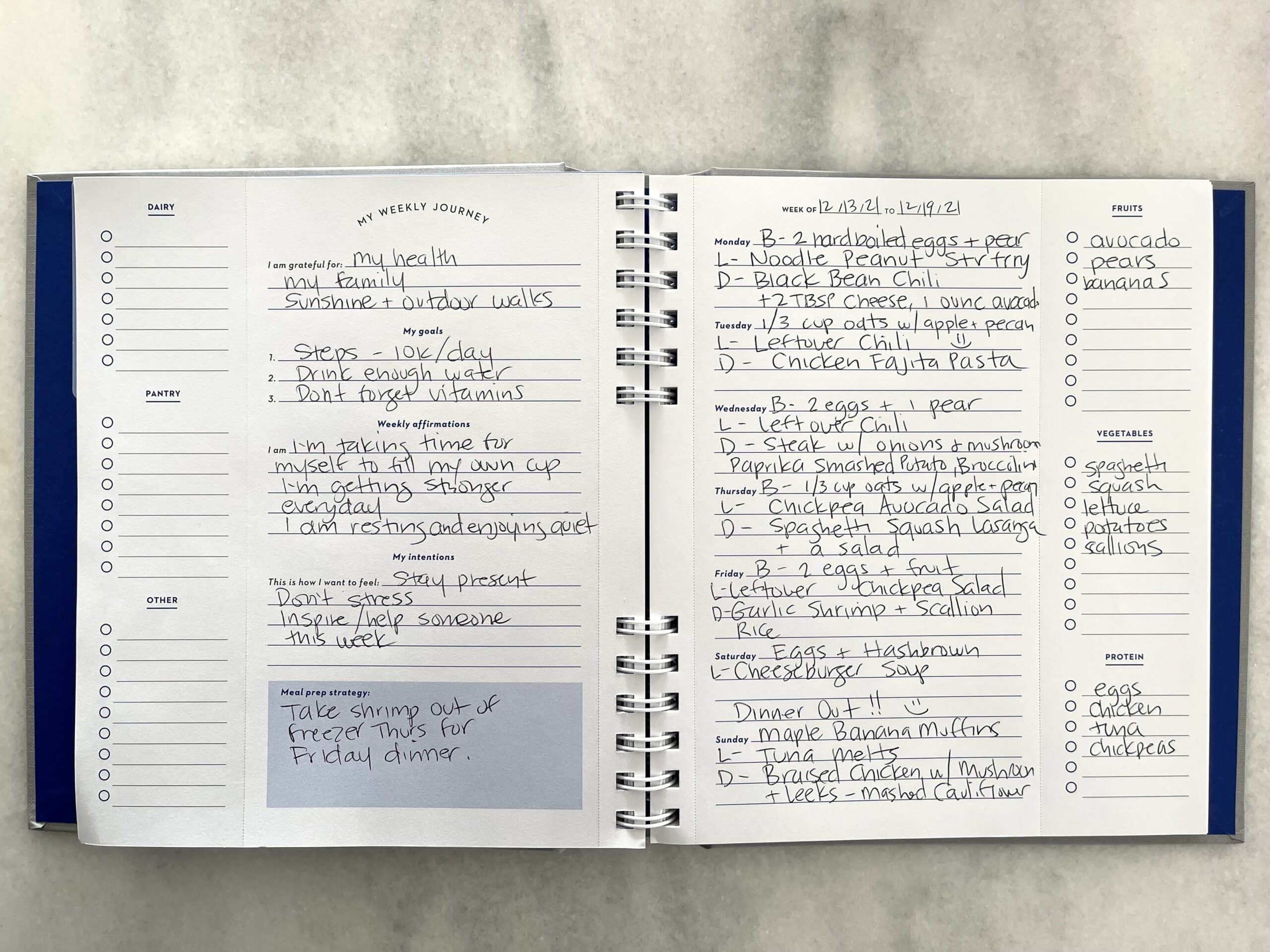
In addition to the web-based resources, the platform continues to expand its ecosystem through community engagement initiatives, including an active Facebook community where thousands of members exchange modifications, cooking tips, and photographs of their prepared dishes. For long-term planning, the platform also offers physical merchandise, such as the 52-week spiral-bound Skinnytaste Ultimate Meal Planner, which integrates weekly scheduling grids with space for personal intentions and gratitude journaling.
Broader Implications for Home Cooking and Public Health
Public health advocates and nutritional researchers have long underscored the correlation between structured meal planning and improved dietary adherence. Studies consistently demonstrate that individuals who plan their weekly menus in advance consume a higher variety of essential nutrients, consume fewer ultra-processed convenience foods, and successfully manage caloric intake more effectively than those who make spontaneous daily food decisions.
Furthermore, economic analysts point out that proactive meal planning serves as one of the most effective consumer countermeasures against persistent food inflation. By purchasing precisely the ingredients required for a week of integrated recipes, households can drastically curb food waste—a significant financial drain for the average American family.
As consumer interest in sustainable, budget-conscious healthy eating remains high, initiatives like the Skinnytaste weekly meal plans highlight the growing demand for accessible, professionally guided nutritional tools in the digital age. The complete meal plan, along with its downloadable Google Doc shopping list, remains publicly accessible via the platform’s official channels for households seeking to navigate the autumn season with organization and nutritional intent.