Crispy Air Fryer Lemon Pepper Wings Deliver Restaurant-Quality Flavor with Fewer Calories

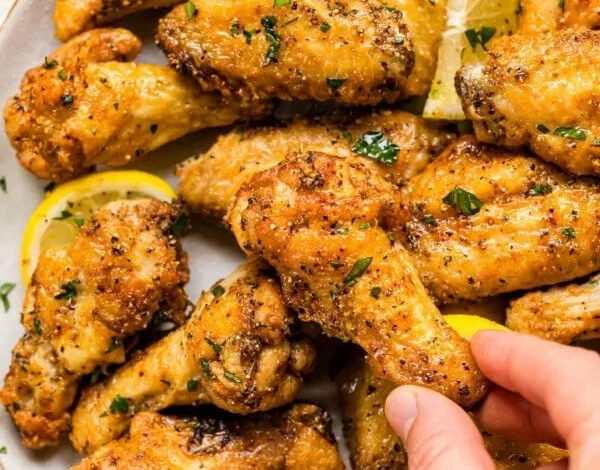
The demand for healthier, home-prepared alternatives to traditional deep-fried comfort foods has led culinary experts and home cooks alike to embrace countertop kitchen appliances, most notably the air fryer. Among the latest recipes gaining traction across food media and digital cooking platforms is a streamlined method for creating crispy air fryer lemon pepper chicken wings. Developed to replicate the robust, savory profile of popular commercial wing chains without the heavy saturated fats associated with deep-fat frying, this recipe achieves a balance between nutritional mindfulness and indulgent flavor.
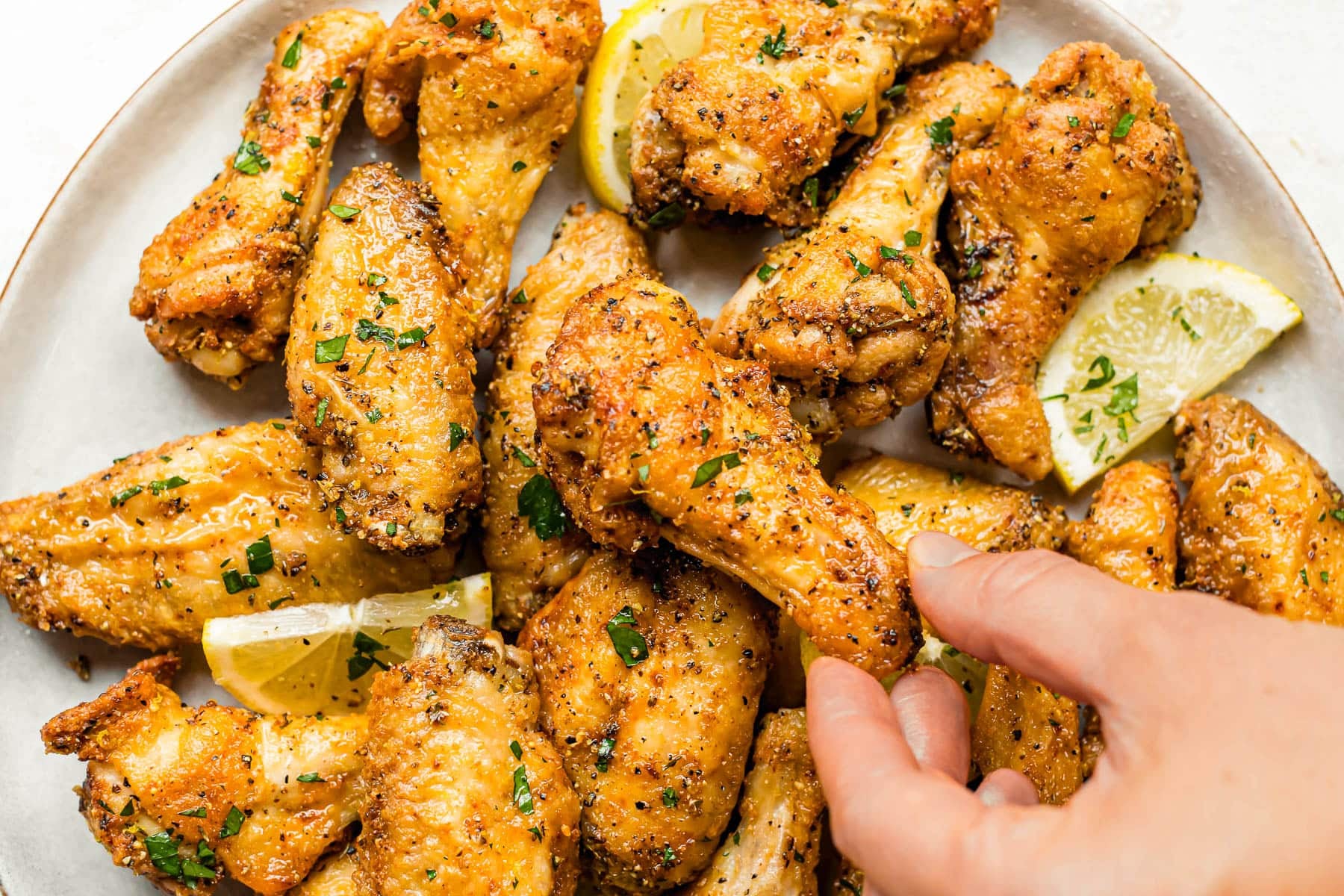
The Rise of Air Fryer Culinary Trends
In recent years, the air fryer has transitioned from a novel kitchen gadget to a staple appliance in millions of households globally. Culinary data consistently highlights air frying as a preferred method for preparing poultry, root vegetables, and frozen convenience foods. By utilizing rapid air circulation technology, these devices can crisp the exterior of various proteins using a fraction of the oil required by traditional frying methods.
Chicken wings, traditionally submerged in vats of boiling oil to achieve a shatteringly crisp exterior, are prime candidates for this cooking technique. Standard deep-frying adds significant caloric density and fat content to the dish, often discouraging those adhering to balanced diets or specific macronutrient goals from enjoying them regularly. The adaptation of classic flavor profiles—such as lemon pepper, buffalo, and garlic parmesan—to air fryer parameters has allowed home cooks to bridge the gap between dietary health and culinary satisfaction.
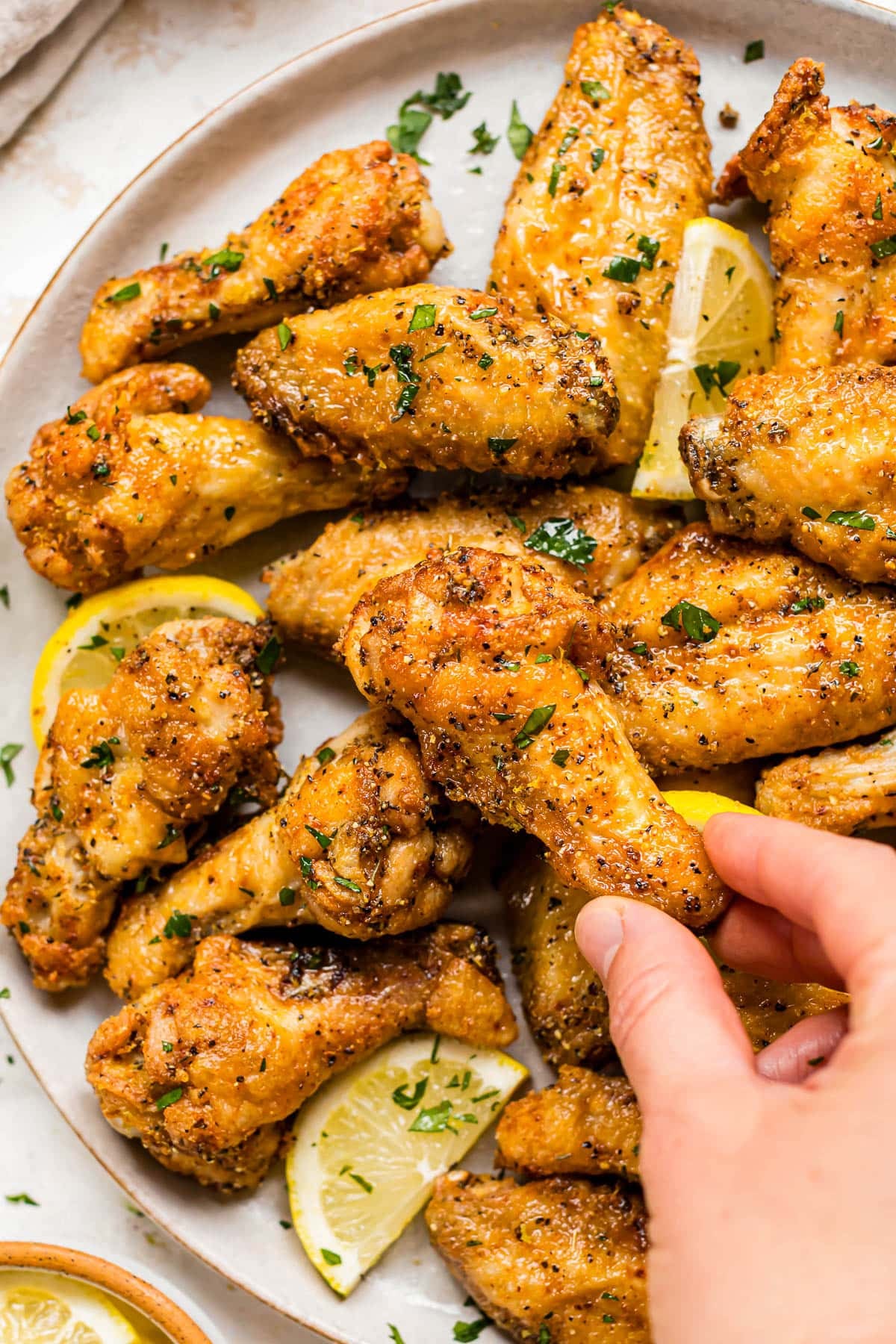
Recipe Formulation and Nutritional Profile
The featured lemon pepper wing recipe relies on a specific sequence of seasoning and cooking protocols designed to maximize texture and taste. According to nutritional breakdowns for the dish, a standard serving size of five wings contains approximately 344 calories, 30 grams of protein, 24 grams of total fat (including 8 grams of saturated fat), and roughly 1 gram of carbohydrates. With a sodium count averaging 565 milligrams, the dish fits into various dietary frameworks, particularly high-protein and low-carbohydrate meal plans.
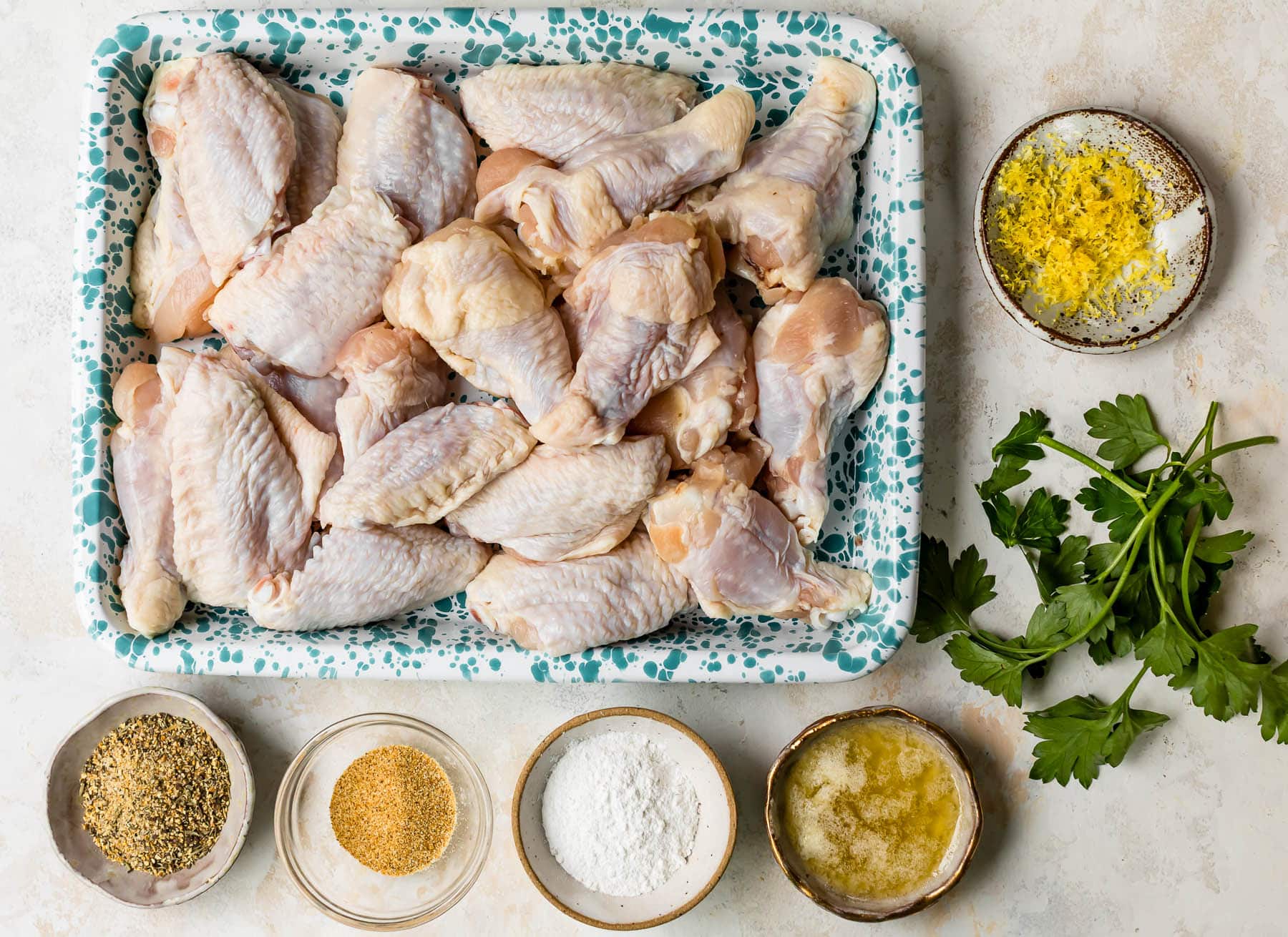
The ingredient list remains intentionally concise, focusing on fresh elements rather than heavy, cream-based sauces. The foundation begins with fresh, properly thawed chicken wings—specifically split into drums and flats—which are dried thoroughly to eliminate surface moisture, a critical factor in achieving optimal crispness. Seasonings include a blend of high-quality lemon pepper, garlic powder, and black pepper. To bind the spices to the chicken without relying on heavy breading, a minimal amount of melted butter or cooking oil is utilized, often enhanced post-cooking with fresh lemon zest and finely chopped parsley to elevate the aromatic profile.

Step-by-Step Methodology and Precision Cooking
Achieving the ideal texture in an air fryer requires adherence to specific temperature and handling guidelines. Culinary specialists emphasize that preparation begins long before the chicken enters the basket.
- Surface Preparation: Raw wings must be completely thawed and patted dry using paper towels. Moisture is the primary enemy of crispiness, as residual water creates steam during the cooking process, resulting in rubbery skin rather than a golden crunch.
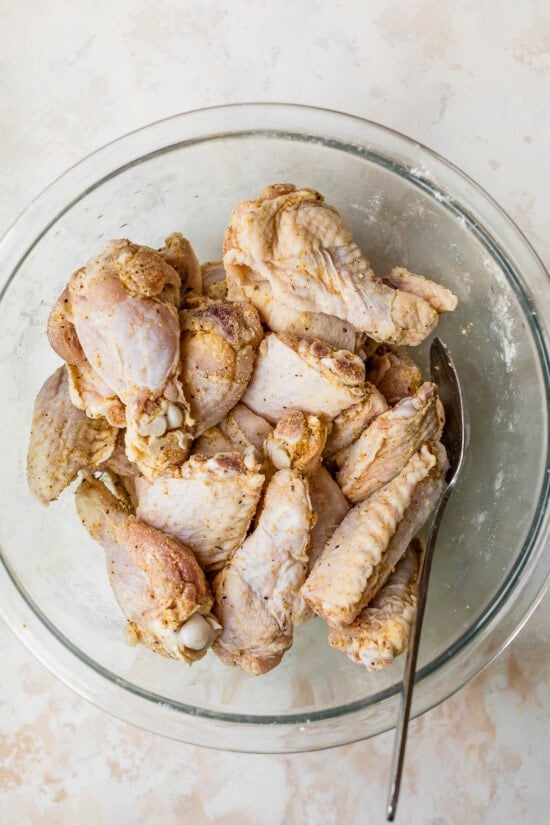
- Seasoning Integration: The dry wings are lightly coated with a small amount of oil or melted butter, followed by an even distribution of lemon pepper seasoning and garlic powder. Ensuring an even coat guarantees that every bite delivers a balanced flavor.
- Thermal Dynamics: The air fryer is typically preheated to a medium-high temperature, generally around 380°F to 400°F. Proper spacing of the wings within the basket is essential; overcrowding prevents the circulating air from reaching all surfaces, leading to uneven cooking.
- Rotation and Monitoring: Cooking times generally range from 20 to 25 minutes. Culinary best practices mandate shaking the basket or flipping the wings halfway through the cooking cycle to ensure uniform heat distribution and browning.
- Final Finishing: Upon reaching an internal temperature of at least 165°F—verified by a meat thermometer inserted near the bone—the wings are removed and immediately tossed with fresh lemon zest, cracked black pepper, and chopped parsley to lock in the bright, citrusy aromatics.
Comparative Analysis: Air Frying Versus Traditional Methods
To understand the broader implications of this recipe trend, food scientists and nutritionists often compare air-fried poultry against traditional deep-fried and oven-baked alternatives.

Traditional deep frying submerges the chicken in oil heated to roughly 350°F to 375°F. While this method yields rapid and
consistent crisping, it significantly increases the fat absorption rate of the food, elevating the calorie count and introducing large amounts of trans or degraded fats depending on the cooking medium used.
Oven baking, conversely, represents a healthier alternative but often struggles to replicate the crunch of fried foods unless utilizing specialized wire racks and extended cooking times—frequently taking upwards of 45 minutes at high temperatures like 425°F.
The air fryer bridges this gap by mimicking the convective heat of a commercial convection oven on a localized scale. The rapid circulation of superheated air renders the fat out of the chicken skin efficiently, causing it to blister and crisp in a fraction of the time required by a conventional oven, all while using up to 70% to 80% less oil than deep frying.
Broader Culinary Implications and Consumer Impact
The popularity of recipes like air fryer lemon pepper wings reflects a broader shift in consumer behavior toward functional home cooking. As grocery prices fluctuate and dining out becomes increasingly expensive, consumers are investing in kitchen technologies that allow them to recreate restaurant-quality experiences at home.
Furthermore, the emphasis on lighter preparations of comfort foods speaks to a growing consumer demand for dietary flexibility. Recipes that maintain indulgence—such as the rich, buttery, and tangy flavor profile of lemon pepper wings—while trimming excess calories and fats align with modern wellness trends emphasizing sustainability over restrictive dieting.
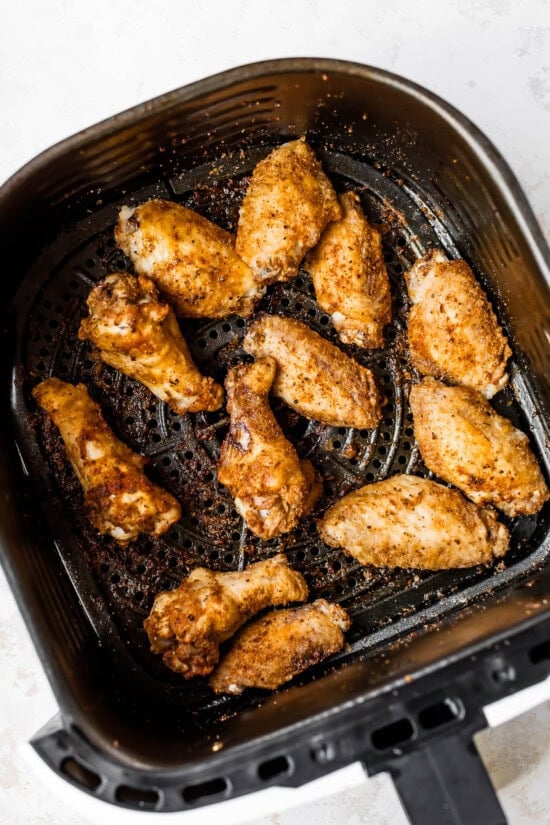
Food media analysts note that digital platforms heavily favor recipes that combine visual appeal with practical efficiency. Dishes requiring under thirty minutes of total preparation and cooking time, utilizing accessible pantry staples, and yielding high-protein results consistently outperform complex culinary projects in user engagement metrics.
Conclusion and Best Practices for Home Cooks
For those looking to replicate or adapt the lemon pepper wing method, culinary educators offer several foundational takeaways. Prioritizing ingredient quality—such as using fresh citrus zest rather than bottled lemon juice, which can introduce unwanted moisture—substantially enhances the final dish. Additionally, investing in a reliable digital meat thermometer ensures food safety without compromising texture by cutting into the meat prematurely.
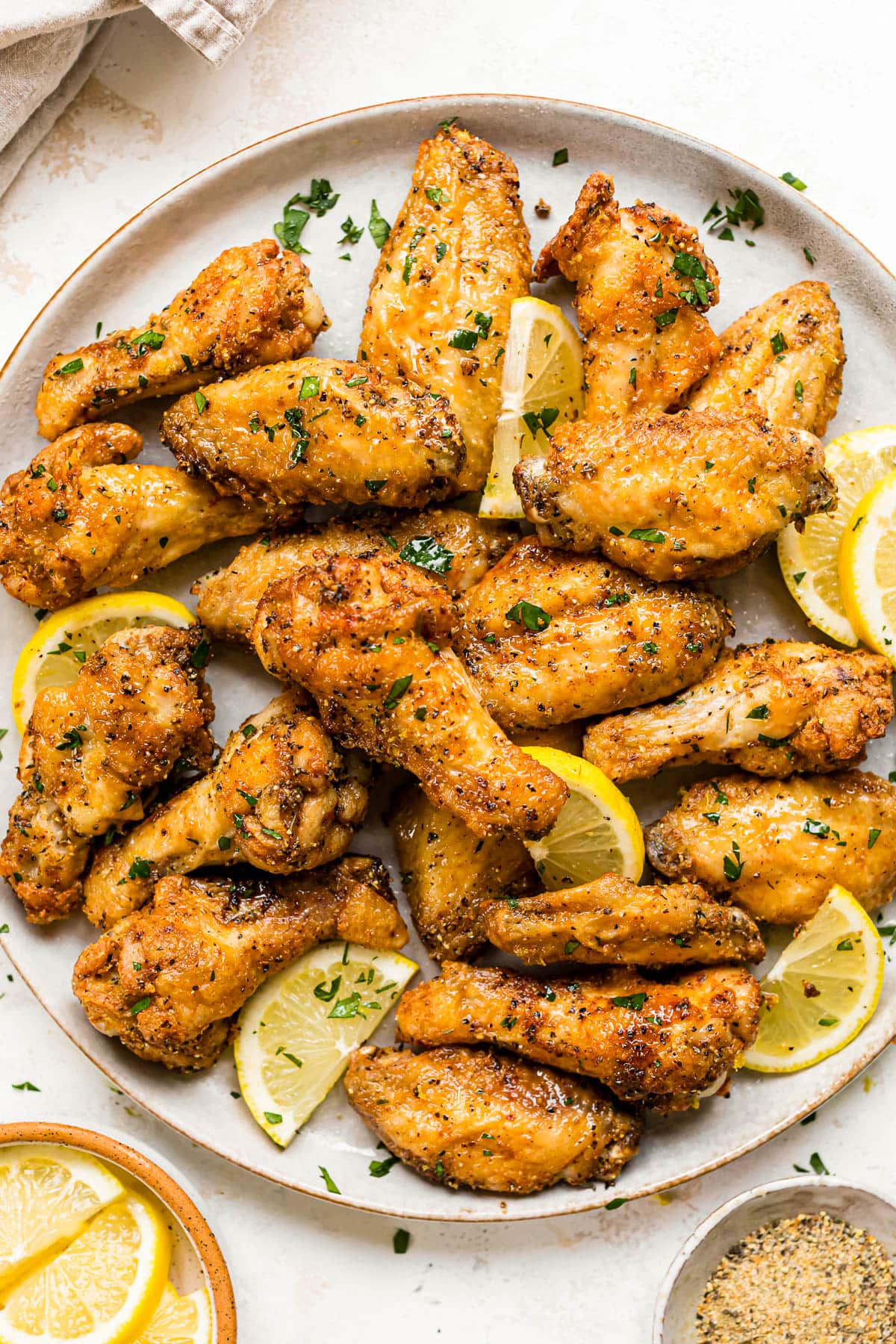
As countertop appliances continue to evolve, the boundary between fast food convenience and home-cooked nutrition will likely continue to blur, empowering consumers to explore diverse flavor profiles with greater nutritional control.
Related posts: