Daily Peanut Consumption Linked to Enhanced Brain Insulin Responsiveness and Cognitive Improvements in Older Adults, Study Finds

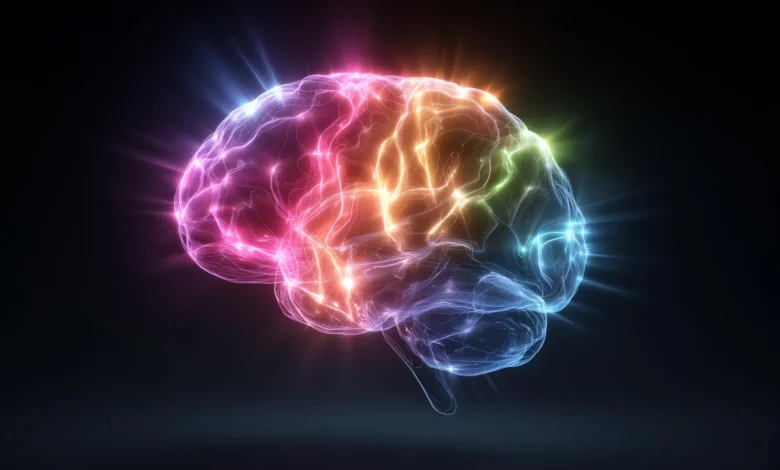
Recent clinical investigations conducted by researchers at Maastricht University Medical Center in the Netherlands have uncovered compelling evidence suggesting that incorporating a modest daily serving of unsalted, skin-roasted peanuts into the diet of older adults can yield significant neurological benefits. Specifically, the research team found that regular peanut consumption enhances the responsiveness of critical brain regions to insulin, a hormone increasingly recognized for its vital neuroprotective and cognitive functions.
Published in the peer-reviewed journal Food & Function, the study stems from the broader work of the Institute of Nutrition and Translational Research in Metabolism (NUTRIM). This latest milestone adds to a growing body of literature examining how everyday dietary choices can actively combat age-related cognitive decline, improve cerebral microvascular health, and potentially mitigate neurodegenerative processes associated with conditions such as Alzheimer’s disease.
Understanding the Neurological Role of Insulin
While the general public predominantly associates insulin with the regulation of blood sugar and metabolic homeostasis in peripheral tissues, the hormone plays an equally critical role within the central nervous system. In the brain, insulin acts locally to support neuroplasticity—the ability of neural networks to grow, reorganize, and adapt—as well as neuronal survival, cellular repair, and neurotransmission. These mechanisms form the physiological foundation of human memory acquisition, retention, and complex executive functions.
As human populations age, however, the central nervous system often experiences a gradual desensitization to insulin, a phenomenon frequently referred to as central insulin resistance. This age-related blunting of insulin signaling pathways has been increasingly implicated by neuroscientists in the progressive cognitive decline observed in older adults. Furthermore, impaired cerebral insulin signaling is increasingly understood to share pathological pathways with neurodegenerative disorders, including Alzheimer’s disease, where diminished glucose utilization and insulin resistance in the brain are hallmark features.
By demonstrating that dietary interventions can positively modulate regional brain insulin responsiveness, the Maastricht University researchers have opened new avenues for non-pharmacological interventions aimed at preserving cognitive vitality in aging populations.
Methodology and Clinical Trial Design
To investigate the effects of daily peanut intake on brain function, the research team designed a rigorous, randomized, controlled crossover trial. The study enrolled 31 healthy older adults ranging in age from 60 to 75 years, a demographic group particularly vulnerable to age-related shifts in metabolic and cognitive efficiency.
During the active phase of the dietary intervention, participants were instructed to consume 60 grams—approximately two standard servings—of unsalted, skin-roasted peanuts each day for a duration of 16 weeks. To ensure high compliance and precise dosing, the research team supplied the participants with premeasured packets of peanuts throughout the intervention period. Participants enjoyed considerable flexibility in how they integrated the peanuts into their daily routines; they could consume the entire portion at once, divide the amount across morning and afternoon snacks, or incorporate the nuts directly into scheduled meals.
In the control phase of the crossover trial, participants completely avoided peanuts. Because the study utilized a crossover design, every participant eventually experienced both conditions—serving as their own control—thereby significantly minimizing confounding variables related to individual physiological differences.
To measure physiological and neurological outcomes accurately, the researchers deployed an array of sophisticated diagnostic technologies. Functional brain changes were evaluated using arterial spin labeling magnetic resonance imaging (ASL-MRI), a specialized neuroimaging technique capable of quantifying regional cerebral blood flow. To assess central insulin responsiveness, researchers tracked alterations in regional blood flow following the intranasal administration of insulin, a method that delivers the hormone directly to the central nervous system without significantly altering systemic blood glucose levels.
Additionally, the research team utilized abdominal MRI scans to monitor intrahepatic lipid (IHL) content, ensuring they could track any changes in liver fat accumulation. Cognitive performance was systematically evaluated using the Cambridge Neuropsychological Test Automated Battery (CANTAB), a widely validated, computerized suite of neuropsychological tests designed to measure memory, attention, and executive function.
Key Findings: Enhanced Regional Insulin Responsiveness
Following the 16-week intervention period, the analysis revealed statistically significant improvements in insulin responsiveness within a distinct cluster of brain regions located primarily in the right hemisphere. These areas included critical components of the limbic and paralimbic systems, such as portions of the lingual gyrus, the hippocampus, the parahippocampal gyrus, and the posterior cingulate gyrus.
These specific anatomical structures are well-documented hubs for memory processing, spatial navigation, and emotional regulation. The hippocampus and parahippocampal gyrus, in particular, are fundamental to the consolidation of declarative memory and are among the earliest brain regions affected by pathological aging and Alzheimer’s disease.
Dr. Peter J. Joris, the study’s senior author and an associate professor in the Department of Nutrition and Movement Sciences at NUTRIM, Maastricht University Medical Center, emphasized the clinical relevance of these discoveries.
"The hormone insulin plays an important role in the brain, where it supports memory and other cognitive processes. As people age, the brain may become less responsive to insulin, which has been linked to age-related cognitive decline," Dr. Joris stated. "Our study found that daily peanut consumption beneficially affected insulin responsiveness in memory-related brain regions in older adults. These findings suggest that enhanced regional brain insulin responsiveness may contribute to the cognitive benefits of unsalted, skin-roasted peanut intake."
Building on Prior Research: Blood Flow and Verbal Memory
The publication in Food & Function builds directly upon earlier, complementary findings published by Dr. Joris and his research team in early 2025 within the peer-reviewed journal Clinical Nutrition.
That foundational investigation evaluated the broader vascular and cognitive impacts of the same 16-week peanut intervention protocol. The results demonstrated that daily consumption of peanuts led to a measurable 3.6% increase in overall cerebral blood flow (CBF) and a corresponding 5.8% improvement in standardized measures of verbal memory performance among the participating older adults.
Cerebral blood flow is a critical physiological indicator of cerebrovascular health. It measures the volume of blood circulating through brain tissue per unit of time, ensuring an adequate and continuous supply of oxygen and glucose to metabolically active neurons. Diminished cerebral blood flow is a common hallmark of vascular aging and is frequently correlated with an increased risk of stroke, vascular dementia, and cognitive impairment. By demonstrating that peanuts can simultaneously enhance cerebral perfusion and optimize regional insulin sensitivity, the Maastricht research group has provided a multifaceted physiological explanation for the observed cognitive enhancements.
Nutritional Synergy: The Bioactive Profile of Peanuts
When considering the physiological mechanisms driving these neurological improvements, researchers emphasize that the observed benefits cannot be attributed to a single isolated nutrient. Instead, the scientific consensus points toward a synergistic interaction among the diverse array of bioactive compounds naturally present in peanuts.
"Multiple nutrients present in peanuts, including unsaturated fats, dietary fiber, vitamins and minerals, and bioactive phytochemicals, could potentially contribute to the observed brain benefits," Dr. Joris explained. "Peanuts are also a good source of plant-based protein and are especially rich in L-arginine. L-arginine is a key precursor of nitric oxide, which has been reported to facilitate learning and memory performance."
Monounsaturated and polyunsaturated fatty acids found in peanuts support cellular membrane fluidity and possess well-documented anti-inflammatory properties, which can help mitigate chronic neuroinflammation—a major driver of cognitive deterioration. Furthermore, the high concentration of dietary fiber and various polyphenols supports systemic metabolic health, which indirectly reduces cardiovascular and metabolic risk factors that negatively impact cerebral microvasculature.
L-arginine plays a particularly pivotal role in vascular biology. As a direct substrate for the endothelial enzyme nitric oxide synthase, L-arginine facilitates the synthesis of nitric oxide (NO), a potent vasodilator. By promoting the relaxation of blood vessel walls, nitric oxide improves vascular tone, lowers blood pressure, and optimizes microvascular perfusion throughout the body, including the delicate capillary beds of the human brain. This biochemical pathway offers a plausible mechanistic bridge linking peanut consumption to the increased cerebral blood flow observed in the earlier 2025 study.
Chronology and Institutional Context
The execution of this clinical investigation reflects a multi-year effort by the Department of Nutrition and Movement Sciences at Maastricht University Medical Center. The initiative was spearheaded by principal investigator Associate Professor Dr. Peter J. Joris and carried out in collaboration with Ph.D. candidate Lucia Kerkhof, who managed the day-to-day coordination of the trial, participant monitoring, and data acquisition.
Financial support for the execution of the trial was provided by The Peanut Institute Foundation. However, to maintain absolute scientific objectivity and adhere to strict academic publishing ethics, the research team explicitly disclosed that the funding organization had no role or influence in the design of the study, the collection or statistical analysis of the data, the interpretation of the results, or the drafting and critical revision of the manuscript.
Broader Implications for Public Health and Preventive Medicine
As global demographics shift toward an increasingly aged population, the public health burden of age-related cognitive decline, mild cognitive impairment (MCI), and dementia continues to escalate exponentially. Because pharmacological treatments for neurodegenerative conditions remain limited in their ability to reverse established neuronal damage, preventive strategies focused on lifestyle modifications, dietary patterns, and metabolic optimization have taken center stage in modern geriatric medicine.
The findings from Maastricht University Medical Center underscore the profound potential of incorporating accessible, nutrient-dense whole foods into daily dietary guidelines. Unlike complex pharmaceutical interventions that often carry risks of adverse side effects, incorporating modest amounts of unsalted, skin-roasted peanuts represents a safe, scalable, and economically viable dietary modification for the vast majority of older adults.
Public health nutritionists note that substituting less nutrient-dense snack foods—such as highly processed snacks laden with refined sugars, sodium, and trans fats—with whole plant foods like peanuts can yield broad systemic benefits. Beyond the newly discovered neurological advantages, regular consumption of peanuts is well-documented to support cardiovascular health through favorable modifications of blood lipid profiles, including the reduction of low-density lipoprotein (LDL) cholesterol.
Future clinical research will likely seek to determine whether these neuroprotective effects extend to even broader populations, including individuals with pre-existing metabolic syndrome or early-stage cognitive impairment, and whether long-term adherence to such dietary patterns can demonstrably alter the clinical trajectory of neurodegenerative disease. For now, however, the growing body of evidence from the NUTRIM research team offers a reassuring and scientifically grounded message: simple, everyday nutritional choices can play a powerful role in safeguarding the aging human brain.