Massive Kayem Foods Recall Affects 1.6 Million Pounds of Ready-to-Eat Meat Products Due to Temperature Control Failures

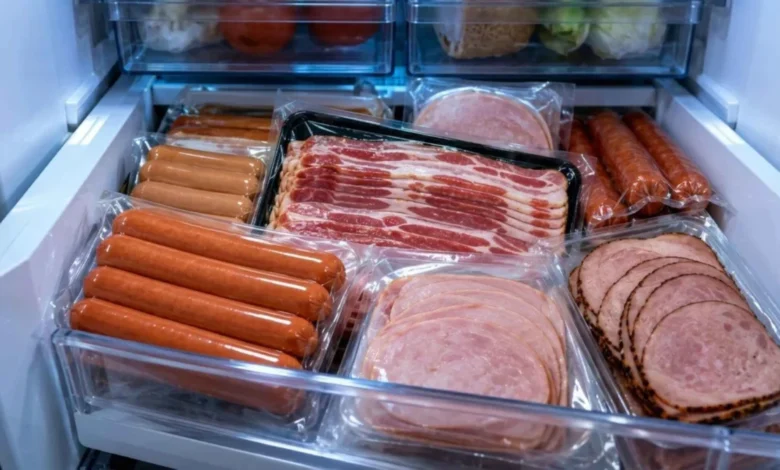
The United States Department of Agriculture’s Food Safety and Inspection Service (FSIS) has issued a significant recall notification regarding approximately 1.6 million pounds of ready-to-eat meat and poultry products manufactured by Kayem Foods Inc., a prominent Massachusetts-based food producer. The recall, announced on October 17, 2026, stems from a critical failure in the company’s cold chain management, which potentially exposed a vast inventory of popular meat products to unsafe temperature fluctuations during storage.
Chronology of the Incident
The sequence of events leading to the recall began on October 1, 2026, when Kayem Foods received a formal complaint from a retail customer. The customer reported that a shipment of products arrived at their facility at an ambient temperature significantly higher than the regulatory requirements for refrigerated goods.
Upon receiving this report, the company initiated an internal investigation into its supply chain and storage facilities. The probe identified a malfunction in a specific warehouse cooling system that had occurred over a period of several months. The affected products were manufactured between March 31 and October 7, 2026. These items were then stored and distributed across various retail channels between June 7 and October 14, 2026. The scope of the distribution covers a wide geographic area, necessitating an urgent call to action for consumers to inspect their household inventories.
Scope of the Recalled Products
The recall is comprehensive, encompassing a diverse array of items that are staples in many American kitchens. The list includes the company’s flagship Fenway Franks, as well as Old Tyme hot dogs, various sausages, ham, bacon, bologna, kielbasa, bratwurst, beef brisket, corned beef, turkey breast, and liverwurst. Because many of these products are frequently purchased in bulk and subsequently frozen, the FSIS has emphasized that consumers should check both their refrigerator and freezer compartments.
The affected products bear the establishment number "P-180" or "180" printed inside the USDA mark of inspection on the packaging. The company has coordinated with the USDA to publish a detailed list of 68 specific product codes, including UPC information and lot numbers, which is currently available on the official FSIS website and the Kayem Foods corporate portal.
The Science of Cold Chain Integrity
The primary concern regarding this recall is the risk of bacterial proliferation. In the food industry, the "cold chain" refers to the temperature-controlled supply chain that ensures perishable products remain within a safe range—typically 40°F (4°C) or below—from production to the consumer’s plate.
When ready-to-eat (RTE) meats are exposed to temperatures above this threshold, they enter the "danger zone," a temperature range where pathogenic bacteria can multiply at an exponential rate. RTE products are particularly high-risk because they are typically consumed without further cooking, leaving the consumer with no final "kill step" to neutralize potential pathogens.
While the USDA has stated that no reports of illness have been confirmed in connection with this specific warehouse malfunction, the decision to recall nearly 1.6 million pounds of product serves as a prophylactic measure to prevent potential outbreaks of foodborne illness.
Potential Health Implications: The Threat of Listeria
A central focus of the safety concern is Listeria monocytogenes. Unlike many other common foodborne bacteria that thrive in warmer environments, Listeria is notably resilient and can persist in refrigerated environments. Listeriosis, the infection caused by the bacterium, is a serious medical condition.

According to public health data, individuals at the highest risk for severe listeriosis include pregnant women, neonates, older adults aged 65 and above, and individuals with compromised immune systems—such as those undergoing chemotherapy or living with chronic conditions that suppress the body’s natural defenses.
The symptoms of listeriosis can be deceptive, often manifesting as mild flu-like illness initially, including fever, muscle aches, and fatigue. In more invasive cases, the infection can spread to the nervous system, leading to symptoms such as stiff neck, confusion, loss of balance, or convulsions. A critical factor in managing this risk is the incubation period; symptoms may not appear for several days or, in some instances, up to several weeks after the consumption of contaminated food, making it difficult for consumers to immediately trace the origin of an illness.
Corporate Response and Accountability
In a statement released shortly after the announcement, leadership at Kayem Foods confirmed that the cooling system defect has been fully addressed and rectified. The company emphasized that the recall is being conducted "out of an abundance of caution" to maintain consumer trust and ensure the safety of their product line.
Industry analysts suggest that such large-scale recalls are increasingly common as food safety monitoring systems become more sensitive and regulatory oversight by the USDA and FDA becomes more stringent. The cost of a recall of this magnitude—involving logistics, disposal, and potential brand damage—is substantial, highlighting the critical importance of warehouse infrastructure and automated temperature monitoring systems in modern food production.
Consumer Guidance and Best Practices
The FSIS has issued clear instructions for consumers who discover any of the recalled products in their homes. Under no circumstances should the product be consumed. Instead, consumers are urged to either dispose of the items immediately or return them to the place of purchase for a full refund.
For those who have already consumed the products and are concerned about potential exposure, medical professionals recommend monitoring for symptoms over the next several weeks. While a single consumption incident may not result in illness for the general population, those in high-risk categories should consult their primary care physician if they suspect exposure.
Beyond this specific incident, food safety experts suggest that consumers reinforce their own home safety protocols. Maintaining a household refrigerator temperature of 40°F (4°C) or lower is the single most effective way to inhibit bacterial growth. Furthermore, it is a recommended best practice for high-risk individuals to reheat deli meats and hot dogs until they are "steaming hot"—meaning an internal temperature of at least 165°F—before consumption. This practice provides an additional layer of protection, as high heat effectively destroys Listeria and other common foodborne pathogens.
Broader Industry Implications
This event underscores the vulnerabilities inherent in centralized food distribution systems. As the supply chain becomes more complex, the reliance on refrigerated storage facilities—many of which are third-party operated—presents a persistent challenge for manufacturers. The Kayem recall serves as a case study for the industry on the necessity of real-time digital temperature tracking and redundant cooling systems.
As of the date of this report, there have been no public updates regarding further distribution of the affected lots, and federal inspectors are working with the manufacturer to ensure that all internal corrective actions are validated and verified. Consumers are encouraged to check the specific lot numbers provided on the official USDA recall notice, as the list of affected products is extensive and spans a wide variety of product categories and packaging sizes.
For further information, consumers can contact the Kayem Foods customer service line or visit the USDA FSIS website to access the full catalog of affected items, which remains the most reliable source for real-time updates regarding this ongoing safety effort.