The Comprehensive Landscape of Home Sleep Apnea Testing Technologies and Market Innovations

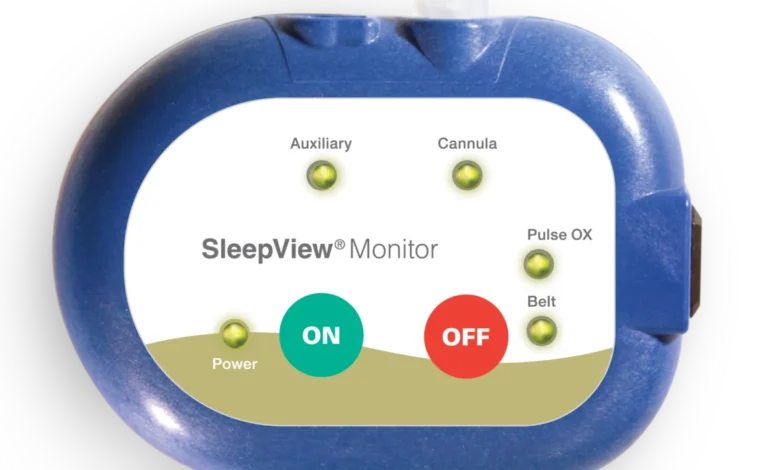
The landscape of sleep medicine has undergone a radical transformation over the past decade, shifting from labor-intensive, in-lab polysomnography (PSG) to a diverse ecosystem of portable, patient-friendly home sleep apnea testing (HSAT) devices. As the prevalence of obstructive sleep apnea (OSA) continues to rise—affecting an estimated one billion people globally according to the Lancet Respiratory Medicine—healthcare providers are increasingly relying on high-fidelity diagnostic tools that can be deployed outside of clinical settings. This technological pivot is not merely about convenience; it represents a fundamental change in how sleep disorders are identified, monitored, and managed over the long term.
The Evolution of Diagnostic Paradigms
Historically, the gold standard for diagnosing sleep-disordered breathing was the attended in-lab polysomnogram. While these studies provide the most granular data, they are burdened by high costs, limited accessibility, and the "first-night effect," where patients struggle to sleep naturally in a foreign environment. The advent of HSAT has bridged this gap. Early iterations of home testing were often criticized for lack of sensitivity, but modern devices, such as the Onera hPSG or the ZOLL Itamar WatchPAT series, now offer diagnostic capabilities that rival traditional labs by incorporating advanced sensors, artificial intelligence (AI) scoring, and cloud-based data management.
The current market is defined by a dichotomy: high-complexity, multi-channel devices that capture near-PSG quality data, and streamlined, single-use sensors designed for rapid screening and longitudinal monitoring. Companies like Acurable, with their AcuPebble technology, and Wesper, with their Lab and Lite ecosystem, illustrate the industry’s focus on user-centric design—moving away from cumbersome wires and belts toward ergonomic patches and rings.
Chronology of Market Expansion
The maturation of this market occurred in three distinct phases. The initial phase (2000–2010) focused on basic respiratory monitoring, primarily measuring airflow and oxygen saturation. These devices, while helpful, often lacked the ability to differentiate between obstructive and central sleep apnea or to stage sleep accurately.
The second phase (2011–2018) saw the integration of peripheral arterial tonometry (PAT) and improved RIP (respiratory inductance plethysmography) technology. The success of the WatchPAT series during this period set a new benchmark for ease of use. During this time, the American Academy of Sleep Medicine (AASM) began formally validating the clinical utility of HSAT for patients with a high pre-test probability of moderate-to-severe OSA.
The third and current phase (2019–Present) is the "AI and Connectivity Era." Devices now routinely leverage machine learning to automate the scoring process, drastically reducing the turnaround time for clinicians. Platforms like EnsoData, which provides automated scoring, allow for rapid analysis of complex datasets, while hardware innovators like Nox Medical and SOMNOmedics have integrated high-frequency sampling (up to 200 Hz) to allow for more nuanced detection of respiratory effort and snore analysis.
Comparative Data Analysis of Modern HSAT Platforms
The diversity in current offerings is best evidenced by the technical specifications of the market leaders. For instance, the maximum channel counts range from simple 4-channel setups—such as the PranaQ TipTraQ—to robust 24-channel diagnostic systems like the Nox T3s. This variance allows providers to select devices based on the specific clinical question at hand: a simple screening for suspected OSA may only require a 6-channel PPG-based ring, while a complex diagnosis involving suspected central sleep apnea might necessitate a device with RIP sensors and EKG integration.
Pricing and Accessibility Models
The economic model of HSAT has also diversified. While traditional medical equipment often required significant capital expenditure, many modern providers have shifted to "per-study" or "subscription-based" models. For example, Acurable offers testing at roughly $50 per study, a price point that significantly lowers the barrier to entry for smaller clinics. Conversely, high-end units from BRAEBON or Compumedics maintain the traditional capital equipment model, with initial purchase prices ranging from $2,000 to $4,500, aimed at specialized sleep centers that require long-term durability and proprietary software integration.
Sensor Technology and Patient Comfort
The shift toward disposable, patient-applied sensors is a direct response to patient feedback regarding comfort and hygiene. Devices like the Sunrise Sensor 2 or the ZOLL Itamar WatchPAT ONE provide a seamless "out-of-the-box" experience. These devices are lightweight, often weighing under 30 grams, and are designed to be intuitive enough for elderly patients or those with limited technical proficiency to apply without clinical assistance.
Implications for Clinical Workflow
The integration of these devices into clinical practice has profound implications for patient outcomes. The ability to conduct multi-night testing, as offered by companies like Wesper and EnsoData, addresses the issue of night-to-night variability in sleep patterns. A single night of testing can often yield a "false negative" if the patient happens to sleep better than average, or conversely, an unrepresentative "false positive." Multi-night data collection provides a more accurate longitudinal picture of a patient’s health.
Furthermore, the shift toward cloud-based portals allows for a collaborative care model. A sleep lab can now manage a fleet of devices distributed across a region, with data flowing back to a centralized server for AI-assisted scoring before being reviewed by an RPSGT (Registered Polysomnographic Technologist) or a sleep physician. This significantly reduces the overhead associated with data transfer and manual record handling.
Perspectives from Industry Stakeholders
Industry analysts note that while the technology has matured, the regulatory environment remains a key factor. "The challenge is no longer just capturing the data, but ensuring the data is interpreted within the correct clinical context," says a representative from a leading sleep diagnostics firm. "The goal is to empower the primary care physician to play a larger role in sleep medicine, provided they have the right tools to distinguish between simple snoring and complex, potentially life-threatening respiratory events."
Clinical reaction has been largely positive, with many sleep specialists noting that the adoption of these tools has helped clear the backlog of patients waiting for diagnostic services. By moving low-risk patients out of the hospital and into the home, resources can be more effectively allocated to patients with complex comorbidities—such as heart failure, COPD, or neuromuscular disorders—who require the comprehensive monitoring of an in-lab setting.
Future Outlook: The Role of Wearable Integration
As we look toward the future, the boundary between "medical-grade" diagnostic HSAT and "consumer-grade" wearables (like smartwatches or rings) will continue to blur. Companies like Happy Health, with their "Happy Ring," are positioning themselves at this intersection. While current medical regulations still require high-fidelity sensors for an official OSA diagnosis, the continuous data stream provided by consumer wearables is becoming an invaluable tool for screening and long-term compliance monitoring post-CPAP therapy.
The integration of sleep apnea diagnostics into the broader context of cardiovascular health is also a burgeoning trend. Because sleep-disordered breathing is a significant risk factor for hypertension, atrial fibrillation, and stroke, the ability of modern HSAT devices to measure heart rate variability (HRV), autonomic arousal, and oxygen saturation is becoming just as critical as measuring the apnea-hypopnea index (AHI).
Conclusion
The transformation of home sleep apnea testing is a success story of medical engineering meeting patient demand. By prioritizing portability, automated scoring, and multi-night data collection, the industry has fundamentally expanded access to life-saving diagnostics. As AI algorithms become more sophisticated and hardware becomes more discreet, the role of the traditional sleep lab will likely evolve into a specialized hub for complex cases, while the diagnosis of common sleep disorders will increasingly be managed through a digital, home-first approach. For the patient, this means shorter wait times, lower costs, and, most importantly, the ability to undergo testing in the comfort and privacy of their own home, leading to better compliance and improved long-term health outcomes.
Related posts: