Thanksgiving Turkey Meatballs and Gravy Offer a Modern Twist on Traditional Holiday Dining

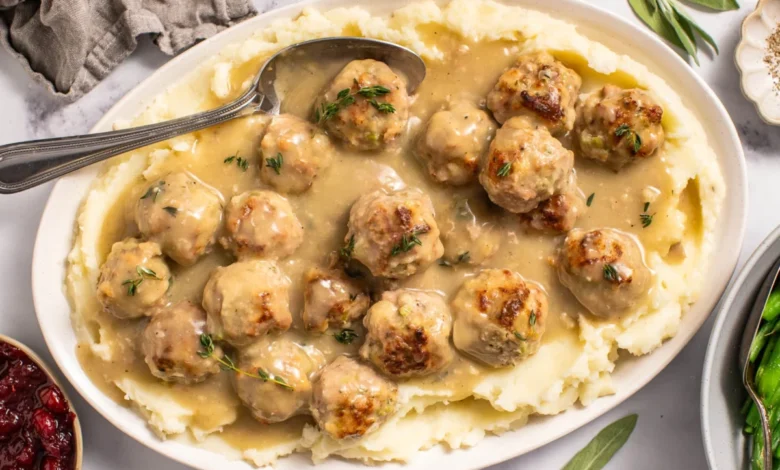
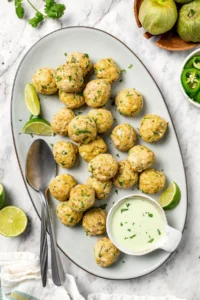
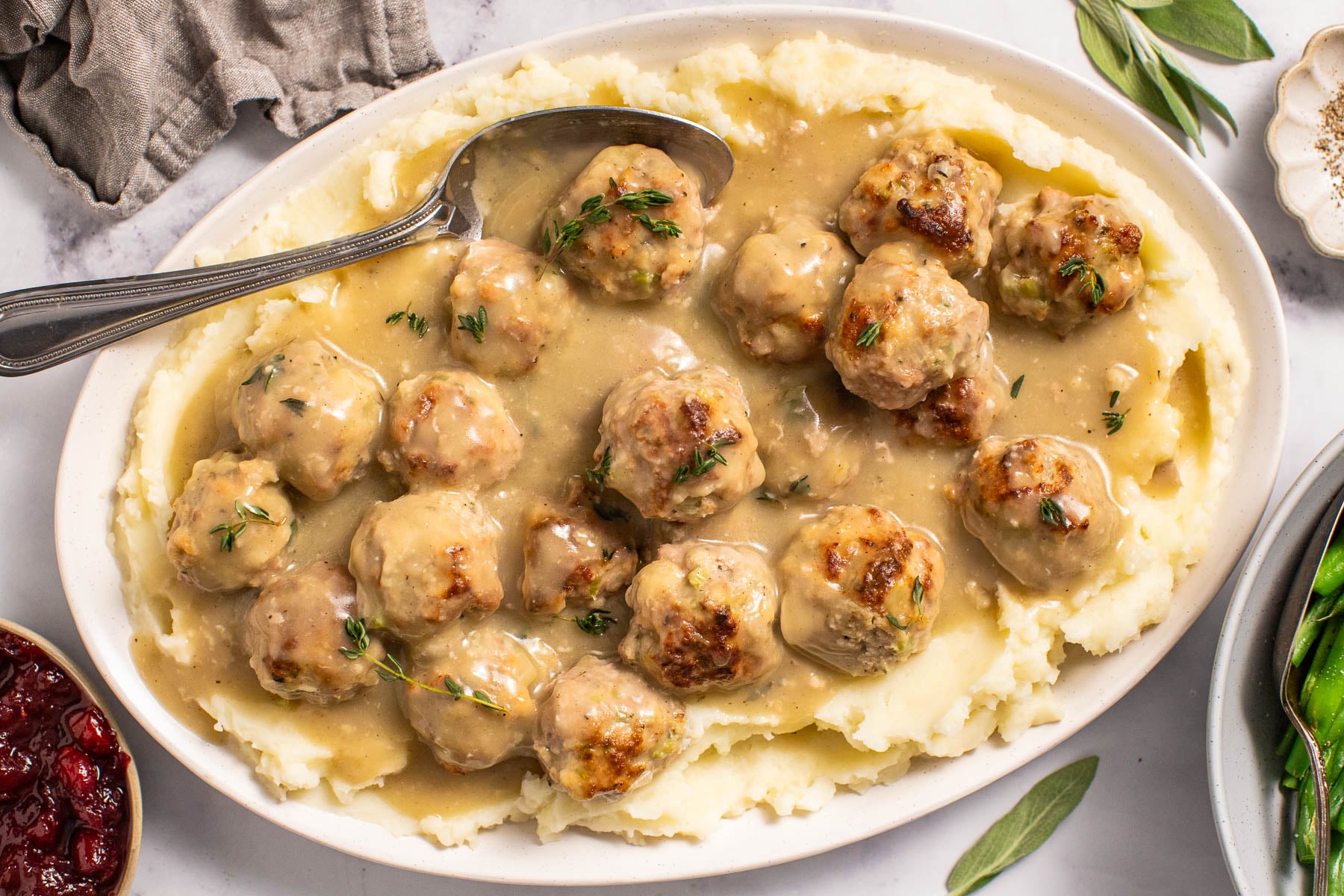
The culinary landscape of traditional holiday celebrations is undergoing a subtle yet significant shift as home cooks increasingly seek out scaled-down, efficient alternatives to the classic roast turkey centerpiece. While the quintessential whole-roasted bird remains a fixture of large family gatherings, shifting demographic trends—such as smaller household sizes, urban living constraints, and a preference for reduced food waste—have catalyzed demand for alternative holiday meal formats. Capitalizing on this evolving market, popular food content creators and recipe developers have introduced streamlined adaptations of holiday staples, most notably exemplified by the recent debut of Thanksgiving Turkey Meatballs and Gravy. This dish encapsulates the complex, savory flavor profile of a conventional Thanksgiving dinner while stripping away the multi-hour roasting time and logistical complexities associated with preparing a whole bird.
Background and Culinary Evolution
The concept of deconstructing holiday meals into smaller, more manageable components has gained substantial traction over the past decade. Culinary historians note that while holiday traditions are culturally entrenched, economic and social pressures frequently dictate shifts in domestic food preparation. The rise of "Friendsgiving"—informal gatherings of friends held around the Thanksgiving holiday—alongside a growing population of single-person households, has driven a distinct demand for scaled-down festive menus.
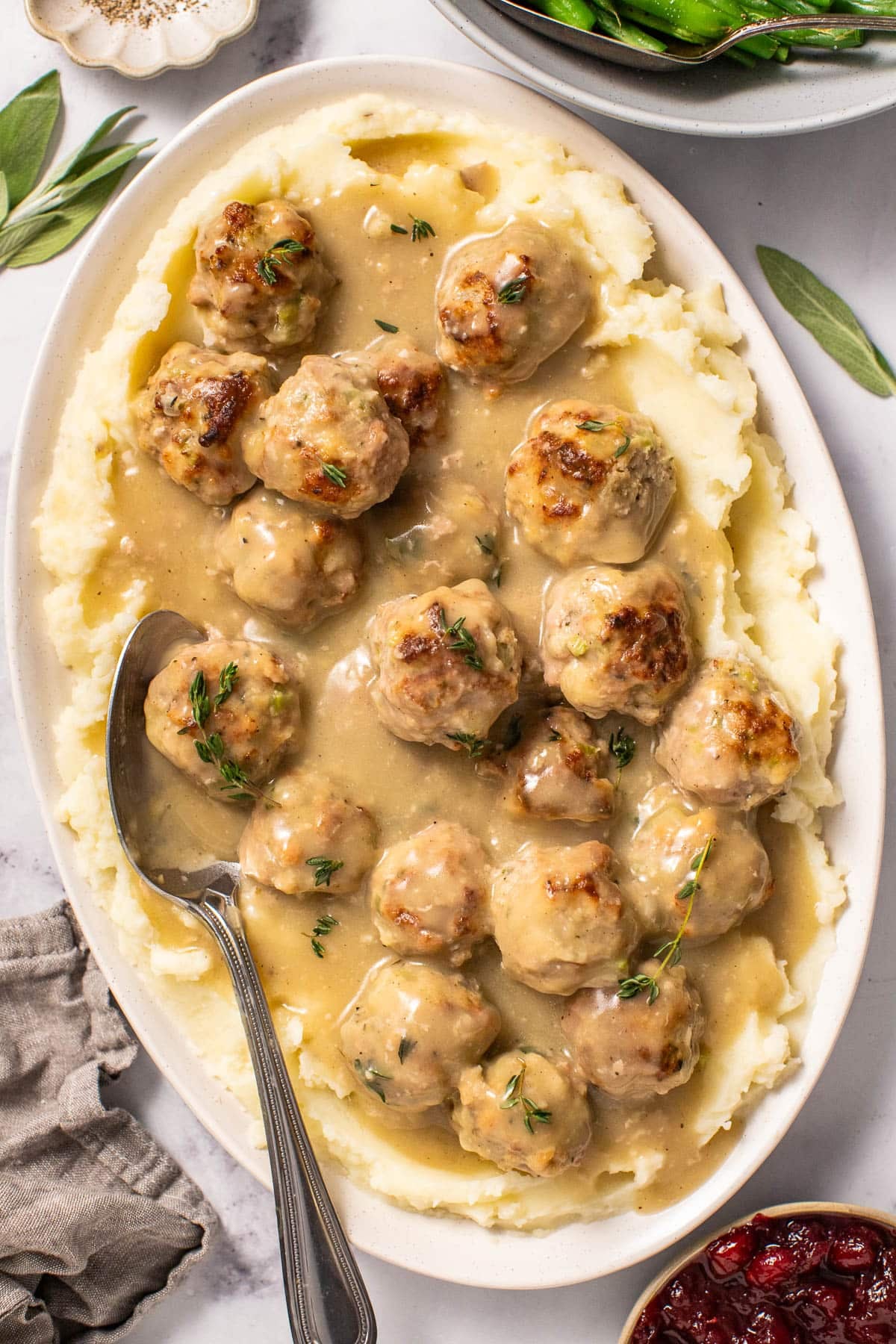
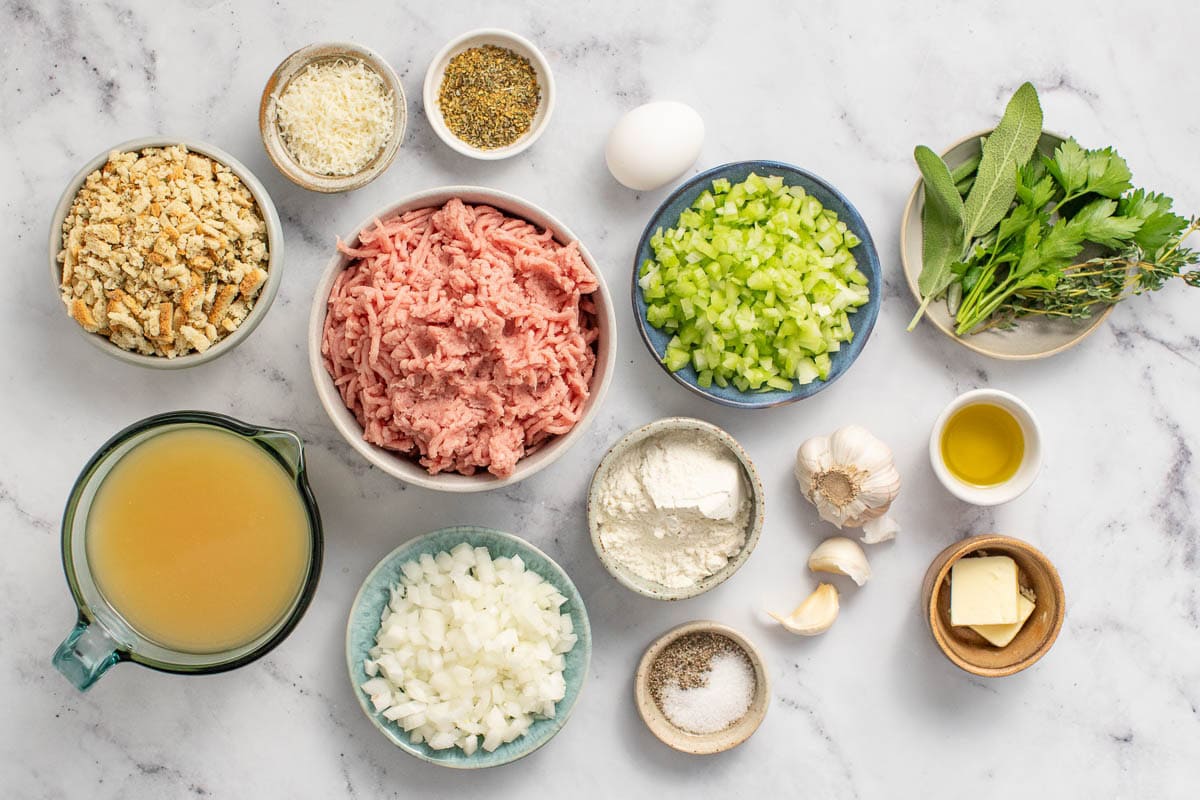
Traditional Thanksgiving preparations require extensive labor, specialized equipment, and significant investments of both time and financial resources, often yielding an overwhelming volume of leftovers for small households. By translating core flavor vectors—specifically poultry, aromatic vegetables, poultry seasoning, and savory gravy—into a compact meatball format, recipe developers have addressed a practical gap in seasonal meal planning. Ground turkey, long recognized for its lean protein profile, serves as an optimal canvas for absorbing the distinct aromatic notes traditionally associated with holiday stuffing, including sautéed onions, celery, fresh sage, thyme, and rosemary.
Recipe Composition and Nutritional Profile

The formulation of these seasonal meatballs relies on a strategic integration of standard poultry ingredients and traditional stuffing components. Standardized nutritional data for the dish indicates a deliberate focus on balancing comfort-food flavors with contemporary dietary awareness. A typical serving size of five meatballs accompanied by a generous portion of homemade gravy yields approximately 343 kilocalories, 27 grams of protein, 16 grams of total fat (including 5 grams of saturated fat), and 21.5 grams of carbohydrates. Sodium content registers at approximately 903 milligrams, largely driven by the sodium present in commercial stuffing mixes and seasoned broths, a factor that culinary testing advises home cooks to monitor depending on the specific brand of dry ingredients utilized.
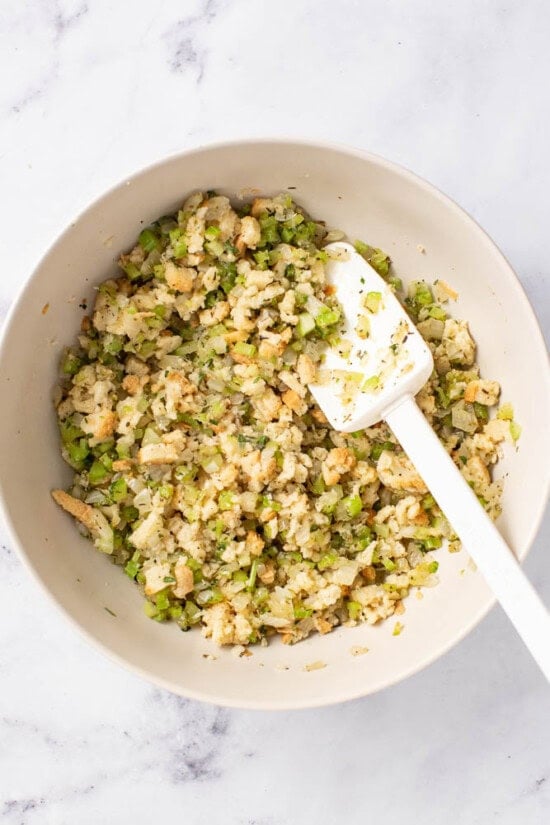
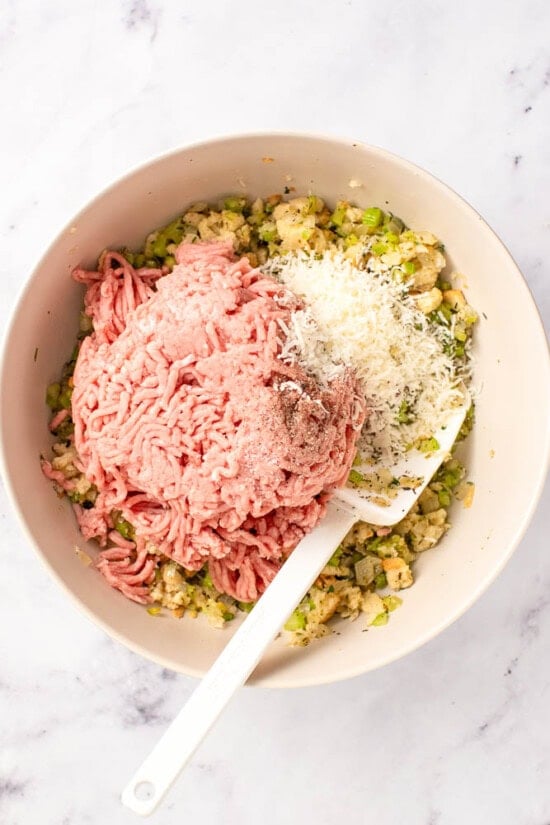
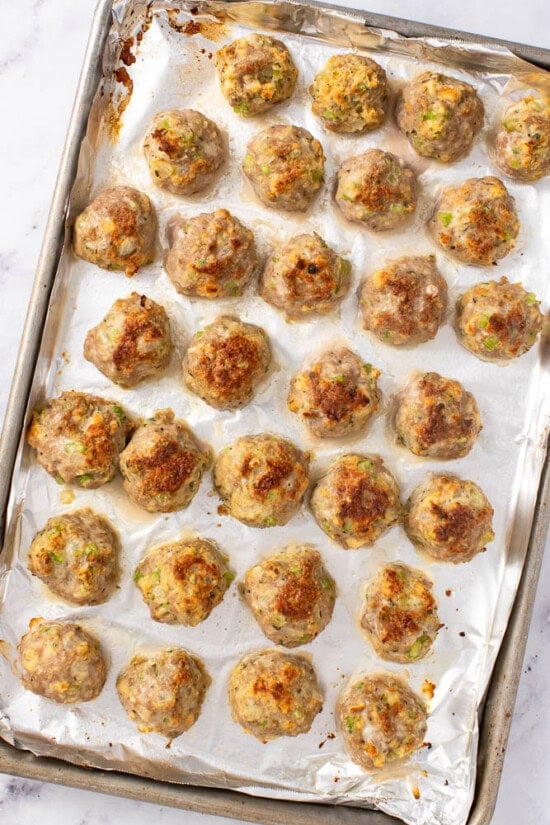
The preparation methodology emphasizes efficiency without sacrificing texture or moisture—two common challenges when cooking lean ground poultry. Unlike traditional beef or pork meatballs, which benefit from higher fat content to maintain tenderness, ground turkey requires careful handling. The inclusion of diced aromatic vegetables and moistened stuffing crumbs serves a dual purpose: it infuses the meat with moisture and replicates the mouthfeel of classic bread-based stuffing. Cooking techniques typically involve broiling the shaped spheres to achieve a desirable exterior crust before simmering them gently in a quick pan-gravy, thereby reintroducing moisture and marrying the distinct flavor components into a cohesive dish.

Market Trends and Consumer Adaptation
The introduction of streamlined holiday recipes aligns with broader retail and consumer trends observed during the autumn and winter holiday seasons. According to retail data compiled by grocery industry analysts, sales of whole turkeys have experienced marginal plateaus over recent years, contrasted by steady increases in sales of turkey parts, ground turkey, and alternative poultry roasts. Consumers are increasingly evaluating the cost-per-serving and labor-to-reward ratio of traditional holiday cooking.
Food media platforms report that interest in alternative Thanksgiving formats peaks during the three weeks leading up to the November holiday, as hosts plan menus that can accommodate dietary restrictions, time constraints, and intimate gatherings. The versatility of a meatball-based holiday dish extends its utility beyond the traditional November window, positioning it as a viable comfort-food option throughout the entire autumn and winter seasons. Furthermore, the dish accommodates various side-dish pairings, functioning seamlessly alongside traditional accompaniments such as mashed potatoes, cranberry sauce, and egg noodles, thereby bridging the gap between holiday nostalgia and weeknight practicality.
Preparation Logistics and Storage Dynamics
From a logistical standpoint, recipes designed around make-ahead components offer significant advantages for modern home cooks balancing professional and domestic responsibilities. Culinary guidelines for the turkey meatballs suggest multiple operational workflows, including shaping the mixture up to 48 hours in advance or fully broiling the meatballs ahead of time for subsequent reheating in freshly prepared gravy. This flexibility reduces active cooking time on the day of consumption, lowering the threshold for amateur cooks attempting a festive meal.
Food safety and storage protocols for poultry-based dishes remain a primary consideration for culinary educators. Properly cooked turkey meatballs and gravy can be safely refrigerated in airtight containers for three to four days, or frozen for longer-term storage. Reheating instructions emphasize gentle thermal management—utilizing low stovetop heat supplemented by a splash of broth—to prevent the lean turkey protein from becoming tough and to restore the gravy to its original emulsion and consistency.
Broader Industry Implications
The popularity of condensed holiday meals reflects a broader democratization of celebratory cooking. As generational cooking knowledge evolves and households diversify in structure, the culinary arts industry has adapted by lowering the barriers to entry for culturally significant meals. Dishes that replicate complex flavor profiles through simplified techniques empower individuals who lack the kitchen space, time, or equipment for large-scale roasting to participate fully in cultural food traditions.
As food innovators continue to refine these concepts, the focus remains on achieving maximum flavor authenticity with minimal procedural friction. The success of adaptations like Thanksgiving Turkey Meatballs and Gravy demonstrates that modern consumers value emotional connection to traditional flavors over rigid adherence to historical preparation methods. Whether deployed for an intimate Friendsgiving dinner, a scaled-down holiday celebration for two, or a comforting weeknight supper in November, such recipes illustrate the dynamic adaptability of contemporary cuisine in response to changing societal lifestyles.