Baked Southwest Turkey Meatballs With a Creamy Cilantro Tomatillo Sauce Offer a Healthy, High-Protein Twist on Classic Comfort Food

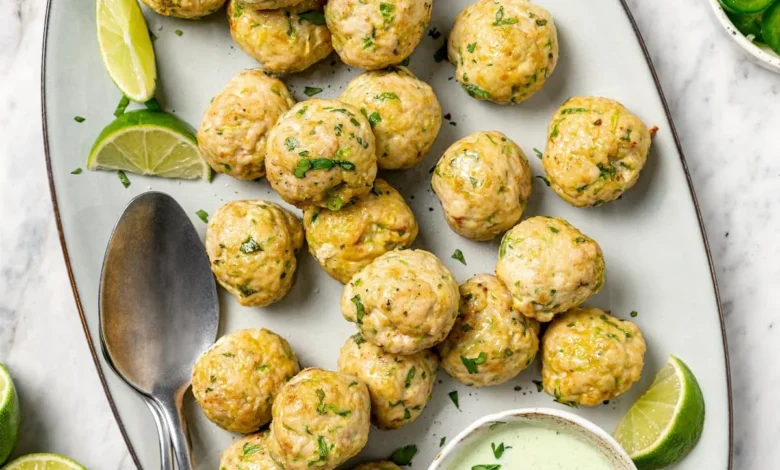
In the evolving landscape of home cooking and dietary meal planning, culinary developers continually seek innovative ways to reinvent traditional comfort foods without sacrificing flavor or nutritional integrity. Gina Homolka, renowned recipe developer and culinary author behind Skinnytaste, has released her latest creation: Baked Southwest Turkey Meatballs. Published on October 27, 2026, this new dish infuses lean ground turkey with vibrant Tex-Mex aromatics, offering an alternative to traditional Italian-style meatballs that dominates mainstream recipe indexes. Designed to meet the growing consumer demand for low-calorie, high-protein meals, the recipe balances nutritional macro-requirements with dynamic flavor profiles suited for both weeknight dinners and social gatherings.
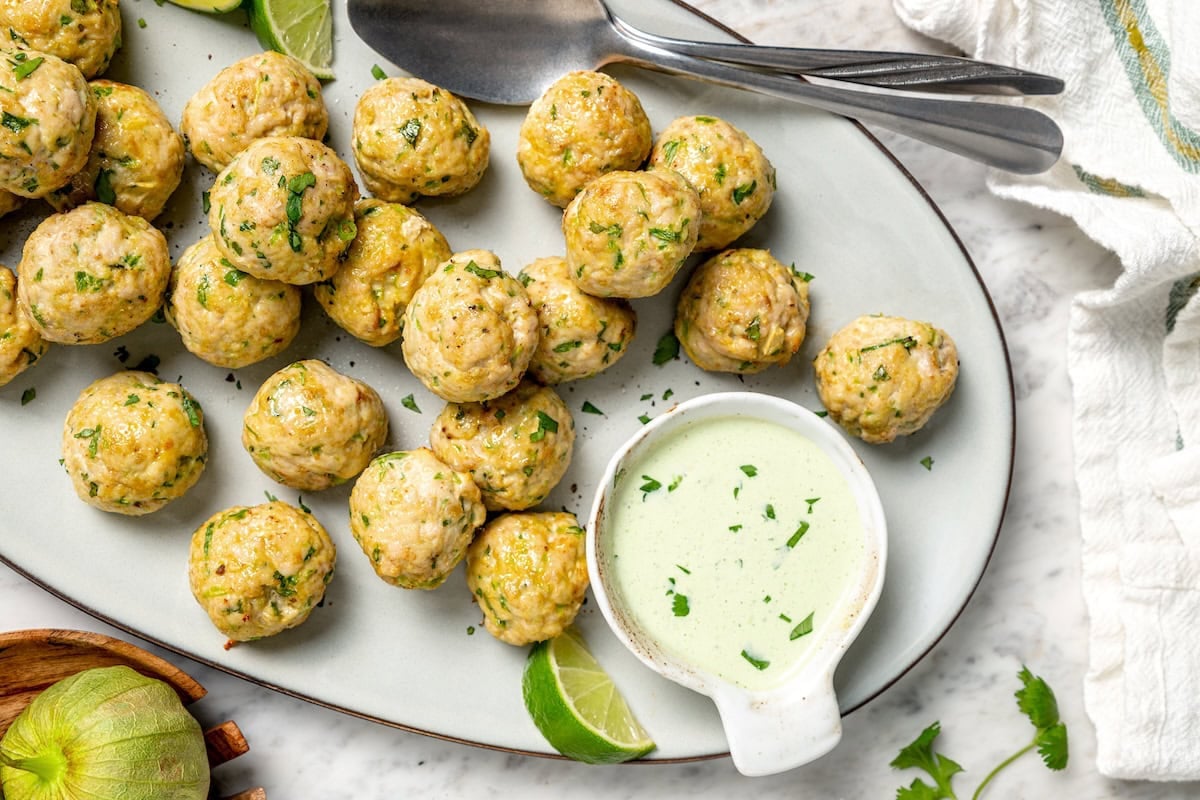
Culinary Profile and Nutritional Breakdown
The cornerstone of the Baked Southwest Turkey Meatballs recipe is its nutritional composition, engineered specifically for health-conscious consumers and individuals monitoring caloric intake. Standard beef or pork meatballs can often carry high saturated fat counts, prompting home cooks to look toward lean poultry alternatives. However, ground turkey is historically prone to drying out or tasting overly mild due to its low fat content.
Homolka’s formulation solves this culinary challenge by incorporating moisture-rich aromatics directly into the meat mixture. Fresh jalapeños, scallions, garlic, and cilantro are finely minced using a food processor before being blended with the poultry. Cumin and other regional spices provide depth, replicating the robust flavor profile associated with Southwestern cuisine.

According to official nutritional data provided for the recipe, a standard serving size of two baked turkey meatballs contains:
- Calories: 67 kcal
- Protein: 10.5 grams
- Carbohydrates: 2.5 grams
- Total Fat: 2.0 grams
- Fiber: 0.5 grams
- WW (Weight Watchers) Points: 0
This macro-nutrient distribution makes the dish exceptionally friendly for low-carb, high-protein, and calorie-restricted dietary frameworks. Preparation and cooking times are optimized for efficiency, requiring approximately 10 minutes of active preparation followed by 15 minutes in the oven, bringing the total time investment to just 25 minutes.
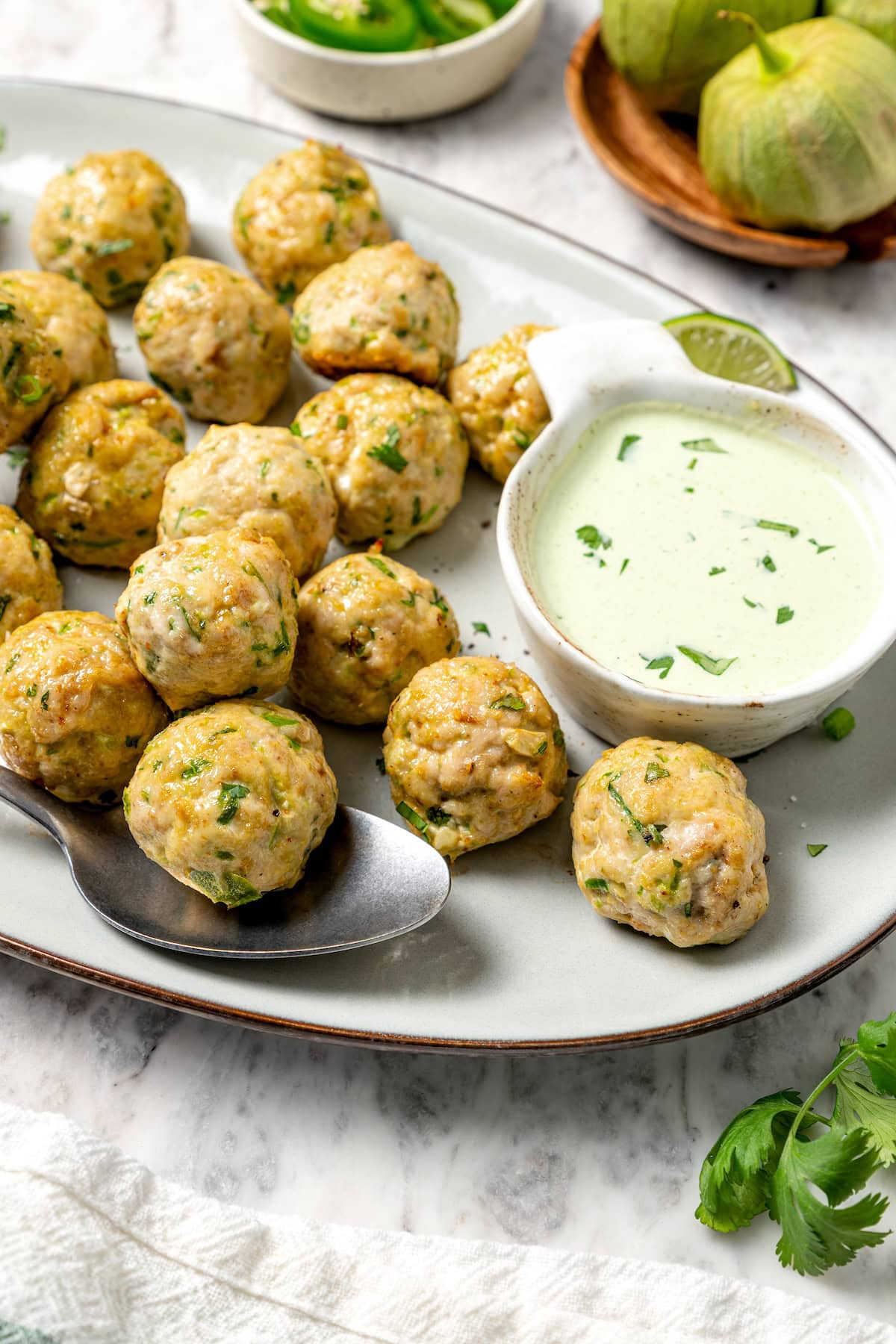
Background Context and Evolution of Lean Cooking
The release of the Southwest Turkey Meatball recipe reflects a broader, long-term trend in home economics and culinary publishing. Over the past decade, the culinary industry has seen a massive shift toward "hybrid" flavor profiles, where classic cooking techniques—such as baking meatballs—are paired with regional flavor palettes from Latin America, Asia, and the American Southwest.
Turkey as a primary protein source has experienced steady growth in North American households, driven by dietary guidelines emphasizing lean meats to reduce cardiovascular health risks. Concurrently, consumers have increasingly demanded recipes that easily translate across multiple dining formats. Versatility has become a primary selling point for modern meal development; recipes that can transition seamlessly from a finger-food appetizer to a component of a structured meal prep bowl carry significantly higher value for contemporary consumers juggling busy schedules.

Versatility in Meal Planning and Serving Suggestions
The culinary utility of these baked meatballs extends far beyond a traditional sit-down dinner. Food analysts and culinary experts note that modern consumers prioritize ingredients that support meal-prepping strategies. Because lean turkey holds its structural integrity well during storage and reheating, these meatballs cater directly to the lunch-packing and meal-prep demographic.
Culinary professionals recommend several distinct ways to integrate the Southwest turkey meatballs into weekly menus:

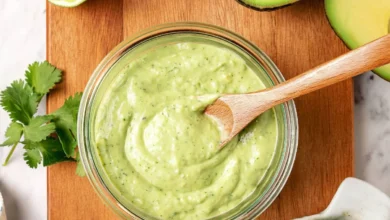
- Appetizer Format: Served on a decorative platter accompanied by toothpicks and a bowl of creamy cilantro-tomatillo dressing, they function effectively as a low-calorie party starter.
- Grain and Meal Bowls: Tossed with Latin yellow rice, black beans, corn, and avocado, they form a balanced, nutrient-dense main course.
- Low-Carb and Salad Integration: Placed over a bed of mixed greens or cauliflower rice, the dish supports strict ketogenic or low-carbohydrate nutritional protocols without requiring heavy dressings or high-fat sauces.
- Alternative Lunch Options: Reheated mid-week, they provide a quick protein boost that fits easily into standard containerized lunches.
Preparation Methodology and Kitchen Best Practices
Achieving optimal texture with lean ground poultry requires specific kitchen techniques. Homolka’s test kitchen emphasizes the importance of utilizing a mini food processor to break down the jalapeños, garlic, and cilantro into a nearly uniform paste before combining it with the meat. This ensures that the moisture and aromatic oils from the vegetables distribute evenly throughout the lean turkey, preventing dry pockets and maximizing flavor concentration in every bite.
Baking, rather than pan-frying, serves a dual purpose in this recipe. It significantly reduces the need for added cooking oils—keeping the fat content down to just 2 grams per serving—while ensuring even, indirect heat cooks the poultry evenly without burning the exterior herbs.

Broader Impact and Industry Implications
The introduction of specialized, low-point recipes by prominent food figures highlights the ongoing intersection of digital media, culinary arts, and public health consciousness. As consumers increasingly turn to trusted digital platforms for dietary guidance, recipes that successfully merge high protein density with bold, culturally diverse flavors continue to set the standard for modern home cooking.
By offering a streamlined, allergen-conscious, and macro-friendly alternative to traditional comfort foods, innovations like the Southwest Turkey Meatball demonstrate how everyday home cooking is adapting to meet the demands of a health-literate public. Observers note that as long as consumer interest in functional, quick-prep meals remains high, the demand for creative adaptations of lean proteins will continue to shape upcoming culinary trends.