Mastering Upward-Facing Dog Pose: A Comprehensive Guide to Safe and Deep Spinal Extensions From the Yoga Journal Archives

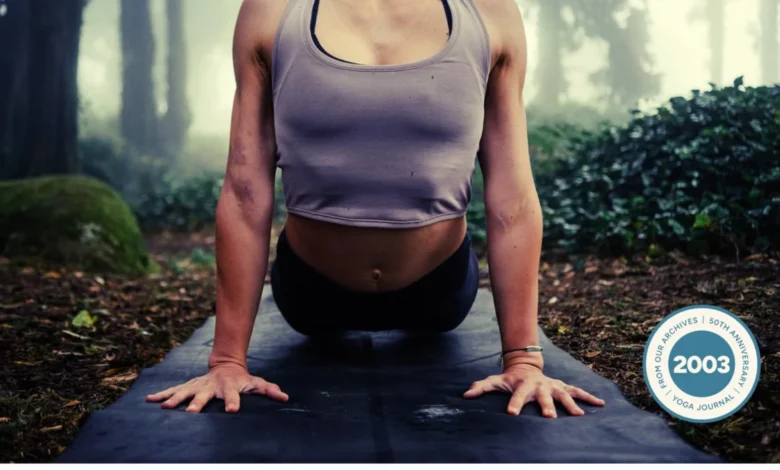
The practice of modern postural yoga has evolved significantly over the decades, transitioning from an esoteric discipline into a widely recognized modality for physical conditioning, rehabilitation, and mindfulness. Within this evolution, foundational alignment principles have remained paramount, particularly regarding complex spinal extensions. As part of an ongoing retrospective series drawing from its extensive historical repository dating back to 1975, Yoga Journal has re-released a seminal instructional guide originally featured in its May-June 2003 print issue. This foundational text focuses on the mechanical precision required to safely execute Urdhva Mukha Svanasana, commonly known as Upward-Facing Dog Pose.
In contemporary wellness culture, backbends are frequently prescribed for improving thoracic mobility, countering the physiological effects of prolonged sedentary postures, and strengthening the posterior chain. However, anatomical experts and veteran instructors emphasize that improper execution of these intense spinal extensions can lead to acute discomfort or chronic lumbar compression. The republished archival feature addresses these precise biomechanical challenges, offering a methodical approach to preparing the body through progressive variations of prone backbends, including Cobra Pose (Bhujangasana) and Four-Limbed Staff Pose (Chaturanga Dandasana).
Anatomical Challenges and the Mechanics of Spinal Protection
The primary risk associated with deep backbends like Urdhva Mukha Svanasana is the tendency for practitioners to crunch or collapse the lumbar spine. This issue typically arises from a failure to appropriately engage the lower abdominal region and the gluteal muscles. Historically, standard pedagogical cues often instructed students to contract the buttocks indiscriminately to protect the lower back. While this contraction successfully pulls the rear side of the pelvis away from the lumbar spine—thereby mitigating excessive compression—it introduces secondary biomechanical complications. Specifically, intense gluteal contraction can compress the sacroiliac joints and inadvertently force the thighs into external rotation, both of which compromise the integrity of poses like Bhujangasana and Upward-Facing Dog.
To resolve this biomechanical paradox, advanced alignment methodology advocates for a specific sequence of muscular activations. Practitioners are advised to first press the outer edges of the feet firmly into the floor and, while maintaining that foundational action, subsequently contract the buttocks. This precise sequencing generates the necessary posterior pelvic tilt to safeguard the lower back without imposing undue stress on the sacroiliac joints or forcing the thighs outward. Furthermore, engaging the quadriceps to straighten the legs energizes the pelvis, while drawing the tailbone away from the lower spine creates vital space in the lumbar region. Lifting the pit of the abdomen—located just above the pubic bone—toward the sternum provides additional upward lift, distributing the backbend more evenly throughout the entire spinal column rather than isolating the stress in the lower back.
Progressive Preparation: Moving Safely Through Cobra and Chaturanga
Achieving the full expression of Upward-Facing Dog requires systematic muscular conditioning. The archival guide outlines three distinct preparatory postures designed to build upper body strength, open the thoracic cavity, and condition the back muscles for deeper extensions.
The progression begins with Bhujangasana I (Cobra Pose). Practitioners lie face down with their feet positioned six to eight inches apart, toes pointing straight back. By rooting the thighs, insteps, and the little-toe sides of the feet into the mat, and subsequently contracting the buttocks, the practitioner establishes a stable foundation. Inhaling deeply, the individual presses their hands into the floor while pulling the spine forward and opening the chest, straightening the elbows as much as possible without compromising the lower back. Weight should be distributed between the legs and hands rather than resting on the belly. Additionally, practitioners are encouraged to engage mula bandha (the root lock) by drawing energy from the pelvic floor toward the diaphragm, establishing a powerful energetic and physical upward lift.
Transitioning to Bhujangasana II (Cobra 2) increases the intensity of the upper thoracic extension. From the base of Cobra I, the practitioner bends and widens the elbows, powerfully drawing the sides of the waist forward and upward to expose the armpits. By hugging the chest with the upper arms, squeezing the elbows inward, and slowly straightening the arms, the individual pulls the chest forward. This action draws energy from the kidneys toward the upper chest, pressing the shoulder blades down to lift the spine. The gaze is directed toward the "third eye" region—approximately an inch above the bridge of the nose—while the throat, lungs, and belly open fully.
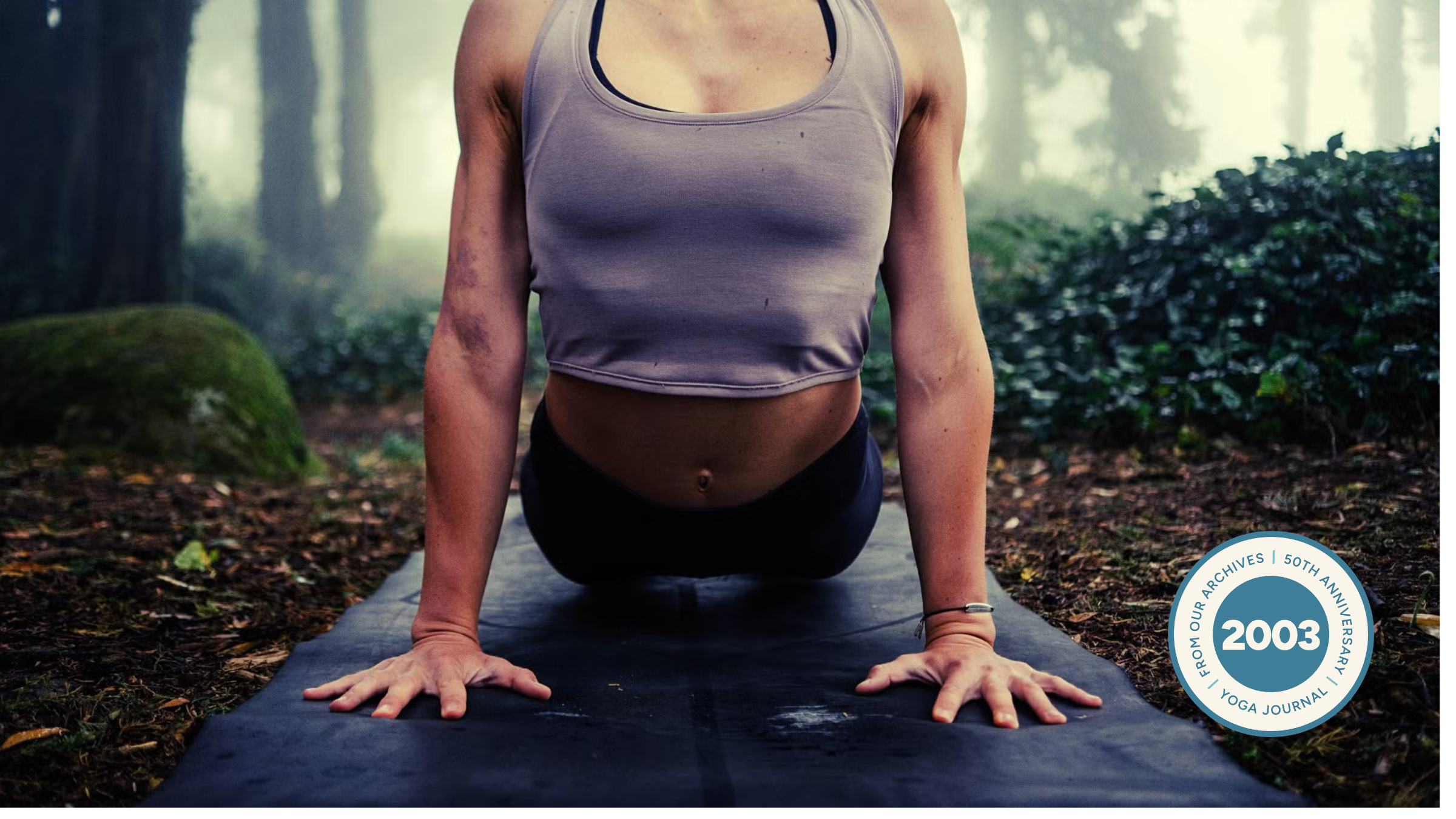
The final preparatory phase involves Chaturanga Dandasana (Four-Limbed Staff Pose), which builds the arm, shoulder, and core strength essential for the transition into Upward-Facing Dog. Lying face down with toes tucked under and hands positioned beside the diaphragm, the practitioner presses the finger mounds down and spreads the fingers wide. By pressing the little-toe sides of the feet into the floor, contracting the buttocks, and drawing the sacrum toward the heels, the individual straightens the legs and lifts the body off the floor until the sides of the waist align with the elbows. This pose bridges the gap between prone resting positions and dynamic, weight-bearing spinal extensions.
Execution of Urdhva Mukha Svanasana: Stages I and II
Once the body is adequately prepared through progressive loading and targeted muscular engagement, the practitioner can safely enter Urdhva Mukha Svanasana. The transition typically occurs directly from Chaturanga Dandasana by exhaling, shifting the body forward, and flipping over the toes so that the tops of the feet rest flat on the floor.
In Urdhva Mukha Svanasana I, the practitioner maintains pressure on the little-toe sides of the feet while contracting the buttocks, pulling the rear edge of the pelvis toward the heels without compressing the sacroiliac joints. Both knees remain fully straightened, with the tops of the feet pressing firmly into the mat. On an inhalation, the practitioner presses the mounds of the fingers—with a particular emphasis on the index finger mounds—into the floor, lifting the chest and directing the gaze upward. The shoulder blades move downward toward the kidneys, drawing the upper back toward the chest. Practitioners are advised to hold this posture for three to nine smooth, deep breaths.
To deepen the extension into Urdhva Mukha Svanasana II, the practitioner draws the pit of the abdomen firmly toward the sternum and slides the legs slightly forward to maximize the backbend. Inhaling, the individual draws the kidneys toward the upper chest, channeling energy from the perineum through the frontal spine in a continuous, graceful curve that traverses the diaphragm, throat, and roof of the mouth before terminating at the crown of the head. The head reaches backward while the shoulder blades remain pressed down, allowing the back of the skull to rest lightly against the trapezius muscles. After maintaining this advanced configuration for three to nine breaths, the practitioner exhales and safely returns to Chaturanga Dandasana or transitions into Downward-Facing Dog.
Broader Implications for Modern Yoga Practice and Injury Prevention
The re-publication of this instructional text underscores a broader trend within the fitness and wellness industry: a renewed emphasis on biomechanical literacy and injury prevention. In recent decades, sports science and physical therapy have increasingly intersected with yoga instruction, moving away from purely aesthetic alignment toward functional anatomy.
Improperly executed backbends are among the leading causes of practice-related musculoskeletal strain, frequently resulting in lumbar facet joint irritation, sacroiliac dysfunction, and hamstring fatigue. By emphasizing precise sequencing—such as rooting the outer edges of the feet prior to gluteal contraction and engaging the quadriceps to stabilize the pelvis—instructors can mitigate these risks. Data from sports medicine research consistently highlights that mechanical efficiency reduces joint wear and tear, allowing practitioners of all ages to maintain a lifelong, injury-free physical practice.
Furthermore, the integration of traditional energetic concepts, such as mula bandha and kidney energy, with modern biomechanical cues reflects a holistic pedagogical approach. This synthesis honors the historical roots of the discipline while satisfying the rigorous safety standards demanded by contemporary wellness practitioners. As archival series continue to unearth foundational texts from decades past, the enduring relevance of these alignment principles affirms that the pursuit of safe, mindful, and anatomically sound movement remains a timeless cornerstone of physical culture.