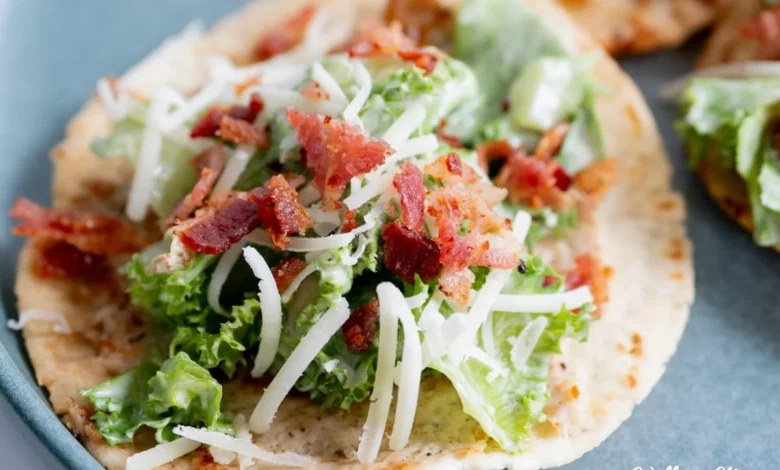
The Evolution of the Caesar Salad and Taco Fusion
The Caesar salad, famously attributed to Caesar Cardini in 1924 in Tijuana, Mexico, has long been a staple of North American cuisine. Traditionally composed of romaine lettuce, croutons, Parmesan cheese, and a dressing emulsified with egg, olive oil, anchovies, garlic, and Worcestershire sauce, it is defined by its balance of acidity and richness. Conversely, the taco—a historical staple of Mexican heritage—is defined by its portability and versatility.
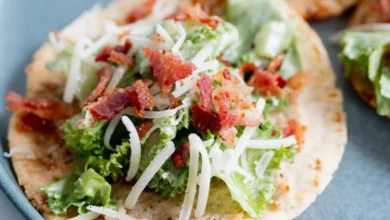
The integration of these two distinct culinary paths into "Smash Chicken Caesar Tacos" reflects a broader trend in home nutrition: the adaptation of "comfort" flavors into formats that satisfy modern macronutrient requirements. By substituting the traditional carbohydrate-heavy crouton with the structural crispness of a pan-seared, meat-pressed tortilla, the dish minimizes empty caloric intake while maintaining the familiar sensory experience of the classic salad.
Technical Methodology and Culinary Chemistry
The preparation of these tacos involves a three-phase culinary process: the creation of a seasoned protein base, the development of an emulsified dressing, and the high-heat searing process that gives the dish its name.
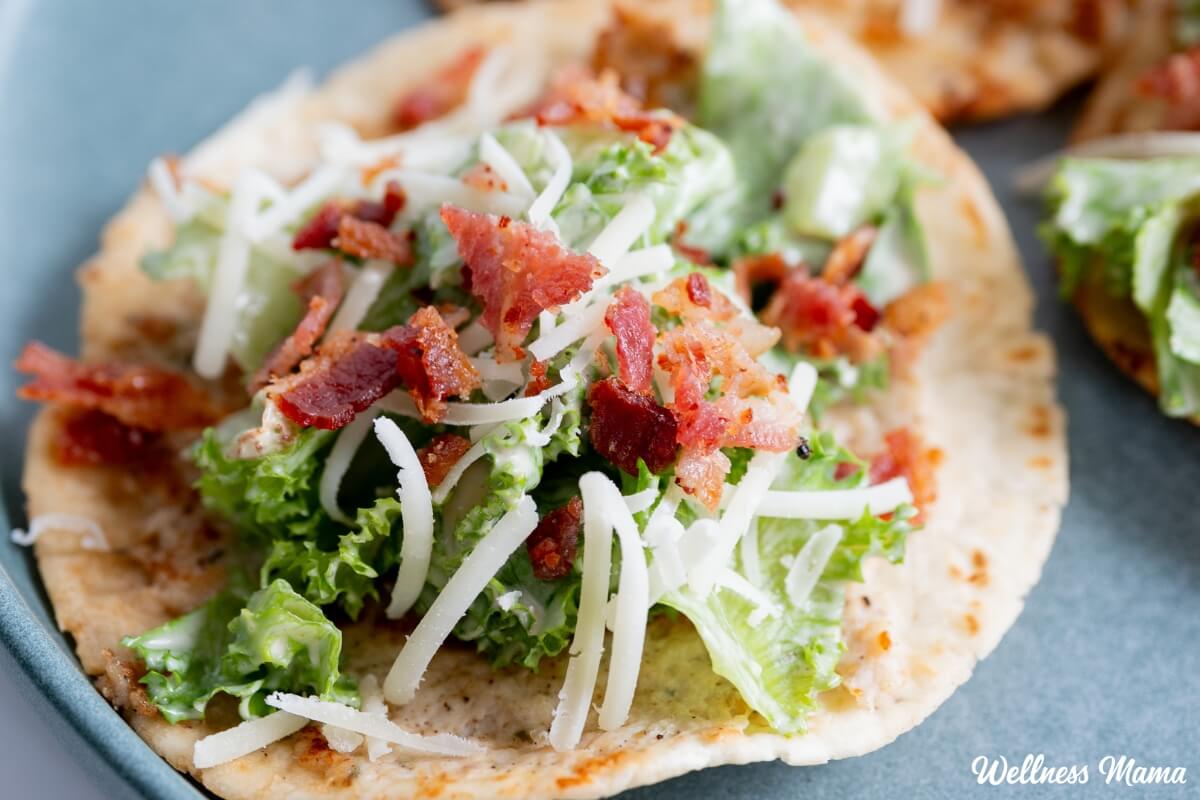
The "smash" technique involves pressing a seasoned chicken mixture—typically comprised of finely ground poultry, Italian seasoning, lemon pepper, garlic, and onion powder—directly onto a tortilla surface. As the chicken contacts the hot skillet, the Maillard reaction occurs rapidly, creating a crust that locks in moisture and provides a savory contrast to the cooling, creamy dressing.
The dressing itself serves as the functional anchor of the dish. Modern iterations often utilize a base of mayonnaise and Greek yogurt to achieve a higher protein density than traditional egg-yolk-only emulsions. The inclusion of anchovy paste and high-quality Worcestershire sauce provides the necessary glutamates to create the characteristic "umami" flavor profile, while the addition of citrus (lemon juice) provides the requisite brightness to cut through the lipids present in the mayo-based dressing.
Nutritional Profile and Dietary Implications
From a nutritional standpoint, the Smash Chicken Caesar Taco is engineered to provide a balanced macro-nutrient ratio. Based on standard preparation metrics, a single serving (one taco) contains approximately 475 calories, with 36 grams of fat and 19 grams of protein.
Data indicates that the high fat content (55% of the daily value per serving) is largely derived from the mayonnaise and cheese components, which are rich in monounsaturated fats when using high-quality oils such as avocado or olive oil. Furthermore, the 19 grams of protein per serving place this dish firmly in the "high-protein" category, making it a functional meal for individuals maintaining active lifestyles or seeking satiety through nutrient density rather than simple carbohydrates.
The inclusion of leafy greens (romaine) and fermented or cultured ingredients (yogurt and potentially sourdough-based croutons) contributes to the dish’s fiber and probiotic potential. However, nutritionists note that the sodium content, measured at approximately 914mg per serving, remains a point of consideration for individuals monitoring blood pressure or cardiovascular health, primarily due to the inclusion of Parmesan and processed condiments.
Chronology of Consumer Adoption
The rise of such hybrid recipes is not accidental but rather a response to the "meal-prep" culture that has permeated households over the last decade.
- 2010–2015: Initial interest in "deconstructed" salads and bowl-based meals surged as consumers sought healthier alternatives to fast-food salads.
- 2016–2020: The introduction of "smashed" food preparation methods—first popularized with beef burgers—migrated to chicken and plant-based proteins, allowing for faster cooking times and improved texture.
- 2021–Present: Home-cooking platforms began optimizing these techniques for busy families, leading to the creation of the Smash Chicken Caesar Taco. The focus shifted toward batch-prepping the protein mixture and dressing, allowing for assembly in under ten minutes during weeknight peak hours.
Official Perspectives on Ingredient Sourcing
Industry experts emphasize that the success of this dish relies heavily on the quality of its fats. The transition from traditional soybean or canola-based mayonnaise to avocado oil-based alternatives—produced by companies like Primal Kitchen—reflects a shift in consumer demand for "cleaner" lipid profiles.
"The modern home kitchen is increasingly acting as a laboratory for health-conscious innovation," says a representative from a leading natural foods distribution network. "When consumers source ingredients like high-quality anchovy paste or grass-fed Parmesan, they are essentially taking the traditional Caesar flavor profile and upgrading its nutritional baseline."
The role of online marketplaces like Thrive Market has also proven significant, as these platforms provide access to shelf-stable, high-quality staples that were previously limited to specialty grocers. This accessibility has democratized the ability to prepare complex, high-quality meals at home, effectively bridging the gap between restaurant-quality dining and home-based nutrition.
Broader Culinary Impact
The Smash Chicken Caesar Taco represents a wider phenomenon known as "flavor hacking," where classic dishes are re-engineered for better utility. While the traditional Caesar salad requires a fork and bowl, the taco format allows for the consumption of these classic flavors in a "grab-and-go" manner. This shift has implications for how busy families manage their intake of vegetables, as the taco format encourages the consumption of romaine and other leafy greens through a more engaging, tactile delivery system.
Furthermore, the adaptability of the recipe—accommodating various tortilla types such as almond flour, cassava, or traditional flour—demonstrates an inclusivity that addresses modern dietary restrictions, including gluten sensitivity and grain-free requirements.
Future Trends in Hybrid Home Cooking
Looking ahead, the trajectory of this recipe suggests that fusion-based, protein-forward meals will continue to dominate the home-cooking landscape. As food technology improves, the potential for adding nutrient-dense boosters, such as bacon bits (for texture and flavor) or fermented vegetables (for gut health), remains a primary area of interest for home chefs.
The success of the Smash Chicken Caesar Taco confirms that when culinary tradition meets modern nutritional demands, the result is often a highly palatable, efficient meal that satisfies both the craving for "comfort" food and the necessity of high-quality, dense nutrition. As home-cooking trends continue to evolve, the emphasis will likely remain on reducing preparation complexity while maximizing flavor intensity—a balance that this dish successfully strikes.
Whether prepared as a singular meal or as part of a weekly meal-prep rotation, the Smash Chicken Caesar Taco serves as a practical blueprint for the modern kitchen: one that respects the historical origins of flavor while aggressively pursuing the benefits of modern culinary technique. The dish is expected to maintain its popularity as long as the demand for protein-rich, time-efficient, and flavorful meals persists in the domestic sphere.