Magnetic Bacteria Show Promise in Extending Lifespan by Suppressing Cellular Aging Mechanisms

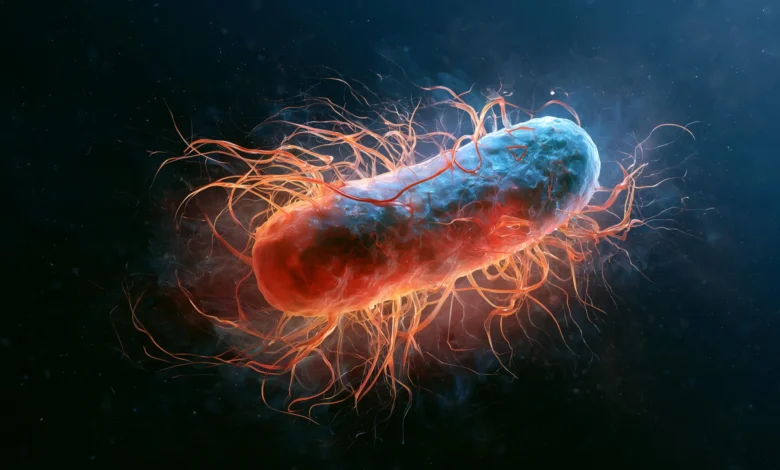
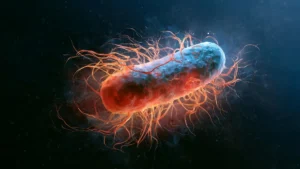
In an unprecedented development in the field of biogerontology, researchers at the Hefei Institutes of Physical Science, operating under the umbrella of the Chinese Academy of Sciences, have published a groundbreaking study detailing how a specific strain of magnetic bacteria can significantly extend the healthy lifespan of a widely utilized laboratory model organism. Led by Professor An Xu, the research team successfully demonstrated that the magnetotactic bacterium Magnetospirillum magneticum AMB-1—commonly referred to simply as AMB-1—is capable of prolonging the life of the nematode Caenorhabditis elegans while simultaneously preserving critical physiological functions in its old age.
The findings, which were recently featured in the peer-reviewed journal Free Radical Biology and Medicine, open an entirely new frontier in anti-aging research. By shifting away from traditional pharmaceutical compounds and genetic interventions, the Hefei research group has harnessed the unique properties of microorganisms that naturally interact with magnetic fields. The core mechanism behind this biological longevity, as identified by Professor Xu and his colleagues, involves the targeted suppression of ferroptosis—a specific, iron-dependent form of regulated cell death that has increasingly been recognized as a major driver of tissue degeneration and systemic aging.
Main Facts and the Experimental Breakthrough
The core revelation of the study centers on the remarkable longevity achieved in Caenorhabditis elegans, a transparent roundworm that serves as a cornerstone for aging and developmental biology research due to its short life cycle, well-mapped genome, and clear physiological parallels to more complex multicellular organisms. When treated with the AMB-1 bacterial strain, the test nematodes experienced a staggering extension in their average lifespan. Quantifiable data gathered by the research team revealed that the treated worms lived, on average, 43.39 percent longer than their untreated control counterparts.
Beyond mere longevity—which can sometimes be accompanied by prolonged frailty or a decline in overall life quality—the AMB-1 intervention successfully preserved the healthspan of the organisms. Aged worms that received the bacterial treatment exhibited superior neurological function, maintaining locomotive and sensory abilities far longer than untreated worms of the same chronological age. Furthermore, histological examinations confirmed that the treatment protected the intestinal integrity of the nematodes, a vital marker of systemic health and barrier function that typically deteriorates rapidly as the organism ages.
Chronology of Magnetotactic Bacteria Research
To understand the magnitude of this discovery, it is essential to trace the trajectory of magnetotactic bacteria (MTB) research over recent decades. Discovered initially for their unique ability to orient and navigate along the Earth’s geomagnetic field lines using specialized intracellular organelles called magnetosomes, MTBs have long fascinated microbiologists and biophysicists alike.
In the early stages of MTB research, the primary focus was on understanding the biomineralization processes by which these bacteria synthesize nanosized crystals of magnetite or greigite within membrane-bound structures. As biotechnology advanced into the 21st century, the biocompatibility and unique physical properties of magnetosomes made them prime candidates for biomedical applications. Over the past fifteen years, academic and industrial laboratories around the globe have investigated MTB derivatives for targeted cancer therapies, hyperthermia treatments, and as microscopic vehicles for drug delivery systems.
Despite these diverse applications, the intersection of magnetotactic bacteria and aging biology remained largely uncharted territory until recently. Professor An Xu’s team at the Hefei Institutes of Physical Science initiated their investigative trajectory by questioning whether the unique metabolic and structural characteristics of AMB-1 could interact beneficially with the physiological stress pathways of host organisms. Following initial screening phases and safety assessments in invertebrate models, the team progressed to longitudinal survival assays, culminating in the recent documentation of the 43 percent lifespan extension.
Supporting Data and the Role of Magnetosomes
A critical component of the Hefei research involved dissecting whether the physical presence of the bacteria alone was responsible for the anti-aging effect, or if the specialized magnetosomes played an active, indispensable role in regulating longevity. To answer this, the researchers compared the wild-type AMB-1 strain with mutant strains that possessed varying capacities for magnetosome formation.
The experimental data provided clear, comparative insights. Wild-type AMB-1, fully capable of producing magnetosomes, generated the strongest longevity and health-preserving effects in the nematode hosts. In contrast, reversibly non-magnetotactic mutant strains (designated as RNM-AMB-1) demonstrated a significantly attenuated ability to extend lifespan. Most tellingly, completely non-magnetotactic strains (NM-AMB-1) failed to extend the lifespan of Caenorhabditis elegans altogether. This gradient of efficacy strongly suggests that the biophysical properties imparted by magnetosome production are mechanistically linked to the biological benefits observed, rather than being a mere byproduct of general bacterial ingestion or probiotic colonization.
Further analytical chemistry assays revealed that AMB-1 treatment systematically reduced abnormal iron accumulation within the tissues of the nematodes. Concurrently, the researchers observed a marked decrease in lipid peroxidation—a destructive chain reaction wherein free radicals steal electrons from the lipids in cell membranes, leading to structural damage and cellular dysfunction.
Targeting Ferroptosis and Genetic Pathways
To uncover the molecular pathways responsible for these physiological improvements, the Hefei team delved into the genetics of ferroptosis. Ferroptosis is an iron-dependent form of cell death characterized by the unchecked accumulation of lipid hydroperoxides. In recent years, biomedical science has linked ferroptosis to a wide variety of degenerative conditions, including neurodegeneration, ischemia-reperfusion injury, and the natural systemic decline associated with aging.
By mitigating iron overload and subduing lipid peroxidation, AMB-1 effectively blocked ferroptosis in the experimental nematode models. Subsequent genetic analyses confirmed that several key ferroptosis-related regulatory pathways and genes were modulated during the intervention. Specifically, the researchers identified genes such as ftn-1 (which encodes a ferritin homolog involved in iron storage and homeostasis), bli-3 (associated with oxidative stress responses and barrier defense), and ads-1 as integral components of the AMB-1-mediated lifespan regulation network. By stabilizing these pathways, the bacteria helped protect cellular structures from the progressive oxidative degradation that characterizes biological aging.
Implications for Geriatric Medicine and Biotechnology
The publication of these findings in Free Radical Biology and Medicine has generated considerable interest within the broader scientific community, particularly among specialists in geroscience, pharmacology, and microbiology. While translating invertebrate findings directly to human clinical applications remains a monumental challenge, the implications of this study are profound.
From a therapeutic standpoint, utilizing engineered or natural microorganisms to modulate host iron metabolism and suppress ferroptosis introduces an entirely novel paradigm in anti-aging interventions. Traditional pharmacological approaches often rely on single-target small molecules, which can be limited by toxicity issues, metabolic clearance, or the complex, multi-factorial nature of aging itself. Microbially mediated interventions, by contrast, offer a dynamic biological system capable of multi-target regulation.
Furthermore, the biocompatibility of magnetotactic bacteria positions them as versatile agents that could potentially be guided or retained within specific physiological niches using external magnetic fields—a capability that could maximize therapeutic efficacy while minimizing systemic side effects.
Future Directions and Expert Perspectives
While the Hefei research provides robust foundational evidence, experts emphasize that significant hurdles must be overcome before magnetotactic bacteria can be considered for mammalian or human trials. Researchers will need to evaluate the pharmacokinetics, long-term colonization dynamics, and potential immune responses triggered by AMB-1 and similar strains in vertebrate models, such as mice or rats. Additionally, the precise biochemical signaling mechanisms by which intracellular magnetosomes influence host iron homeostasis and lipid peroxidation require high-resolution molecular mapping.
Nevertheless, the work led by Professor An Xu marks a vital stepping stone in bridging microbiology and gerontology. As populations age globally and the incidence of age-related chronic diseases continues to rise, innovative strategies that look beyond conventional pharmacology are increasingly urgent. By demonstrating that magnetotactic bacteria can successfully extend healthy lifespan through the targeted suppression of ferroptosis, this study not only uncovers a fascinating biological interaction but also lays the groundwork for future generations of longevity therapeutics grounded in microbial science.