New Clinical Trial Reveals THC-Based Medication Significantly Reduces Severe PTSD Nightmares and Restores Restful Sleep

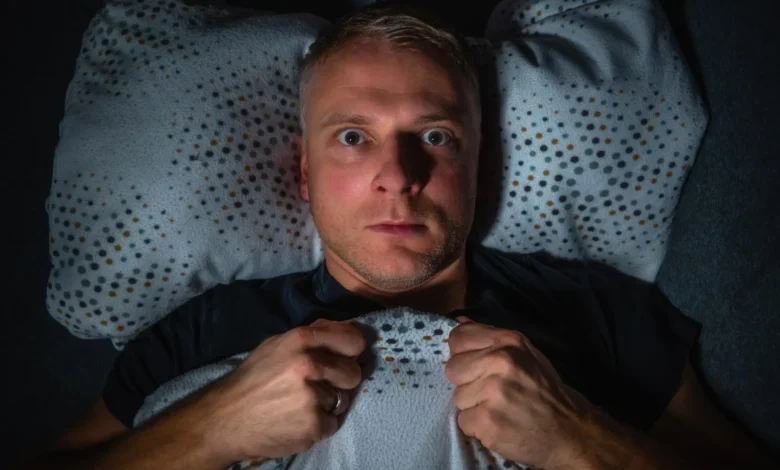
For millions of individuals living with post-traumatic stress disorder (PTSD), the descent into darkness brings no respite from the waking world. Instead, the nocturnal hours often transform into a theater of psychological torment, where past horrors are reenacted with terrifying vividness. Nightmares remain one of the most debilitating and persistent symptoms of PTSD—a complex psychiatric condition that can manifest following a catastrophic disaster, a severe vehicular accident, violent assault, active military combat, or other life-threatening traumas.
During the vulnerable vulnerability of rapid eye movement (REM) sleep, patients frequently experience the distressing sensation of reliving their original trauma down to the minutest detail. These brutal, repetitive episodes inflict severe, chronic sleep deprivation, driving many sufferers into a state of profound anxiety known as anticipatory sleep dread—a debilitating fear of simply going to bed. Compounding this suffering, conventional pharmacotherapy has historically offered lackluster results. Standard psychiatric medications, including various classes of antidepressants and off-label blood-pressure-lowering drugs, frequently fail to quiet the nocturnal mind, leaving a massive therapeutic void in trauma care.
Seeking to bridge this clinical gap, an international team of researchers spearheaded by Charité – Universitätsmedizin Berlin launched a rigorous investigation into whether a prescription drug containing tetrahydrocannabinol (THC)—the primary psychoactive constituent of the cannabis plant—could successfully alleviate trauma-induced nightmares. The groundbreaking findings, recently published in the prestigious journal Nature Medicine, reveal that more than half of the trial participants demonstrated a positive clinical response to the cannabis-based compound. Most remarkably, more than one-third of the participants reported that their traumatic nightmares vanished entirely over the course of the study.
Understanding the Neurological Grip of Trauma-Related Nightmares
The profound psychological impact of a terrifying or life-threatening event frequently extends far beyond the immediate aftermath, anchoring itself deep within the neural architecture. In patients diagnosed with PTSD, the brain’s natural capacity to process and integrate overwhelming experiences is severely compromised. Rather than being filed away as static historical memories, traumatic recollections are often stored in raw, fragmented states. This operational failure causes memories to break through involuntarily, entirely divorced from conscious control or temporal context.
This neurological intrusion occurs indiscriminately across the circadian cycle. By day, triggers can prompt sudden panic attacks, emotional numbing, or hypervigilance. By night, the breakdown in processing manifests as ferocious nightmares that repeatedly thrust the sleeper back into the epicenter of their trauma, snapping them awake in states of acute terror, tachycardia, and psychological shock.
Historically, clinicians have relied on a patchwork of pharmaceutical interventions. While selective serotonin reuptake inhibitors (SSRIs) and prazosin—a hypertension medication often prescribed to blunt nightmares—are frequently utilized, their efficacy varies wildly from patient to patient, and they rarely stamp out the nightmares themselves. In countries like Germany, no pharmaceutical agent has ever received official regulatory approval specifically targeted at managing trauma-associated nightmares, underscoring the urgent need for innovative treatments.
Recognizing this therapeutic impasse, Prof. Stefan Röpke, a leading researcher in trauma-related disorders at the Department of Psychiatry and Neurosciences on the Benjamin Franklin Campus of Charité, turned his scientific inquiry toward the human endocannabinoid system. Working alongside a robust coalition of German research institutions, Röpke and his team hypothesized that manipulating this intricate biological network could alter the neural pathways governing fear extinction and emotional consolidation during sleep.
The endocannabinoid system acts as a master regulator within the central nervous system, modulating stress responses, sleep architecture, and the emotional coloring of memories. "There is mounting evidence suggesting that during REM sleep—the intense dream phases in which the brain processes experiences and regulates emotions—THC reduces dream activity and thereby alleviates nocturnal stress responses," explains Prof. Röpke. By introducing exogenous cannabinoids, the researchers hoped to calm the hyperactive neurochemical signaling responsible for nocturnal trauma replay.
The Regulatory Evolution and Clinical Methodology of Dronabinol
The path toward utilizing cannabis-based medicines in mainstream clinical trials has been shaped by shifting legislative landscapes. For years, cannabinoid therapeutics were largely confined to palliative care, utilized primarily for intractable chronic pain management or chemotherapy-induced nausea when conventional modalities failed. However, legislative frameworks have steadily evolved. In Germany, a major turning point occurred in 2017 with the enactment of the "Cannabis for Medical Purposes" law. This landmark legislation significantly expanded access to medical cannabis, streamlining the pathways for both clinical application and academic research involving plant-derived and synthetically produced cannabinoids.
Capitalizing on this legal and regulatory modernization, the research team designed a gold-standard clinical trial centered around Dronabinol. This prescription medication contains pure THC derived directly from the cannabis plant, administered conveniently via oral drops. The objective was straightforward yet ambitious: to determine whether precise, controlled doses of Dronabinol could safely and effectively diminish the frequency and severity of PTSD-associated nightmares.
The clinical trial enrolled over 170 adult participants who met strict diagnostic criteria for post-existing PTSD and suffered from frequent, severe, and treatment-resistant nightmares. Over a tightly monitored ten-week period, patients were randomly assigned to receive either active Dronabinol drops or a meticulously crafted, cannabis-flavored placebo designed to be identical in taste, appearance, and packaging. To eliminate bias, the trial employed a double-blind, placebo-controlled methodology—widely recognized by the global medical community as the gold standard of clinical research, ensuring that neither the patients nor the attending healthcare professionals knew who was receiving the active therapeutic agent.
Participants were instructed to self-administer their assigned drops each evening prior to retiring for bed, allowing the compound to take systemic effect as they transitioned into sleep.
Measurable Relief: Clinical Data and Patient Outcomes
Upon the conclusion of the ten-week trial period, the data revealed a statistically significant divergence between the treatment and placebo cohorts. Utilizing a standardized clinical rating scale ranging from zero to eight to measure nightmare severity and burden, the researchers observed a dramatic reduction among those receiving the THC formulation.
The average nightmare burden among participants taking Dronabinol plummeted by 3.7 points. In contrast, the placebo group experienced a more modest average decrease of 2.2 points. While numerical scores tell part of the story, the qualitative reality for the patients was transformative.
"More than a third of the patients treated with Dronabinol reported that they no longer experienced any nightmares after ten weeks. Another 21 percent reported that their nightmare burden had been at least halved," Prof. Röpke stated, highlighting the clinical magnitude of the results. Furthermore, the trial revealed that approximately five out of six patients in the Dronabinol cohort felt their overall health and well-being had markedly improved over the course of the intervention.
Despite these dramatic improvements in sleep and nightmare frequency, the cannabinoid intervention exhibited a distinct pharmacological profile. The researchers noted that Dronabinol acted with relative specificity toward nocturnal symptoms, failing to show a statistically significant reduction in the overall severity of daytime PTSD symptoms or accompanying depressive disorders within the ten-week window. Nevertheless, by effectively breaking the agonizing cycle of nightly trauma reliving, the treatment offered patients a crucial respite, allowing them to finally secure restorative sleep.
Safety Profile, Tolerability, and the Road Ahead
A critical concern in any pharmacological trial involving psychoactive compounds is the potential for adverse side effects, cognitive impairment, or chemical dependency. Throughout the ten-week trial, safety monitoring yielded highly encouraging results.
No severe adverse events were attributed to the medication. While mild to moderate side effects—such as transient dizziness, headaches, and increased appetite—occurred at a marginally higher frequency among those receiving Dronabinol compared to the placebo group, these symptoms were generally well-tolerated and did not necessitate treatment discontinuation. Crucially, upon the conclusion of the study when evening dosing was abruptly halted, researchers found zero evidence of withdrawal symptoms, psychological craving, or physiological dependence among participants.
These safety parameters provide a strong foundation for future psychiatric research, though experts emphasize that caution remains warranted. Subsequent clinical trials will need to evaluate the long-term safety, durability, and efficacy of Dronabinol when administered over extended periods spanning many months or years. Additionally, researchers aim to investigate whether patients might gradually develop pharmacological tolerance to the compound, which could potentially diminish its therapeutic impact over time.
Broader Implications for Psychiatric Care
The successful outcome of the Charité-led trial marks a potential turning point in the management of trauma-induced neuropsychiatric disorders. By demonstrating that targeted modulation of the endocannabinoid system can alleviate treatment-resistant nightmares, the study opens exciting new avenues for drug development in psychiatry.
As academic institutions continue to decode the neurobiological underpinnings of trauma, the integration of cannabinoid therapeutics into mainstream clinical guidelines appears increasingly plausible. For the millions of individuals trapped in the relentless cycle of PTSD-induced sleep disruption, this research offers a tangible glimpse of hope: a future where the night no longer serves as a battlefield, but rather as a sanctuary for rest and recovery.
This collaborative research initiative was initiated and led by Charité – Universitätsmedizin Berlin. Key scientific contributions were provided by the Psychiatric University Clinic of Charité at St. Hedwig Hospital, the University Medical Center Hamburg-Eppendorf, and the Central Institute for Mental Health in Mannheim. Financial and logistical support for the study was provided by Bionorica SE.