Blueberry Bran Muffins Offer a Healthier, Nutrient-Dense Twist on a Traditional Bakery Staple

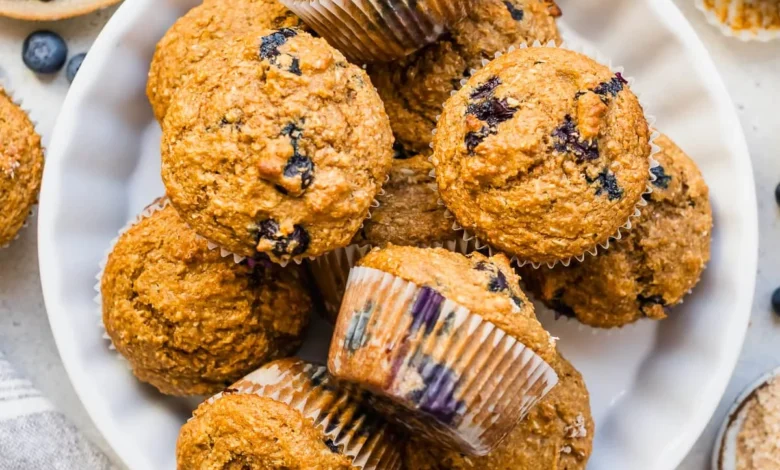
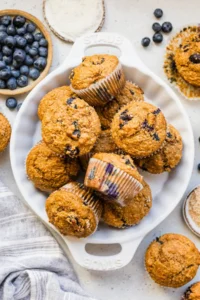
The culinary landscape of healthy baking has undergone a significant transformation over the past decade, shifting away from heavily refined sugars and dense, calorie-laden ingredients toward nutrient-dense, fiber-rich alternatives. Among the latest breakfast innovations capturing the attention of home cooks and nutritionists alike is a modernized iteration of a classic bakery item: the blueberry bran muffin. Designed to challenge the pervasive reputation of bran muffins as dry, unpalatable, and overly dense, this recipe utilizes modern baking substitutions—such as swapping heavy fats for unsweetened applesauce, incorporating natural sweeteners like honey, and adding fresh antioxidant-rich blueberries and coconut flakes—to deliver a light, moist morning pastry that defies traditional expectations.
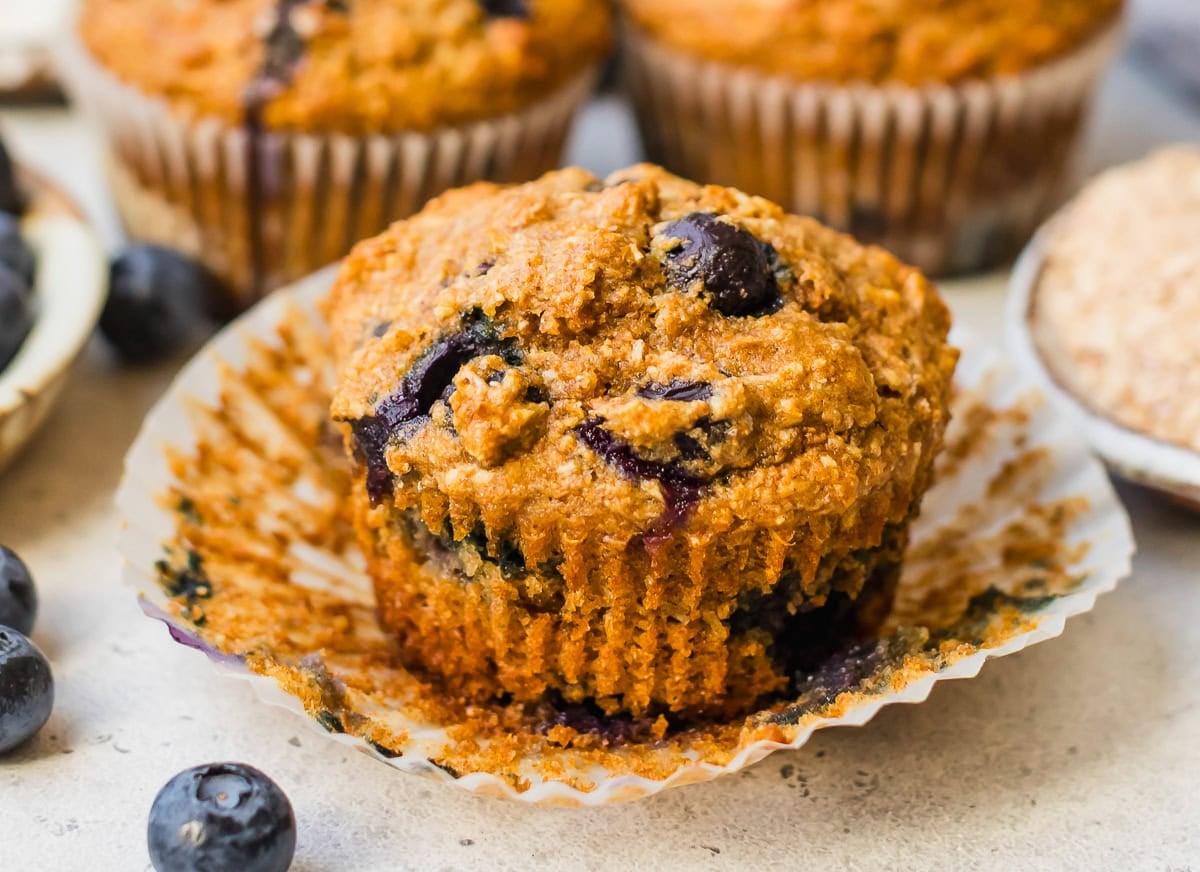
Historical Context and Evolution of the Bran Muffin
To understand the cultural significance of the bran muffin, one must look back at its origins in mid-20th-century American food culture. Originally popularized in neighborhood luncheonettes, diners, and traditional bakeries, bran muffins were prized primarily for their high dietary fiber content. However, early commercial iterations often relied heavily on substantial amounts of butter, oil, and refined white sugar to mask the inherent bitterness and density of wheat bran. Consequently, while consumers viewed them as a health-conscious choice, many traditional diner-style bran muffins actually rivaled rich chocolate pastries in their overall calorie and fat counts.
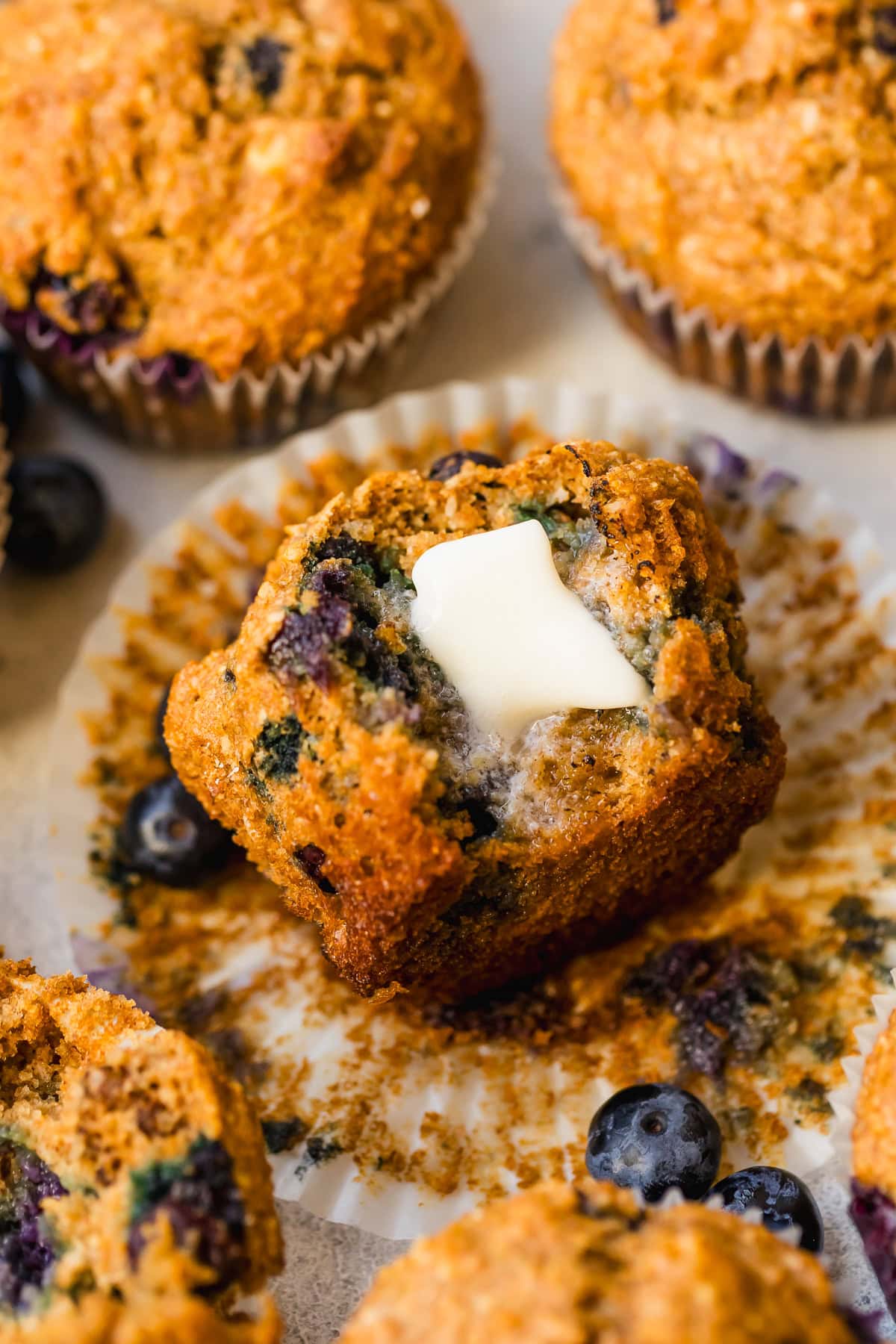
In recent years, the home-baking and culinary blogging community have worked to reclaim the bran muffin, re-engineering recipes to maximize nutritional value without sacrificing flavor or texture. Modern adaptations frequently substitute heavy oils with fruit purées, reduce refined sugars in favor of raw honey or maple syrup, and integrate superfoods like fresh berries and seeds. This culinary evolution aligns with broader consumer trends favoring clean-eating, gut-health awareness, and functional foods that provide sustained energy throughout the morning hours.
Nutritional Profile and Ingredient Breakdown

Nutritional analysis of the updated blueberry bran muffin highlights a deliberate focus on macronutrient balance and dietary fiber. Each standard 1-muffin serving contains approximately 143 kilocalories, 25.5 grams of carbohydrates, 3 grams of protein, and 4.5 grams of total fat, with 2.5 grams coming from saturated fat. Notably, each serving provides 3 grams of dietary fiber, supporting digestive health and promoting prolonged satiety.
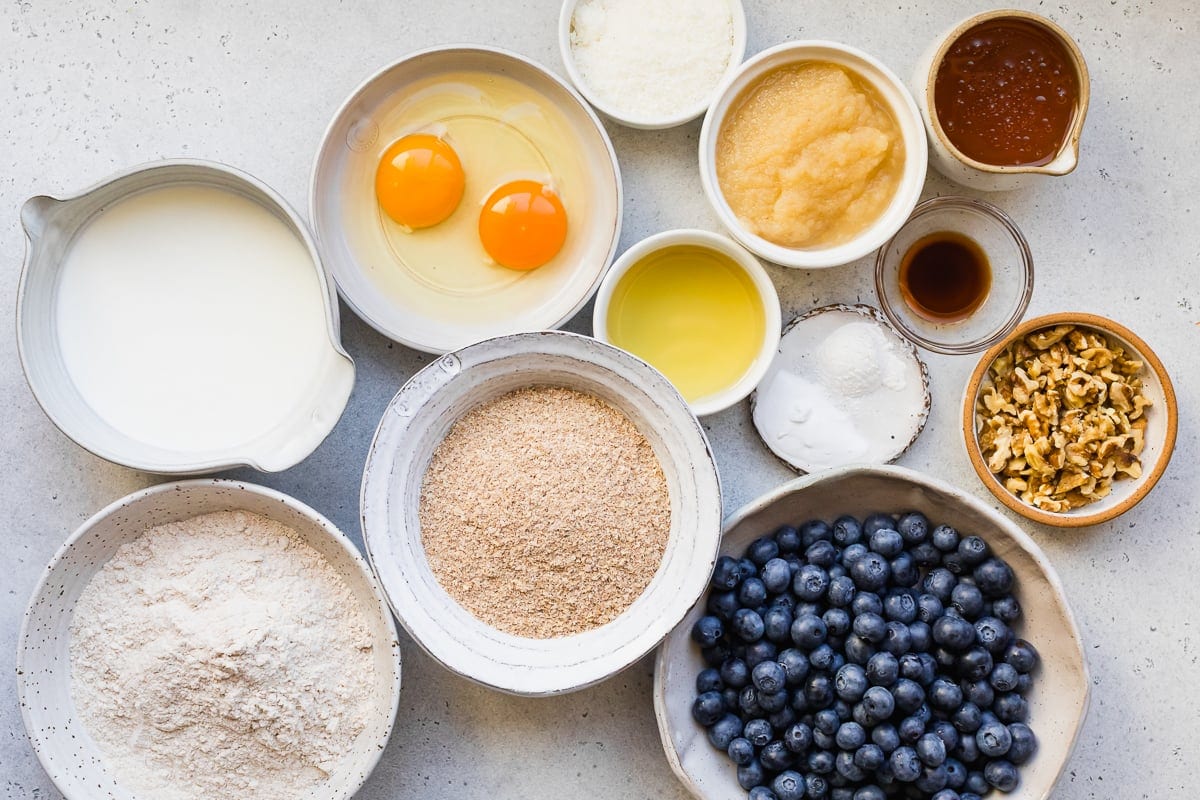
The reduction of dietary fat is achieved primarily through the strategic replacement of traditional cooking oils and butter with applesauce, which introduces natural moisture and structure to the crumb while dramatically lowering the overall lipid content. Coconut oil is utilized sparingly, contributing a subtle aroma and essential moisture without overwhelming the calorie count. Furthermore, the inclusion of fresh blueberries introduces essential vitamins—such as Vitamin C and Vitamin K—alongside powerful polyphenols and antioxidants, which have been widely studied for their cardiovascular and cognitive benefits. Honey serves as the primary sweetening agent, offering a complex flavor profile that complements the earthy notes of the bran while avoiding heavily processed white sugars.
Culinary Techniques and Preparation Methodology
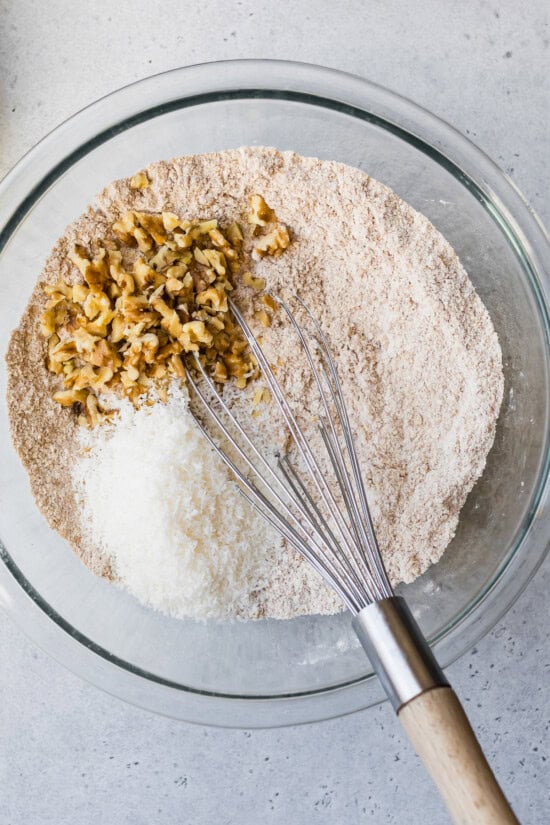
Creating a moist, light bran muffin requires careful attention to ingredient ratios and mixing techniques. Culinary experts emphasize that overmixing muffin batter develops excess gluten in the flour, resulting in a tough, rubbery texture. The standard preparation method requires separating dry ingredients—including wheat bran, flour, leavening agents, and spices—from wet components like eggs, honey, applesauce, and milk.

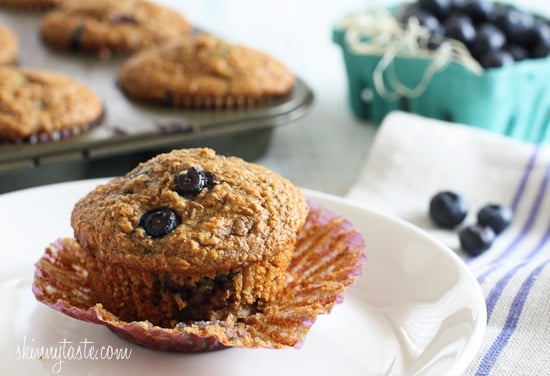
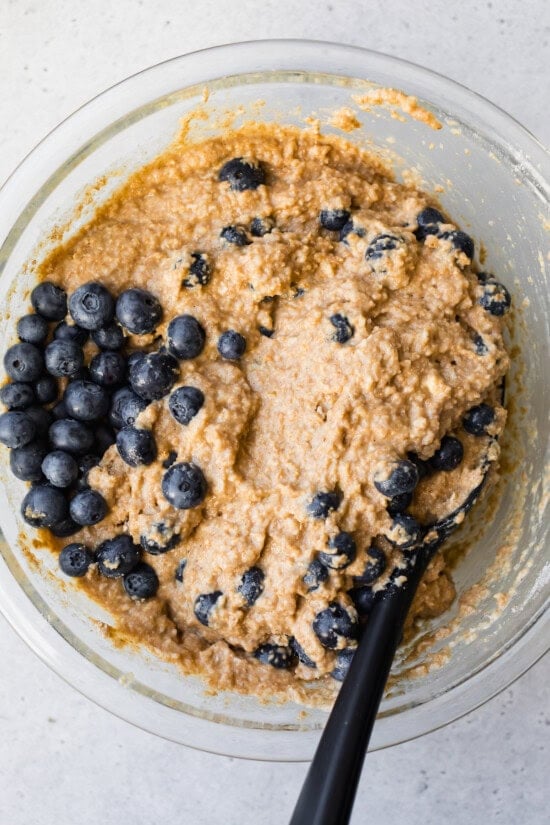
Once combined gently just until moistened, fresh blueberries and coconut flakes are folded carefully into the batter to prevent the berries from bursting and discoloring the mixture. Baking typically occurs at a moderate temperature of around 375°F (190°C) for approximately 18 minutes, ensuring the interior cooks thoroughly while developing a golden-brown exterior. Culinary professionals also recommend traditional serving methods, such as slicing the cooled muffins in half and toasting them lightly on a skillet or griddle, a technique borrowed from vintage luncheonettes that caramelizes the natural sugars and enhances the texture.
Storage, Meal Prep, and Practical Utility
In the context of contemporary meal planning, convenience and longevity are critical factors for consumers balancing busy professional and personal schedules. Blueberry bran muffins are particularly well-suited for high-volume batch cooking and meal prep. When stored in an airtight container at room temperature, baked muffins retain their moisture for up to three days. For longer storage, they can be frozen successfully for up to one month without significant degradation in texture or flavor.
Culinary experts note that freezing individual muffins allows consumers to quickly thaw and reheat portions as needed, providing a reliable, wholesome breakfast option on hectic mornings. This practical utility has contributed to the resurgence of home-baked goods in meal-prep regimens, offering a cost-effective and nutritionally transparent alternative to highly processed commercial breakfast bars and packaged pastries.
Broader Industry Impact and Dietary Implications
The growing popularity of modified traditional recipes reflects a broader shift in public health priorities. Nutritionists and public health advocates have long emphasized the importance of increasing daily dietary fiber intake to support metabolic health, regulate blood sugar levels, and reduce the risk of chronic gastrointestinal conditions. However, consumer adherence to high-fiber diets often falters due to sensory fatigue—specifically, the perception that healthy foods lack culinary appeal.
By successfully bridging the gap between nutritional density and gourmet flavor, updated recipes like the blueberry bran muffin demonstrate that healthy eating does not require sacrificing gastronomic satisfaction. As home cooking trends continue to prioritize functional nutrition, versatile and adaptable baking formulas are expected to remain a staple of modern domestic kitchens, offering a sustainable model for balanced eating in the twenty-first century.