Hemp Milk: A Comprehensive Analysis of the Nutritional and Culinary Rise of Plant-Based Alternatives

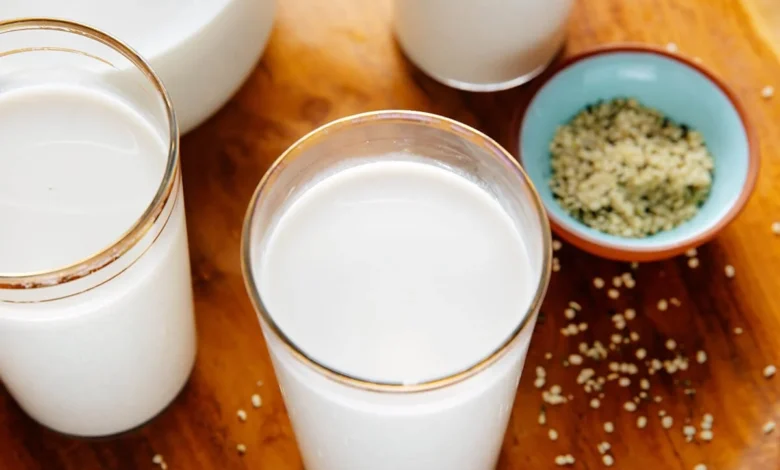
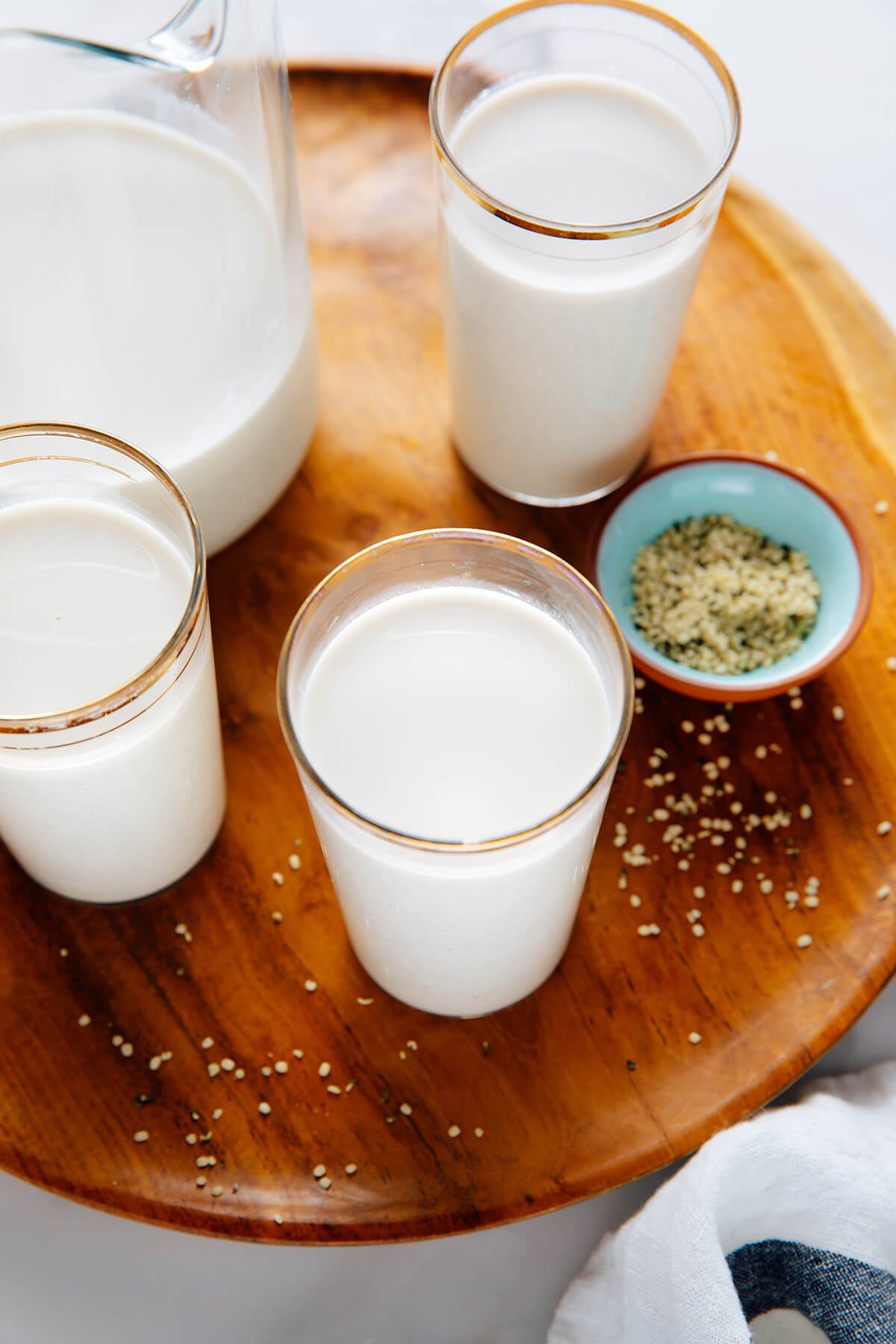
The landscape of the global dairy-alternative market has undergone a significant transformation over the past decade, driven by evolving consumer preferences, dietary restrictions, and environmental concerns. Among the burgeoning array of plant-based milks—ranging from almond and oat to soy and pea—hemp milk has emerged as a particularly noteworthy contender. Derived from the seeds of the Cannabis sativa plant, specifically hemp hearts or hulled seeds, this beverage is gaining traction for its high protein content, rich profile of essential fatty acids, and its ease of preparation in both commercial and home settings. Unlike many other nut-based milks that require extensive overnight soaking to soften, hemp milk can be synthesized in minutes, positioning it as a highly efficient alternative for the modern kitchen.
Historical Context and Evolution of Hemp Consumption
While hemp has been cultivated for millennia for its industrial fiber and seeds, its integration into the modern Western diet is a relatively recent phenomenon. For decades, the association between industrial hemp and its psychoactive cousin, marijuana, limited the widespread adoption of hemp-based food products. However, the passage of the 2018 Farm Bill in the United States, which legalized the production of hemp containing less than 0.3% tetrahydrocannabinol (THC), effectively removed the primary regulatory barriers to its use.
This legislative shift catalyzed a surge in the availability of hemp hearts in mainstream retail chains. As nutritionists began to highlight the high concentrations of Omega-3 and Omega-6 fatty acids in these seeds, the public interest transitioned from niche health food stores to general consumer demographics. The development of hemp milk as a commercial and domestic product is a direct byproduct of this broader agricultural and cultural normalization.
Nutritional Profile and Comparative Analysis
A primary factor driving the adoption of hemp milk is its superior nutritional density compared to other popular plant-based milks. A single serving of homemade hemp milk can provide up to 10 grams of plant-based protein, a figure that significantly outperforms almond milk, which typically contains only one to two grams of protein per serving.
Furthermore, hemp seeds are considered a "complete" protein source, meaning they contain all nine essential amino acids that the human body cannot synthesize on its own. This is a rare trait in the plant kingdom, often found only in soy and quinoa. Beyond protein, hemp milk serves as an excellent source of magnesium, iron, and zinc. While it may not naturally match the calcium levels of fortified commercial cow’s milk, most home recipes can be adjusted with fortifying ingredients, or consumers may opt for commercially available versions that are fortified with calcium and Vitamin D to ensure dietary requirements are met.

The Mechanics of Production: A Technical Overview
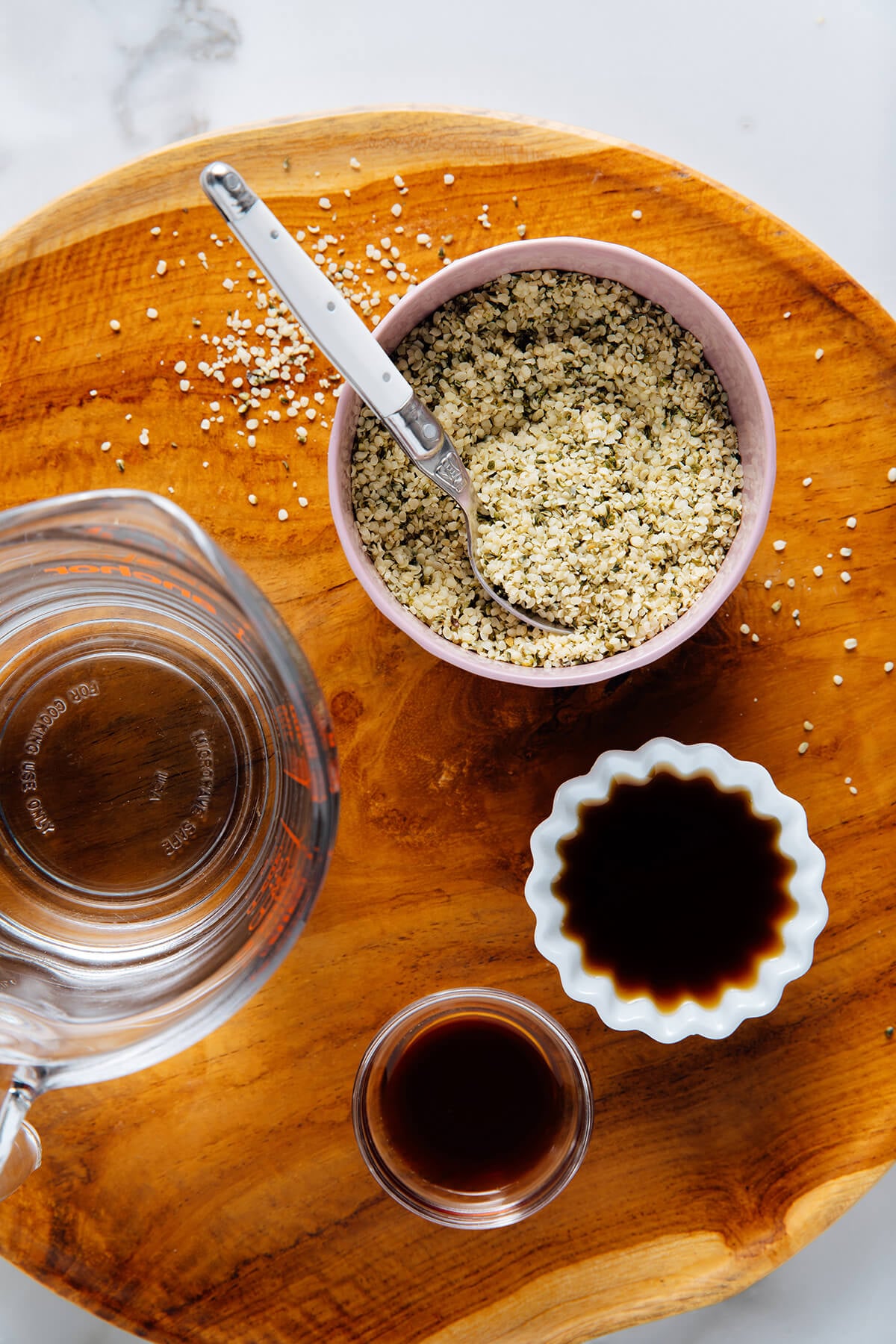
The production process of hemp milk is characterized by its technical simplicity, which contributes to its accessibility. At its core, the process involves the mechanical emulsification of hemp hearts with water. Because hemp hearts lack the tough outer shell of raw hemp seeds, the resulting mixture requires minimal processing.
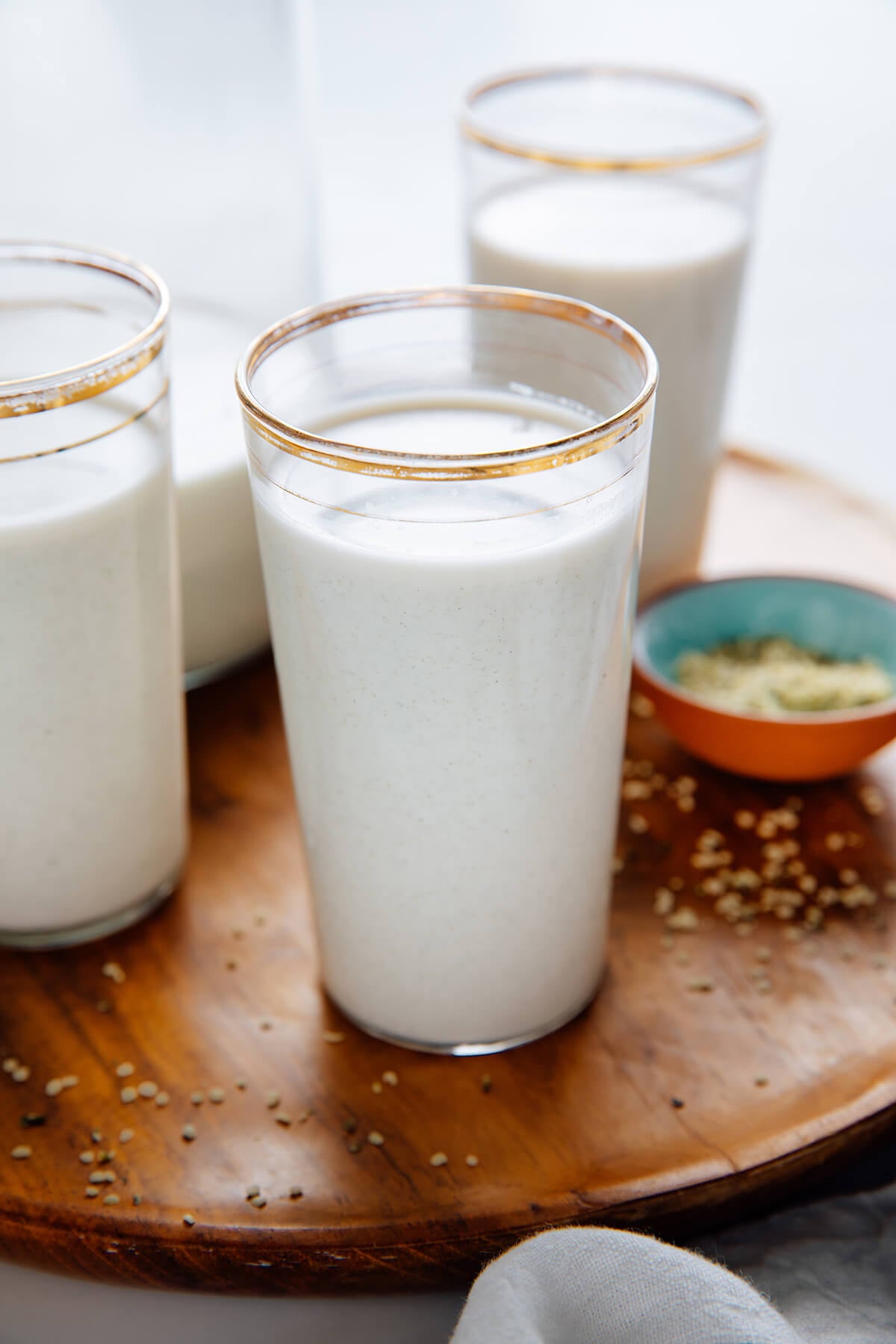
Technically, the "silky-smooth" texture often cited by culinary experts is a result of the high fat and protein content of the seeds, which naturally create a stable emulsion when blended. Unlike oat milk, which can become viscous or "slimy" if heated or over-processed due to starch gelatinization, hemp milk maintains a more consistent, creamy profile. The addition of small amounts of natural sweeteners, such as maple syrup or dates, is often recommended not only for flavor balancing but also to mitigate the slightly earthy, grassy undertones inherent in the raw seed.

Culinary Versatility and Market Trends
From a culinary perspective, hemp milk offers a neutral to mildly nutty flavor profile that makes it exceptionally versatile. Professional chefs and home cooks alike are increasingly utilizing it in diverse applications, including:
- Smoothie Integration: Because hemp hearts can be blended into a fine consistency, they act as a "stealth" protein booster in fruit and vegetable smoothies.
- Baking and Cooking: The fat content in hemp milk makes it a suitable substitute in recipes requiring moisture and richness, such as muffins, pancakes, and dairy-free soups.
- Beverage Applications: Due to its stability, it is increasingly used as a base for chocolate-flavored drinks and as a milk substitute in coffee, where it froths more effectively than many thinner nut milks.
Industry analysts note that the growth of the hemp milk sector is part of a larger, "pantry-friendly" movement. As global supply chains remain sensitive to volatility, consumers are increasingly seeking shelf-stable ingredients like hemp seeds that allow for the on-demand production of fresh food. This decentralization of production—moving from factory-bottled milks to home-blended alternatives—represents a significant shift in consumer behavior.

Broader Implications for Sustainable Agriculture
The rise of hemp milk also holds implications for agricultural sustainability. Hemp is a resilient crop that requires significantly less water than almonds, which are notoriously water-intensive. Additionally, hemp crops grow densely, which helps to suppress weeds naturally and reduces the need for herbicides. From an environmental standpoint, the transition toward hemp-based dairy alternatives is being lauded by sustainability advocates as a more efficient use of arable land.
However, the industry faces challenges in scaling. While the raw material is becoming more available, the standardization of quality remains a hurdle. As noted by culinary researchers, the freshness of the hemp seeds is critical; oxidized seeds can impart an unappealing, bitter flavor to the milk. Consequently, as the market matures, there is an expected push for better supply chain transparency and storage standards to ensure that the final product consistently meets consumer expectations.
Future Outlook
The trajectory of hemp milk suggests that it will move from a niche health product to a staple in the plant-based dairy aisle. Future developments are likely to focus on further enhancing the flavor profile and nutritional fortification. As more consumers become aware of the protein-to-resource ratio that hemp offers, the demand is expected to climb.
In conclusion, hemp milk represents a convergence of nutritional science and environmental consciousness. By providing a high-protein, low-water-footprint alternative to traditional dairy, it addresses several of the most pressing concerns in modern nutrition. Whether used as a standalone beverage, a base for smoothies, or a component in complex culinary creations, hemp milk stands as a testament to the potential of ancient, sustainable crops to solve modern dietary challenges. As research continues into the long-term health benefits of hemp-derived proteins, it is highly probable that its role in the global food supply will only continue to expand.