In an era defined by sedentary desk jobs, remote work environments, and prolonged screen time, musculoskeletal discomfort has emerged as a pervasive public health concern. Millions of individuals globally report chronic tension headaches, upper back knots, and acute cervical stiffness resulting from poor ergonomic habits and forward-head postures. Addressing this rising tide of physical stress, fitness and wellness platforms are increasingly prioritizing targeted, accessible interventions that can be seamlessly integrated into daily routines. Among these, short-duration therapeutic movement practices have gained substantial traction for their ability to mitigate minor muscular discomfort without requiring specialized equipment or extensive time commitments.
A prominent development in this sector is the release of a specialized 15-minute restorative yoga routine designed specifically to alleviate neck, shoulder, and upper back tension. Distributed widely across digital wellness channels, the routine bridges the gap between traditional strength-building vinyasa flows and passive restorative yoga. Developed for practitioners of all experience levels—from absolute beginners to seasoned yogis—the sequence utilizes floor-based movements, including reclined, seated, and kneeling postures, to safely decompress the upper body.
Anatomical Context and the Modern Ergonomic Crisis
To understand the utility of targeted stretching regimens, one must examine the biomechanical toll of modern lifestyles. According to occupational health data, adults spend an average of six to nine hours daily seated, frequently engaging in forward-reaching tasks such as typing or viewing mobile devices. This persistent posture places an abnormal load on the trapezius, levator scapulae, and rhomboid muscles. Over time, these muscles undergo chronic micro-trauma and fatigue, manifesting as myofascial trigger points—commonly referred to as "knots."
Medical professionals and physical therapists consistently emphasize that proactive soft-tissue management is essential to prevent chronic pain syndromes. While clinical interventions such as massage therapy and physical therapy are effective, they are often constrained by financial and scheduling barriers. Consequently, self-administered therapeutic movement routines have become a vital front-line defense for preventative musculoskeletal health. Practices that combine controlled breathing with low-intensity isometric activation and passive elongation help restore tissue elasticity, improve local blood circulation, and down-regulate an overactive sympathetic nervous system often exacerbated by physical pain.
Chronology of the 15-Minute Therapeutic Routine
The newly popularized sequence is meticulously structured to guide the practitioner from a state of grounded relaxation through dynamic mobilization and, finally, into deep tissue release. By avoiding high-impact transitions, the routine ensures accessibility for individuals experiencing acute discomfort.
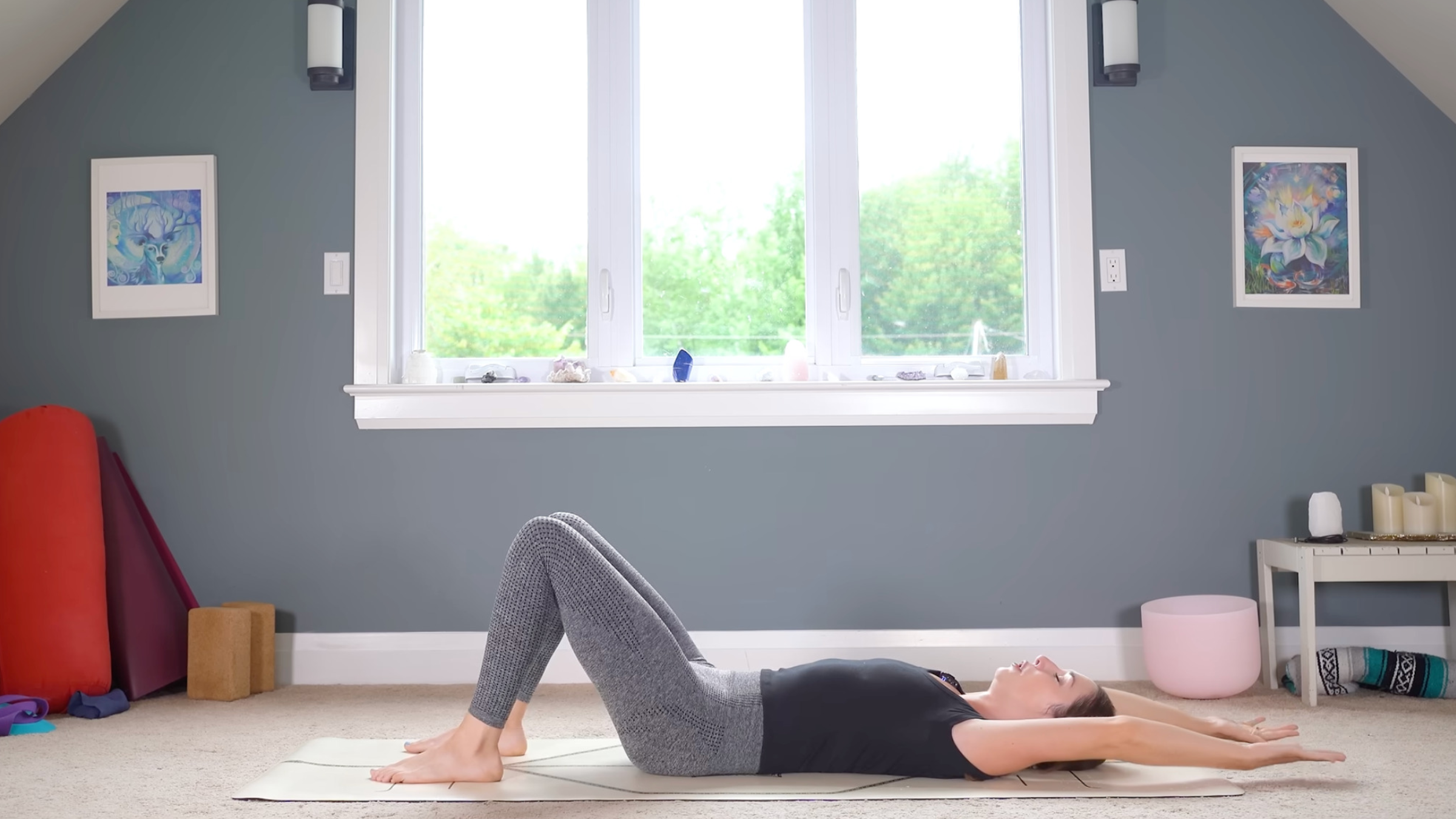
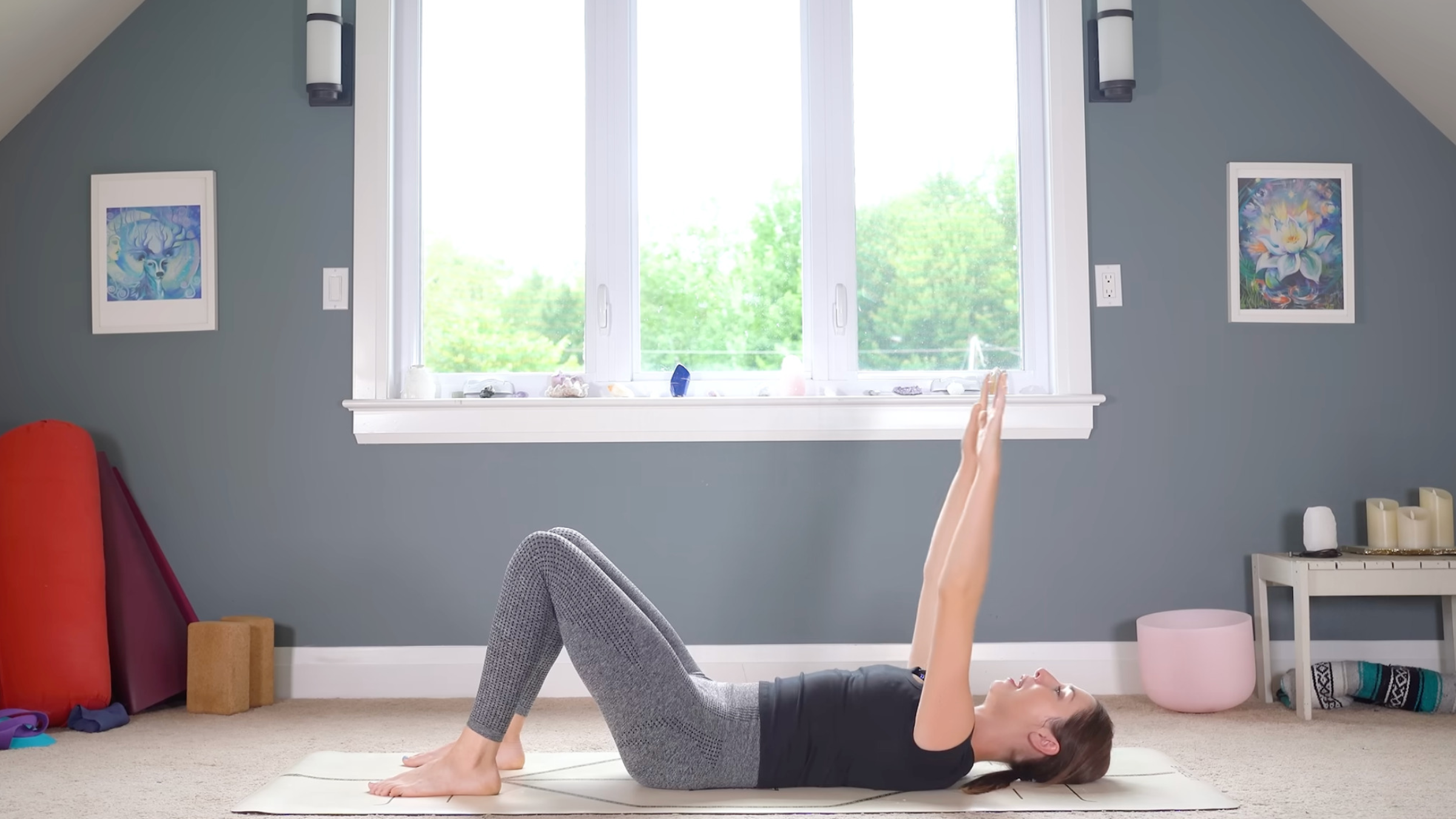
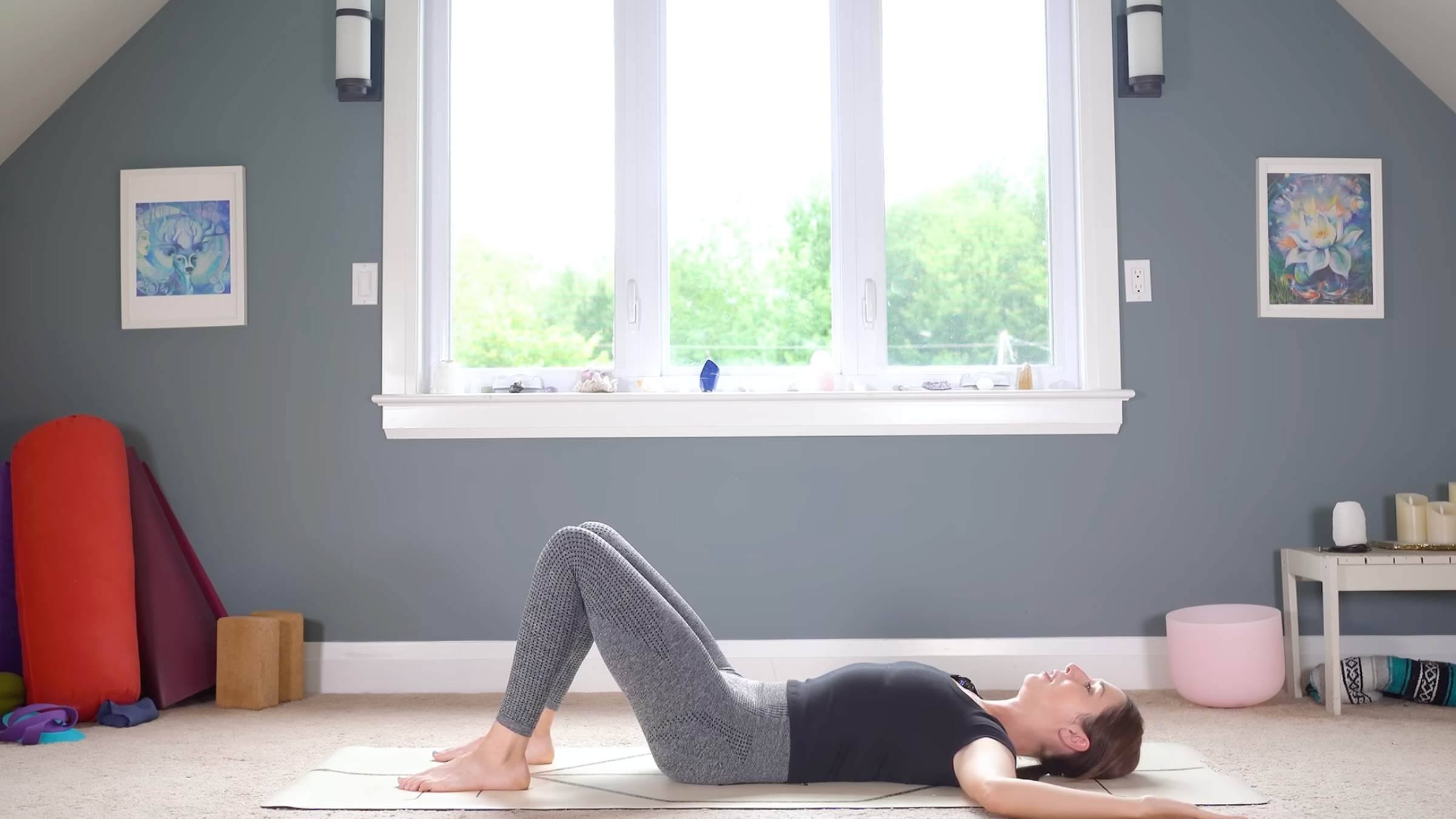
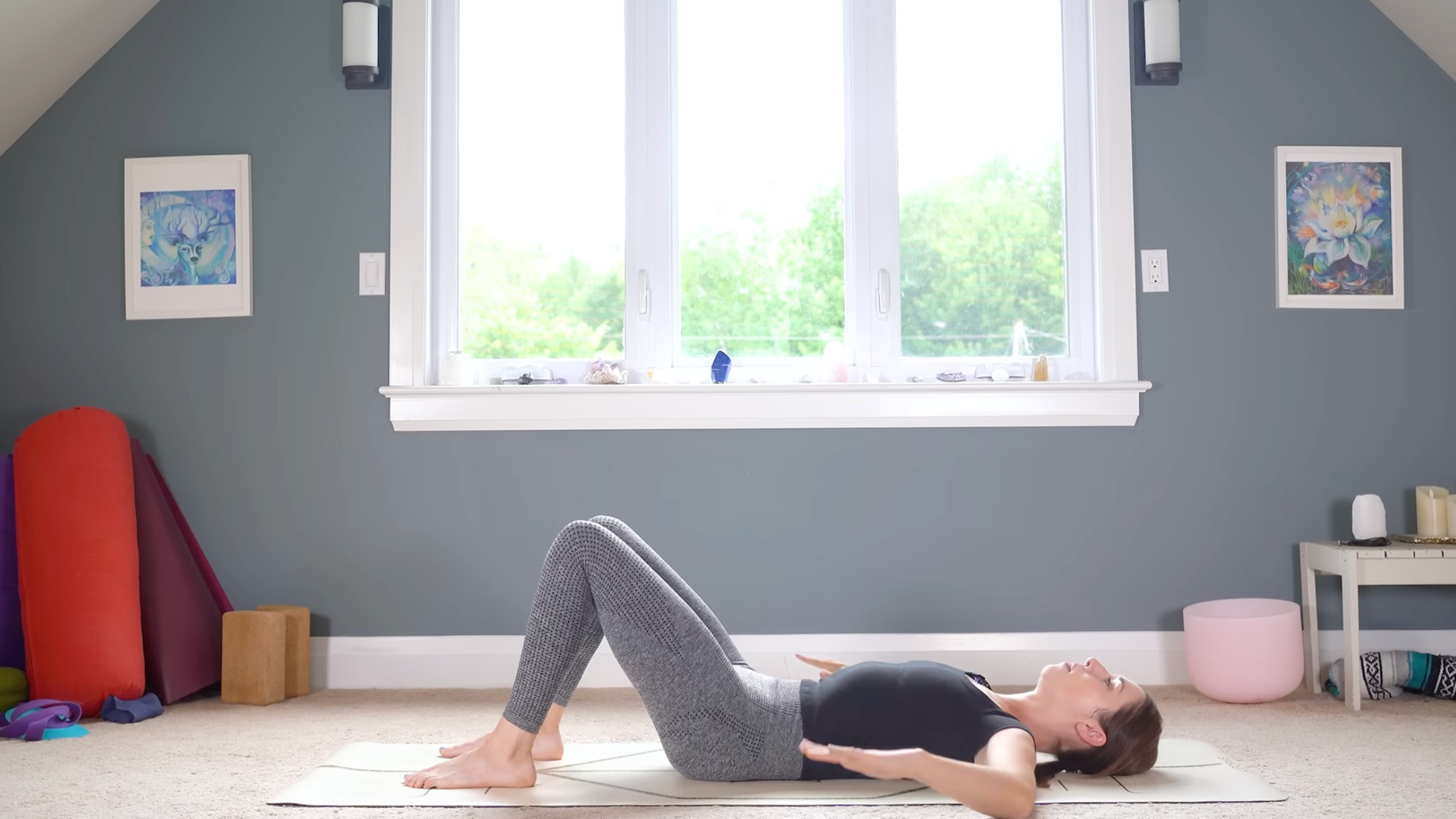
The sequence initiates on the mat in a reclined position. Practitioners begin by lying supine with knees bent and feet flat, consciously pressing the lumbar spine downward to neutralize the natural curve of the lower back. Arms are initially extended overhead to facilitate an immediate, gravity-assisted opening across the chest and anterior shoulders. Through a series of fluid, breath-synchronized movements—floating the arms from the floor toward the ceiling on inhales and returning them on exhales—participants engage in gentle scapular mobilization.
The reclined segment progresses into external rotation work via cactus arms, challenging the shoulder girdle’s range of motion while maintaining constant contact between the thoracic spine and the floor. Further refinement of shoulder mobility is achieved by isolating the forearms and wrists, rotating them from vertical alignment down toward the mat without triggering compensatory tension in the neck or jaw.
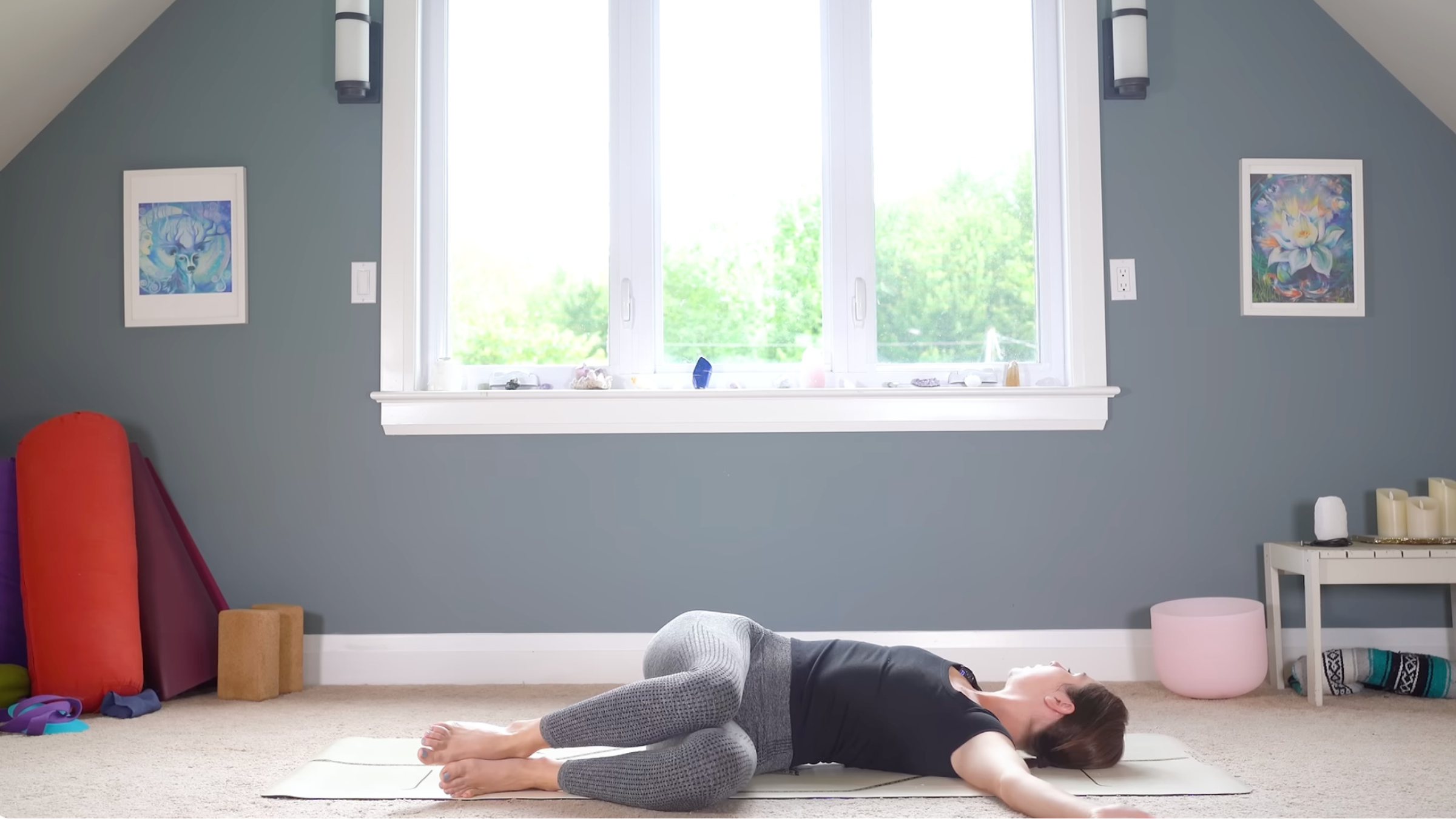
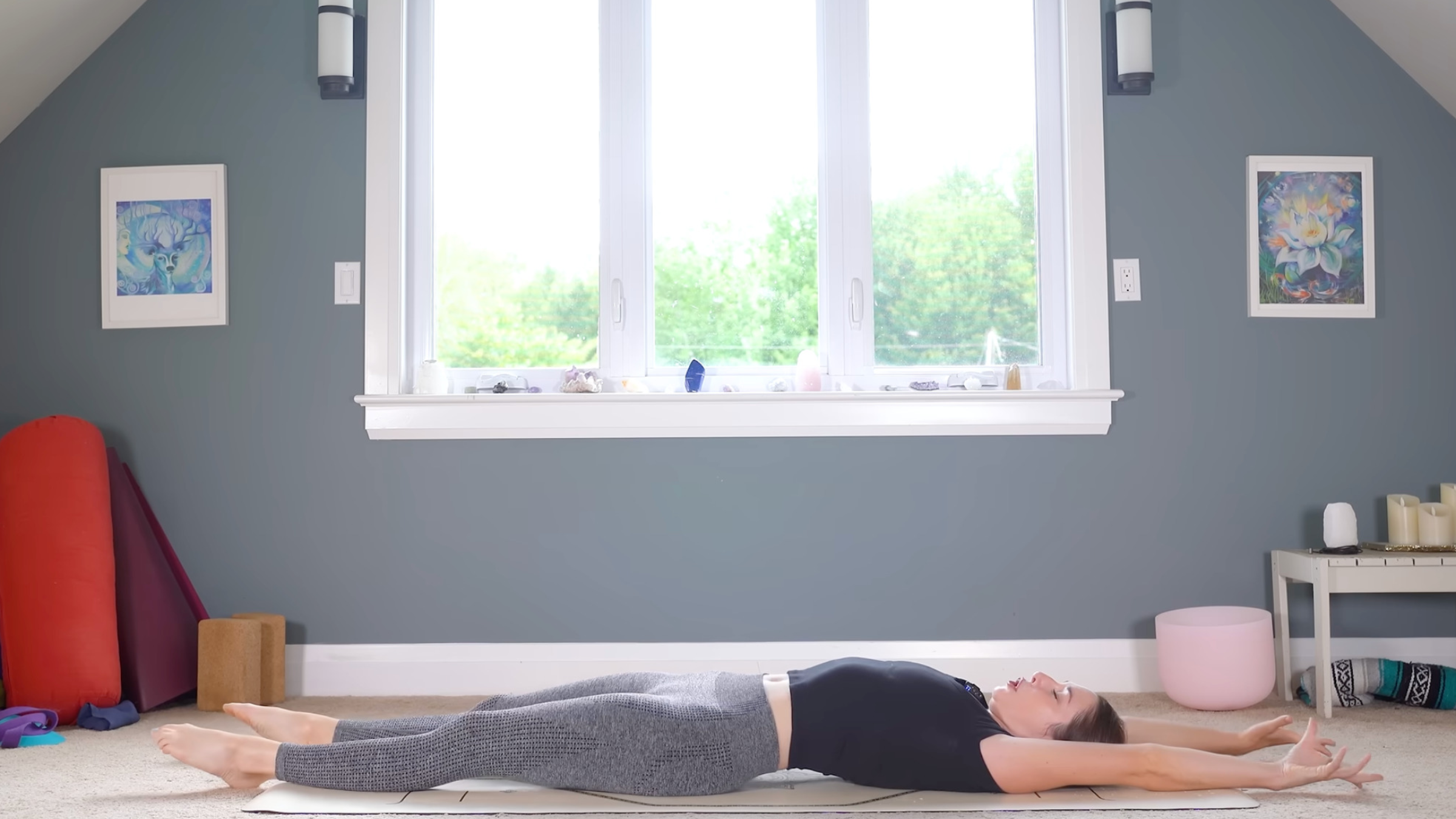
Transitioning from the initial supine phase, the routine incorporates reclined twists and full-body stretches to address the interconnected fascia of the torso and spine. By shifting the hips laterally and dropping the knees to the opposite side while keeping the upper back anchored, practitioners target the oblique kinetic chains and release the thoracic vertebrae.
Progression to Seated and Prone Movements
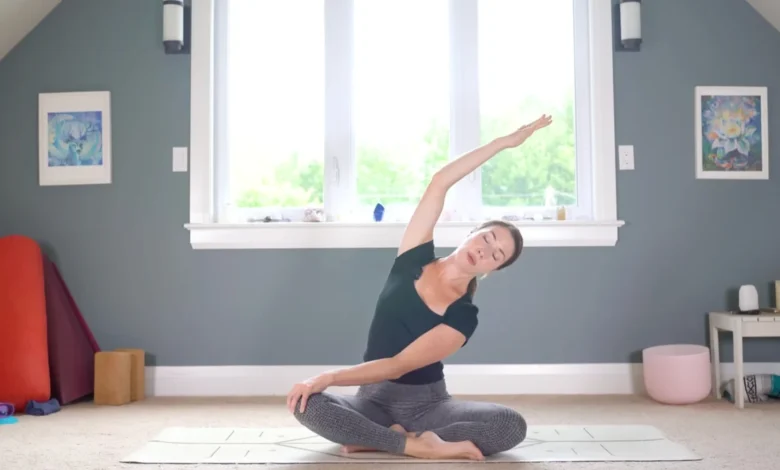
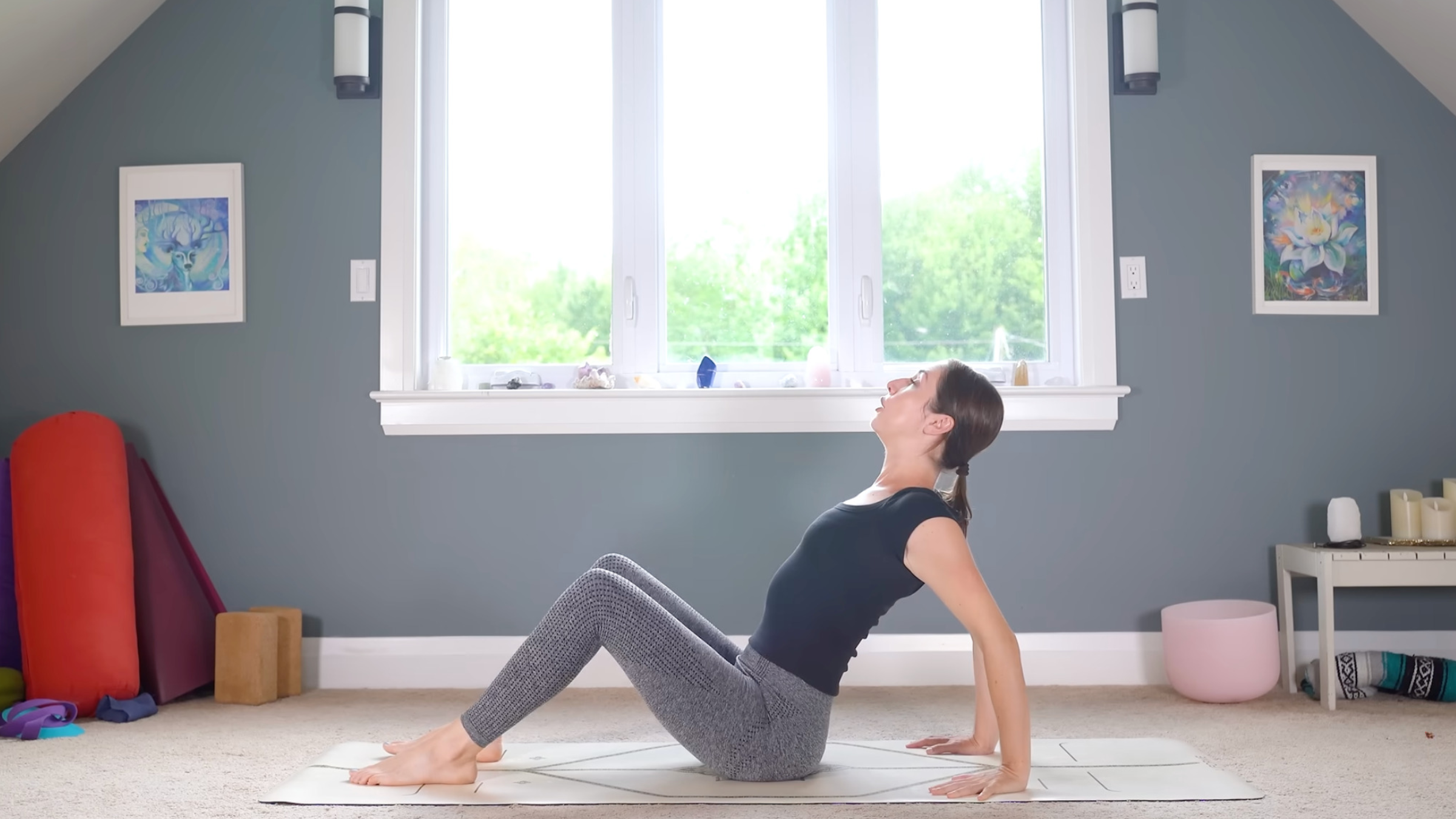
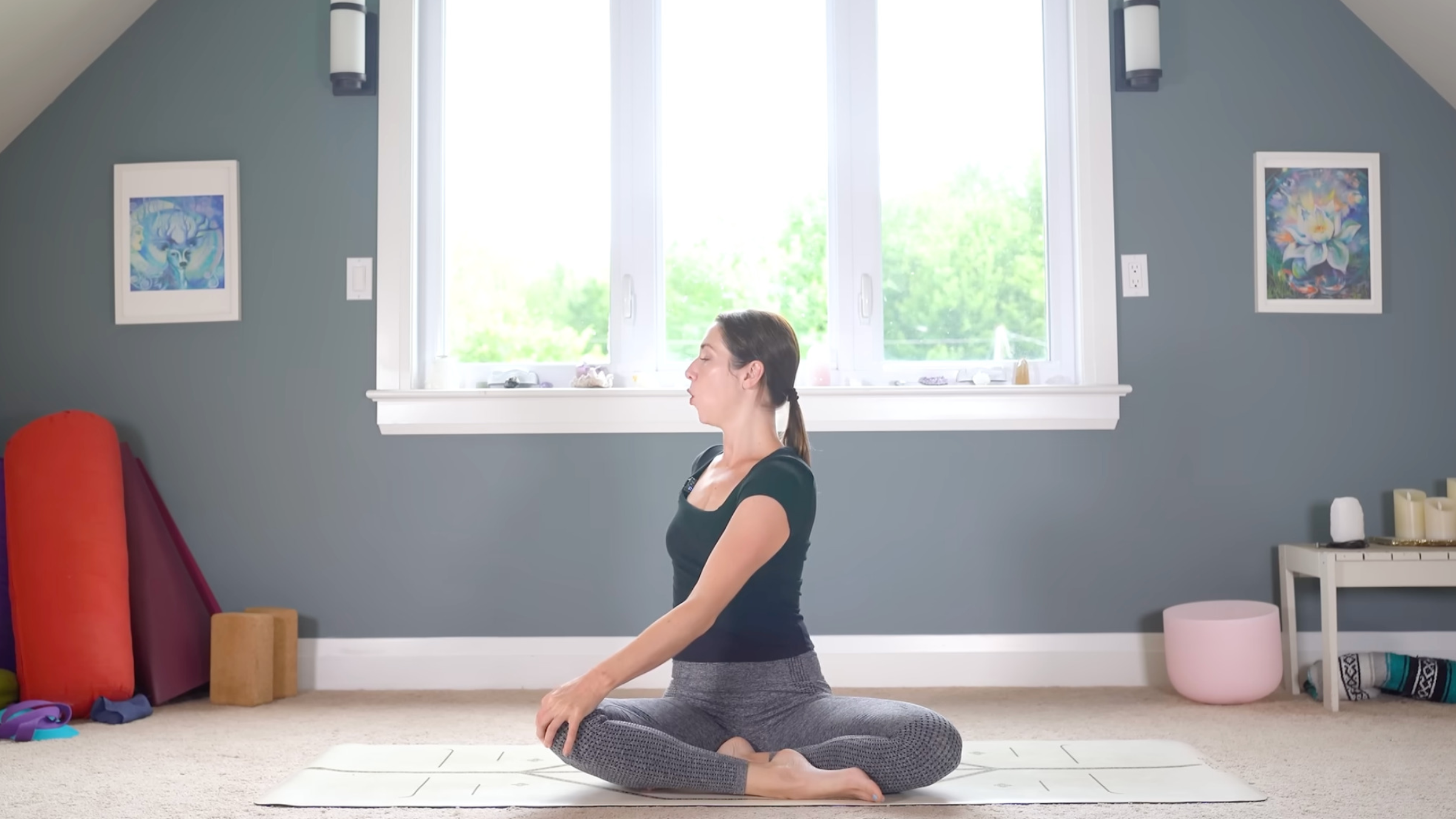
Midway through the sequence, the practice shifts to seated postures designed to encourage upright posture and thoracic extension. Seated shoulder squeezes—executed by placing hands behind the body, bending the elbows, and drawing the shoulder blades together—provide a mild, isometric strengthening stimulus to the upper back. This is balanced by cross-legged seated twists and lateral side bends, which lengthen the latissimus dorsi and intercostal muscles while offering gentle traction to the cervical spine through mindful head positioning.
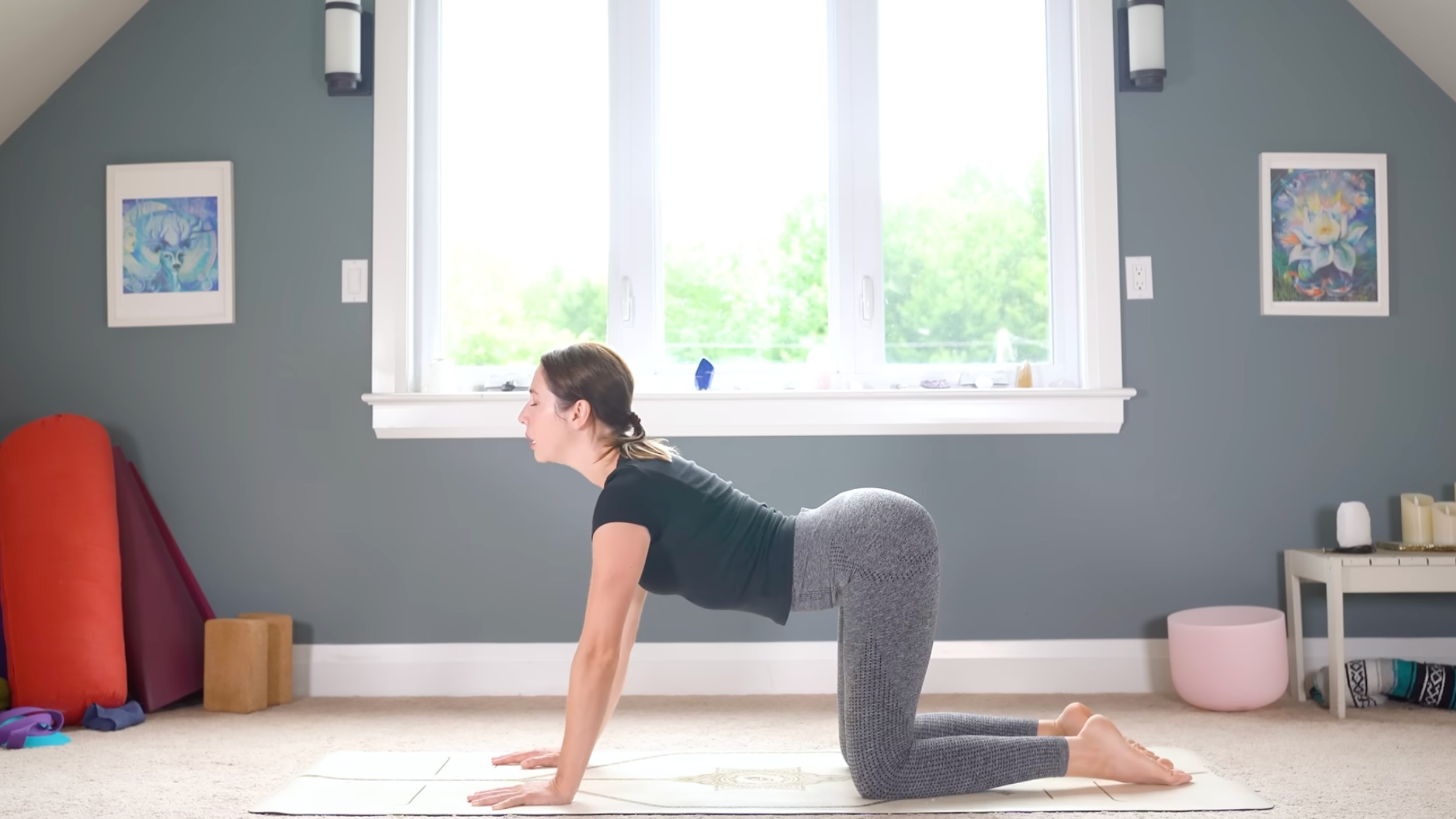
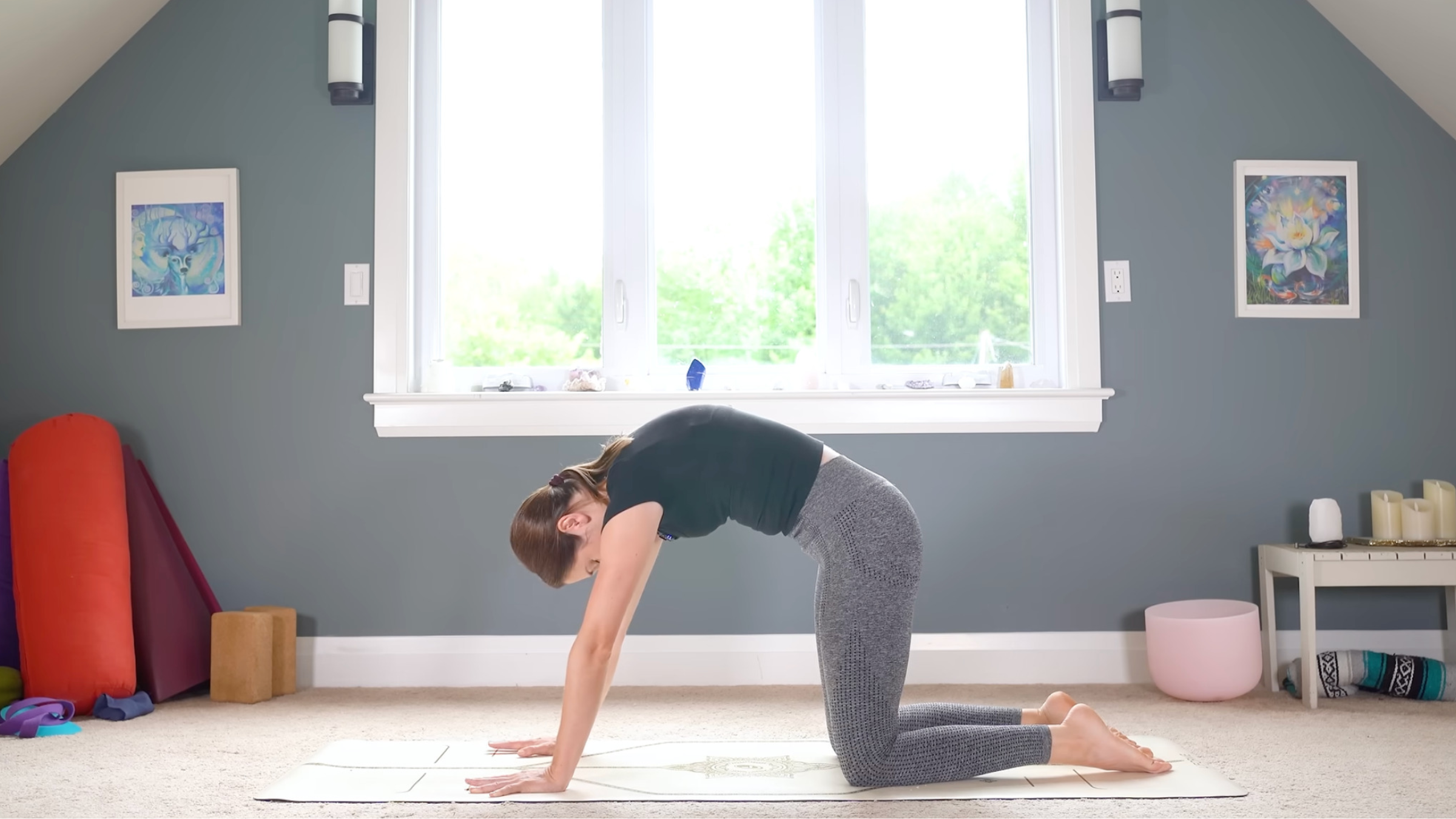
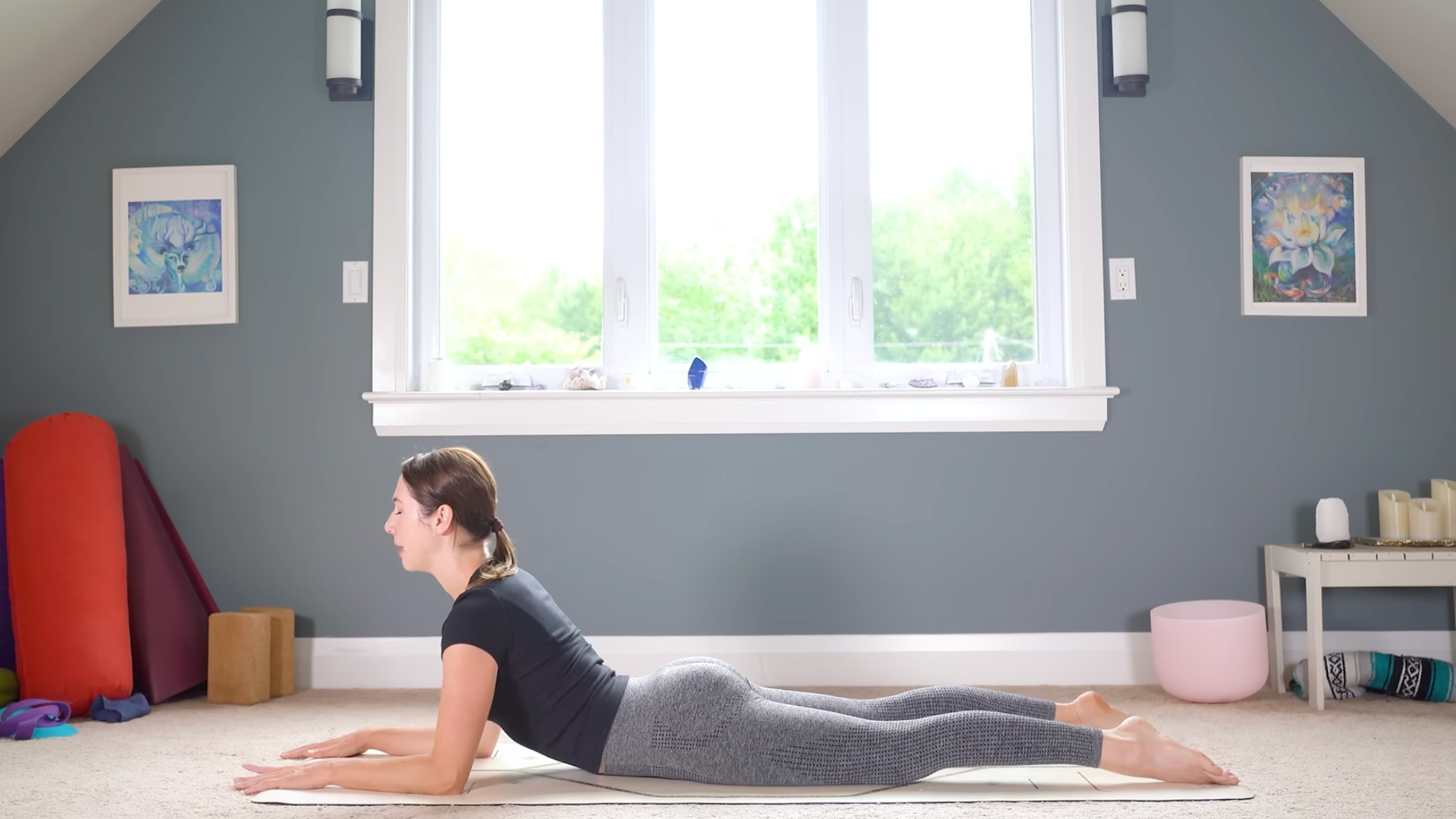
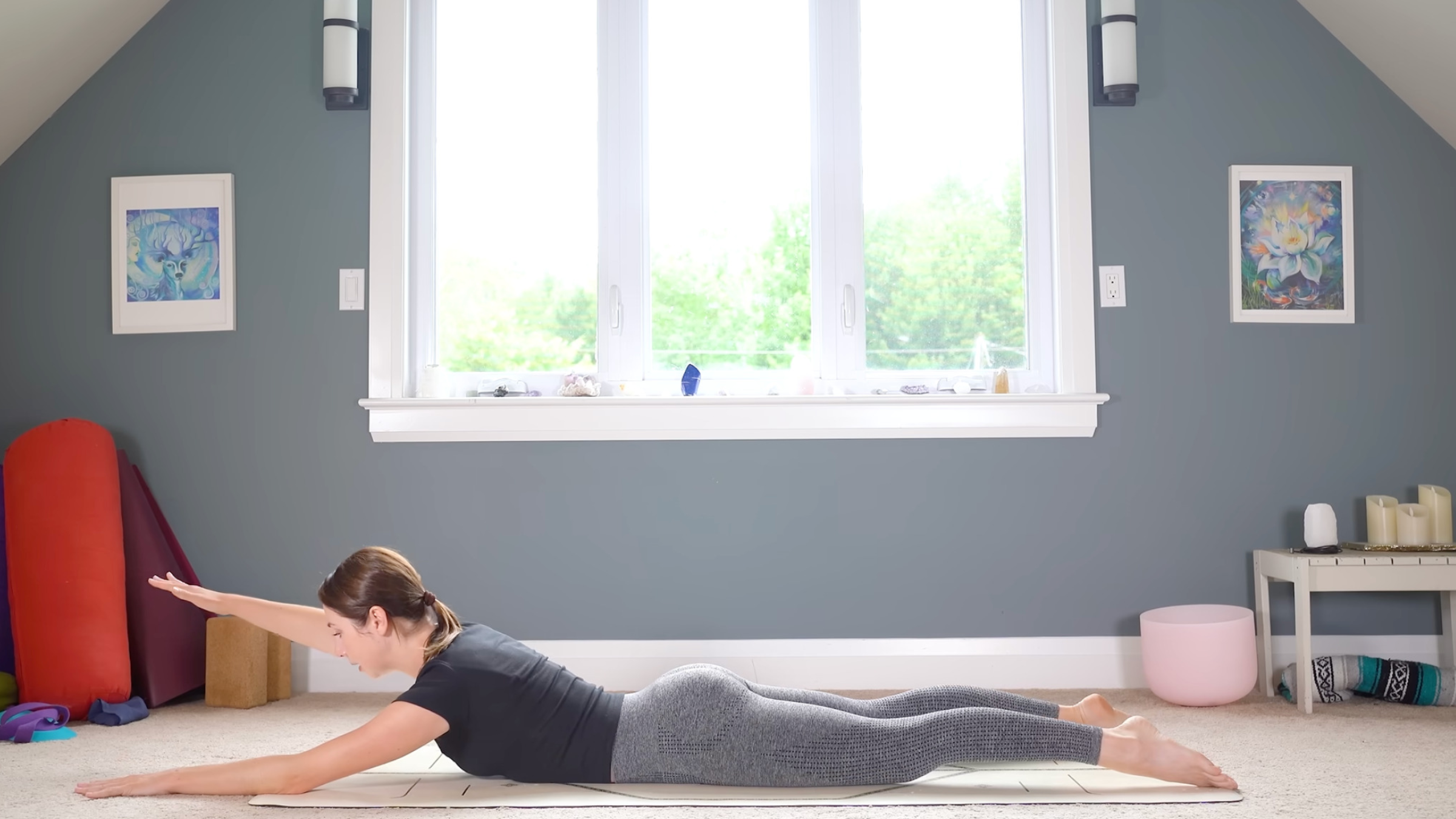
Moving to a quadruped position, the routine utilizes traditional Cat-Cow articulations. This dynamic spinal flexion and extension serves to lubricate the intervertebral discs and release paraspinal tension. The prone phase introduces Sphinx Pose and targeted unilateral arm lifts, offering a low-load endurance challenge for the posterior chain. These movements are crucial for counteracting the postural collapse associated with prolonged desk work by actively engaging the rhomboids and lower trapezius.
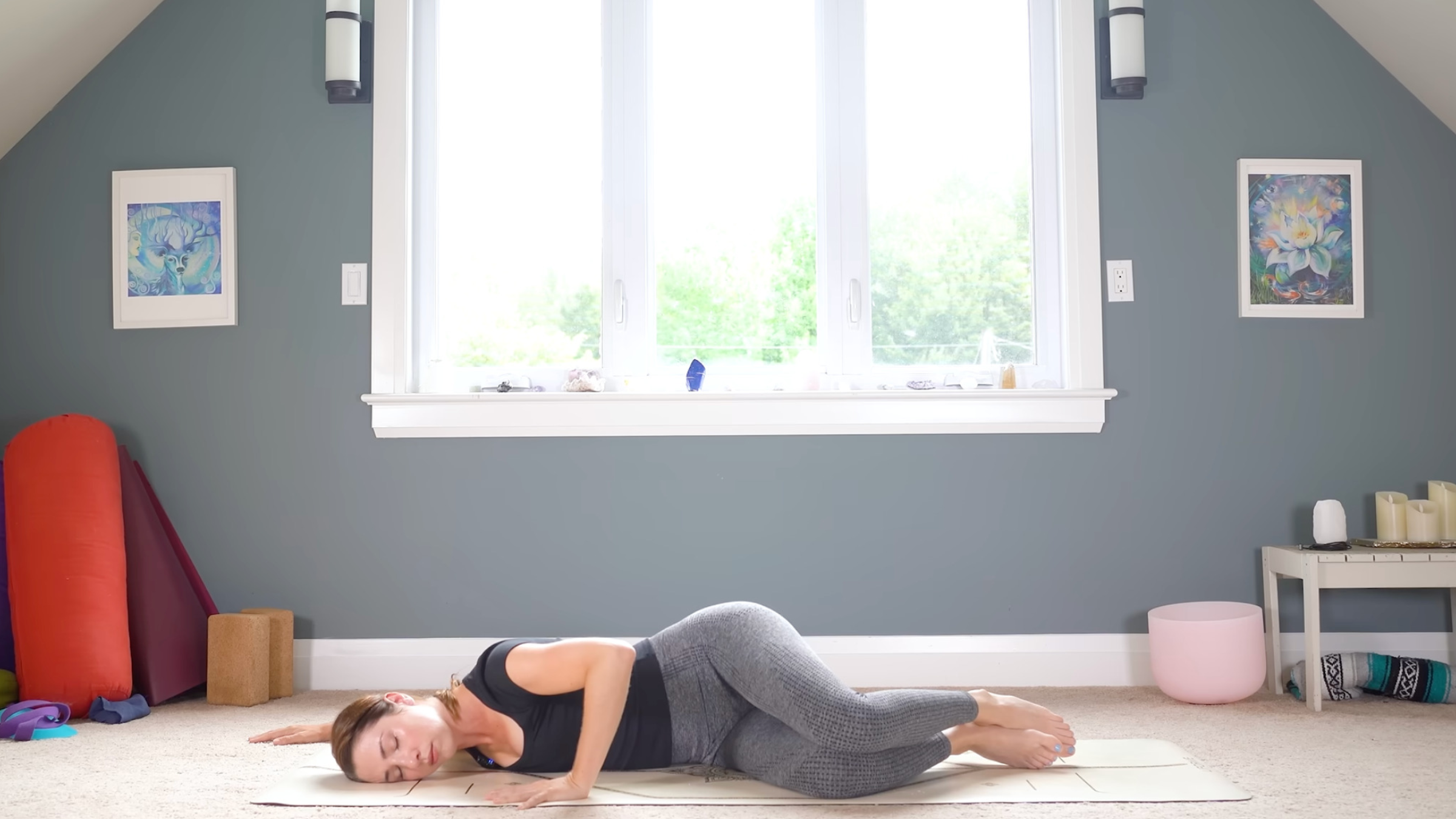
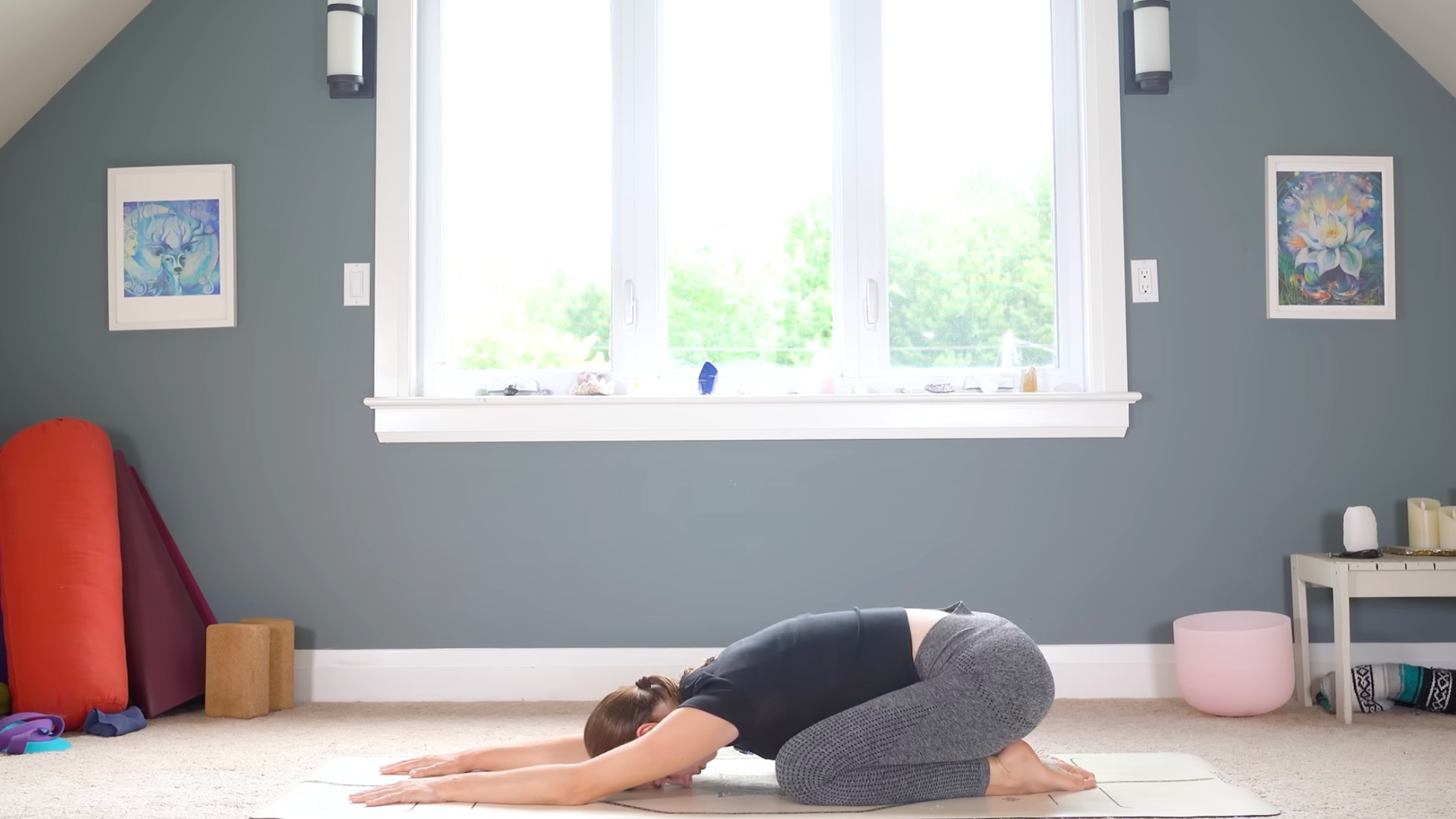
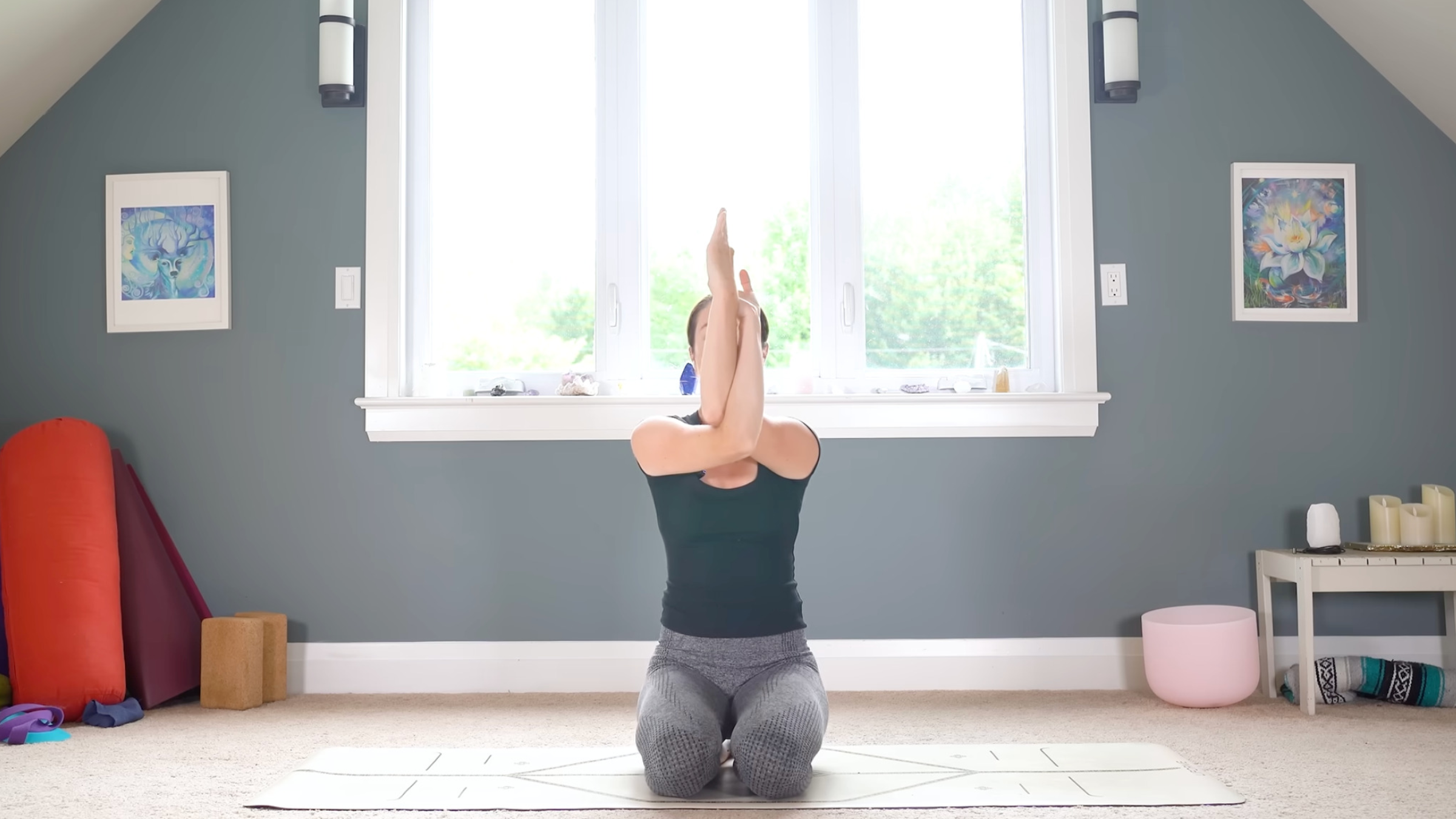
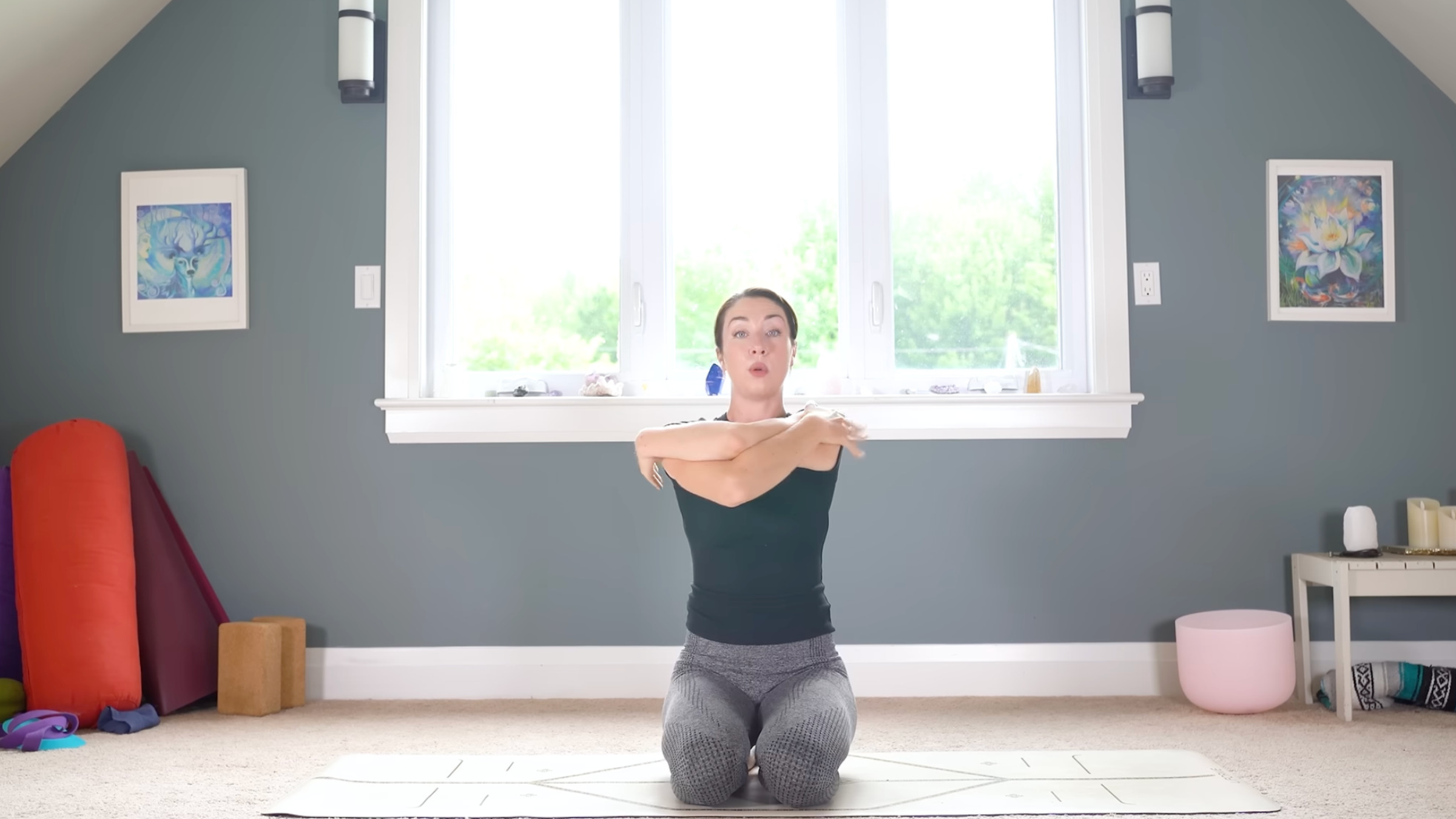
The sequence culminates in deeply restorative shapes, including the Broken Wing pose—a targeted chest and anterior shoulder opener performed in a side-lying orientation—followed by Child’s Pose to decompress the lower back. The routine concludes with seated Eagle Arms, which mechanically separate the shoulder blades to stretch the posterior rhomboids, and a final seated meditation focused on breath awareness and sensory integration.
Expert Analysis and Physiological Implications
Sports medicine specialists and kinesiologists have long advocated for the inclusion of low-intensity mobility work in daily wellness regimens. Unlike high-intensity resistance training, which focuses on muscular hypertrophy and force production, restorative yoga practices prioritize neuromuscular re-education and parasympathetic nervous system activation.
From a physiological perspective, holding passive stretches for sustained durations—such as those utilized in the reclined shoulder and chest-opening phases—signals the Golgi tendon organs to reduce muscle tension, allowing the muscle fibers to lengthen safely. Concurrently, the incorporation of diaphragmatic breathing during these stretches stimulates the vagus nerve, reducing heart rate and mitigating the cortisol spikes frequently associated with chronic physical discomfort.
Public health analysts note that the proliferation of digital, home-based wellness routines marks a significant shift in preventative healthcare. As healthcare systems globally grapple with the economic burdens of chronic musculoskeletal disorders, accessible, self-guided interventions empower individuals to take an active role in managing their physical well-being. By dedicating just fifteen minutes a day to structured decompression, practitioners can significantly reduce the incidence of debilitating tension headaches and repetitive strain injuries.
Broader Impact on Workplace Wellness and Ergonomics
The release of targeted routines like this 15-minute neck and shoulder practice aligns with broader corporate wellness initiatives. Modern employers increasingly recognize that employee productivity and ergonomic health are inextricably linked. Forward-thinking organizations are beginning to integrate mandatory movement breaks, ergonomic education, and accessible digital wellness resources into their operational frameworks.
Furthermore, the democratization of fitness content via digital platforms ensures that evidence-based movement strategies are no longer restricted to elite training facilities or specialized clinical settings. Individuals working in remote, hybrid, or traditional office environments can access therapeutic-grade movement instruction instantaneously, bridging the gap between clinical recommendation and daily execution.
Ultimately, while a 15-minute yoga routine is not a medical cure for underlying structural pathologies, it represents a valuable, evidence-based tool for proactive self-care. By fostering greater body awareness, enhancing joint mobility, and counteracting the postural deficits of contemporary life, such practices offer a sustainable pathway toward long-term physical resilience and improved quality of life.