The Clinical Context of Obstructive Sleep Apnea
Obstructive sleep apnea is characterized by repetitive pauses in breathing during sleep, caused by the collapse of the upper airway. These events, known as apneas or hypopneas, lead to fragmented sleep, oxygen desaturation, and significant cardiovascular strain. Untreated OSA is strongly linked to a heightened risk of hypertension, stroke, type 2 diabetes, and motor vehicle accidents caused by excessive daytime fatigue.
While CPAP therapy remains the clinical gold standard for severe OSA, patient adherence remains a persistent challenge in the field. Many patients find CPAP masks uncomfortable, noisy, or cumbersome to travel with, leading to high rates of treatment discontinuation. Oral appliance therapy provides a critical alternative. These custom-fitted devices—which resemble orthodontic retainers—are designed to shift the jaw forward or stabilize the tongue to prevent airway obstruction. Because the therapy is non-invasive and portable, it often boasts higher long-term adherence rates, making the expansion of qualified dental providers a vital public health objective.
Chronology and Evolution of the AADSM Qualified Dentist Program
The journey to reaching 2,500 qualified practitioners did not happen overnight. The AADSM has spent over a decade formalizing the standards for dental sleep medicine to ensure that oral appliances are not merely sold as commodities, but provided as medical interventions.
The initiative began with the development of rigorous, evidence-based educational pathways. Unlike general dentistry, dental sleep medicine requires a specialized understanding of respiratory physiology, the mechanics of sleep-disordered breathing, and the complex interplay between dental structures and airway patency. In the early 2010s, the AADSM began standardizing its curriculum to ensure that any dentist claiming expertise in the field possessed a baseline of clinical competency.
Over the last five years, the academy accelerated its certification outreach. By implementing digitized learning modules and regional workshops, the AADSM made it easier for practitioners in rural and underserved areas to complete the necessary training. The 2,500-dentist milestone is the culmination of this systematic push to decentralize sleep medicine, shifting the burden of care from large, often overburdened sleep centers to local dental offices.
The Role of Evidence-Based Practice
The AADSM Qualified Dentist designation is not a casual credential; it represents a commitment to a standardized, interdisciplinary workflow. A critical component of this training involves the "medical model" of dental sleep medicine. This model mandates that a dentist must never operate in a silo. Instead, the AADSM protocol requires that patients undergo a formal diagnostic sleep study conducted by a physician or sleep specialist before a dentist initiates therapy.
Once a diagnosis is confirmed, the qualified dentist works in tandem with the physician to monitor the patient’s progress. This includes:
- Initial Assessment: Evaluating the patient’s dental health, temporomandibular joint (TMJ) function, and airway anatomy.
- Custom Fabrication: Designing a device tailored to the patient’s specific physiological needs, rather than using generic, over-the-counter boil-and-bite options.
- Titration and Monitoring: Adjusting the device over several weeks or months to reach the optimal position that maximizes airway space while maintaining patient comfort.
- Long-term Follow-up: Ensuring that the device remains effective over years, as anatomical changes or shifts in weight can alter a patient’s OSA severity.
Official Perspectives and Strategic Vision
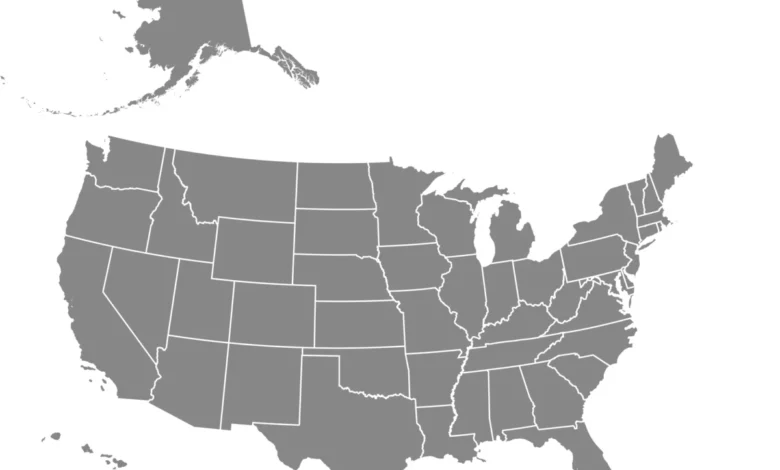
In a formal statement regarding this achievement, Dr. Paul Jacobs, president of the AADSM, emphasized the importance of geographic accessibility. "Reaching 2,500 AADSM Qualified Dentists is an important milestone for patients who need convenient access to high-quality care close to home," Dr. Jacobs noted. He highlighted that the goal is to bridge the gap between diagnosis and treatment. Often, patients receive a diagnosis of OSA but struggle to find a local provider who can offer an alternative to CPAP, leading to a period of treatment stagnation. By ensuring that there is a qualified practitioner in every state, including Washington, DC, and Puerto Rico, the AADSM is effectively removing the geographic barrier to therapy.
The academy’s leadership maintains that this expansion is not merely about increasing numbers, but about ensuring the quality of the therapeutic outcomes. The network functions as a searchable database, allowing patients and primary care physicians to identify practitioners who have met the academy’s high standards for clinical training and ongoing education.
Implications for Healthcare Systems and Patient Access
The widespread availability of OAT providers has profound implications for the broader healthcare ecosystem. As the prevalence of obesity and an aging population contribute to rising rates of sleep apnea, the demand for treatment is expected to surge.
Economic and Health System Efficiency
Integrating dental sleep medicine into the standard care pathway can alleviate the strain on sleep labs and respiratory therapists. When a patient is identified as a candidate for OAT, the primary care physician can refer them to a local qualified dentist, freeing up the limited resources of specialized sleep clinics for more complex or comorbid cases. This transition to a team-based model can lead to faster "time-to-treatment" intervals, which is essential for improving long-term health outcomes for OSA patients.
Closing the Gap in Rural Healthcare
One of the most significant impacts of the AADSM’s network is the inclusion of rural and suburban areas that have historically been "sleep medicine deserts." In many regions, the nearest certified sleep center might be hundreds of miles away. However, nearly every community has access to a dental practice. By training local dentists to manage OSA, the AADSM is essentially democratizing access to high-quality care, ensuring that patients in remote locations do not have to compromise on the efficacy of their treatment due to travel constraints.
Looking Ahead: The Future of Oral Appliance Therapy
The achievement of 2,500 qualified dentists is viewed by industry analysts as a foundation rather than a finish line. As technology continues to evolve, the integration of digital dentistry—such as intraoral scanning and 3D printing—is expected to further streamline the OAT workflow. These advancements allow dentists to create custom-fit devices with greater precision and shorter turnaround times, further enhancing the patient experience.
Furthermore, the AADSM is continuing to advocate for insurance coverage parity and improved reimbursement structures. The growth of the network strengthens the academy’s position in discussions with private insurers and government health programs, providing the leverage needed to ensure that OAT is recognized as a standard, covered medical expense.
As the medical community continues to shift toward personalized medicine, the role of the dentist in the management of systemic health conditions like OSA will likely expand. The AADSM’s focus on interdisciplinary collaboration—ensuring that physicians and dentists communicate effectively—will remain the cornerstone of this evolution. By prioritizing evidence-based practice and geographic accessibility, the academy has established a blueprint for how professional organizations can successfully scale niche medical services to meet a growing public health need. For the millions of patients currently struggling with the side effects of untreated sleep apnea, this network represents a significant step toward a better night’s rest and a healthier, more active life.