The Evolution of GLP-1 Medication and the Changing Role of Health and Fitness Coaching

In 2017, the landscape of weight management shifted irrevocably when the FDA approved the first semaglutide injections for chronic weight management. Initially, these medications—collectively known as GLP-1 receptor agonists—were viewed by many in the health and fitness industry as a distant, theoretical disruption to traditional coaching models. Skeptics questioned their efficacy, and the high cost combined with limited accessibility kept them on the periphery of the average fitness client’s life. However, by 2026, the market has undergone a dramatic transformation. Today, more than 10 percent of U.S. adults are actively utilizing GLP-1 medications, turning what was once a niche clinical intervention into a mainstream health phenomenon that has forced a fundamental recalibration of how fitness professionals define their value.
A Chronology of the GLP-1 Expansion
The trajectory of GLP-1 adoption can be traced through several distinct phases. Following the 2017 approval of semaglutide, the industry spent roughly three years in a phase of relative stagnation, where awareness was confined largely to endocrinology circles. The turning point arrived during the 2021–2022 period, as social media influence and increased insurance coverage propelled GLP-1s into the public consciousness.
By 2024, shortages of these medications became common headlines, signaling a shift from a "theoretical threat" to a practical reality for the average person. Now, in 2026, the conversation has moved beyond the simple existence of the drugs. Coaches and medical professionals are no longer asking if these medications are here to stay; they are grappling with the reality of how to integrate pharmaceutical support with sustainable, long-term lifestyle habits.
Supporting the Modern Client: A Paradigm Shift
For years, the fitness industry operated on a foundational premise: that weight loss is purely the result of caloric manipulation and physical training. The arrival of GLP-1s has challenged this narrative, necessitating a move toward what experts describe as the "GLP-1 support world." According to Kate Solovieva, Director of Community at Precision Nutrition, the most effective coaches are those who stop viewing their market as simply "everyone" and instead focus on a specific subgroup: people on GLP-1 medications who are actively seeking professional support.
This shift recognizes that, while medication can address the biological drivers of obesity, it does not inherently teach the behavioral skills required for long-term health maintenance. Coaches who attempt to impose rigid, traditional protocols on clients who are already navigating complex hormonal and metabolic changes often face resistance. Instead, the current gold standard for coaching involves a dynamic, client-centered approach that adapts to the individual’s stage of their medical journey.
Mapping the Seven Archetypes of the GLP-1 User
To navigate this landscape, industry experts have identified seven distinct archetypes of clients, each requiring a tailored coaching strategy.
-
The Honeymooner: This client is in the initial stages of medication, experiencing rapid, effortless weight loss with minimal side effects. The "righting reflex"—the urge for a coach to immediately lecture them on the necessity of strength training—often backfires here. These clients are frequently satisfied with their current progress, and the coach’s best strategy is to build rapport, celebrate the initial success, and remain available for when the initial "easy" results eventually plateau.
-
The Ambivalent Candidate: These individuals are at the threshold of starting medication but are paralyzed by the fear of side effects or the social stigma surrounding pharmacological weight management. Coaches serve as vital sounding boards here, utilizing tools like the "4 Crazy Questions" framework to help clients explore the pros and cons of both starting and not starting treatment. The primary goal is to guide the client toward clarity in partnership with their medical provider, rather than providing medical advice.

-
The Ready-to-Quitter: Despite seeing weight loss results, these clients often struggle with severe gastrointestinal side effects such as nausea, vomiting, and extreme fatigue. This is a critical stage where coaching moves from exercise programming to symptom management support. By encouraging food journaling and suggesting the consumption of smaller, more frequent meals, coaches can help clients manage symptoms while they work with their physicians to optimize dosages.
-
The Muscle-Loss Risk: Perhaps the most critical area for coach intervention is the preservation of lean mass. Studies indicate that up to 40 percent of weight lost via GLP-1s can come from muscle tissue. Coaches must shift the client’s focus from the scale to body composition. Encouraging a baseline DEXA scan and prioritizing protein intake—typically 25–40 grams per meal—are essential strategies to ensure that the weight being lost is fat, not the metabolic engine of the body.
-
The Under-Fueler: In some cases, the appetite suppression provided by the medication is so profound that clients essentially stop eating. This presents a dangerous risk of nutrient deficiency and muscle wasting. Coaches must be prepared to identify the signs of disordered eating or simple malnutrition and, when necessary, initiate a referral to a licensed dietitian or medical professional.
-
The Graduate: As clients transition off the medication, the risk of rapid weight regain is significant. Data suggests that those who do not adopt sustainable behavioral habits while on the drug often return to their starting weight within 18 months. The coach’s role here is to treat the transition period as the true beginning of the client’s long-term success, emphasizing the "ruts" of habit formation that will sustain them when the chemical appetite suppression is removed.
-
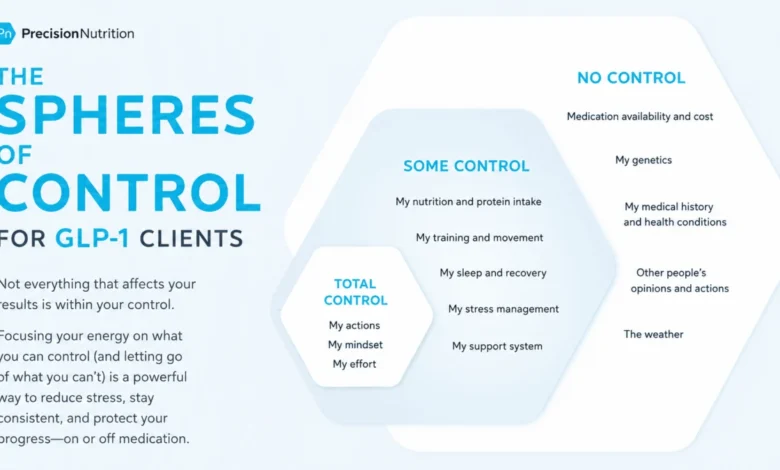
The Priced-Out: External factors, such as insurance policy changes or financial hardship, often force clients to stop medication abruptly. This can lead to profound feelings of shame and failure. Coaches are instrumental in helping these clients reframe the situation as a systemic issue rather than a personal one, focusing the client’s energy on the "spheres of control"—the lifestyle habits, sleep, and movement patterns that remain within their reach regardless of their medication access.
Data-Driven Implications for Future Coaching
The broader impact of these medications on the fitness industry is profound. Research highlights that individuals who integrate resistance training and consistent, high-quality nutrition while using GLP-1s are four times more likely to maintain their weight loss after ceasing the medication compared to those who do not. This creates a clear mandate for the industry: the future of coaching lies in the integration of science-based habit formation with pharmacological support.
Medical professionals and health coaches are increasingly forming symbiotic relationships. Physicians provide the chemical intervention necessary to address the metabolic disease, while coaches provide the behavioral "ruts"—the neural pathways and physical habits—that ensure long-term health. The goal is no longer just weight loss; it is the fundamental change of identity. A client who learns to prioritize protein, resistance training, and sleep while on medication is effectively building a "new person" who can navigate life successfully, with or without the aid of pharmaceuticals.
Conclusion
As of 2026, the fitness industry has largely moved past the stage of viewing GLP-1 medications as a threat to their existence. Instead, the rise of these drugs has professionalized the coaching sector. By adopting a nuanced, evidence-based, and highly supportive role, coaches can bridge the gap between temporary medical intervention and permanent lifestyle change. The success of the modern client depends on this partnership—one that respects the complexity of metabolic health while steadfastly holding onto the principles of behavioral science that define sustainable wellness.