Mediterranean Bean Salad: A Nutritional and Economic Approach to Meal Preparation

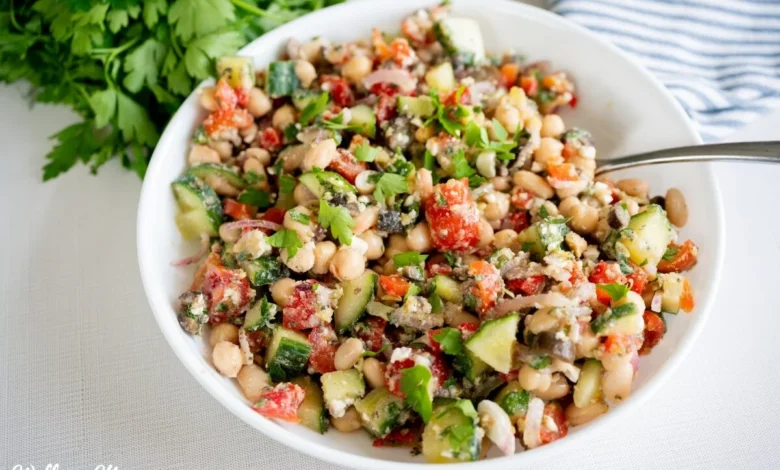
The Mediterranean diet has long been recognized by health organizations, including the World Health Organization and the American Heart Association, as one of the most effective nutritional frameworks for long-term health. Central to this dietary pattern is the reliance on plant-based proteins, healthy fats, and fresh produce. The Mediterranean bean salad has emerged as a practical application of these principles, offering a shelf-stable, nutrient-dense solution for individuals navigating the complexities of modern, time-constrained meal planning. By prioritizing shelf-stable legumes and fresh, crisp vegetables, this dish provides a viable alternative to ultra-processed convenience foods.
Nutritional Profile and Dietary Significance
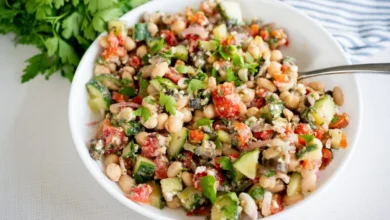
From a clinical nutrition perspective, the Mediterranean bean salad offers a balanced macronutrient profile. The combination of chickpeas (garbanzo beans) and cannellini beans provides a robust foundation of complex carbohydrates and dietary fiber. According to the U.S. Department of Agriculture (USDA), a single serving of a bean-based salad can provide approximately 25% of the recommended daily intake of fiber, which is critical for glycemic control and digestive health.
The dressing, typically formulated with extra virgin olive oil, introduces monounsaturated fatty acids—specifically oleic acid—which are associated with reduced inflammation and improved cardiovascular markers. The addition of fresh herbs, such as parsley, mint, and oregano, serves more than a sensory purpose; these botanicals are rich in polyphenols and antioxidants, which play a significant role in mitigating oxidative stress within the body. When combined with feta cheese, the dish achieves a complete protein profile, providing essential amino acids that are often lacking in strictly vegetarian diets.
The Economics of Batch Cooking and Meal Prep
The rise of "batch cooking"—the practice of preparing large quantities of food to be consumed over several days—has become a dominant trend in household management. Recent data suggests that families who engage in consistent meal prep reduce their grocery expenditure by an average of 15% to 20% by minimizing food waste and decreasing the reliance on impulse-driven restaurant purchases.
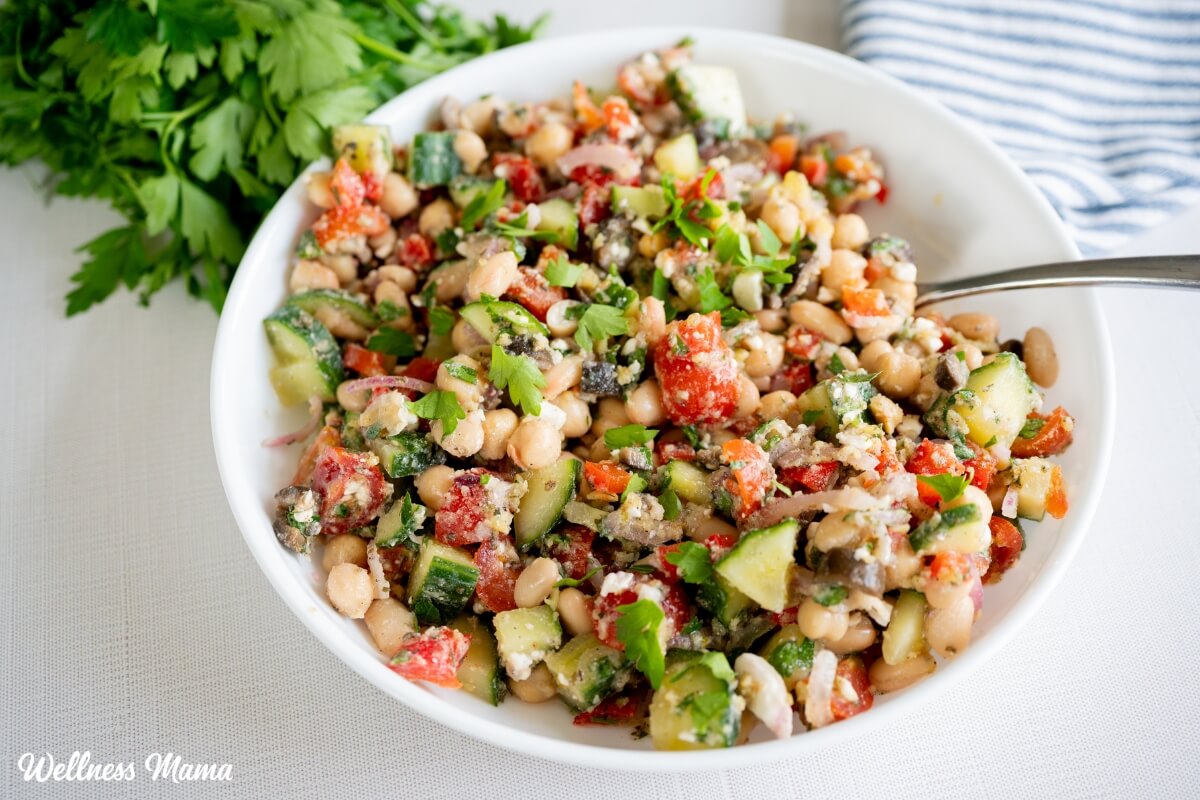
The Mediterranean bean salad is particularly well-suited for this model because it does not rely on fragile leafy greens. Unlike traditional salads that wilt within hours of being dressed, the structure of beans and hearty vegetables like bell peppers, tomatoes, and cucumbers allows the dish to maintain its integrity for 72 to 96 hours under proper refrigeration. This durability addresses a primary pain point for consumers: the degradation of fresh produce. By utilizing a Mason jar or an airtight container, the structural integrity of the ingredients remains intact, and the maceration process—where the vegetables absorb the acidity of the lemon juice and the lipids of the oil—actually enhances the flavor profile over time.
Historical Context and Culinary Evolution
The tradition of combining legumes with aromatics and oils is not a modern innovation; it is a culinary technique that has existed for millennia across the Levant, North Africa, and Southern Europe. Historically, the bean salad was a staple of the "peasant diet," characterized by high-yield crops that could be stored dry and rehydrated as needed.
In the contemporary American food landscape, the transition of the bean salad from a regional specialty to a mainstream meal-prep staple mirrors the broader societal shift toward health-conscious eating. The evolution of the recipe—incorporating varied legumes like Great Northern beans, butter beans, or even the addition of avocado for texture—reflects a move toward "flexible culinary frameworks." Rather than adhering to rigid, single-use recipes, home cooks are increasingly adopting modular cooking, where ingredients are chosen based on seasonal availability and nutritional goals rather than strict adherence to a static list.
Analytical Overview: Impact on Busy Lifestyles
The logistical challenge of maintaining a healthy diet amidst a 40-hour work week is a frequently cited barrier to public health. Analysis of behavioral eating patterns indicates that when healthy options are "ready-to-eat" (RTE), individuals are significantly more likely to choose them over high-sodium, calorie-dense alternatives. The Mediterranean bean salad functions as a "homemade convenience food."
The preparation process is straightforward:
- The Base: Combining pulses (chickpeas and cannellini) provides the satiety-inducing fiber.
- The Crunch: Integrating raw peppers, cucumbers, and tomatoes provides micronutrients and water content.
- The Emulsion: The lemon juice-olive oil vinaigrette acts as both a flavor enhancer and a natural preservative.
- The Integration: Allowing the salad to rest for 15 minutes to an hour ensures that the osmotic pressure allows the dressing to permeate the beans, resulting in a more uniform flavor.
Institutional Reactions and Nutritional Guidance
Dietitians and health policy experts often point to the "bean salad" model as an exemplar of low-glycemic, nutrient-dense eating. While some express concerns regarding the sodium content of canned beans, the nutritional consensus remains that the net benefits of fiber and protein far outweigh the risks, provided that consumers are encouraged to rinse canned legumes thoroughly to reduce sodium levels by up to 40%.
Furthermore, the versatility of the salad allows for regional customization. In Mediterranean regions, the salad is often served as a mezze or a side to grilled lamb or chicken. In the Western context, it is frequently consumed as a standalone meal, often supplemented with lean proteins like canned tuna, grilled tofu, or hard-boiled eggs. This adaptability makes it an essential tool for those attempting to maintain dietary adherence while managing unpredictable daily schedules.
Broader Implications for Public Health
The long-term implication of promoting such recipes is a gradual improvement in public dietary quality. By reducing the reliance on ultra-processed, shelf-stable meals, the individual gains autonomy over their sodium, sugar, and fat intake. The Mediterranean bean salad serves as a case study for how simple, inexpensive, and accessible ingredients can be leveraged to address complex public health issues such as obesity and metabolic syndrome.
As the cost of food continues to fluctuate due to global supply chain challenges, the efficiency of using pulses—a relatively inexpensive and shelf-stable commodity—becomes increasingly important. The ability to produce a meal that is both economically viable and nutritionally sound provides a measure of food security at the household level.
Future Perspectives in Culinary Planning
Looking forward, the trend toward functional meal prep is expected to grow. Future iterations of this dish may incorporate sustainable proteins, such as chickpeas grown with regenerative agricultural practices, or local, seasonal vegetables to further reduce the carbon footprint of the dish. The foundational concept, however, remains unchanged: the synergy of fiber, plant protein, and healthy fats is a reliable, scientifically supported method for sustained energy and health.
In summary, the Mediterranean bean salad is more than a simple side dish; it is a logistical asset for the modern kitchen. Its resilience to refrigeration, its ease of assembly, and its profound nutritional density position it as a cornerstone of efficient, health-conscious meal planning. As individuals continue to seek balance between the demands of their professional lives and their health goals, the adoption of modular, vegetable-forward recipes will remain a vital component of a sustainable lifestyle. By prioritizing whole foods and simple preparation techniques, consumers can successfully navigate the challenges of modern dining without sacrificing quality or health.