Cranberries and Pumpkin Seeds: A Scientific Look at Natural Remedies for Benign Prostatic Hypertrophy

More than 50% of men in their 50s and at least 70% of men over age 60 suffer from benign prostatic hypertrophy, or BPH, commonly known as an enlarged prostate. This widespread condition significantly impacts quality of life by causing burdensome lower urinary tract symptoms (LUTS), such as frequent nighttime urination, urgency, and a weakened stream. While conventional medical treatments offer clinical efficacy, their associated side effects and often poor patient compliance rates frequently compromise their long-term success. The quest for more tolerable and equally effective alternatives has intensified, leading researchers to revisit traditional remedies and put them to rigorous scientific scrutiny. Among the most promising natural interventions currently under investigation are cranberries and pumpkin seeds, which are now demonstrating compelling evidence of their therapeutic potential.
Understanding Benign Prostatic Hyperplasia (BPH) and Its Impact
Benign prostatic hypertrophy is a non-cancerous enlargement of the prostate gland, a small gland located below the bladder in men, which surrounds the urethra. As the prostate grows, it can compress the urethra, obstructing the flow of urine and leading to a spectrum of uncomfortable symptoms. These LUTS are generally categorized into two types: storage symptoms, which include urinary frequency, urgency, and nocturia (waking up at night to urinate), and voiding symptoms, such as hesitancy, intermittency, weak stream, straining, and a feeling of incomplete bladder emptying. The chronic nature of these symptoms can severely disrupt sleep, limit social activities, and diminish overall quality of life, often leading to psychological distress including depression.
Current medical management for BPH typically begins with pharmacological interventions. Alpha-blockers, such as prazosin and terazosin, work by relaxing the smooth muscles in the prostate and bladder neck, thereby improving urine flow. Another class of drugs, 5-alpha reductase inhibitors (e.g., finasteride, dutasteride), function by shrinking the prostate gland over time by blocking the conversion of testosterone to dihydrotestosterone (DHT), a hormone implicated in prostate growth. While these medications can be effective, they are frequently accompanied by undesirable side effects. Alpha-blockers may cause dizziness, fatigue, and retrograde ejaculation, while 5-alpha reductase inhibitors are known to induce sexual dysfunction, including decreased libido and erectile dysfunction, and have been linked to an increased risk of high-grade prostate cancer in some contexts. These side effects are a major contributing factor to the low compliance rates observed with pharmacological treatments. When medication fails to provide adequate relief, or symptoms become severe, surgical procedures become necessary. The most common surgical intervention is transurethral resection of the prostate (TURP), which involves removing excess prostate tissue. While generally effective, surgery carries its own risks, including bleeding, infection, and long-term complications, further underscoring the urgent need for less invasive and better-tolerated treatment options.
The Dietary Connection: Shifting Paradigms in Prostate Health
The growing understanding of BPH has increasingly pointed towards lifestyle and dietary factors as significant influences on its development and progression. Population studies have consistently suggested a protective role for diets characterized by a low intake of animal protein and a high consumption of fruits and vegetables. For instance, research indicates that certain animal products, particularly eggs and poultry, along with refined grains, may be associated with an increased risk of BPH, though other studies have found no significant association with red meat or dairy. This epidemiological evidence forms a crucial backdrop for investigating specific food components for their therapeutic potential.
The journey to identify effective natural remedies has not been without its detours. Historically, various herbs and botanical extracts have been lauded for their supposed prostate benefits. A prime example is saw palmetto, an herb that gained considerable popularity and was the subject of more than 30 randomized controlled trials. Despite its widespread use and initial enthusiasm, comprehensive scientific evaluation ultimately concluded that saw palmetto was largely ineffective for BPH symptoms, highlighting the critical importance of rigorous, evidence-based research in validating natural health claims. This scientific rigor is precisely what has now been applied to cranberries and pumpkin seeds.

Cranberries: From Traditional Use to Clinical Efficacy
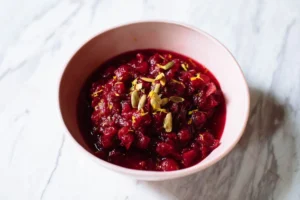
The use of cranberries in traditional medicine dates back centuries, with Native Americans reportedly utilizing them to treat various urinary ailments. Modern science is now beginning to unravel the mechanisms behind these traditional applications, particularly in the context of BPH. Unlike the sugary, often processed "craisins" or cranberry juices laden with added sugars and oils, the therapeutic potential lies in the whole fruit, specifically in powdered form.
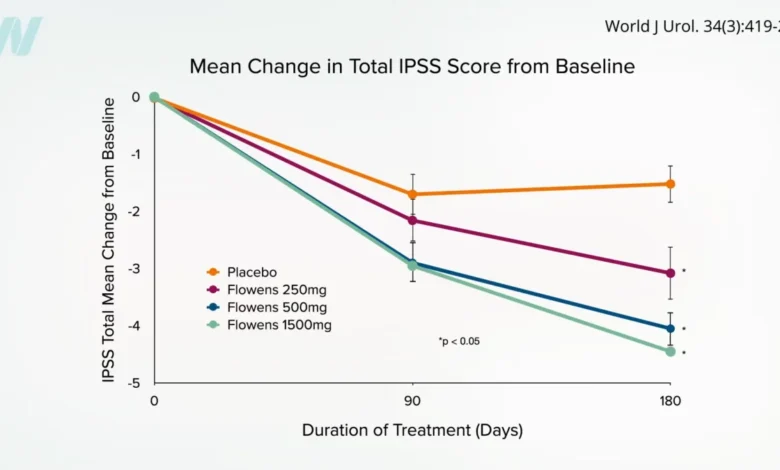
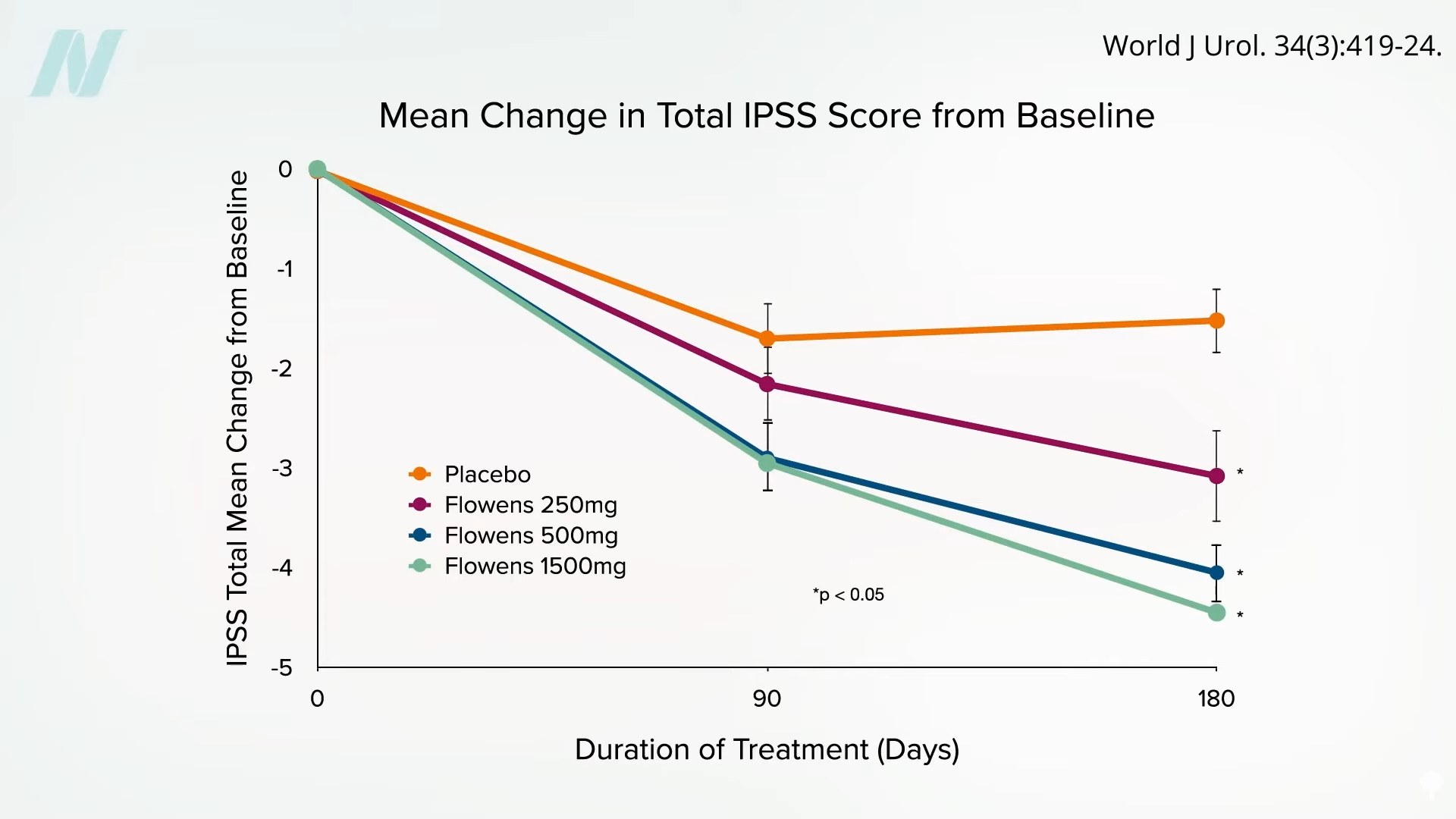
One pivotal study involved participants consuming approximately a teaspoon (around 3 grams) of powdered whole cranberries daily. The results were compelling: subjects experienced significant improvements across multiple metrics, including overall BPH symptoms, quality of life, and various urination parameters such as flow rate and frequency. This initial success prompted further investigation into optimal dosing. A subsequent study explored the efficacy of even smaller quantities, specifically one-third and one-sixth of a teaspoon of cranberry powder. Remarkably, even these lower doses demonstrated beneficial effects on BPH symptoms, underscoring the potent bioactivity of cranberries. These findings suggest a dose-response relationship, indicating that even modest daily intake can contribute to improved prostatic health.
It is important to note that one of these studies, while using a supplement, confirmed the efficacy of pure cranberry powder, suggesting that the benefits are derived directly from the fruit’s compounds rather than proprietary formulations. This distinction is crucial for consumers, as it implies that purchasing bulk cranberry powder can be a more cost-effective and equally effective approach than relying on expensive, branded supplements. This natural form can be easily integrated into daily diets, perhaps by adding it to smoothies, yogurt, or oatmeal. Conversely, other options like purple grape juice, despite their antioxidant properties, have shown no benefit whatsoever for BPH symptoms in clinical trials, reinforcing the need for specific, evidence-backed dietary choices. The primary active compounds in cranberries, particularly proanthocyanidins (PACs), are widely recognized for their anti-adhesive properties, which help prevent bacteria from sticking to urinary tract walls. While this mechanism is well-established for preventing urinary tract infections, cranberries’ broader anti-inflammatory and antioxidant properties are likely at play in ameliorating BPH symptoms.
Pumpkin Seeds: A Time-Honored Remedy Vindicated by Science
Much like cranberries, pumpkin seeds boast a rich history in folk medicine, having been utilized for centuries as a remedy for prostate disorders in various cultures. Contemporary scientific inquiry has now provided robust evidence supporting these traditional claims. In laboratory settings, specifically in petri dish experiments, extracts from pumpkin seeds have been shown to significantly inhibit the growth of BPH prostate cells, in some cases cutting growth by half. This preclinical data provided a strong rationale for investigating their effects in living organisms and, eventually, in human clinical trials. Initial animal studies, such as injecting pumpkin seed extracts into rabbits, further supported the potential benefits, paving the way for human research.
The transition to human studies began with investigations into pumpkin seed oil. Clinical trials comparing pumpkin seed oil to conventional pharmaceutical drugs for BPH yielded promising results. In one study, pumpkin seed oil appeared to perform as effectively as Prazosin, a commonly prescribed alpha-blocker, in improving BPH symptoms. Similarly, another trial demonstrated that pumpkin seed oil had comparable efficacy to Terazosin, another alpha-blocker. While these comparative studies highlighted the potential of pumpkin seed oil, a methodological limitation was the absence of a placebo group, making it challenging to definitively ascertain the extent of the oil’s independent effect beyond simply matching a known drug.
A landmark study, designed to address these limitations, involved over a thousand men randomized into three groups: one receiving a pumpkin seed extract supplement, another a placebo, and a third group consuming approximately a tablespoon (about 7.5 grams) of plain, whole pumpkin seeds daily. This comprehensive trial, while funded by a pharmaceutical company that produced the supplement, yielded a surprising and significant outcome: the pumpkin seed extract supplement was no more effective than the placebo. However, the group consuming plain, whole pumpkin seeds experienced clear and measurable improvements in their BPH symptoms. This critical finding underscored the principle that the synergistic effects of compounds present in the whole food are often more potent than isolated extracts or supplements. Further research has since indicated that even an oil-free extract of pumpkin seeds can be beneficial, suggesting that multiple active compounds, beyond just the fatty acids in the oil, contribute to their therapeutic properties. Pumpkin seeds are rich in zinc, phytosterols (especially beta-sitosterol), and lignans, all of which have been implicated in prostate health through various mechanisms, including hormone modulation, anti-inflammatory effects, and antioxidant activity.
Official Endorsements and Clinical Implications
The cumulative evidence regarding pumpkin seeds has led to significant recognition from both the scientific community and regulatory bodies. Researchers involved in the large-scale whole seed study concluded that pumpkin seeds could be confidently recommended for patients experiencing mild-to-moderate BPH symptoms. This conclusion was subsequently echoed and formalized by the European Medicines Agency (EMA), the European equivalent of the U.S. Food and Drug Administration. The EMA officially stated that pumpkin seeds can be used to alleviate lower urinary tract symptoms associated with an enlarged prostate, with the crucial caveat that more serious underlying conditions must first be ruled out by a medical professional. This official endorsement provides a robust scientific and regulatory backing for the use of pumpkin seeds as a dietary intervention for BPH.
Broader Impact and Future Directions
The findings on cranberries and pumpkin seeds represent a significant step forward in the management of BPH. They offer accessible, natural, and generally well-tolerated options that can empower patients to take a more active role in managing their condition. For individuals with mild-to-moderate symptoms, or those seeking complementary therapies alongside conventional treatments, incorporating whole cranberry powder and pumpkin seeds into their daily diet presents a viable and evidence-based strategy. This approach could potentially improve patient compliance by minimizing the side effects often associated with pharmaceutical drugs, thereby enhancing overall quality of life.
From a public health perspective, promoting the consumption of these readily available and affordable foods could have a widespread positive impact on a condition that affects millions of men globally. The success of these dietary interventions also reinforces the broader concept of using a whole-food, plant-based diet for optimal health, including prostate health. Indeed, previous research has highlighted the benefits of other seeds, such as flaxseeds, which have shown therapeutic efficacy comparable to commonly used drugs for prostate conditions, with the added advantage of only good side effects. Similarly, cranberries have demonstrated potential benefits beyond BPH, including roles in cancer prevention and the treatment of bladder infections, further illustrating the multifaceted health advantages of integrating these powerful foods into one’s diet.
Future research should continue to explore optimal dosages, long-term efficacy, and potential synergistic effects when cranberries and pumpkin seeds are consumed together. Investigating their precise molecular mechanisms of action could also lead to the development of even more targeted and effective natural therapies. The journey from traditional folk remedies to evidence-based medical recommendations for cranberries and pumpkin seeds exemplifies the invaluable intersection of historical wisdom and modern scientific rigor in advancing men’s health.