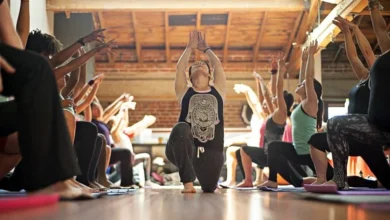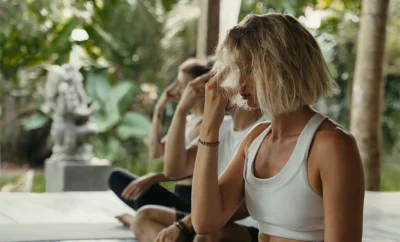
For practitioners of yoga, the gentle, rhythmic whisper often heard during a class, reminiscent of the ocean’s ebb and flow, signifies the presence of Ujjayi Breathing. More formally known as Ujjayi Pranayama, this fundamental yogic breathing technique is a cornerstone of mindful movement and meditation, serving to steady the mind, harmonize the nervous system, and cultivate profound awareness with each inhalation and exhalation. The term "Ujjayi" itself, derived from Sanskrit, combines "ud" (upward or expanding) and "ji" (to conquer), often translated as "victorious breath" or "one who rises with mastery." This ancient practice, seamlessly integrated into the physical discipline of yoga, offers benefits that extend far beyond the yoga mat, providing a potent tool for self-connection and stress management in contemporary life.
Rooted in millennia-old yogic traditions, Ujjayi Breathing is not merely an adjunct to physical postures but a powerful practice in its own right. Its widespread adoption in modern yoga underscores its efficacy in promoting a sense of grounding, calm, and presence. The technique’s ability to reduce stress and anxiety, coupled with its capacity to enhance focus and breath control, positions it as one of the most accessible and widely practiced breathing techniques available today. Its simplicity belies its power, offering a reliable method for individuals to navigate the demands of daily life with greater equanimity.
Understanding the Mechanics of Ujjayi Breathing
At its core, Ujjayi Breathing is a controlled breathing technique characterized by a gentle constriction at the back of the throat, specifically the glottis, while inhaling and exhaling exclusively through the nose. This subtle narrowing creates a soft, audible sound, the characteristic "ocean breath," which serves as an auditory anchor, guiding the practitioner’s attention inward. While the "ocean breath" moniker is widely recognized, Ujjayi Pranayama is also referred to as the "victorious breath" and, in a more colloquial and often humorous comparison, the "Darth Vader breath" due to the faint, breathy sound it produces.
Within the philosophical framework of yoga, pranayama, or breath control, is understood as a vital bridge connecting the physical body with the mind. The ancient Yoga Sutras of Patanjali, a seminal text on yogic philosophy, describe breath regulation as a crucial practice for quieting mental fluctuations and fostering inner awareness. Ujjayi Pranayama, in this context, is instrumental in cultivating a steady, rhythmic breath that not only supports physical exertion during yoga asanas but also deepens meditative focus, making it an indispensable element in numerous yoga lineages.
The Multifaceted Benefits of Ujjayi Pranayama
The therapeutic applications of Ujjayi Pranayama are extensive, impacting physiological and psychological well-being in profound ways.
1. Calming the Nervous System
One of the most significant and widely acknowledged benefits of Ujjayi Pranayama is its capacity to activate the parasympathetic nervous system, commonly known as the "rest and digest" system. This activation prompts a physiological shift towards a more relaxed state, counteracting the body’s stress response. Scientific research, including a study published in the International Journal of Yoga, has indicated that slow, controlled breathing techniques, such as Ujjayi, can measurably reduce stress markers and promote robust nervous system regulation. By modulating the autonomic nervous system, Ujjayi breathing offers a tangible method for mitigating the effects of chronic stress.
2. Enhancing Focus and Mental Clarity
The inherent requirement for mindful attention and precise control in Ujjayi Breathing serves as a powerful tool for anchoring the practitioner’s awareness firmly in the present moment. This focused attention naturally draws the mind away from distracting thoughts and worries, fostering a state of heightened concentration. This ability to cultivate present-moment awareness is invaluable for improving cognitive functions, such as concentration and memory recall, and is particularly beneficial in demanding academic or professional environments.
3. Regulating Breath and Increasing Lung Capacity
For individuals new to breathwork, consistent practice of Ujjayi breathing can lead to the development of deeper, more controlled, and efficient breathing patterns. Over time, this can contribute to an increased capacity of the lungs and improved respiratory efficiency. Research published in the Journal of Alternative and Complementary Medicine has demonstrated that various pranayama practices can significantly enhance respiratory function and lung capacity. This improvement is not only beneficial for general health but can also be advantageous for individuals with respiratory conditions or those seeking to improve athletic performance.
4. Elevating the Yoga Practice
Within the context of a yoga session, Ujjayi Breathing is instrumental in creating a seamless connection between breath and movement. This synchronized flow enhances the fluidity and intentionality of each pose, transforming a physical exercise into a moving meditation. The audible sound of the breath provides a constant point of reference, helping practitioners to stay present and engaged with their bodies, thereby deepening their overall yoga experience.
5. Supporting Stress and Anxiety Relief
The direct impact of Ujjayi Breathing on stress and anxiety management is substantial. By engaging the parasympathetic nervous system, the technique offers an accessible and immediate means to regulate the body’s stress response. For individuals experiencing anxiety, Ujjayi Pranayama can serve as a readily available tool to de-escalate overwhelming feelings and regain a sense of composure. The practice empowers individuals to take an active role in managing their emotional state through conscious breathing.
The Physiological and Neurological Underpinnings of Ujjayi’s Efficacy
The profound effectiveness of Ujjayi Breathing can be attributed to a synergistic interplay of physiological and neurological mechanisms.
- Vagal Nerve Stimulation: The gentle constriction in the throat and the rhythmic nature of the breath stimulate the vagus nerve, a key component of the parasympathetic nervous system. This stimulation signals the body to relax, reducing heart rate and blood pressure.
- Increased Carbon Dioxide Tolerance: The slightly prolonged exhalation and the controlled breathing pattern can lead to a mild increase in carbon dioxide levels in the blood. This can, paradoxically, promote a sense of calm and improve the body’s efficiency in utilizing oxygen.
- Proprioceptive Feedback: The audible sound and the physical sensation of the breath create strong proprioceptive feedback, drawing attention to the breath and body. This sensory input helps to ground the practitioner and interrupt cycles of rumination.
- Diaphragmatic Engagement: Ujjayi breathing naturally encourages deeper, diaphragmatic breathing, which is more efficient and promotes better oxygenation of the blood. This also aids in releasing tension stored in the abdominal region.
Collectively, these effects contribute to Ujjayi’s reputation as a highly effective technique for achieving relaxation, enhancing focus, and fostering a greater sense of inner peace.
A Step-by-Step Guide to Practicing Ujjayi Breathing
Mastering Ujjayi Pranayama is an accessible process, achievable through mindful practice. The following step-by-step tutorial, complemented by visual aids, can guide individuals in incorporating this technique into their routine.
Step 1: Find a Comfortable Position
Begin by sitting or lying down in a comfortable position, ensuring your spine is relatively straight. Close your eyes if comfortable, or maintain a soft gaze.
Step 2: Gentle Throat Constriction
Inhale and exhale gently through your nose. Now, without straining, slightly constrict the back of your throat, as if you are about to whisper or fog up a mirror. This subtle narrowing is key.
Step 3: Create the Audible Sound
As you inhale through your nose, maintain this gentle throat constriction. You should hear a soft, oceanic sound as the air passes through your narrowed glottis. The sound should be audible to you but not necessarily to others.
Step 4: Exhale with Control
Exhale slowly and steadily through your nose, again maintaining the gentle constriction in your throat. The exhalation should be roughly the same length as the inhalation.
Step 5: Maintain Rhythm and Awareness
Continue this rhythmic pattern of inhalation and exhalation, focusing on the sensation of the breath and the soft sound it creates. Aim for a smooth, continuous flow without any pauses or jerks.
Pro Tip for Beginners: To better understand the sensation of throat constriction, try practicing with your mouth slightly open, making a "ha" sound as if fogging up a mirror. Once you can feel the engagement in your throat, close your mouth and try to replicate that same feeling while breathing through your nose. This will help you isolate the correct muscular engagement.
[While the original content included an embedded YouTube Short, for a news article format, a descriptive reference to visual learning resources would suffice.]
Contraindications and Important Considerations
While Ujjayi Pranayama is generally considered safe and highly beneficial, there are certain circumstances where caution or consultation with a healthcare professional is advised.
- High Blood Pressure: Individuals with very high blood pressure should approach Ujjayi with caution and potentially modify the practice to ensure the constriction is very gentle and does not lead to breath holding or straining.
- Respiratory Conditions: Those with severe asthma, emphysema, or other significant respiratory ailments should consult their physician or a qualified yoga therapist before practicing Ujjayi, as the controlled breathing may initially exacerbate symptoms if not approached carefully.
- Discomfort or Dizziness: If at any point during the practice you experience discomfort, dizziness, or shortness of breath, cease the practice immediately and rest. It is crucial to listen to your body and avoid any forced or uncomfortable breathing.
- Pregnancy: Pregnant individuals are generally encouraged to practice Ujjayi, as it can be very calming. However, it is always recommended to inform their healthcare provider and a qualified prenatal yoga instructor about their practice.
Who Stands to Benefit Most from Ujjayi Breathing?
The accessible nature of Ujjayi Breathing makes it beneficial for a broad spectrum of individuals. However, it is particularly advantageous for those who:
- Experience High Levels of Stress and Anxiety: The parasympathetic activation and grounding effect make it an ideal tool for managing daily stressors.
- Seek Improved Focus and Concentration: The meditative quality of the practice sharpens mental clarity and present-moment awareness.
- Are New to Meditation or Mindfulness: Ujjayi provides a tangible anchor for the mind, making it easier to quiet internal chatter.
- Practice Yoga or Other Physical Activities: It enhances body-mind connection, improves breath control during exertion, and deepens the practice.
- Desire a Simple, Accessible Self-Care Tool: Ujjayi requires no special equipment and can be practiced anywhere, anytime.
- Wish to Improve Respiratory Health: Regular practice can lead to more efficient and deeper breathing patterns.
Conclusion: The Enduring Power of the Victorious Breath
The profound simplicity and profound accessibility of Ujjayi Breathing are its greatest strengths. With no more than the breath itself, individuals can initiate a significant shift in their mental and emotional state, cultivating inner calm, sharpening focus, and enhancing overall well-being. The extensive benefits, ranging from stress reduction and anxiety relief to improved breath control and a more profound yoga practice, underscore why Ujjayi Pranayama remains a cornerstone of modern yoga and a powerful tool for self-mastery. Whether integrated into a yoga session, a meditation practice, or simply employed during moments of daily stress, this potent pranayama technique offers a reliable pathway to reconnect with oneself. Like many ancient yogic practices, the full impact of Ujjayi Breathing unfolds over time, making even a few mindful breaths a valuable investment in enduring well-being and a testament to the power of the "victorious breath."